

In the rapidly evolving landscape of modern construction, the concept of sustainable construction has transitioned from an emerging trend to an essential global mandate. At its fundamental level, a construction material earns the label “sustainable” if its entire lifecycle – from initial production and extraction to its eventual use and disposal – exerts a minimal negative impact on the environment. However, understanding sustainability isn’t a straightforward binary choice; it’s a complex and nuanced characteristic that necessitates careful consideration of numerous factors. These include resource depletion, energy consumption, waste generation, potential for recycling, and even socio-economic impacts.
For millennia, humans have instinctively relied on readily available materials like wood. Wood, in its various forms, continues to stand as a prime example of a sustainable building material, yet even within this category, sustainability exists on a broad spectrum. Consider the striking difference between harvesting an ancient redwood and a fast-growing oak. Felling a mature redwood often requires extensive permits, specialized heavy equipment, and highly skilled labor, with a replacement tree taking 50 to 100 years to reach maturity. In stark contrast, an oak tree can be harvested by a single worker, is generally easier to mill, and quickly regenerates within 10 to 20 years. This makes oak lumber, in many contexts, a significantly more sustainable choice than redwood, illustrating that the true sustainability of a material is deeply intertwined with its sourcing practices, processing methods, and natural regenerative capacity.
Beyond traditional materials, the urgent global demand for greener building practices has ignited a fervent wave of innovation. Today’s market is a vibrant tapestry of both time-tested, naturally sustainable products and cutting-edge materials born from scientific breakthroughs. These offerings present unprecedented opportunities for architects, builders, and homeowners alike to create structures that are not only aesthetically pleasing and functionally superior but also deeply committed to environmental responsibility and long-term ecological balance.
What Defines Sustainable Materials? Key Characteristics of Green Building Products
Sustainable materials, frequently interchangeably referred to as “green materials” or “eco-friendly building products,” are distinguished by a core set of characteristics that collectively define their environmental and social performance. While it is rare for any single material to perfectly embody every criterion, the most exemplary options consistently demonstrate these qualities to a high degree:
- Sourced from Renewable or Abundant Resources: These materials originate from natural resources that are either inherently plentiful on Earth or possess a rapid regeneration rate, ensuring their continuous availability for future generations without depleting vital ecosystems. Examples include sustainably harvested timber, bamboo, or aggregates from vast deposits.
- Low Embodied Energy and Minimal Environmental Impact: A truly sustainable material minimizes its “embodied energy,” which is the total energy consumed across its entire lifecycle—from raw material extraction, processing, manufacturing, and transportation, to installation, maintenance, and eventual disposal or recycling. These processes should ideally generate negligible waste, pollution, or harmful emissions, thus preserving air, water, and soil quality.
- Incorporates Recycled Content and is Recyclable: Optimal sustainable materials often integrate a significant percentage of recycled content, effectively diverting waste from landfills and reducing the demand for virgin resources. Crucially, they should also be recyclable themselves at the end of their functional life, facilitating a closed-loop system and minimizing the overall environmental burden.
- Non-Toxic and Health-Promoting: These materials are free from harmful chemicals, volatile organic compounds (VOCs), heavy metals, and other toxins that could compromise indoor air quality, leach into the environment, or pose health risks to occupants, workers, and local communities. This commitment to non-toxicity fosters healthier living and working environments.
- Exceptional Durability and Longevity: A key tenet of sustainability is the creation of products built to last. Durable materials resist wear, tear, decay, and damage over extended periods, reducing the need for frequent replacements, which in turn conserves resources, minimizes construction waste, and saves costs over the building’s lifespan.
- Locally Sourced: Prioritizing materials sourced from the general region or locality where they will be used significantly reduces transportation distances. This, in turn, minimizes fuel consumption, associated carbon emissions, and supports local economies and supply chains, fostering community resilience.
It is imperative to approach claims of sustainability with a discerning eye, as some materials initially marketed as “green” may reveal hidden environmental drawbacks upon closer inspection—a practice colloquially known as “greenwashing.” Take concrete, for example. While its primary components (sand, gravel, and limestone) are abundant, the production of Portland cement, a key binder, is notoriously energy-intensive, accounting for a substantial percentage of global CO2 emissions. Similarly, certain types of composite decking boards, despite being made from recycled plastic, may not be recyclable themselves, leading to the eventual accumulation of plastic waste in landfills rather than providing a circular solution.
Despite these complexities, the market for truly sustainable building and design materials is expanding exponentially. Architects, contractors, and homeowners now have an ever-growing array of innovative and responsible options to construct spaces that are not only aesthetically pleasing and highly functional but also deeply harmonious with our planet.
Leading Sustainable Building Materials for Structural Integrity and Beyond
The foundation and framework of any building represent its most significant material investment. Choosing sustainable options for these core structural elements is critical for a building’s overall environmental footprint. While traditional wood and concrete remain prevalent, modern innovation and ancient wisdom offer even greener, high-performance alternatives.
Engineered Wood Products
Engineered wood represents a significant advancement in optimizing timber resources and enhancing structural performance. Rather than relying solely on solid lumber, techniques like glulam (glue-laminated timber), CLT (cross-laminated timber), and laminated veneer lumber (LVL) transform smaller, less valuable wood pieces into robust, stable, and often aesthetically striking structural components. These products are manufactured by bonding wood fibers, veneers, or small lumber pieces with adhesives. They minimize waste by utilizing nearly every part of a harvested tree, often sourced from sustainably managed forests. The engineering process also imparts enhanced strength, consistent quality, and superior resistance to warping and shrinking compared to traditional solid wood, making them ideal for beams, columns, floor systems, roofs, and walls. Their production typically has a lower carbon footprint than steel or concrete, contributing to a lighter, greener construction process.
Advanced Concrete Solutions
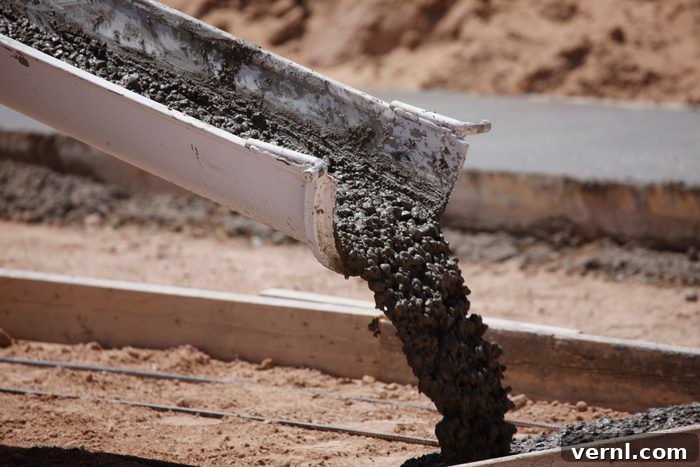
While conventional concrete production faces valid environmental scrutiny due to cement’s high embodied energy, continuous innovation is driving its sustainability forward. Precast concrete slabs, manufactured off-site in highly controlled factory environments, offer numerous advantages. This method allows for greater precision, superior quality control, and minimizes on-site waste, labor, and weather-related delays. These robust slabs are then efficiently transported and assembled at the construction site, speeding up projects and reducing overall environmental disturbance. Concrete’s inherent durability, thermal mass (which can regulate indoor temperatures), and potential for incorporating recycled aggregates (like fly ash or slag) make precast slabs excellent choices for foundations, walls, and floors, contributing to long-lasting and energy-efficient structures. Furthermore, ongoing research into low-carbon cements and geopolymers continues to revolutionize this ubiquitous material’s sustainability profile.
Natural Clay and Earth-Based Construction
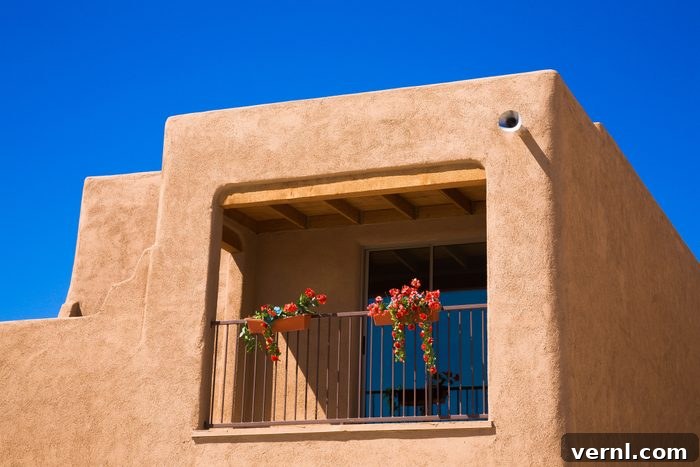
A profound testament to timeless sustainability, natural clay has served as a primary building material for millennia across diverse cultures. Abundant, inexpensive, and readily available in most regions, clay forms the foundation for traditional cob and adobe construction. By mixing clay with straw, sand, and water, builders can create durable, breathable, and thermally massive walls that naturally regulate indoor temperatures, reducing the need for artificial heating and cooling. Clay can be packed into pre-assembled forms to create monolithic structures or sun-dried into bricks and blocks. Its incredibly low embodied energy, non-toxic composition, and complete recyclability make earth-based construction methods profoundly appealing for those seeking a deep connection to natural building principles, superior indoor air quality, and resilience against natural elements.
Recycled Plastic Building Components
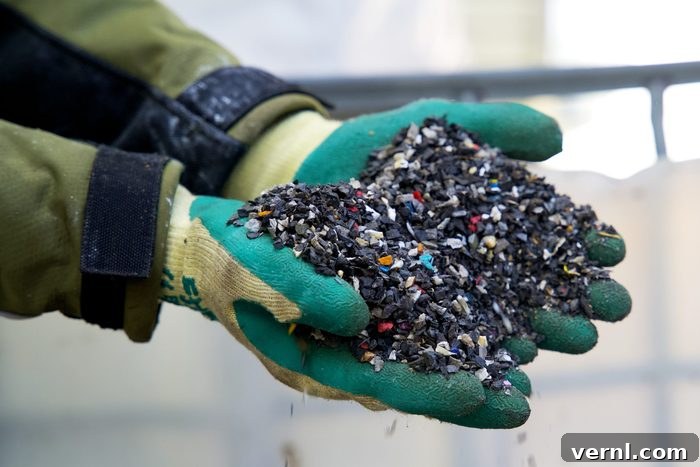
The escalating global plastic waste crisis has spurred ingenious solutions within the construction sector. One effective approach involves combining recycled plastic with wood fibers to produce polymeric timbers, often known as composite wood. These materials are highly durable, rot-resistant, moisture-impervious, and low-maintenance alternatives to traditional lumber, commonly used for decking, fencing, and outdoor structures. Beyond composites, advanced manufacturing processes are now compressing and molding waste plastic into structural building blocks, such as those by RePlasts, which can effectively substitute for concrete blocks in various non-load-bearing and even some load-bearing applications. These innovations offer a crucial dual benefit: diverting massive amounts of plastic from landfills and oceans while simultaneously creating resilient, long-lasting building components that reduce demand for virgin materials.
Straw Bales for Insulation and Structure
Once considered a niche or rustic building method, straw bale construction has experienced a significant global resurgence due to its exceptional sustainability credentials. Straw, an abundant agricultural byproduct, is incredibly inexpensive, widely available, and annually renewable. When compressed into dense bales and properly constructed, it forms highly insulated, durable walls that offer superior thermal performance, dramatically reducing heating and cooling loads and associated energy costs. These structures have demonstrated remarkable resilience against fires, earthquakes, and hurricanes when properly designed and engineered, making them not only eco-friendly but also robust and safe. The incredibly low embodied energy, superior insulation value, and natural breathability make straw bales an increasingly attractive option for environmentally conscious and energy-efficient building.
Sustainable Design Materials for Interiors and Exteriors

Beyond the structural skeleton, the selection of interior and exterior finishes, doors, windows, flooring, and furnishings significantly impacts a building’s overall sustainability profile, occupant health, and long-term environmental footprint.
Recyclable Stainless Steel
Stainless steel is highly valued for its exceptional durability, corrosion resistance, hygienic properties, and sleek, modern aesthetic, making it a ubiquitous choice for kitchen appliances, sinks, countertops, and bathroom fixtures. What often goes unrecognized is its remarkable sustainability story. Most new stainless steel production relies heavily on recycled content, often exceeding 70%, and the material itself is 100% recyclable without any degradation in quality, allowing it to be repurposed countless times. The energy required for smelting is increasingly sourced from renewable electricity, further reducing its environmental footprint. Its longevity and hypoallergenic properties also contribute to healthier indoor environments and a reduced need for frequent replacements, embodying a circular economy approach.
Rapidly Renewable Bamboo
Often perceived as a type of wood, bamboo is, in fact, a giant grass celebrated for its incredibly rapid growth rate, making it one of the most sustainable and rapidly renewable resources on the planet. Some species can grow several feet in a single day, reaching maturity in just 3-5 years without the need for replanting, extensive irrigation, or harmful pesticides. Factories process bamboo strands under high pressure to create incredibly strong and beautiful timber, flooring, paneling, and even plywood. Its remarkable versatility allows for its use in diverse applications, from structural elements and exquisite interior finishes to custom furnishings, all while contributing to carbon sequestration and alleviating pressure on traditional forest resources.
Eco-Friendly Cork
Cork consistently earns top marks across nearly every sustainability criterion. It is uniquely harvested from the bark of the cork oak tree, a remarkable process that doesn’t harm the tree itself. The bark regenerates every 9-12 years, allowing the same tree to be harvested for up to 200 years, making cork an outstandingly renewable resource. Beyond its regenerative nature, cork is naturally durable, hypoallergenic, fire-resistant, and provides excellent thermal and acoustic insulation. Commonly employed as an underlayment for wood and laminate flooring, it is also available as beautiful, resilient, and naturally soft standalone flooring tiles, versatile wall coverings, and high-performance insulation panels, bringing natural warmth, quiet, and a unique texture to any space.
Reclaimed and Repurposed Wood
Giving new life to old materials is a fundamental principle of sustainable design, and reclaimed wood perfectly embodies this ethos. Sourced from demolished barns, factories, warehouses, old homes, and other historical structures, reclaimed wood diverts valuable timber from landfills, extending its useful life. It injects unique character, rich history, and a stunning, aged aesthetic into modern homes, finding new purpose as distinctive flooring, accent walls, ceiling beams, custom cabinetry, interior trim, and bespoke furniture. Choosing reclaimed wood not only safeguards old-growth forests and reduces demand for new logging but also significantly lowers the embodied energy and carbon footprint associated with harvesting, processing, and transporting new timber.
Cutting-Edge Innovations in Sustainable Materials: Shaping the Future of Construction
The relentless pursuit of a truly circular economy and a net-zero future continues to drive groundbreaking innovations in material science. Many of these exciting new developments focus on transforming problematic waste streams into valuable resources and creating materials that actively enhance environmental quality rather than merely minimizing harm.
Resin8: Transforming Plastic Waste into Concrete Additive
A groundbreaking innovation addressing the pervasive plastic waste crisis is Resin8, developed by CRDC Global. This ingenious concrete additive is derived entirely from mixed, post-consumer plastic waste, a material notoriously difficult and expensive to repurpose economically. By processing various types of waste plastic into a specialized, inert aggregate, Resin8 can be seamlessly incorporated into concrete and asphalt mixes. According to the company, this not only provides a scalable and sustainable solution for plastic pollution but also enhances the integrity, strength, and thermal properties of concrete, leading to more durable, resilient, and sustainable infrastructure. It represents a significant stride towards achieving a truly circular economy within the construction industry.
Ferrock: A Carbon-Negative Cement Alternative
Ferrock is an exceptionally exciting cement substitute that showcases the immense potential for carbon-negative building materials. Made primarily from waste steel dust – a readily available industrial byproduct – and recycled glass, Ferrock possesses a unique property: it actively reacts with carbon dioxide during its curing process. This reaction effectively absorbs CO2 from the atmosphere and chemically locks it into its hardened structure, transforming the steel dust into iron carbonate, which forms a binder many times harder than conventional Portland cement. While currently limited to smaller-scale production due to ongoing research and manufacturing complexities, Ferrock offers a compelling glimpse into a future where building materials actively combat climate change by sequestering atmospheric carbon.
Mycelium-Based Building Insulation
Harnessing the extraordinary power of nature, mycelium-based insulation is revolutionizing thermal building performance. Mycelium, the intricate root-like fungal network from which mushrooms sprout, acts as a natural, self-assembling binder. Innovators and startups like Ecovative have pioneered methods to grow mycelium on readily available agricultural waste products, such as hemp husks, corn stalks, or wood chips. This bio-fabricated material results in lightweight, fire-resistant, and highly effective insulation panels that perform comparably to traditional fiberglass insulation. Crucially, mycelium insulation is entirely biodegradable, non-toxic, and boasts an incredibly low embodied energy. It offers a breathable, healthy, and truly circular solution for enhancing a building’s energy efficiency and indoor air quality.
The Multifaceted Benefits of Embracing Sustainable Materials
The decision to integrate sustainable building and design materials into construction projects offers a cascade of advantages that extend far beyond simple environmental stewardship. These benefits create value for homeowners, builders, and society at large, fostering a healthier, more resilient future:
- Profound Environmental Impact Reduction: This is the most direct and widely recognized benefit, encompassing a significant reduction in carbon emissions, minimized waste sent to landfills, conservation of finite natural resources, and greatly diminished pollution of air and water systems. By choosing sustainable options, we actively contribute to protecting vital ecosystems and mitigating the profound effects of climate change.
- Substantial Energy Efficiency Improvements: A great number of sustainable materials, particularly those used for insulation, high-performance windows, and structural components (like straw bales or engineered wood), contribute to superior thermal performance. This directly translates into significantly lower energy consumption for heating and cooling, resulting in reduced utility bills and operational costs throughout the entire lifespan of a building.
- Healthier Indoor Environments: Sustainable materials are rigorously selected for their non-toxic properties, meaning they contain fewer volatile organic compounds (VOCs), harmful chemicals, and allergens. This leads to dramatically improved indoor air quality, reducing the risks of respiratory issues, allergies, and chemical sensitivities for occupants, thereby fostering healthier and more comfortable living and working spaces.
- Enhanced Durability and Extended Longevity: High-quality sustainable materials are fundamentally designed for endurance. Their inherent resilience and resistance to wear, tear, and decay reduce the need for frequent repairs or premature replacements, saving both money and precious resources in the long run. This durability contributes significantly to the overall structural integrity and lasting value of the property.
- Long-Term Cost Savings: While some sustainable materials might present a slightly higher upfront cost, their comprehensive long-term benefits—including drastically reduced energy bills, lower maintenance requirements, and an extended material lifespan—often translate into substantial cost savings over the building’s entire lifecycle, offering a superior return on investment.
- Increased Property Value and Marketability: Homes and commercial buildings constructed with sustainable materials and green building certifications frequently command higher market values. Buyers are increasingly prioritizing eco-friendly features due to the associated energy savings, health benefits, environmental consciousness, and future-proofing, making sustainable properties a discerning and wise investment.
- Support for Local Economies and Communities: Prioritizing locally sourced sustainable materials not only reduces transportation emissions but also actively supports local businesses, manufacturers, and jobs, fostering greater community resilience, economic growth, and a stronger, more connected supply chain within the region.
The Green Horizon: Challenges and Opportunities in Sustainable Construction
While the adoption of sustainable materials and green building practices is experiencing rapid growth, certain challenges persist. These include perceptions of higher initial costs, limited availability of specialized materials in some remote regions, and a general lack of widespread awareness or standardized education among all stakeholders. However, these hurdles are steadily being overcome through relentless ongoing research, groundbreaking technological advancements, and increasing consumer demand for healthier, more responsible living and working spaces. Furthermore, governments and regulatory bodies globally are introducing increasingly stringent building codes, incentives, and certifications that actively favor green building practices, further accelerating their integration into mainstream construction.
The future of construction is undeniably green, promising a radical transformation of our built environment. As architects, builders, and homeowners become more informed, ethically committed, and collaboratively innovative, the widespread integration of sustainable building and design materials will not only redefine our physical spaces but also play an absolutely critical role in forging a healthier, more resilient, and truly sustainable future for everyone on our planet.