
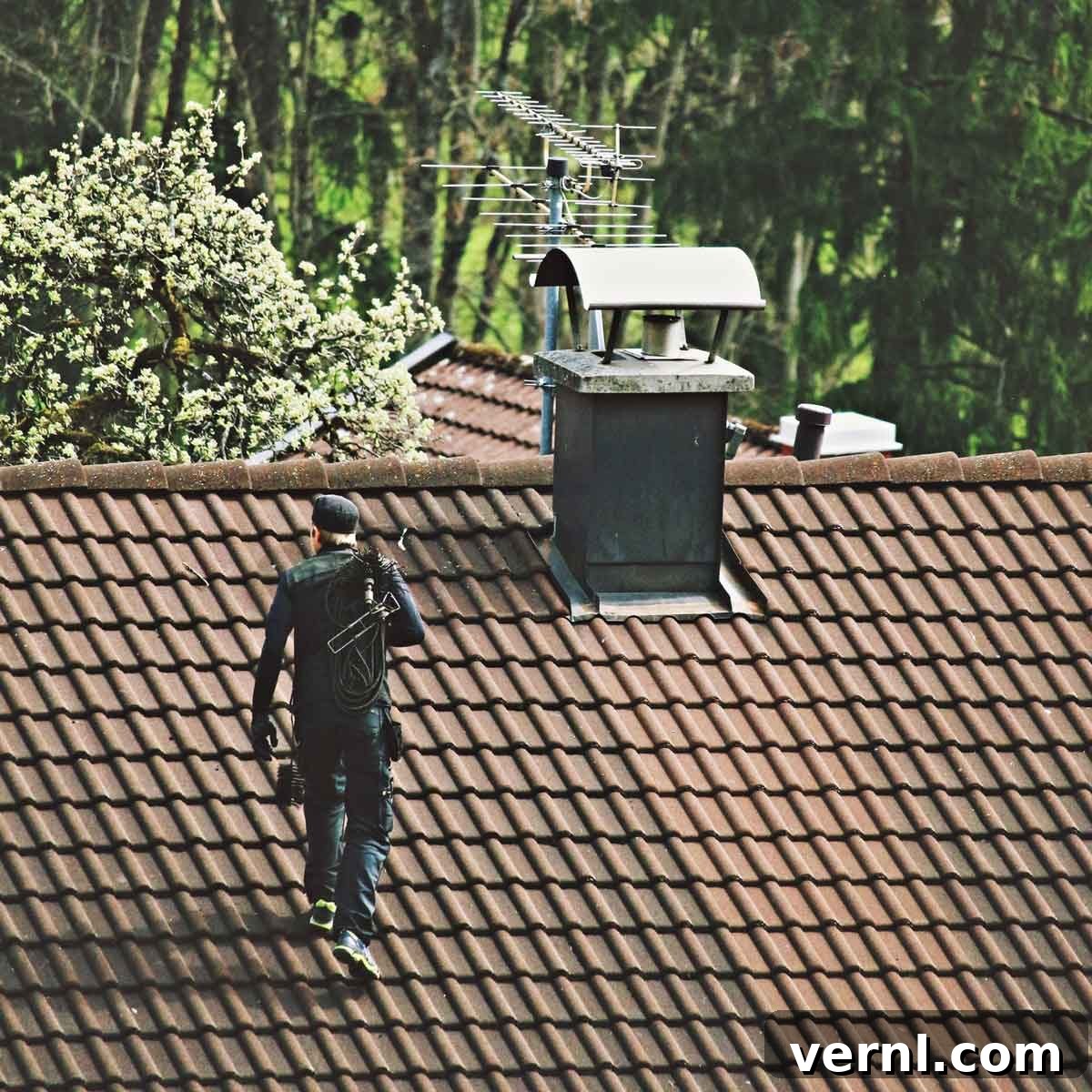
Gas and wood-burning fireplaces are cherished centerpieces in many homes, offering not just warmth and comfort but also a picturesque ambiance during the colder months. The gentle flicker of flames and the crackle of burning wood create an inviting atmosphere that truly makes a house feel like a home. However, to ensure these beloved features operate not only efficiently but also safely, they require regular and diligent upkeep. Far from being purely decorative, fireplaces are complex systems that demand professional attention to prevent potential hazards and maintain optimal performance.
Understanding the critical role of a professional chimney sweep in your fireplace maintenance plan is paramount for every homeowner. This comprehensive guide will illuminate why a chimney sweep is an indispensable part of home safety and energy efficiency, detailing what to expect when you enlist their services, how often you should schedule an appointment, and how to find a qualified professional who can safeguard your home and family.
Why a Professional Chimney Sweep is Indispensable for Home Safety and Efficiency
Hiring a certified chimney sweep is more than just an annual chore; it's a vital investment in your home's safety, your family's health, and your long-term financial well-being. Regular inspections and cleanings by a professional help mitigate preventable dangers and can lead to significant cost savings.
Mitigating Carbon Monoxide Risk
One of the most insidious threats associated with poorly maintained fireplaces and chimneys is carbon monoxide (CO) poisoning. Often dubbed the "silent killer," carbon monoxide is a colorless, odorless gas produced during the incomplete combustion of fuels like wood and natural gas. A clean, properly functioning chimney acts as your home's exhaust system, effortlessly channeling carbon monoxide and other harmful by-products of combustion safely up and out of your living spaces. When a chimney becomes obstructed or its venting system is compromised due to soot, creosote, or debris, this crucial process falters.
The majority of chimney-related carbon monoxide problems occur due to improper exhausting—a hazard that is almost entirely avoidable with routine inspection and cleaning by a chimney sweep. These professionals ensure that your flue is clear and that your venting system is operating correctly, preventing the dangerous accumulation of CO within your home. Installing carbon monoxide detectors throughout your home provides an additional layer of safety, but proactive chimney maintenance remains the first line of defense against this deadly gas.
Preventing Devastating Chimney Fires
Chimney fires are a far more common occurrence than many homeowners realize, posing a severe threat to property and life. According to statistics from the Chimney Safety Institute of America (CSIA), there are more than 20,000 chimney fires annually in the United States alone. The primary culprit behind these fires is creosote—a highly combustible by-product of burning wood, especially unseasoned or "green" wood. As smoke rises through the chimney, creosote condenses and builds up on the flue walls, forming a tar-like, flaky, or glazed coating.
This creosote accumulation acts as a fuel source. When temperatures within the flue become high enough—often due to intense fires or the ignition of existing creosote—it can ignite, leading to a fierce and destructive chimney fire. These fires can reach extremely high temperatures, potentially cracking or damaging the chimney liner, spreading to the surrounding structure of the home, and causing significant injury or even death. Regular creosote removal by a professional chimney sweep drastically reduces this fire risk, ensuring your fireplace can be enjoyed safely.
Enhancing Energy Efficiency and Saving Money
Beyond safety, a clean chimney contributes significantly to your home's energy efficiency and can lead to tangible savings on your utility bills. Even a thin layer of soot—as little as 1/10-inch—can act as an insulator, dramatically reducing heat transfer efficiency by up to 50 percent. This means your fireplace or wood-burning stove has to work much harder to produce the same amount of heat, consuming more fuel in the process and increasing your heating costs.
A professional chimney sweep doesn't just clean the flue; they also inspect other components that impact efficiency, such as the damper and the overall integrity of the chimney structure. They can identify and help you address issues like missing or damaged dampers, which allow heated air to escape when the fireplace is not in use, or air leaks in the chimney masonry. Addressing these issues can further reduce your overall energy bill, making a chimney sweep an economically sound decision.
Preserving Structural Integrity and Longevity
A well-maintained chimney lasts longer and requires fewer costly repairs over its lifespan. Regular inspections allow chimney sweeps to identify minor issues such as hairline cracks in the flue liner, deteriorating mortar joints, or water penetration points before they escalate into major structural problems. Moisture intrusion, often due to a damaged chimney crown or flashing, can lead to significant masonry damage over time, including spalling bricks and efflorescence.
Furthermore, the acidic nature of creosote and other combustion by-products can erode the chimney liner and masonry from the inside out. A professional cleaning removes these corrosive substances, protecting the internal structure of your chimney and extending its operational life. By catching and addressing these issues early, chimney sweeps help homeowners avoid expensive and extensive repairs down the line, safeguarding the integrity and value of their home.
How Often to Schedule a Chimney Sweep
The frequency of chimney sweeping and inspection depends on several factors, primarily the type of fuel used and how often your fireplace or stove is operated. The National Fire Protection Association (NFPA) sets the benchmark, recommending that all chimneys, fireplaces, vents, and solid fuel-burning appliances (such as pellet or wood stoves) be inspected at least once a year. This annual inspection is crucial even if you use your fireplace only occasionally, as it can catch issues like animal nests, debris accumulation, or structural deterioration that may occur regardless of use.
However, if you are a frequent user—firing up your wood-burning fireplace several times a week during the winter—you may need more frequent inspections and cleanings, potentially every few months during heavy use periods. Wood stoves, in particular, tend to produce more creosote than open fireplaces, especially if unseasoned wood is burned or if the stove is operated with restricted airflow to prolong burning. Gas fireplaces, while cleaner, still require annual inspection to ensure proper venting, check for blockages, and confirm the integrity of the gas lines and components.
A clear indicator that it's time for an immediate appointment is the presence of creosote glaze—a thick, inky, almost cake icing-like substance that clings to your chimney walls and may even drip into your firebox. According to the CSIA, this glazed creosote is highly flammable and extremely difficult to remove without specialized tools and chemical treatments, making professional intervention essential without delay. Other signs include a smoky fireplace, a burning smell even when not in use, or unusual noises coming from the chimney.
The Undeniable Advantages of Hiring a Professional Chimney Sweep
Cleaning a chimney is a task that few homeowners relish, and for good reason. It's an arduous, dirty, and potentially dangerous job that is best left to experienced professionals. Attempting a DIY chimney cleaning without the proper knowledge, tools, and safety equipment can lead to ineffective cleaning, damage to the chimney, or even personal injury. The benefits of entrusting this critical maintenance to qualified chimney sweeps are numerous and far outweigh the perceived savings of a DIY approach:
-
Efficiency and Cleanliness: Professional sweeps are equipped with specialized tools and techniques to clean chimneys quickly and thoroughly, minimizing mess within your home. They employ powerful vacuums and protective coverings to contain soot and debris, ensuring your living space remains pristine.
-
Comprehensive Inspection: Beyond simple cleaning, a professional provides an in-depth inspection of your entire chimney system. They can identify potential weak spots, structural damage, or issues with the chimney liner (if used) or the chimney itself that might be invisible to an untrained eye. Many utilize CCTV camera systems for a detailed internal examination of the flue.
-
Thorough Debris and Blockage Removal: Chimneys can become nesting grounds for birds, squirrels, or other animals, and accumulate leaves, twigs, or other wind-blown debris. Professionals effectively remove these blockages, which can cause dangerous smoke backing up into your home or create fire hazards.
-
Minor Repairs and Recommendations: Many chimney sweeps are skilled in making minor repairs on the spot, such as replacing a damaged or missing chimney cap, repairing a faulty damper, or addressing minor issues with the chimney liner. They can also provide expert recommendations for more extensive repairs, such as masonry work, and connect you with qualified contractors if needed. (Note that some states require state registration and approval before undertaking masonry work.)
-
Expert Knowledge and Safety: Professionals are well-versed in fire codes, safety standards, and the nuances of various chimney systems. Their expertise ensures that your chimney is not only clean but also meets all safety requirements, providing you with peace of mind.
While the allure of DIY can be strong, especially for minor tasks, the complexities and inherent risks associated with chimney cleaning make it a job best delegated to those with specialized training and equipment. However, if you are committed to performing some basic maintenance yourself, invest in the right tools. These brushes and drop cloths can make certain aspects of fireplace cleanup easier and less messy, but they are no substitute for a full professional inspection and cleaning.
What to Expect During a Chimney Sweep Visit
When you hire a chimney sweep, you're not just getting a cleaning; you're investing in a thorough inspection of your entire chimney and fireplace system. A standard visit, encompassing both inspection and cleaning, typically takes anywhere from one to two hours, though this duration can vary based on your location, the complexity and condition of your chimney, and the specific procedures of the sweep hired.
Preparation and Initial Setup
Before the sweep arrives, it's a good practice to clear the area around your fireplace, moving furniture and valuables to provide unobstructed access. The sweep will typically begin by laying down drop cloths or tarps inside your home to protect your floors and furnishings from soot and debris. They will also seal off the fireplace opening with specialized tarps or vacuums to prevent any dust from escaping into your living space during the cleaning process.
The Inspection Process
The inspection phase is crucial and may begin inside at the firebox, up on the roof to assess the chimney's exterior, or both. Professionals meticulously examine various components: the firebox, damper, smoke chamber, flue liner, chimney crown, flashing, and chimney masonry. Many sweeps utilize advanced tools, including CCTV cameras, to perform a detailed internal inspection of the flue, identifying cracks, blockages, excessive creosote buildup, or signs of animal nests that might be hidden from view. They look for any signs of deterioration, water intrusion, or code violations.
The Cleaning Process
Once the inspection is complete, the cleaning process commences. The sweep will use specialized brushes—chosen for the specific size and shape of your flue—to scrape and dislodge creosote, soot, and any other debris from the chimney walls. This is often done from the top down (from the roof) or from the bottom up (from the firebox), sometimes employing both methods for a comprehensive clean. Powerful HEPA-filtered vacuums are used in conjunction with the brushing to capture all dislodged materials, ensuring a minimal mess inside your home.
For chimneys with significant creosote glaze, a deeper clean involving chemical treatments may be necessary. These treatments help break down hardened creosote, allowing for easier mechanical removal. Such advanced cleaning procedures can extend the duration of the visit by a few hours.
Post-Cleaning Assessment and Recommendations
After the cleaning, the chimney sweep will remove their equipment and clean up any remaining debris. They will then provide a detailed report of their findings, including the condition of your chimney, the amount of creosote removed, and any issues discovered. If minor repairs are needed, such as replacing a missing chimney cap or a damaged chimney liner, some sweeps can complete these on the same day, depending on their policies and the tools they have on hand.
Should the inspection reveal more significant problems, such as extensive masonry damage, liner deterioration, or other structural concerns, the sweep will discuss these findings with you. It is always a good idea to request a written list of any suggested repairs, including a clear explanation of why these repairs are necessary and their estimated cost. If the repairs fall outside the chimney sweep's specific expertise (e.g., major masonry work), they should be able to recommend qualified professionals to complete the work, ensuring your chimney remains safe and fully functional.
Understanding Chimney Sweep Costs
The cost of professional chimney sweep services, which typically include a general inspection and thorough cleaning, can vary significantly, usually ranging from $75 to $250. This price range is influenced by several factors, including your geographic location, the type and height of your chimney, the fuel source (wood or gas), and the last time your chimney was serviced.
However, this number can rise considerably if your chimney hasn't been serviced for an extended period or if the sweep uncovers additional issues during the inspection. Neglected chimneys often accumulate excessive amounts of creosote, requiring more intensive cleaning methods or specialized chemical treatments, which can increase the labor and material costs. Furthermore, the discovery of structural issues, damage to the flue liner, a faulty damper, or pest infestations (such as animal nests) will necessitate additional services and repairs, driving up the overall cost.
In cases where a chimney is in particularly poor condition, requires extensive repairs to meet safety codes, or needs significant remediation efforts—such as rebuilding portions of the masonry or replacing the entire flue liner—you may find yourself paying upwards of $1,000 or more. While this may seem like a substantial investment, it's crucial to view it as an essential expenditure for home safety and the long-term integrity of your property, far less costly than dealing with the aftermath of a chimney fire or carbon monoxide poisoning.
Some sweeps offer different levels of inspection (e.g., NFPA Level 1, 2, or 3), with Level 2 inspections (often involving camera use) typically costing more but providing a more comprehensive assessment, especially for new home purchases or after a chimney event like a fire.
Finding a Reputable and Certified Chimney Sweep
Choosing the right chimney sweep is critical for ensuring the safety and efficiency of your fireplace system. It's important to select a professional who is not only experienced but also properly certified and insured. Excellent resources exist to help you find qualified professionals:
- The National Fireplace Institute (NFI) offers certifications for hearth professionals, including gas specialists, wood-burning specialists, and pellet specialists.
- The Chimney Safety Institute of America (CSIA) provides highly respected certifications for chimney sweeps, demonstrating a commitment to safety and professional excellence. Both organizations host searchable databases on their websites, allowing you to find certified professionals in your area.
Beyond national certifications, personal recommendations from friends, family, or trusted neighbors can be invaluable. Reputable online platforms such as Angie's List (now Angi) or HomeAdvisor also offer reviews and ratings of local service providers, though some may require a subscription or be "paywalled."
When you're vetting prospective chimney sweeps, prepare a list of questions to ensure you find the right match for your home and specific needs:
- Are they certified? If yes, by whom (e.g., CSIA, NFI)? Certification indicates professional training and adherence to industry standards.
- Do they give free estimates? If not, how much do they charge for an inspection? Is this fee deducted from the final invoice if you choose their service? Understanding their pricing structure upfront is crucial.
- What will a typical visit involve? Ask for a detailed breakdown of their inspection and cleaning process, including whether they use camera inspections.
- How do they minimize debris spilling into your home? Inquire about their methods for protecting your interior, such as drop cloths and powerful vacuums.
- How do they clean up after the job is done? A professional sweep should leave your home as clean, if not cleaner, than they found it.
- What, if any, additional services do they offer? This could include minor repairs, animal removal, dryer vent cleaning, or assistance with complex masonry issues.
- Are they fully insured and bonded? This protects you in case of any accidents or damage during the service.
- Can they provide references or examples of their work? Checking references can give you insight into their professionalism and customer satisfaction.
Interviewing a few prospective chimney sweeps and comparing their services, expertise, and pricing will help you make an informed decision and find a reputable professional who instills confidence and provides exceptional service for your home.
Conclusion: An Essential Investment in Home Safety and Comfort
The allure of a warm, crackling fireplace is undeniable, transforming any house into a cozy sanctuary. However, this comfort comes with the critical responsibility of regular maintenance. As we've explored, neglecting your chimney and fireplace can lead to severe consequences, from the silent threat of carbon monoxide poisoning and devastating chimney fires to diminished energy efficiency and costly structural damage.
Hiring a certified and experienced chimney sweep is not merely a recommendation; it's an essential annual investment in the safety, efficiency, and longevity of your home. These professionals possess the expertise, tools, and knowledge to thoroughly inspect, clean, and maintain your chimney system, identifying potential hazards before they escalate and ensuring optimal performance. By prioritizing professional chimney maintenance, you safeguard your family, protect your property, and ensure that your fireplace remains a source of joy and warmth for many years to come.