
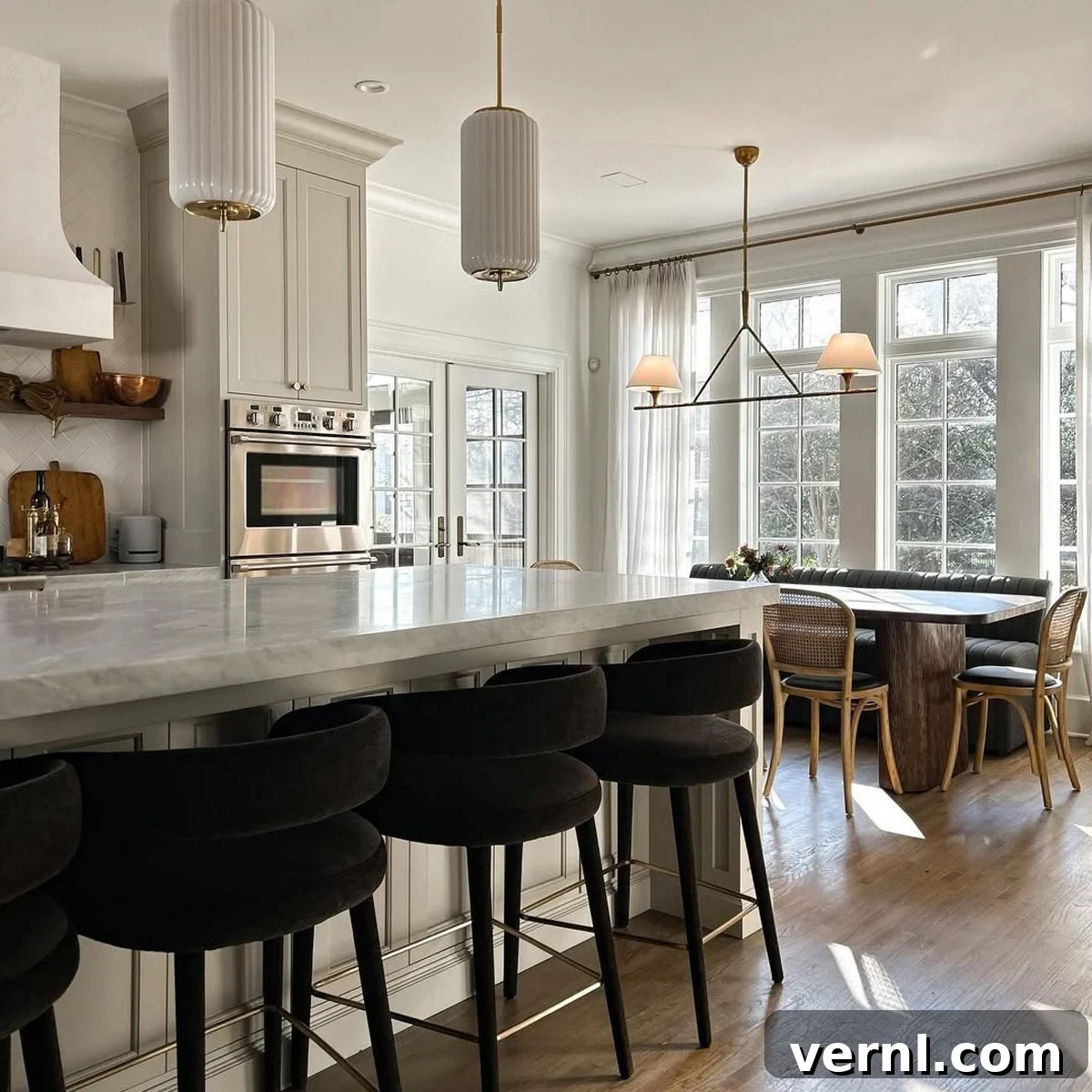
Elevate Your Culinary Space: Unveiling the Top Kitchen Trends for 2025
The kitchen, often hailed as the heart of the home, is more than just a place to prepare meals; it’s a vibrant hub for family gatherings, entertaining friends, and creating lasting memories. Whether you’re embarking on a full-scale renovation as a New Year’s resolution or simply seeking to refresh your space with contemporary flair, understanding the latest design movements is key. For 2025, kitchen trends are leaning towards a harmonious blend of functionality, natural beauty, and personalized style, moving away from purely utilitarian aesthetics to embrace warmth, connection, and a touch of luxury.
To navigate this exciting landscape of evolving designs, we’ve consulted with leading interior designers. These experts have shared their insights into the most captivating and impactful kitchen trends set to define homes in 2025. Get ready to discover innovative ideas that you can integrate into your own kitchen design, transforming it into a space you truly adore and showcasing your individual taste.
1. Expansive Windows: Embracing Natural Light and Outdoor Connection
View this post on InstagramA post shared by Ford Interior Design (@fordinteriordesign)
As homeowners increasingly prioritize sustainable living and well-being, the demand for expansive windows in kitchen design has surged. This isn’t just about aesthetics; it’s a strategic choice to enhance both the environmental efficiency and the overall atmosphere of the culinary space. Large, thoughtfully placed windows become an architectural feature, inviting an abundance of natural light and seamlessly blurring the lines between indoor comfort and outdoor serenity.
Jane Lockhart, BAAID, principal designer at Jane Lockhart Design, emphasizes this shift: “Larger windows are being installed throughout homes, and particularly in kitchens, to maximize natural light, brightness, and a connection with the outdoors.” This trend extends beyond standard window sizes, often featuring floor-to-ceiling glass, panoramic sliding doors, or beautifully designed bay windows that transform a wall into a dynamic portal to nature.
What We Love About It:
The benefits of integrating expansive windows are multifaceted. Beyond the obvious reduction in electricity consumption during daylight hours, natural light profoundly impacts mental and physical well-being. Exposure to natural light is known to boost mood, increase productivity, and improve sleep patterns, creating a more pleasant and energizing environment for daily activities. As Lockhart notes, “by adding larger windows, you will likely feel less isolated from the outside world and increasingly connected to nature while cooking and/or at mealtime.” Imagine sipping your morning coffee bathed in sunlight, or preparing dinner with a view of your garden as the sun sets. This direct visual and emotional link to the outside world fosters a sense of calm and expansive living. Furthermore, a brightly lit kitchen often feels larger, cleaner, and more inviting, making it a truly joyful space to spend time in.
2. Camouflaged Appliances: The Art of Seamless Integration
View this post on InstagramA post shared by Juliana Linssen (@spacesbyjuliana)
The rise of minimalist aesthetics and open-concept living has propelled camouflaged, or panel-ready, appliances into the spotlight as a significant 2025 kitchen trend. This design philosophy centers on creating a cohesive and uncluttered look by integrating essential kitchen elements seamlessly into the cabinetry. The goal is to make appliances virtually disappear, presenting a sleek, refined, and uniform appearance.
This trend applies to a wide range of appliances, from refrigerators and dishwashers to compact wine coolers and even built-in coffee makers. By concealing these functional elements behind custom panels that match the surrounding cabinetry, the kitchen gains an air of sophisticated simplicity. The result is a clean canvas that highlights other design features, such as stunning countertops or unique backsplash materials, rather than being dominated by the gleam of stainless steel or the visual interruption of appliance doors.
What We Love About It:
Lauren Lerner, principal designer at Living with Lolo Interior Design, expresses a strong affinity for this approach: “What we love about this [trend] is how calm and clean it makes a space feel.” This sense of tranquility is invaluable in today’s busy households. Lerner adds, “It’s especially powerful in open floor plans where you want the kitchen to feel like part of the living space, not a separate utility zone.” In such layouts, where the kitchen often flows directly into dining or living areas, a visually harmonious design ensures that the entire space feels integrated and inviting. Jane Lockhart further highlights a practical advantage, noting that these types of integrated appliances are often “easier to use,” thanks to intuitive designs and streamlined interfaces that prioritize user experience. The absence of distracting hardware and visible gaps contributes to a premium, bespoke feel, transforming a functional area into a true design statement.
3. A Splash of Color: Injecting Personality into the Kitchen
View this post on InstagramA post shared by Ford Interior Design (@fordinteriordesign)
While neutral palettes have long dominated kitchen design for their timeless appeal, 2025 is ushering in a delightful resurgence of color. Interior designers are observing a clear shift away from solely understated tones, with homeowners increasingly daring to infuse their kitchens with vibrant and expressive hues. This trend moves beyond mere accents, encouraging the bold application of color across larger surfaces to create a truly personalized and energetic space.
Jane Lockhart points out this exciting evolution: “Many people are saying goodbye to those neutral colors and opting to illuminate their kitchens with increasingly vibrant ones, including pale rose, terracotta, olives, and greens in more ways than solely as accents.” These shades, reminiscent of nature and artisanal craftsmanship, bring a sense of warmth, depth, and character that can transform a kitchen from functional to fabulous. Imagine deep forest greens on cabinetry, or a soft, earthy terracotta backsplash creating a focal point.
What We Love About It:
The beauty of this color-forward trend lies in its incredible versatility and the ability for homeowners to customize it to their unique taste. You don’t have to overhaul your entire kitchen to embrace it. Lockhart offers practical advice: “A simple way to embrace this color-forward trend is by painting the walls, trim, and ceilings in a single color you love, or for a less dramatic effect, consider a colored backsplash tile or countertop appliance.” This flexibility allows for both subtle enhancements and dramatic transformations. A well-chosen color can evoke specific moods—a calming blue, an invigorating yellow, or a sophisticated deep green—making the kitchen a more engaging and inspiring place to cook, dine, and socialize. It’s an opportunity to let your personality shine through your home’s design.
4. Layered Lighting: Crafting Ambiance and Functionality
View this post on InstagramA post shared by Ford Interior Design (@fordinteriordesign)
In 2025, kitchen lighting transcends mere utility to become a crucial element in establishing mood, defining spaces, and enhancing overall design. The trend of layered lighting, championed by designers, emphasizes combining different types of light sources to create a sophisticated, adaptable, and highly functional environment. This approach ensures that every corner of the kitchen is properly illuminated, whether for precise task work or a relaxed evening ambiance.
Isabel Jackson, RID, owner of Cheltenham Interiors, explains, “Kitchens now feature sophisticated lighting schemes with task, ambient, and decorative layers.” Task lighting focuses on illuminating specific work areas, ambient lighting provides overall brightness, and decorative lighting adds visual interest and character. She advises on practical implementations: “use under-cabinet LED strips, pendant lighting over islands, and dimmable ceiling spots.” Under-cabinet lighting ensures counters are well-lit for food prep, pendants offer both illumination and a stylish focal point over islands or dining areas, and dimmable ceiling lights provide flexible ambient light that can be adjusted throughout the day.
What We Love About It:
Jackson particularly appreciates how layered lighting intelligently introduces “depth and luxury as needed throughout the day (especially with controlled fixtures) to a kitchen.” The ability to manipulate light levels and focus allows for dynamic shifts in the kitchen’s atmosphere. Imagine bright, clear light for cooking and cleaning, transitioning to a softer, warmer glow for intimate dinners or evening relaxation. This control enhances comfort and adaptability, making the kitchen suitable for any activity or time of day. Whether you choose elegant chandeliers as a statement piece, stylish hanging fixtures for a modern touch, or subtle uplighting to highlight architectural details, each choice contributes to a rich tapestry of illumination that elevates the kitchen’s ambiance beyond the ordinary, creating a truly inviting and luxurious feel.
5. Natural Stone Surfaces: Timeless Elegance and Organic Beauty
View this post on InstagramA post shared by Ford Interior Design (@fordinteriordesign)
Natural stone surfaces are re-emerging as a dominant force in kitchen design for 2025, bringing an unparalleled sense of luxury, organic beauty, and permanence. This trend signals a desire for authenticity and connection to nature within the home, with highly distinctive stone varieties taking center stage. Homeowners are increasingly opting for materials that tell a story, featuring unique patterns and striking characteristics.
“Statement stone is taking center stage in kitchens, especially bold marble, quartzite, or granite with rich, expressive veining,” explains Isabel Jackson. The dramatic swirls and intricate patterns found in these natural materials ensure that no two installations are exactly alike, creating a truly bespoke feel. Nancy Davilman, interior designer at ND Interiors, highlights another reason for their growing allure: “one reason natural stone surfaces are becoming more enticing in 2025 is because of the recently developed protective treatments, which give people peace of mind when it comes to constructing these types of surfaces in their home (and more specifically in their kitchen).” These advancements alleviate traditional concerns about maintenance and durability, making natural stone a more practical choice for busy kitchens.
What We Love About It:
Jackson deeply appreciates how the incorporation of natural stone allows “nature and luxury to exist in a kitchen.” The material itself is a testament to geological artistry, infusing the space with an earthy, grounded elegance. She elaborates, “Stone with bold veining adds movement, elegance, and a sense of permanence in addition to serving as a focal point in an otherwise minimalist space.” In an era of streamlined designs, a striking natural stone countertop or backsplash can anchor the room, drawing the eye and providing a powerful visual statement. It’s a versatile choice that can complement various design styles, from rustic farmhouse to ultra-modern, making it an investment that not only looks stunning but also adds significant value and timeless appeal to any kitchen.
6. Warm Wood Cabinets: Infusing Comfort and Organic Texture
View this post on InstagramA post shared by Ford Interior Design (@fordinteriordesign)
As kitchen design evolves towards more inviting and tactile aesthetics, warm wood cabinets are experiencing a significant resurgence, establishing themselves as a prominent 2025 kitchen trend. These rich, earthy tones bring a sense of natural comfort, sophisticated texture, and enduring style to any culinary space. Moving beyond the stark whites and grays that have dominated for years, designers are embracing the inherent beauty and character of timber.
Lauren Lerner observes this growing preference: “Warm woods, such as white oak, walnut, and even pecan, are seeing a surge in popularity, making them a popular 2025 kitchen trend and for good reason.” These wood varieties offer a spectrum of beautiful grain patterns and warm hues, from light, airy oak to deep, luxurious walnut. The beauty of this trend lies in its adaptability; you can fully immerse your kitchen in the richness of wood or use it strategically to create focal points. Lerner explains, “You can go all in with full wood cabinetry, or use it as an accent on the island or upper shelves.” This flexibility allows homeowners to incorporate natural wood in a way that best suits their personal style and the overall design scheme of their home.
What We Love About It:
Kelly Ford, interior designer at Ford Interior Design, expresses a particular fondness for the interplay of different wood tones and textures: “I love the earthy tone of the white oak with the rich dark warmth of the island.” This contrast creates visual interest and depth. She adds, “The construction of this one was so perfectly done that it drives a very straightforward modern feel, but the materials offer an overall softness, so the contrast of the two elements provides an interesting design element and an inviting feel.” Warm wood cabinets introduce an organic softness and a touch of the natural world into the kitchen, creating an atmosphere that is both grounded and elegant. They evoke a feeling of homeliness and provide a beautiful, durable foundation for a kitchen that is both fashionable and timeless.
7. Mixed Metal Finishes: Adding Depth and Character
View this post on InstagramA post shared by Lauren Lerner | Scottsdale, Arizona | Interior Design (@livingwithloloaz)
Gone are the days when all metal finishes in a kitchen had to uniformly match. For 2025, the trend of mixed metal finishes is gaining considerable traction, allowing for a more dynamic, layered, and personalized kitchen aesthetic. This approach embraces the rich textures and varied tones that different metals can offer, moving beyond rigid rules to create a space with greater character and visual intrigue.
Lauren Lerner highlights this shift, noting that “a rising number of individuals are changing up the types of metal finishes they use.” However, successful execution requires a thoughtful approach to maintain visual harmony. “The key is balance,” says Lerner. “Maybe it’s black lighting, brass hardware, and a nickel faucet. Keep it consistent in tone, but don’t be afraid to mix.” This advice is crucial; while mixing is encouraged, it’s important to select metals that complement each other rather than clash. For instance, pairing warm metals like brass or copper with cooler tones such as polished chrome or black iron can create a sophisticated interplay. Or, sticking to metals within a similar warmth category, like bronze with gold, offers a more subtle layering effect.
What We Love About It:
The allure of mixed metals lies in their ability to create a kitchen aesthetic that feels unique and far from “overly refined” or sterile. Lerner articulates this perfectly: “We love how mixed metals let us layer in contrast and warmth, especially when clients want something that doesn’t feel ‘too polished’.” This trend allows designers and homeowners to add depth and personality, creating visual interest through subtle contrasts in texture and color. Mixed metals can lend a bespoke, curated feel to a kitchen, suggesting that each element was carefully selected over time rather than chosen from a single collection. This adds an authentic, lived-in quality, making the kitchen feel more welcoming and reflective of the homeowner’s individual style.
8. Curved Shapes: Softening Edges and Enhancing Flow
View this post on InstagramA post shared by Ford Interior Design (@fordinteriordesign)
While the clean lines and sharp angles of rectangular shapes will always have their place in kitchen design, 2025 sees a delightful shift towards softer, more organic forms with the emerging trend of curved shapes. This movement introduces a welcoming fluidity and visual softness, making kitchens feel less utilitarian and more inviting. From architectural elements to individual furniture pieces and even kitchenware, rounded forms are making a significant impact.
Jane Lockhart observes this growing preference: “There has been an uptick in the number of curved shapes (whether that be appliances, furniture, etc.) making their way into kitchens this year.” This trend is a conscious departure from the rigid, sometimes cold, appearance of overly angular designs. The gentle curves introduce a sense of movement and approachability, transforming the kitchen into a more comfortable and aesthetically pleasing environment—a universally appealing quality.
What We Love About It:
Curved elements are adept at adding a tactile and visually soothing dimension to the kitchen. As Lockhart explains, “Curved pieces and ‘islands with rounded ends and curved cabinet doors are introducing a softer aesthetic with gentle, rounded forms.'” These softer lines can make a kitchen feel less imposing and more harmonious, fostering a sense of flow and ease within the space. A rounded island, for instance, not only provides an elegant design statement but can also improve circulation and offer a more comfortable gathering spot. Similarly, cabinet doors with subtle curves or even arched entryways create an inviting ambiance, making the kitchen a truly warm and delightful space for cooking, dining, and socializing. This trend speaks to a desire for comfort, accessibility, and a touch of organic elegance in modern living spaces.
The kitchen trends for 2025 reflect a thoughtful evolution in how we interact with our homes. From the expansive embrace of natural light to the subtle artistry of camouflaged appliances, and from the bold expression of color to the comforting texture of warm woods, these designs prioritize both aesthetics and well-being. Layered lighting and the gentle curves of new forms further enhance functionality and create inviting atmospheres, while natural stone and mixed metals add timeless luxury and personalized character.
As you plan your next kitchen update, consider how these inspiring trends can transform your culinary space into a beautiful, efficient, and deeply personal sanctuary. Whether you opt for a dramatic overhaul or subtle enhancements, embracing these 2025 kitchen design ideas will undoubtedly create a space where memories are made and life is savored.
About the Experts
- Jane Lockhart, BAAID, is the principal designer at Jane Lockhart Design. With extensive experience, Jane is renowned for her sophisticated and livable designs that blend classic style with modern sensibility.
- Kelly Ford, is an interior designer at Ford Interior Design. Kelly’s work focuses on creating spaces that are both beautiful and highly functional, often incorporating natural elements and personalized touches.
- Lauren Lerner, is the principal designer at Living with Lolo Interior Design. Lauren is celebrated for her fresh, clean aesthetic and her ability to craft inviting and timeless interiors.
- Isabel Jackson, RID, is the owner of Cheltenham Interiors. Isabel specializes in crafting luxurious and functional spaces, with a keen eye for detail and a passion for blending elegance with comfort.
- Nancy Davilman, is an interior designer at ND Interiors. Nancy is known for her thoughtful approach to design, creating sophisticated and livable environments that cater to her clients’ unique tastes.
[cf]skyword_tracking_tag[/cf]