Willis Carrier, a visionary American engineer, forever changed how we experience indoor environments when he invented the first modern air conditioner in 1902. Over the decades, continuous design refinements and technological advancements have led to a diverse range of cooling solutions, including the remarkably efficient and often overlooked through-the-wall air conditioner. While perhaps not as ubiquitous as window-mounted units, through-the-wall air conditioners offer a compelling blend of unique advantages and specific installation considerations that make them an excellent choice for many homes and commercial spaces. This comprehensive guide will explore everything you need to know about these discreet yet powerful cooling systems, from their fundamental operation to choosing, installing, and maintaining the perfect unit for your needs.
What Is a Through-the-Wall Air Conditioner?
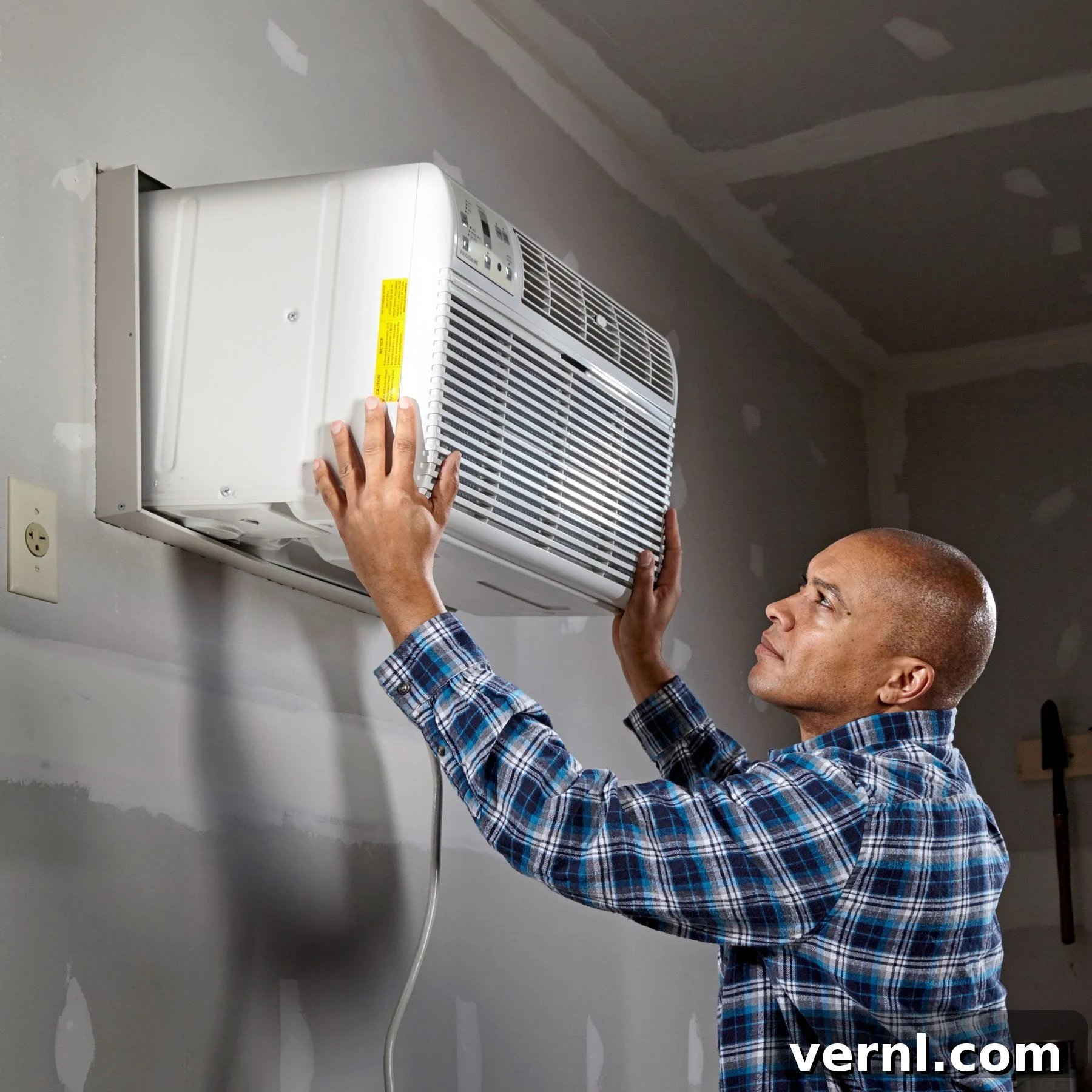
A through-the-wall air conditioner is a self-contained heating and cooling appliance designed for permanent installation directly into a building's exterior wall. Unlike their window-mounted counterparts, these units are specifically engineered to span the entire thickness of a wall, from the interior surface to the exterior. This design maximizes both efficiency and aesthetics. When properly installed within a specialized containment sleeve, these units create an airtight seal, preventing energy loss and ensuring optimal cooling performance. Once in place, they become a seamless part of your home's structure, requiring removal only for servicing or eventual replacement, eliminating the seasonal hassle associated with other temporary cooling solutions.
The primary appeal of through-the-wall units lies in their discreet profile and permanent nature. They do not obstruct window views, nor do they consume valuable floor space, making them ideal for rooms where aesthetics and space optimization are key considerations. Their robust construction and integrated design also contribute to their durability and long-term reliability as a dedicated cooling solution.
How Do Wall Air Conditioners Work?
At their core, through-the-wall air conditioners operate on the same fundamental principles as all modern refrigeration systems. They work by drawing in warm indoor air, passing it over evaporator coils filled with a cold refrigerant gas (coolant), which absorbs heat from the air. The now-cooled air is then circulated back into the room, lowering the ambient temperature. Simultaneously, the heat absorbed by the refrigerant is transferred to condenser coils, where it is expelled as warm air to the outside environment. This continuous cycle effectively removes heat and humidity from your indoor space, creating a more comfortable living or working environment.
Through-the-wall units are typically rectangular and are fitted into a precisely framed opening in an exterior wall. This opening houses a specially designed containment sleeve, often made of metal, which provides structural support and ensures the precise fit of the unit. The snug fit of both the sleeve within the wall and the air conditioner within the sleeve is crucial for creating an airtight seal. This seal is paramount for maximizing cooling efficiency, as it prevents conditioned air from leaking out and unconditioned outside air from infiltrating the room. It's this dedicated and sealed installation that often gives through-the-wall units an edge in energy efficiency compared to less secure alternatives.
Comparing Wall ACs to Other Cooling Units
To truly appreciate the benefits of through-the-wall air conditioners, it's helpful to compare them with other popular cooling options:
- Window ACs: While economical, window air conditioners are inherently temporary. They typically need to be installed at the beginning of the cooling season and removed at the end, a laborious process that can become burdensome. Furthermore, they rarely achieve a perfectly airtight seal, leading to some energy loss. Critically, they obstruct your window, blocking natural light and views, and can be an eyesore from both inside and outside the home.
- Portable Air Conditioners: These units offer flexibility but come with significant compromises. They require a hose vented through a window or wall opening, which is often inefficient and reduces their cooling power. They also consume valuable floor space, which can be a major drawback in smaller rooms, and their mobility doesn't always outweigh their operational inefficiencies and bulk.
- Ductless Mini-Split Air Conditioners: Powerful and efficient, mini-splits are an excellent whole-home solution, but they come with different considerations. They require a large external condenser unit to be installed outside, which can impact exterior aesthetics. While typically quiet indoors, the outdoor unit can produce noise. Through-the-wall units, by contrast, are known for their exceptional quietness, with many models operating at less than 50 decibels, making them ideal for bedrooms, offices, or other areas where noise reduction is a priority.
The self-contained nature of through-the-wall units, their permanent installation, and their superior sealing capabilities contribute to a quiet, efficient, and aesthetically pleasing cooling experience that stands out against many alternatives.
Types of Wall Air Conditioners
When considering a through-the-wall air conditioner, understanding the variations available will help you make an informed decision. Key differences often revolve around electrical requirements, installation flexibility, and integrated features.
120 vs. 220 Volt
The vast majority of modern through-the-wall air conditioners are designed for standard household 120-volt electrical outlets, making them easy to plug in and operate without special wiring. However, some larger, more powerful models, particularly those with higher BTU ratings or integrated heating capabilities, may require a 220-volt electrical outlet. If your chosen unit requires 220 volts and your intended installation location lacks such an outlet, you will need to budget for an electrical upgrade performed by a licensed electrician. This involves running new wiring and installing a dedicated 220-volt circuit, which can add significant cost and complexity to the installation process. Always verify the voltage requirements before purchasing, and consult an electrician if you are unsure about your home's electrical capacity.
Fixed Sleeve vs. Slide-Out Sleeve
All through-the-wall air conditioners are secured within a metal containment sleeve that is permanently installed into the wall opening. The distinction lies in how the AC unit interacts with this sleeve:
- Fixed Sleeve Units: In these designs, the air conditioner chassis is integrated directly into the sleeve, meaning the entire unit must be removed from the wall for servicing or replacement. This can be more challenging for DIYers, potentially requiring professional assistance.
- Slide-Out Sleeve Units: These units feature a separate chassis that slides into and out of the permanently installed sleeve. This design offers a significant advantage for maintenance and replacement. If your unit needs servicing or replacement, you can simply slide out the old unit and slide in a new one (provided the new unit is compatible with the existing sleeve's dimensions). This can save on labor costs and make future upgrades much simpler, as you won't need to disturb the wall structure again. Some slide-out sleeve models are also versatile enough to be installed in windows, offering additional flexibility, but always confirm this in the owner's manual.
Packaged Terminal Air Conditioner (PTAC)
Packaged Terminal Air Conditioners (PTACs) represent a more robust and feature-rich category of through-the-wall units. Typically larger and more powerful than standard through-the-wall ACs, PTACs are renowned for offering comprehensive heating capabilities in addition to cooling. This makes them an ideal solution for year-round climate control in single rooms or zones. Commonly found in hotels, motels, hospitals, and commercial buildings, PTACs are built for heavy-duty use and often include advanced features for energy management and quiet operation.
While more expensive upfront than a standard cooling-only wall unit, PTACs can offer long-term savings by providing both heating and cooling from a single appliance, eliminating the need for separate heating systems in that zone. Some PTACs come with power cords and can be plugged into appropriate outlets (often 220V), while others require professional hard-wiring into a building's electrical system, especially in commercial applications. Their durability, dual functionality, and often superior performance make them a prime choice for demanding environments.
How To Choose a Wall Air Conditioner
Selecting the best wall air conditioner requires careful consideration of several factors to ensure it meets your specific needs, budget, and space requirements. With a multitude of options available, a systematic approach will simplify your decision-making process.
- Cost: The price range for through-the-wall air conditioners is quite broad, influenced by factors like cooling capacity (BTUs), brand reputation, included features, and energy efficiency ratings. Basic, smaller units designed for supplemental cooling might start from around $400. More powerful, feature-rich models, especially those with advanced heating functions (PTACs) or smart home integration, can easily exceed $1,500. It's important to consider not just the upfront purchase price, but also potential installation costs and long-term energy consumption when evaluating the overall investment.
- Size (Cooling Capacity - BTUs): This is perhaps the most critical factor. The "size" of an air conditioner refers to its cooling capacity, measured in British Thermal Units (Btus) per hour. An undersized unit will struggle to cool the space effectively, running constantly and inefficiently, while an oversized unit will cool too quickly, leading to frequent on-off cycling, poor dehumidification, and increased wear and tear. To determine the appropriate BTU rating for a given room, consider the square footage, ceiling height, climate, amount of sunlight exposure, insulation quality, and the number of heat-generating appliances and occupants. For a precise calculation, resources like the Energy Star "Buying Guidance" chart provide excellent recommendations based on room size. A general rule of thumb suggests approximately 20 BTUs per square foot for standard residential use, but this should be adjusted for specific conditions.
- Energy Efficiency: Investing in an energy-efficient unit can lead to significant savings on electricity bills over the lifespan of the appliance. Look for units with a high Energy Efficiency Ratio (EER) or Seasonal Energy Efficiency Ratio (SEER2 for newer models). Crucially, prioritize models bearing the Energy Star label. These units are independently certified to be at least 10-15% more efficient than conventional models, reducing both your carbon footprint and operating costs. Features like variable speed compressors (inverter technology), programmable thermostats, and "eco" or "energy-saving" modes further enhance efficiency by precisely matching cooling output to demand.
- Controls and Features: Modern wall air conditioners offer a variety of features that enhance convenience and comfort. Consider which ones are important to you:
- Heating Capability: If you need year-round climate control, look for units with a heat pump function (common in PTACs) or electric resistance heating.
- Fan-Only Mode: Useful for circulating air without engaging the cooling compressor.
- Thermostat Control: Digital displays and programmable settings offer precise temperature management.
- Remote Control: For convenient operation from anywhere in the room.
- Wi-Fi Connectivity/Smart Features: Allows control via smartphone apps, voice assistants (e.g., Alexa, Google Assistant), and integration into smart home ecosystems for remote management and scheduling.
- Sleep Mode: Adjusts temperature gradually overnight for comfort and energy savings.
- Dehumidification Mode: Helps remove excess moisture from the air, making the room feel cooler without drastically lowering the temperature.
- Washable Filters: Easy to clean and maintain, promoting better air quality and efficiency.
- Sleeves: If you are replacing an existing through-the-wall unit, the compatibility of the new unit with the existing sleeve is paramount. Many manufacturers adhere to standard sleeve dimensions, but it's essential to measure your current sleeve precisely (height, width, depth) and compare these measurements against the specifications of any new unit you are considering. A perfect fit ensures optimal performance, an airtight seal, and prevents the need for costly and disruptive wall modifications. If you're undertaking a new installation, ensure the chosen unit comes with a compatible sleeve or that one can be purchased separately.
Wall Air Conditioner Installation and Maintenance
Proper installation and regular maintenance are crucial for the efficient and long-lasting performance of your through-the-wall air conditioner. Understanding what's involved can help you decide whether to tackle it yourself or hire a professional.
Installation
For a skilled DIYer, installing a through-the-wall air conditioner can be a manageable project. The process typically involves:
- Selecting the Location: Choosing an exterior wall that offers good airflow and is structurally sound.
- Measuring and Cutting: Precisely marking and cutting a rectangular opening in the interior drywall and exterior siding to accommodate the sleeve. This requires specialized tools like a reciprocating saw or jigsaw.
- Framing the Opening: Building a sturdy wooden frame around the opening to provide support and ensure a snug fit for the sleeve.
- Installing the Sleeve: Securing the metal sleeve within the framed opening, ensuring it is level and sealed properly to prevent air and moisture infiltration.
- Sliding in the Unit: Carefully inserting the air conditioner into the sleeve and connecting it to a power outlet (or hardwiring if required).
- Sealing and Finishing: Sealing any gaps around the unit with weatherstripping or caulk and repairing any disturbed drywall on the inside and siding on the outside for a clean, finished look.
While many competent DIYers can handle the physical installation, there are critical situations where professional assistance is not just wise, but essential. If your installation requires new 220-volt wiring, the expertise of a licensed electrician is non-negotiable for safety and compliance. Similarly, if you're uncertain about the structural integrity of your wall, fear cutting into water pipes or electrical conduits, or simply lack the specialized tools or confidence, hiring a professional appliance installer is highly recommended. Expect to pay anywhere from $700 to $1,500 or more for a medium-sized wall AC installation, depending on the complexity, electrical work required, and local labor rates. Professionals ensure proper sealing, electrical safety, and optimal unit performance, often backed by a warranty on their work.
Maintenance
Routine maintenance will extend the life of your wall AC unit, maintain its efficiency, and ensure optimal indoor air quality. While specific schedules vary by manufacturer, general guidelines include:
- Filter Cleaning/Replacement (Monthly/Seasonally): This is the easiest and most crucial task. Inspect and clean or replace air filters at least once a month during periods of heavy use, or as indicated by the manufacturer. Clogged filters restrict airflow, reduce efficiency, and can lead to coil freeze-up.
- Coil Cleaning (Annually): Annually, inspect the evaporator (indoor) and condenser (outdoor) coils. Over time, dust, dirt, and debris can accumulate on the fins, reducing heat transfer efficiency. Use a soft brush or a specialized coil cleaner to gently remove buildup. Be careful not to bend the delicate fins.
- Drain Pan and Drain Line (Annually): Check and clean the condensate drain pan and line to prevent mold growth and blockages, which can cause water leaks.
- Exterior Casing (Seasonally): Keep the exterior of the unit clean, especially the outdoor grille, to ensure unrestricted airflow. Remove any leaves, twigs, or other obstructions.
- Motor and Belts (Professional Check Annually): Some older models might have motors requiring annual oiling and belts that need inspection or replacement. Modern units are often sealed and don't require this, but it's good to have a professional check during annual servicing.
- Electrical Connections (Professional Check Annually): A professional can check electrical connections for tightness and wear, ensuring safe operation.
Always consult your unit's owner's manual for precise maintenance instructions and schedules. If you are uncomfortable performing any of these tasks, or if you encounter any operational issues, do not hesitate to call a qualified HVAC technician. Professional servicing can identify potential problems early, prevent costly repairs, and ensure your unit operates at peak efficiency.
Why Choose a Wall Air Conditioner for Your Home?
Choosing a through-the-wall air conditioner offers a compelling combination of benefits that make it an attractive option for many homeowners and businesses, often surpassing other cooling solutions in specific scenarios.
- Superior Efficiency: These units are specifically engineered for permanent installation, designed to form an exceptionally airtight seal when correctly placed within their sleeve. This minimizes air leakage, ensuring that conditioned air stays inside and unconditioned air remains outside, maximizing cooling efficiency and reducing energy waste.
- Permanent and Hassle-Free Installation: Unlike temporary window AC units that demand seasonal installation and removal, wall AC units are installed once and remain in place. This eliminates the annual chore of lifting heavy units, storing them, and dealing with potential damage during these transitions, offering true set-and-forget convenience.
- Unobstructed Views and Increased Space: A significant advantage of wall units is that they do not occupy window space. This preserves your natural light, maintains your views, and allows for full use of your windows. Furthermore, unlike portable air conditioners, they don't consume valuable floor space, leaving your living areas free and uncluttered.
- Quiet Operation: Through-the-wall air conditioners are often engineered with noise reduction in mind, making them considerably quieter than many other types of air conditioners, including some ductless mini-split units, especially their outdoor components. This quiet performance makes them ideal for bedrooms, studies, or any area where peace and quiet are highly valued.
- Enhanced Versatility (Some Models): While primarily designed for wall installation, some models with slide-out sleeves are also adaptable for window installation, providing greater flexibility if your needs change or if you wish to temporarily use them in another location.
- No External Condenser Needed: Unlike ductless mini-split systems, through-the-wall units are self-contained. They do not require a separate, large external condenser unit to be placed outside your home. This eliminates a potential eyesore in your yard or on your exterior wall and simplifies the overall installation process, especially in properties with limited outdoor space or strict aesthetic requirements.
- Robust and Durable Construction: Designed for permanent integration into a building's structure, through-the-wall units are typically built with robust materials and components, ensuring a long operational lifespan with proper maintenance.
Ultimately, the right choice for your cooling needs will always depend on a careful evaluation of your specific requirements, the layout and aesthetics of your space, your budget, and personal preferences for comfort and convenience. However, for those seeking a discreet, efficient, and permanent cooling solution for individual rooms or zones, through-the-wall air conditioners present a highly compelling and often superior option.