
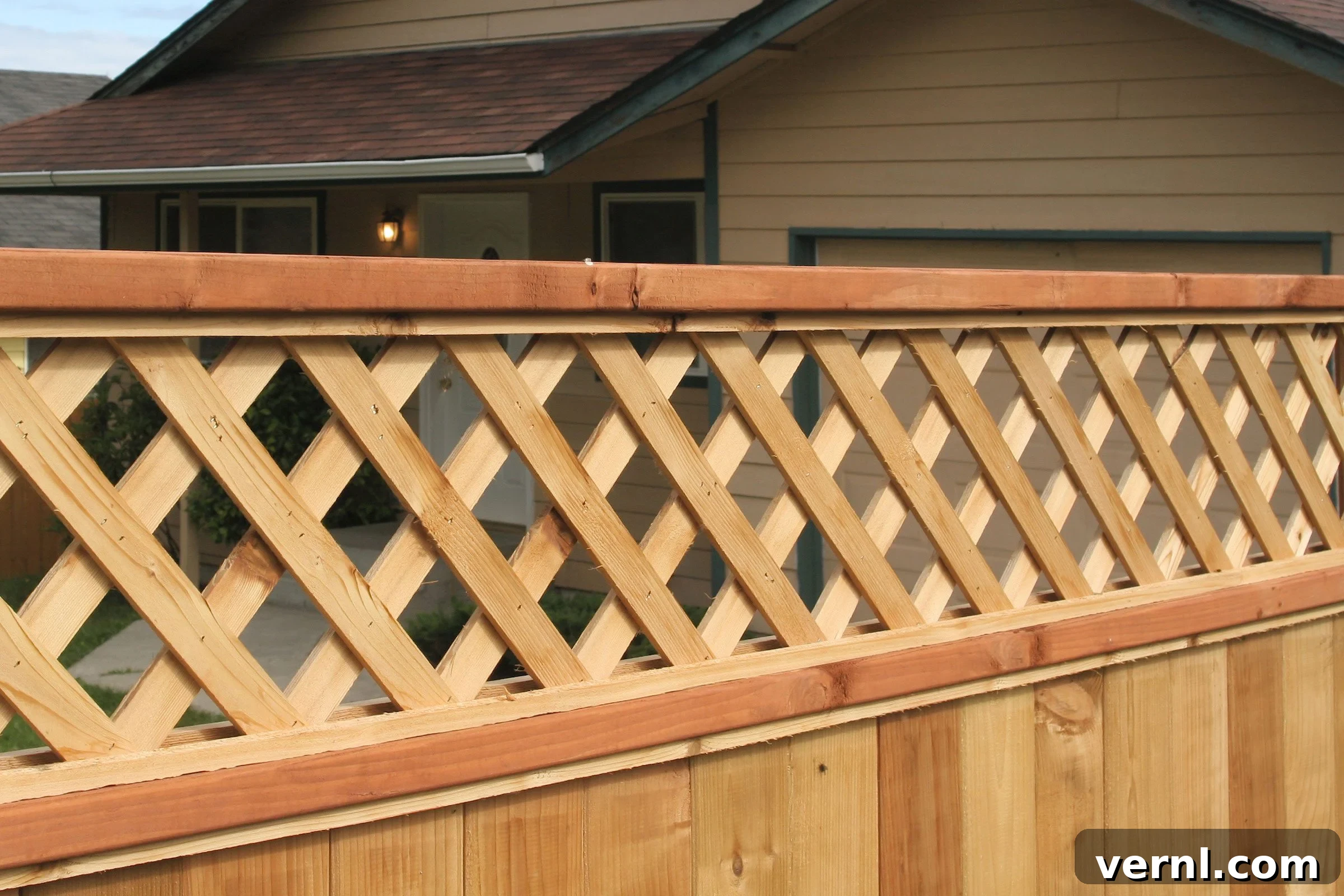
Elevate Your Outdoor Space: The Ultimate Guide to Fence Toppers
Are you looking for an innovative and cost-effective way to transform your backyard? Perhaps your neighbor’s yard lacks the pristine appeal you desire, or the scorching afternoon sun turns your patio into an unbearable greenhouse. Maybe you simply wish to spruce up your outdoor living space, but a significant investment in new fencing is out of the question. The perfect solution awaits: fence toppers, also known as fence extensions.
If you’re unfamiliar with fence toppers, or curious about their functionality, cost-effectiveness, and the feasibility of a DIY installation, you’ve come to the right place. This comprehensive guide will answer all your questions, helping you unlock the full potential of your property’s perimeter.
What Exactly Are Fence Toppers?
Fence toppers are structural additions designed to be securely attached to the top of an existing fence, thereby increasing its overall height. Often referred to as fence extensions, these versatile enhancements serve a dual purpose: they can be purely decorative, adding visual appeal to your property, or highly functional, significantly increasing privacy by adding solid panels that elevate the fence height. Depending on your aesthetic goals, fence toppers can seamlessly match the material and design of your current fence, or they can introduce an intriguing contrast through different materials, patterns, and styles, creating a unique focal point in your yard.
Are Fence Toppers Legal? Understanding Local Regulations
Before embarking on any fence modification project, it’s crucial to understand the legal landscape. While most municipalities and counties generally permit the addition of fence toppers and do not require additional permitting for minor height increases, local ordinances can vary significantly. Some areas may have specific restrictions on maximum fence heights, material types, or even design aesthetics, particularly in neighborhoods governed by a homeowners association (HOA). It’s always advisable to consult your local zoning department or HOA bylaws prior to purchasing or installing any fence extensions to ensure compliance and avoid potential issues.
The Compelling Benefits of Adding Fence Toppers
Homeowners opt for fence toppers for a multitude of reasons, blending practicality with aesthetic enhancement. Here are some of the primary advantages:
-
Increased Privacy for Your Sanctuary
One of the most common motivations for installing fence toppers is to enhance privacy. An existing privacy fence, typically six feet tall, can often still allow views over the top from your neighbors’ property or vice versa. By adding a fence topper, usually one to two feet, you can extend this barrier to seven or even eight feet. This seemingly small addition makes a dramatic difference, effectively blocking unwanted sightlines and creating a more secluded and intimate backyard retreat. Imagine enjoying your patio, pool, or outdoor dining area without feeling constantly observed; a fence topper makes this possible.
-
Enhanced Pet Safety and Containment
For pet owners, keeping furry friends safely within the confines of their yard is paramount. Many athletic dogs can easily clear a four- or five-foot fence, and agile cats are renowned for their jumping and climbing abilities. Dog fences and cat fences are crucial for their security. Extending your fence by an additional foot or more can be precisely what’s needed to deter adventurous pets from escaping your yard, while simultaneously preventing curious neighborhood animals from entering yours. This simple upgrade provides peace of mind for both you and your beloved companions.
-
Creating More Shade and Comfort
Is there a favorite sitting area in your backyard that becomes unusable when the afternoon sun beats down mercilessly? Fence toppers offer an ingenious solution. By adding an extension to even a small section of your fence, particularly on the western or southern exposure, you can effectively block the harsh sun. This strategic shading can significantly extend your enjoyment of a patio, deck, or backyard entertainment zone, making it a comfortable haven even during the warmest parts of the day. It’s a natural and permanent way to add relief from intense sunlight.
-
Boosting Aesthetics and Visual Interest
Beyond their practical benefits, fence toppers are powerful tools for aesthetic enhancement. Available in a vast array of designs, patterns, and materials, they can profoundly impact your yard’s visual appeal. You can create striking contrast by selecting a topper that differs in style or material from your existing fence, or opt for a harmonious blend. Even a simple trellis fence topper can add significant visual interest, serving as a charming focal point for climbing plants, a cozy sitting area, or other decorative elements that elevate your landscaping.
-
A Cost-Effective Alternative to a New Fence
Sometimes, your existing fence is structurally sound and perfectly functional, but you’re simply craving a fresh look or need additional height. In such cases, investing in a completely new fence can be an unnecessary and expensive endeavor. Fence toppers offer a far more economical solution. They allow you to dramatically change the look of your fence, enhance its functionality, and boost the overall beauty and value of your backyard without the substantial cost, labor, and disruption associated with a full fence replacement.
-
Potential for Noise Reduction
While not their primary function, taller fences can offer a modest degree of noise reduction. By adding height with a solid fence topper, you can slightly dampen ambient neighborhood sounds, contributing to a more tranquil outdoor environment, especially if you live near a busy street or active neighbors. This subtle benefit further enhances the peaceful enjoyment of your private space.
-
Increasing Property Value and Curb Appeal
A well-maintained and aesthetically pleasing backyard with enhanced privacy and security can significantly increase your home’s curb appeal and overall property value. Fence toppers contribute to a polished look and offer tangible benefits that are attractive to potential buyers, making your home stand out in the market.
Exploring Diverse Types of Fence Toppers
The versatility of fence toppers means they can be crafted from nearly any material suitable for fencing, offering a wide spectrum of choices to match your needs and style. From readily available materials at home improvement stores for DIY projects to elaborate custom-made additions installed by professionals, the options are plentiful. Here’s a closer look at some popular fence topper selections:
Wood Lattice Fence Toppers
Wood lattice stands as one of the simplest and most cost-effective fence topper solutions. It’s readily available, relatively inexpensive, and can easily add at least two feet to your existing fence’s height. Wood lattice comes in various styles, from wide, open weaves to more tightly woven patterns. The tighter the lattice weave, the greater the degree of privacy it affords. For optimal longevity and durability, especially when exposed to the elements, it’s highly recommended to frame the lattice panels prior to installation and apply a sealant or paint for protection.
Vinyl Lattice Fence Toppers
For a combination of decorative appeal and exceptional durability, vinyl lattice is an excellent choice. Available in multiple colors and styles, vinyl lattice adds a significant level of privacy while requiring minimal maintenance. It seamlessly complements an existing vinyl fence, but can also be effectively attached to wooden, brick, or concrete block fences to create an interesting visual contrast. Most vinyl lattice types are designed for straightforward installation, typically fastening to the existing fence structure with screws and appropriate anchors.
Charming Picket Fencing Extensions
Don’t underestimate the charm and practicality of a low picket fence as a fence topper option. Picket fencing is generally inexpensive, boasts a timeless appeal, is easy to work with, and can be found in both wood and vinyl materials. Given that most picket fencing typically stands around three feet tall, it is ideally suited as a topper for lower fences, adding character without overwhelming the existing structure. It offers a semi-private solution while maintaining an open, inviting feel.
Durable Wood-Poly Panel Toppers
For those seeking robust privacy and a modern aesthetic, heavy-duty wood-poly panels are an outstanding option. These panels offer a sophisticated look, come in several appealing colors, and provide more than a foot of solid additional privacy. Their composite nature ensures enhanced durability and resistance to weathering, making them a long-lasting investment that requires minimal upkeep.
Elegant Wrought Iron Fence Toppers
To infuse an element of classic elegance and intricate design, wrought iron fence toppers are unparalleled. Mounted atop a wood, stone, or concrete block fence, these toppers add a sophisticated and decorative touch. They are available in a multitude of creative designs, from simple geometric patterns to elaborate scrollwork. While exceptionally beautiful, it’s important to note that wrought iron toppers are primarily intended for aesthetic enhancement and typically do not significantly increase privacy due to their open designs.
Integrated Component Fence Toppers
Some contemporary fencing systems offer proprietary privacy extenders specifically designed to integrate seamlessly with their products. For instance, the Veranda Euro Fence line offers an attractive aluminum option for fence toppers, along with a complementary vinyl option. These component systems are engineered for perfect fit and finish, ensuring structural integrity and a cohesive look with your existing fence.
Specialized Pet Fencing Toppers
When the primary goal is to securely contain an energetic dog or cat, specialized chain-link or poly-mesh fence toppers are often the most effective solution. These practical extensions are designed to attach to almost any existing fence type, providing a flexible and robust barrier to prevent pets from jumping or climbing over. Their robust construction and secure attachment mechanisms ensure your pets stay safely within their designated area.
Decorative Balusters as Toppers
For a unique and customizable aesthetic, consider topping your fence with easy-to-install decorative balusters. These individual uprights allow for creative arrangements and can be complemented with additional wood elements to match or intentionally contrast with your existing fence. Balusters offer an open, elegant look while adding height and architectural detail.
Understanding Fence Topper Costs
The total cost of adding fence toppers can vary widely, influenced primarily by the materials chosen, the linear footage required, and whether you opt for professional installation or tackle it as a DIY project. Here’s a breakdown of common costs:
Wood Lattice Panels: The Budget-Friendly Choice
Wood lattice panels are typically the most economical option, often priced around $15 per eight-foot section. For a medium-sized fenced yard of approximately 300 linear feet, the material cost would be roughly $560. Keep in mind that these panels will require sealing or painting for enhanced durability and should ideally be framed before installation to prolong their lifespan. While simple, wood lattice provides a practical and aesthetically pleasing solution for smaller sections or homeowners committed to a DIY approach.
Vinyl Lattice Fence Toppers: Durable and Mid-Range
Vinyl lattice fence toppers generally sell for around $260 for a 24-foot section. To extend 300 feet of existing fencing, you would need approximately 13 sections, bringing the material cost to nearly $3,400. To put this into perspective, replacing 300 feet of basic six-foot-tall vinyl fencing might cost around $3,750 (both prices for materials only). This comparison highlights that adding a durable vinyl fence topper can indeed be a more economical solution than installing an entirely new fence, offering significant savings without compromising on quality or privacy.
Premium Wood-Poly Panels: High Durability, Higher Investment
As a general rule, the more durable and specialized the material, the higher the initial cost. These high-quality decorative wood-poly panels, for example, can cost around $146 for a 12-linear-foot section. For a 300-foot fence, the material cost for these premium toppers would exceed $4,000. While a larger upfront investment, these panels are an attractive, long-lasting option, particularly ideal if you only require enhanced privacy and aesthetics in a specific section of your backyard, making them a worthwhile choice for targeted upgrades.
Professional Installation Costs
If you choose not to undertake the installation yourself, you’ll need to factor in labor costs from a fencing contractor or handyman. These costs will vary considerably based on the complexity of the job, the type of materials being installed, the current condition of your existing fence, and your geographic location. Always obtain multiple quotes to ensure competitive pricing and choose a reputable professional.
Essential Fence Topper Tips and Considerations
Before you rush out to purchase fence toppers to finally obscure your neighbor’s unsightly backyard or gain that much-needed privacy, it’s wise to consider a few critical points:
Strict Zoning Restrictions and HOA Rules
As previously mentioned, your community may impose specific limitations on fence height, the types of materials allowed, or even specific aesthetic guidelines. This is particularly prevalent in neighborhoods managed by a homeowners association (HOA). Failing to comply can result in fines or even mandates to remove your new fence topper. Therefore, a thorough check with your local city planning department or HOA is an indispensable first step before any purchase or installation.
Evaluating Installation Costs vs. DIY Commitment
If you prefer not to install fence toppers yourself, hiring a fencing contractor or a skilled handyman will add to your overall project cost. Obtain several detailed quotes to understand the labor component, which will fluctuate based on the materials’ complexity, the scope of the work, and regional labor rates. Conversely, if you decide to tackle the project yourself, be prepared for the DIY commitment. This includes acquiring the right type and quantity of hardware, ensuring you have the necessary tools on hand (e.g., drills, saws, levels, safety gear), and dedicating sufficient time. For larger projects, anticipate needing a few weekends and potentially the assistance of a friend or two for safe and efficient installation.
Material Compatibility with Existing Fencing
It’s crucial to ensure that the chosen fence topper material is compatible with your existing fence. While some toppers can be installed on various fence types, others might be specifically designed for wood, vinyl, or metal fences. Compatibility affects not only the aesthetics but also the structural integrity and ease of attachment. Consider factors like weight, attachment methods, and how different materials will weather together over time.
Long-Term Maintenance Requirements
Different materials require varying levels of maintenance. Wood toppers will need regular sealing, painting, or staining to prevent rot, insect damage, and weathering. Vinyl and composite toppers are generally low-maintenance, requiring only occasional cleaning. Wrought iron may need periodic rust treatment or repainting. Factor these ongoing care requirements into your decision to ensure your fence topper remains attractive and functional for years to come.
Durability and Weather Resistance
Consider your local climate and how different fence topper materials will withstand the elements. Extreme heat, heavy rain, strong winds, or snow can impact the longevity and appearance of your toppers. Choosing a material known for its weather resistance in your region will prevent premature deterioration and costly repairs.
Maintaining Good Neighbor Relations
While fence toppers are a great way to enhance your property, it’s always a good idea to discuss your plans with your neighbors, especially if the topper will significantly impact their view, light, or property aesthetics. Open communication can help prevent misunderstandings and maintain positive neighborly relations, ensuring your home improvement project is a positive experience for everyone involved.
Ultimately, fence toppers offer a smart, versatile, and often more economical alternative to a full fence replacement. By carefully considering your needs, budget, local regulations, and aesthetic preferences, you can select the perfect fence extension to create the private, secure, and beautiful outdoor living space you’ve always dreamed of.