The Evolving Retail Landscape: Why So Many Stores Are Closing in 2024 and What’s Next
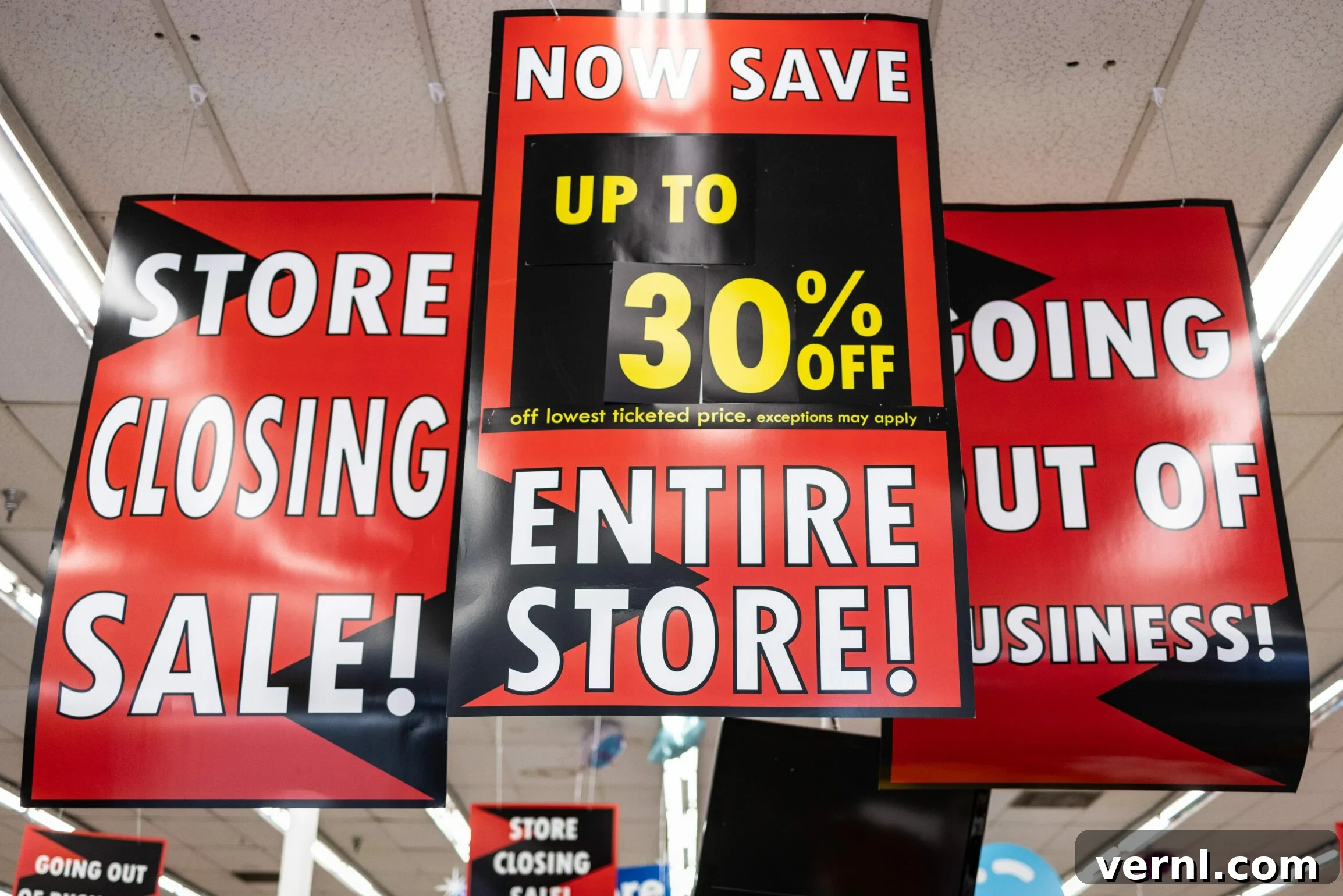
Observing a wave of retail locations shutting down in your local area lately isn’t just a coincidence; it’s a reflection of a significant shift within the industry. The year 2024 has presented formidable challenges for many prominent brands, leading to widespread closures that are reshaping the physical retail landscape. From long-standing pharmacy chains to iconic discount department stores and specialized home improvement retailers, the impact has been broad and undeniable.
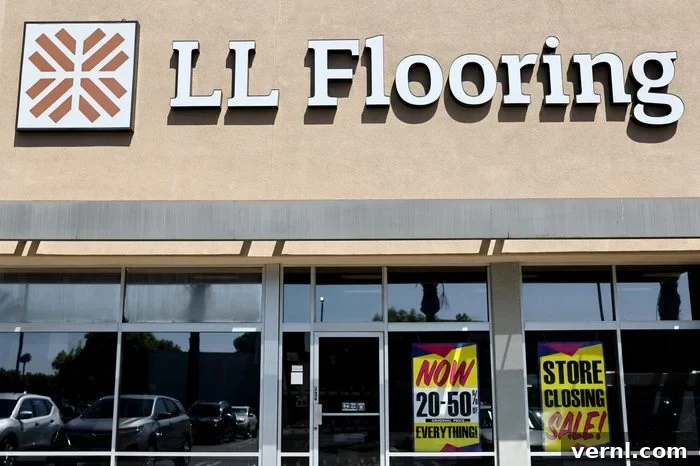
Just recently, Walgreens announced its strategic decision to close 1,200 stores over the next three years. This move underscores a broader trend of large-scale restructuring in response to evolving market dynamics and competitive pressures. Similarly, a poignant moment in retail history occurred when the last full-sized K-Mart in the U.S. closed its doors, marking the end of an era for a brand that once dominated the discount retail sector. For dedicated DIY enthusiasts and home renovators, the news from LL Flooring (formerly known as Lumber Liquidators) was particularly striking. The company recently declared bankruptcy, revealing initial plans to shutter all of its physical locations nationwide.
These examples are not isolated incidents. Collectively, more than 2,000 retail locations across the country are projected to cease operations by the close of the year. This substantial figure begs the question: What specific factors have made 2024 such a challenging year for a diverse range of retailers, and should we anticipate this downward trend to persist? To gain a clearer understanding, we’ll delve into a specific case study, examining the recent struggles and subsequent developments concerning LL Flooring, and then broaden our scope to analyze the underlying causes impacting the entire retail sector.
The Dramatic Turnaround Attempt at LL Flooring (Formerly Lumber Liquidators)
The saga of LL Flooring serves as a compelling illustration of the intense pressures facing contemporary retailers. In early September, the company found itself in dire financial straits, ultimately leading to a bankruptcy filing. This declaration came with the stark announcement that all 400 of its retail stores across the United States would be closing. The fundamental issue behind this crisis was straightforward: LL Flooring lacked sufficient liquidity to sustain its operations, reaching a critical juncture where the permanent closure of all its physical locations seemed inevitable.
However, just as the future appeared bleak, a remarkable intervention occurred in the form of an “angel investor.” Only a few days after the bankruptcy news became public, the company’s founder, Tom Sullivan, re-emerged to play a pivotal role. Through his private equity firm, F9 Investments, Sullivan made a decisive move, purchasing 219 of the LL Flooring locations that were slated for closure. This strategic acquisition provided a glimmer of hope and a new direction for a significant portion of the struggling business.
Sullivan’s vision for the revitalized enterprise is rooted in a “back to basics” philosophy. He has committed to streamlining operations, refocusing on core product offerings, and re-establishing the foundational principles that guided the company in its early success. Reinforcing this commitment to its origins, Sullivan also announced that the company would revert to its original, well-recognized name: Lumber Liquidators. This rebranding effort is more than just a name change; it symbolizes a strategic pivot intended to recapture brand identity and consumer trust.
Despite this significant investment and renewed strategic direction, the impact of the initial crisis remains substantial. Even with Sullivan’s intervention, a considerable number – 211 LL Flooring locations – are still scheduled to close their doors permanently by the end of the year. This mixed outcome highlights the complex realities of corporate restructuring and the challenges of navigating a highly competitive and economically sensitive market.
Understanding the Broader Economic Headwinds Hitting Retail
While the specific circumstances of each retailer can vary, common threads connect the struggles of diverse businesses across the sector. Pinpointing a single cause for the widespread difficulties faced by so many varied businesses and product lines is challenging, but a primary culprit impacting virtually every brand is inflation. Its pervasive influence on consumer behavior and operational costs cannot be overstated.
Inflation’s Grip on Consumer Wallets
“Inflation is really having an impact,” observed Charisse Jones, business editor for USA Today, in an interview with CBS Morning Plus. She elaborated on the direct consequences for consumer spending: “People are shopping, they’re spending their money, but they’re often going for the essentials. And when they do want the extras, they’re going where they can get the best deal or where they can have the most fun experience. All of those factors are contributing to some retailers doing really well and some really struggling.”
This insight underscores how rising prices for everyday necessities like food, fuel, and housing are eroding household budgets. With less discretionary income available, consumers are naturally becoming more selective and cautious with their spending on non-essential items. They are actively seeking value, hunting for promotions, and prioritizing purchases that offer the most bang for their buck. This shift in purchasing behavior directly affects retailers selling goods perceived as “extras” or luxury items, forcing them to compete aggressively on price and value proposition. The emphasis on “fun experiences” also points to a trend where consumers are allocating their leisure spending towards experiences rather than physical goods, further impacting traditional retail.
Shifting Consumer Behaviors and the Digital Revolution
Beyond inflation, the ongoing evolution of consumer habits continues to reshape the retail landscape. The digital revolution has profoundly influenced how, when, and where people shop. The convenience of e-commerce, coupled with the ability to easily compare prices across multiple vendors, has set new expectations for speed, selection, and value. Physical stores must now offer something more than just products on a shelf; they need to provide unique experiences, personalized service, and a seamless integration with online channels (an omnichannel approach).
Furthermore, there’s a growing consumer preference for authenticity, sustainability, and brands that align with their values. Retailers who fail to adapt to these evolving demands risk losing market share to agile competitors who embrace digital innovation and resonate with modern consumer aspirations. The desire for personalized shopping experiences, whether through curated product selections or interactive in-store technology, is also a significant driver of change.
Rising Operational Costs and Intense Competition
In addition to inflation impacting consumers, retailers themselves are facing escalating operational costs. Rising labor wages, increased supply chain expenses, and growing rental costs for prime retail spaces are squeezing profit margins. These pressures are further compounded by intense competition from online giants like Amazon, discount retailers that can operate with lower overheads, and even direct-to-consumer brands that bypass traditional retail channels entirely. The cumulative effect of these factors creates a challenging environment where only the most adaptable and strategically sound businesses can thrive.
Is This the “Retail Apocalypse” Revisited? Analyzing 2024’s Closures and the Road Ahead
Given the significant number of store closures in 2024, it’s natural to wonder if the industry is witnessing a return to the “retail apocalypse” narrative that characterized the late 2010s. During that period, a dramatic exodus of brick-and-mortar stores left countless vacant storefronts and fueled widespread concern about the future of physical retail. However, industry experts suggest that while the current situation is undoubtedly challenging, it may not be a simple rerun of past crises.
Brandon Svec, national director of U.S. retail analytics for CoStar Group, offers a more nuanced perspective, advising against immediate panic. “It’s not, in my opinion, a resumption of the retail apocalypse that we saw in 2018, 2019, 2020 where we were seeing so many stores closed,” Svec told CoStar News. He emphasizes a key distinction: the current closures, while substantial, are often more targeted and strategic, reflecting a natural evolution and rightsizing of portfolios rather than a complete collapse of the physical retail model.
Svec points to a crucial indicator that differentiates the current environment: “There are still a substantial amount of tenants from a broad range of sectors looking for space. And the longer-term imbalance between the space needed in retail and the space that we have, I don’t think has shifted.” This suggests that while some sectors are contracting, others are expanding or adapting, indicating a dynamic rather than dying market. For instance, experiential retail, health and wellness services, and certain specialized discount models continue to seek and secure physical locations, showcasing the ongoing demand for in-person consumer engagement.
The “retail apocalypse” of years past was often driven by a fundamental shift towards e-commerce and a saturation of undifferentiated retail offerings. While e-commerce continues its growth trajectory, the physical retail sector has learned to adapt. Modern brick-and-mortar stores are evolving to become more than just transaction points; they are experiential hubs, brand showcases, and crucial components of an integrated omnichannel strategy. Retailers are investing in technology, personalized customer service, and unique in-store events to draw consumers back through their doors.
The Path Forward for Retailers: Resilience and Innovation
The challenges of 2024 are undoubtedly significant, but they also serve as a catalyst for innovation and strategic adaptation within the retail industry. Surviving and thriving in this dynamic environment requires more than just cost-cutting; it demands a forward-thinking approach that prioritizes customer needs and embraces technological advancements.
Embracing Omnichannel Strategies
For many retailers, the future lies in a truly integrated omnichannel approach. This means seamlessly blending online and offline shopping experiences, allowing customers to browse online, pick up in-store (BOPIS), return items easily, and receive consistent service across all touchpoints. Physical stores, rather than being obsolete, become vital components of this ecosystem, serving as fulfillment centers, showrooms, and personalized service hubs.
Focusing on Experiential Retail
To differentiate themselves from purely online competitors, physical stores are increasingly focusing on creating memorable experiences. This could involve interactive displays, workshops, in-store events, or spaces designed for community gathering. The goal is to offer something that cannot be replicated online, transforming a shopping trip into an engaging and enjoyable outing.
Data-Driven Decision Making
Leveraging data analytics is becoming indispensable. Retailers can use consumer data to understand purchasing patterns, personalize marketing efforts, optimize inventory, and even influence store layouts. This data-driven approach allows for more informed decisions that cater directly to customer preferences and market demands, minimizing waste and maximizing efficiency.
Sustainability and Ethical Sourcing
A growing segment of consumers, particularly younger demographics, are prioritizing sustainability and ethical practices. Retailers who transparently demonstrate their commitment to environmentally friendly operations, fair labor practices, and responsibly sourced products can build stronger brand loyalty and attract a conscientious customer base. This shift is not just about compliance but about genuinely aligning with evolving societal values.
Conclusion: Navigating a Dynamic Retail Landscape
The recent wave of retail store closures in 2024, exemplified by major brands like Walgreens, the final K-Mart, and the dramatic restructuring of LL Flooring, paints a picture of an industry undergoing profound transformation. While inflation and evolving consumer behaviors are undeniably exerting immense pressure, leading to strategic closures and financial distress, the narrative is more complex than a simple “retail apocalypse” rerun.
Experts like Brandon Svec suggest that the current climate is one of adaptation and recalibration, with continued demand for physical retail space from various sectors. The resilience of the industry lies in its capacity for innovation – from embracing omnichannel strategies and delivering compelling in-store experiences to leveraging data and prioritizing sustainability. The retailers that will thrive in this dynamic landscape are those willing to redefine their purpose, adapt to shifting consumer expectations, and integrate their physical and digital presences seamlessly.
The closures are not merely an end but often a painful, yet necessary, step in the evolutionary process of retail. They pave the way for new models, innovative concepts, and a more streamlined, customer-centric industry poised for future growth and continued relevance, albeit in a transformed form.
Sources:
- CoStar.com, “US Store Closings Outstrip Openings in Break From Past Two Years” 2024
- CBS Morning Plus, “Why Major Retailers Are Closing Stores” 2024
- USA Today, “LL Flooring, formerly Lumber Liquidators, closing all 400-plus stores amid bankruptcy” 2024
- USA Today, “LL Flooring changing name back to Lumber Liquidators, selling 219 stores to new owner” 2024
- Al.com, “Retail closures in 2024: Walgreens, CVS, Walmart, Big Lots, Rite Aid and more” 2024