
Understanding Your Tires: The Meaning Behind the Markings and Colored Lines
When you look at a new tire, your eyes might be drawn to the clean tread, the shiny rubber, or perhaps the subtle yet distinct colored lines painted on the surface. While these lines might spark curiosity, suggesting a hidden code or special feature, their purpose is often misunderstood by the average driver. Beyond these temporary markings, tires are a treasure trove of critical information, vital for ensuring vehicle safety, optimal performance, and proper maintenance.
From intricate alphanumeric codes molded into the sidewall to mandated identification numbers, every detail on a tire serves a specific function. These standardized or legally required markings provide crucial insights into the tire’s type, size, load index, speed rating, treadwear, traction, and temperature resistance. For instance, the U.S. Department of Transportation (DOT) mandates the inclusion of the manufacturer’s plant code, date of manufacture, and a unique tire identification number. This information is indispensable for tracking tires for warranty purposes and facilitating swift recalls if safety issues arise.
Furthermore, some tires feature distinct red or yellow dots, which are not merely decorative but serve as crucial guides for service technicians. These subtle yet important marks assist in correctly installing and balancing new tires, ensuring smooth operation and extending tire lifespan. In the following sections, we’ll delve deeper into the fascinating world of tire markings, clarifying the true purpose of those colored lines and demystifying the essential information that keeps you safe on the road.
Deciphering the Colored Lines on New Tires
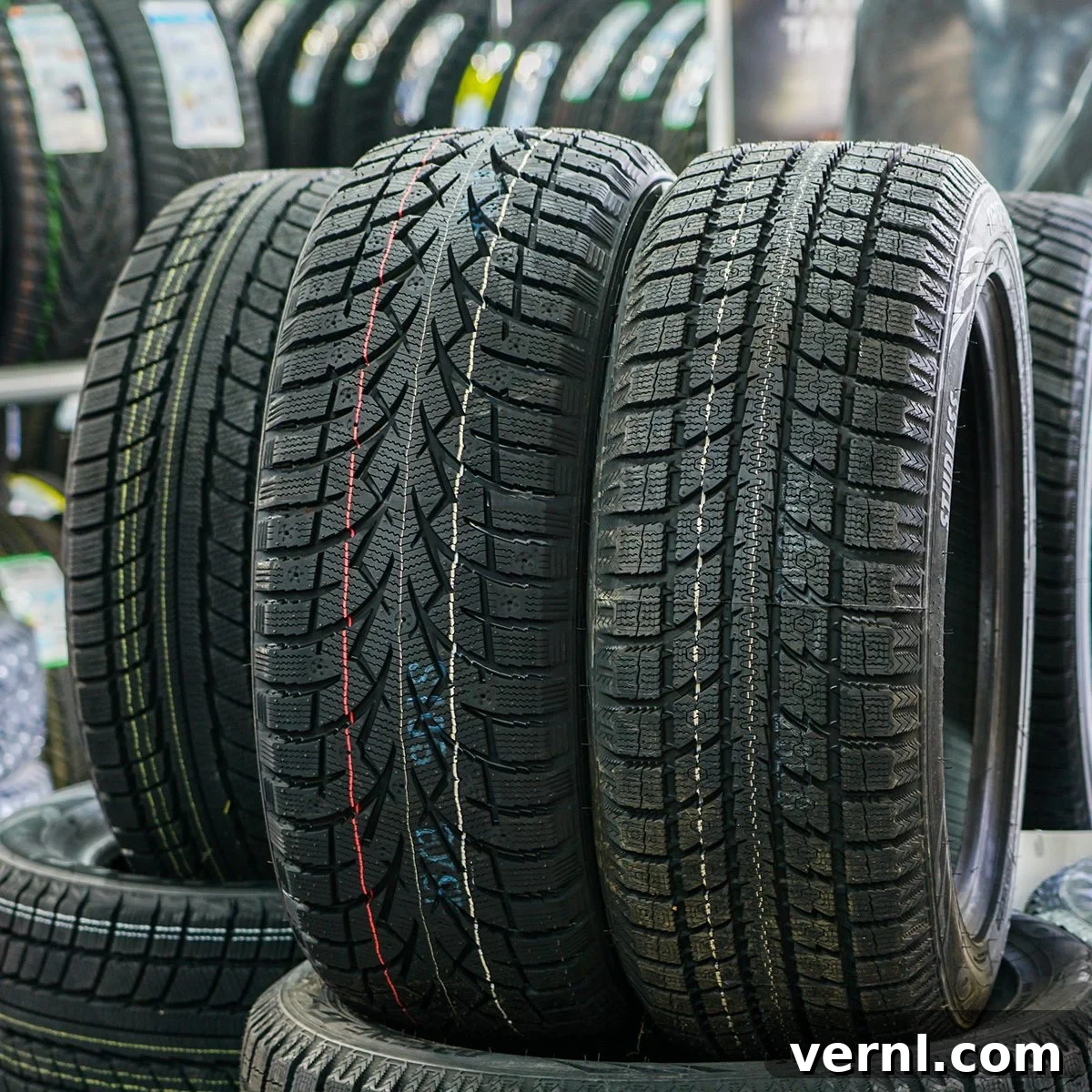
Often perceived as a mystery or even a cosmetic enhancement, the colored lines on new tires are far from a decorative element. Instead, they function as temporary, internal identifiers within the intricate tire manufacturing process. These painted lines act much like a barcode, allowing manufacturers to quickly and efficiently distinguish between various tire types, sizes, or specific production batches during fabrication. Picture a busy assembly line: these color-coded stripes enable real-time tracking and identification, streamlining operations from the moment the raw rubber enters the plant to the final curing stages.
The implementation of these color line bar codes significantly enhances inventory control and warehouse management. By providing a quick visual reference, manufacturers can minimize errors in sorting and storage, thereby reducing overall handling costs and improving logistical efficiency. While these markings are not directly related to a tire’s safety performance once installed on a vehicle, they play an indirect but critical role in ensuring tire integrity and quality control during production. They help guarantee that specific manufacturing details – such as the correct rubber compound, tread pattern, and design specifications – are precisely matched to the right tire carcass. This meticulous attention to detail at every stage of production is paramount for eliminating potential component mismatches, which could otherwise lead to premature tire failure and compromise driving safety and comfort.
Unraveling the Meaning Behind Each Color
One of the most common misconceptions about these colored lines is that they adhere to a universal standard, with each color signifying a specific, consistent attribute across all tire brands. However, this is not the case. There is no industry-wide standardization for these colored stripes; instead, each tire manufacturer develops and utilizes its own proprietary color coding system. This means that a red stripe on a tire produced by one company might indicate a particular tread compound formulated for specific weather conditions, while a red stripe from a different manufacturer could represent an entirely different characteristic, such as a specific tire category (e.g., performance vs. all-season) or a unique tire size designation.
Furthermore, the color coding systems used by manufacturers are not static. They can frequently change depending on various operational factors, such as the specific assembly plant location where the tire was produced or for a particular production run that might involve specialized materials or processes. This internal flexibility allows manufacturers to tailor their tracking methods to their unique production workflows and quality control requirements. For consumers, this lack of standardization means that attempting to interpret these colors for personal tire selection or maintenance is futile. Their significance remains strictly within the factory walls, serving as an essential communication tool for production personnel rather than a consumer guide.
How Long Will the Colored Lines Remain on Your Tires?
Drivers often wonder how long these distinctive colored lines will persist on their new tires. The good news is that they are designed to be temporary and will naturally fade away relatively quickly. Since these colored lines are merely painted onto the rubber’s surface and are not deeply embedded into the tire’s structure, they typically wear off within the first few hundred miles of normal driving. This rapid disappearance is a normal part of the tire break-in process and is not an indication of any defect or quality issue.
If you’re eager to remove them sooner for aesthetic reasons, you can opt to wash the tires thoroughly. A good scrub during a car wash will often accelerate their removal. It’s important to reiterate that these colored lines are purely cosmetic from an end-user perspective and have no impact whatsoever on tire performance, safety, or longevity. Their transient nature is similar to that of the little “hairs” or “vent spews” often found on new tires. These “hairs” are simply excess rubber that gets pushed into small vent holes in the tire mold during the manufacturing process and also wear off quickly, serving as a subtle indicator that a tire is truly brand new and has never been driven on.
Beyond the Lines: Essential Tire Sidewall Information
While the colored lines are for manufacturers, the alphanumeric codes and other markings on your tire’s sidewall are critical for consumers. Understanding these permanent markings is fundamental for vehicle safety, performance, and maintenance.
Alphanumeric Codes: Your Tire’s DNA
The most prominent set of numbers and letters on your tire, often starting with a letter like ‘P’ or ‘LT’, provides a wealth of information:
- Tire Type: ‘P’ for Passenger car, ‘LT’ for Light Truck, ‘ST’ for Special Trailer, or ‘T’ for Temporary (spare).
- Tire Width: The first three-digit number (e.g., 205) indicates the tire’s width in millimeters, from sidewall to sidewall.
- Aspect Ratio: The two-digit number after the slash (e.g., 55) represents the height of the tire’s sidewall as a percentage of its width. A lower number means a shorter sidewall, often found on performance tires.
- Construction Type: ‘R’ for Radial (the most common), ‘D’ for Diagonal/Bias-Ply, or ‘B’ for Belted Bias.
- Rim Diameter: The two-digit number (e.g., 16) indicates the diameter of the wheel rim in inches that the tire is designed to fit.
- Load Index: A two or three-digit number (e.g., 91) corresponds to the maximum load capacity the tire can carry. You can find conversion charts online or in your vehicle manual.
- Speed Rating: A letter (e.g., H, V, Z) indicates the maximum speed at which the tire is certified to carry a load safely. For instance, ‘H’ is for speeds up to 130 mph (210 km/h).
DOT Code: Tracing Your Tire’s Origin and Age
The “DOT” marking is followed by a series of codes required by the U.S. Department of Transportation:
- Manufacturer’s Plant Code: Two letters or numbers identifying the factory where the tire was made.
- Tire Size Code: A two-digit code used by the manufacturer.
- Manufacturer’s Optional Codes: Up to four characters used by the manufacturer for specific tire characteristics.
- Date of Manufacture: A four-digit number representing the week and year the tire was produced (e.g., “3523” means the 35th week of 2023). This is crucial for understanding tire age, as tires degrade over time regardless of mileage.
UTQG (Uniform Tire Quality Grading)
These ratings provide a comparative guide, but they are developed by tire manufacturers based on government tests:
- Treadwear: A comparative numerical rating (e.g., 400). A higher number indicates longer-lasting tread.
- Traction: Rated from AA, A, B, to C, indicating the tire’s ability to stop on wet pavement. AA is the highest.
- Temperature: Rated A, B, or C, representing the tire’s resistance to heat generation. A is the best.
Other Important Tire Markings and What They Mean
Beyond the primary codes and colored lines, you might spot other subtle markings on your tires:
- Red Dot: Often indicates the tire’s heavy spot. This mark is used by technicians to align with the wheel’s light spot (usually marked by a colored dot on the wheel itself) or with the valve stem, which is typically the heaviest point on the wheel. Proper alignment minimizes the need for excessive balance weights.
- Yellow Dot: Usually indicates the tire’s light spot, the point of least weight. This mark is also used for balancing, aligning with the wheel’s heavy spot or the valve stem to optimize wheel assembly balance.
- Green Dot/Triangle: Less common and highly proprietary. These can sometimes denote specific compounds, eco-friendly materials, or internal quality control points specific to the manufacturer’s internal processes.
- M+S (Mud and Snow): Indicates the tire is designed for better traction in muddy or snowy conditions.
- Alpine Symbol (Mountain/Snowflake): Signifies a tire that meets specific performance criteria for severe snow conditions, making it a true winter tire.
- MAX PRESS (Maximum Inflation Pressure): The highest cold inflation pressure a tire can be inflated to. Note: this is not necessarily the recommended pressure for your vehicle; always refer to your vehicle’s owner’s manual or the placard on your car’s door jamb.
Why Understanding Your Tires Matters
Being informed about your tires goes beyond mere curiosity; it’s a critical aspect of vehicle ownership. Understanding the various markings empowers you to make educated decisions, ensuring both your safety and the longevity of your investment. Properly maintained tires with the correct specifications are vital for optimal handling, braking performance, and fuel efficiency. Misunderstanding these details could lead to installing incorrect tires, compromising your vehicle’s safety features, or even incurring unnecessary wear and tear.
By regularly inspecting your tires and understanding what their markings mean, you can identify potential issues early, maintain proper inflation, and choose appropriate replacements when needed. This proactive approach not only enhances your driving experience but also contributes significantly to overall road safety for you and others.
Resources
- Tire Industry Association: “Reading a Tire Sidewall” (July 3, 2025)
- U.S. Department of Transportation, National Highway Traffic Safety Administration: “Consumer Guide to Uniform Tire Quality Grading” (July 3, 2025)
- Carl Rodriguez, head of marketing and the founder of NX Auto Transport (July 3, 2025)
- Andrey Smirnov, car expert and owner of Silverstone Auto Spa in Austin, TX., where he compares every product on the market to find the absolute best products for his business. (July 2, 2025)
- Michael Capote, Chief Marketing Officer at German Car Depot (July 2, 2025)
Related Articles for Car Enthusiasts
- Do You Know What That Little Button on Your Seat Belt Is For?
- What Those Lines on Your Backup Camera Really Tell You
- Here’s What The Small Panel On Your Car’s Front Bumper Is For