
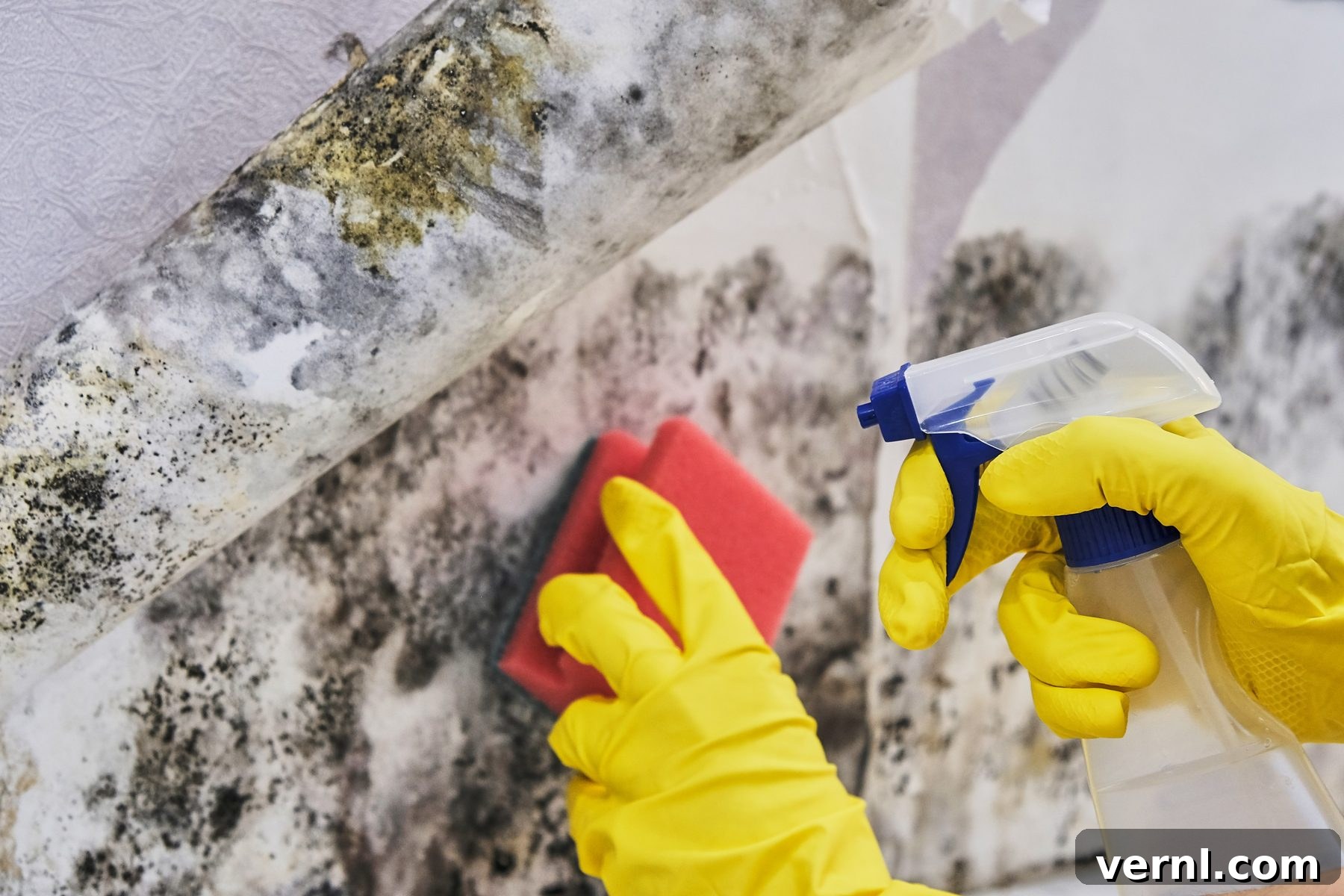
Preventing Mold in Your Crawl Space: A Comprehensive Guide
Dealing with a crawl space often means facing potential issues, and one of the most common is mold. While some climates naturally help keep mold at bay, others, particularly those with high humidity and rainfall, can make mold a persistent problem. This guide provides comprehensive steps to prevent mold growth in your crawl space, protecting your home and your health.
Understanding the Threat: Why Mold in Crawl Spaces Matters
Mold in crawl spaces is a prevalent concern. Often, it goes unnoticed because these areas are infrequently visited. However, mold can pose significant health risks, especially for individuals sensitive to its effects. Even small amounts can release spores that cause allergic reactions or more severe health issues. Preventing mold is crucial not only for the structural integrity of your home but also for the well-being of its occupants.
What Causes Mold in Crawl Spaces? Unveiling the Root Causes
The primary drivers of mold growth in crawl spaces are humidity and moisture. The more humid the climate, the higher the likelihood of mold becoming a problem. Crawl spaces that are damp due to groundwater, condensation, or poor ventilation are particularly vulnerable. Water intrusion from outside sources, such as leaks or floods, often creates an environment where mold thrives.
As Bethany Uribe, an AHERA-certified building inspector at ASAP Restoration, explains, mold often starts growing due to elevated moisture levels from leaks or past floods, providing existing spores with a favorable environment for growth.
Actionable Tips to Prevent Mold in Your Crawl Space
The key to preventing mold is to create a drier environment in your crawl space. Here are several effective strategies:
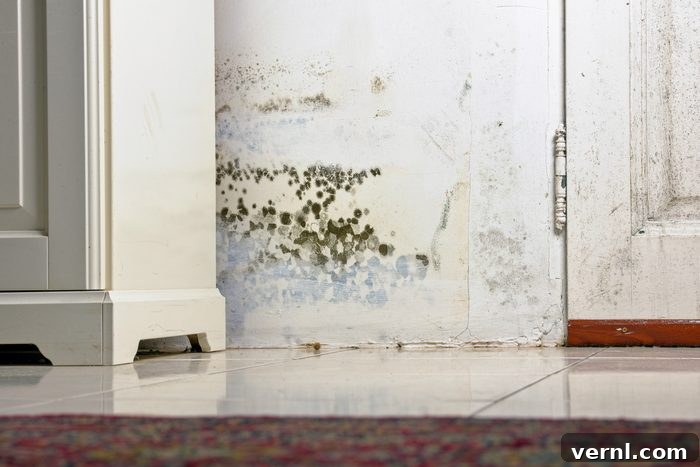
1. Control Moisture: Identifying and Addressing Water Entry Points
Carefully inspect your crawl space for potential moisture entry points. Check the walls, ceiling, vents, and foundation for cracks or leaks. Also, inspect areas around HVAC ducts, pipes, plumbing fixtures, and look for any signs of water damage.
Ensure that your gutters, downspouts, air conditioner condensation drains, and sump pump drains direct water away from your house. Chad Thielk, a home improvement expert from JustAnswer.com, recommends that these drains extend at least five feet from your home. In certain cases, installing a sump pump may be necessary to remove excess groundwater.
2. Increase Ventilation: Promoting Air Circulation
Good air circulation is essential for minimizing mold growth. If your crawl space has egress windows, open them regularly to reduce stagnant air. Additionally, ensure that your dryer vent is directed to the outside of your house rather than into the crawl space, as advised by Melanie Powers, president of Goodberlet Home Services.
3. Install a Vapor Barrier: Protecting Your Living Space
While a vapor barrier may not entirely prevent mold in the crawl space, it can prevent mold spores from migrating into your home’s living areas. As Thielk suggests, cleaning the crawl space and installing vapor and thermal barriers can encapsulate the area, helping to keep it dry. Consult resources like Family Handyman for more information.
4. Use a Dehumidifier: Creating a Dry Environment
Dehumidifiers remove moisture from the air, condensing it into a liquid that is then drained or disposed of. Though running a dehumidifier regularly can be expensive, it is one of the most effective methods for mold prevention, as noted by Uribe.
5. Fix Foundation Drainage: Addressing Severe Issues
If other methods fail, more extensive measures may be necessary. This includes reformatting and sealing sections of your foundation or improving the drainage system around it. Though this can be a more costly solution, it may be the only effective way to solve a moisture problem, especially if the foundation is the primary source of water intrusion, as Uribe points out.
Frequently Asked Questions (FAQ)
Is Mold in My Crawl Space Dangerous?
Yes, mold can be hazardous to your health. However, Uribe suggests that unless you are particularly sensitive, mold in your crawl space may not significantly affect your health. Insurance companies often do not cover mold remediation in crawl spaces because they are not considered “livable space.”
How Do I Prevent Mold After My Crawl Space Flooded?
If your crawl space floods, immediately remove any standing water using a pump, squeegee, or vacuum. Remove any damaged or waterlogged materials. Immediately ventilate the area with fans and dehumidifiers. The objective is to thoroughly dry the area, which can be challenging due to the space’s limited accessibility. Thielk recommends treating the area with a mold-killing product like Concrobium Mold Control, noting that bleach only addresses surface mold and does not eliminate its roots. If drying the space proves difficult, consider contacting a restoration or water damage remediation company for assistance.
About the Experts
- Bethany Uribe is an AHERA-certified building inspector at ASAP Restoration in Mesa, Arizona. She has nearly a decade of experience in the construction and water damage mitigation industries.
- Chad Thielk is a third-generation construction worker and home improvement expert with JustAnswer.com.
- Melanie Powers is president at Goodberlet Home Services.