Understanding Utility Easements: Your Guide to Land Ownership
Buying land to build a house or cabin is an exciting prospect, but it’s crucial to approach it with careful consideration. Beyond the initial allure, there are essential factors that impact your investment and future enjoyment of the property. This comprehensive guide will delve into one of the most important aspects: utility easements.
When you’re shopping for land, you should look at a variety of factors. These include the size and characteristics of the lot, the composition of the soil, the type of shoreline (if applicable), and the availability of road access and connectivity. These are the basics. But there’s another crucial element: utility access. Understanding and planning for utilities is essential for a smooth and successful building project.
The Importance of Utility Access
Unless you’re planning to live completely off-grid, away from neighbors and towns, you’ll need essential services. Think about domestic water supply, sewage disposal, and a connection to the electrical grid. These services will depend on your chosen location.
A key part of your responsibility as a future landowner is to assess the state of utility access for any lot you consider. Knowing how you’ll get utilities is just the start. You must also understand your rights and responsibilities as a property owner. This is where utility easements become critical.
What Exactly is a Utility Easement?
At its core, an easement is a legal right that grants someone else the authority to use a portion of your property for a specific purpose. Utility easements are among the most common types of property easements. They’re designed to give public or private utility companies the right to access your property to install, maintain, or modify equipment, all for the betterment of the community.
Utility easements allow essential services to reach your property. This includes everything from power and water to waste disposal. Workers can enter certain areas of your property to dig, install, and maintain the infrastructure that supports these services. Common examples include:
- Electrical cables and phone lines.
- Water pipes.
- Sewage pipes.
- Other vital utilities.
The precise details of utility easements can vary significantly based on your local county and the specific property. That’s why it’s vital to research these details before you make a purchase.
How to Find Out About Utility Access and Easements
The best way to uncover the details of utility access and any existing easements on a property is to examine the property deed. This crucial document is typically available at your local town hall or courthouse. The clerk can guide you in the right direction. You may need to ask the current owner for help accessing the documents. They might even already know the details of the easement situation and be able to share the information directly.
How Utility Easements Can Impact Your Building Project
Utility easements can have a significant impact on your building plans. They’re usually a bigger factor on smaller, urban lots compared to larger rural properties. The difference comes down to available space and community needs.
In rural areas, because access to municipally supplied water, sewage removal, or natural gas for heating isn’t always available, utility easements for these services may not be present.
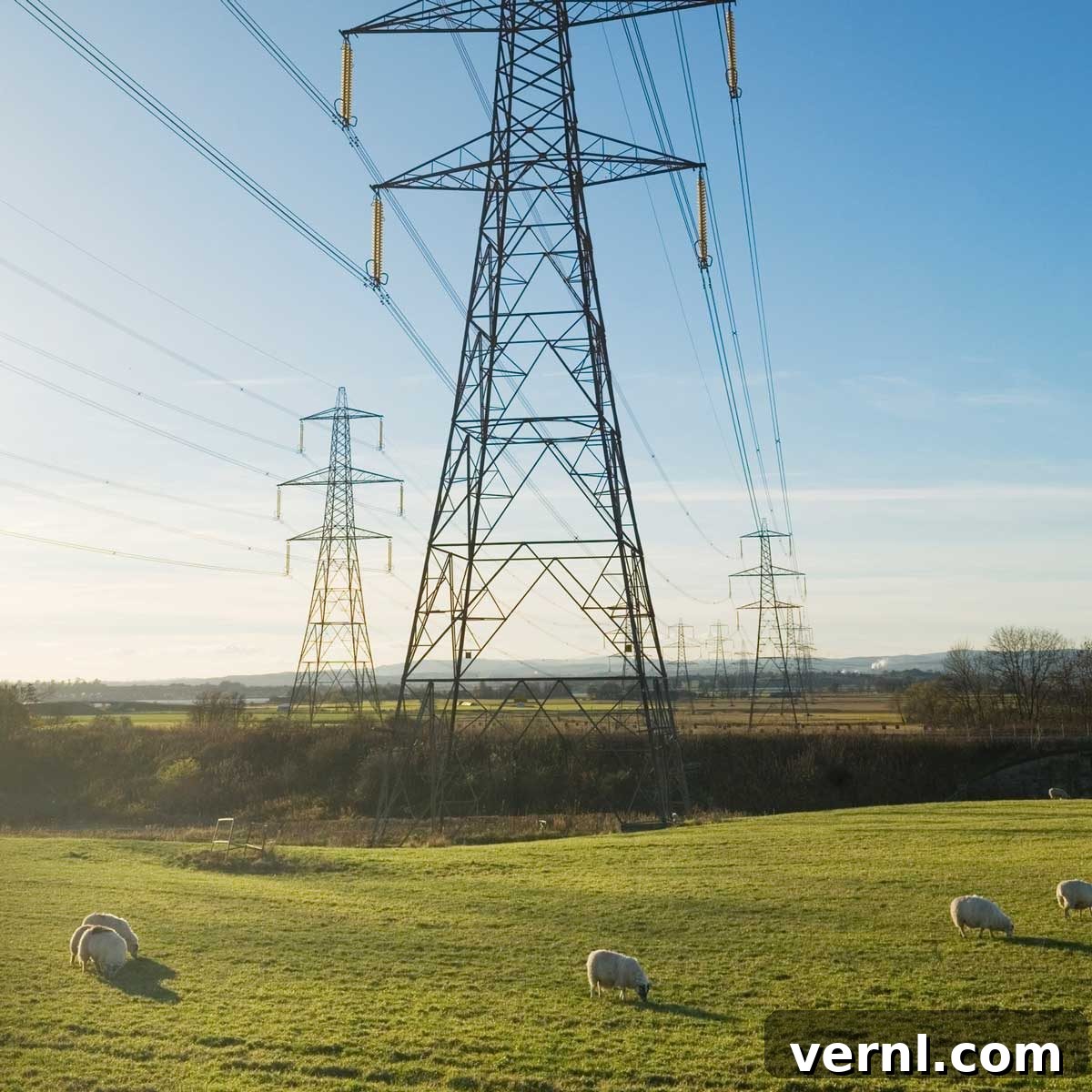
That doesn’t mean rural properties are completely free of utility easements. Even in the country, power companies might need to enter your property to trim trees, install new poles, or work on power lines. The key difference is that large rural lots offer more space to build, allowing you to position structures well away from the easement area.
However, if you’re considering a smaller property that’s closer to a town or city, you’ll need to pay closer attention to utility easements. You must identify the exact areas of the property that are designated for potential sidewalks, electrical poles, underground lines, water pipes, and any other utility work. These are areas you shouldn’t build on.
Plan your construction to keep all buildings a safe distance away from the designated easement area. This precaution protects you and any future owners from potential disruptions and ensures that your buildings aren’t damaged by utility work.
Why Utility Easements Exist: A Benefit to the Community
Utility easements may seem like an inconvenience or an infringement on your rights as a property owner. But they serve a vital purpose. They ensure that essential utilities like water, electricity, and waste removal are accessible and affordable for as many people as possible.
Consider the costs involved. It would be significantly more expensive for power companies to run power lines along the edges of every individual lot in a neighborhood, just to avoid crossing anyone’s land. Utility easements allow for more direct routes across properties. This not only lowers the overall cost for the utility companies but also helps to keep electricity prices more affordable for consumers.
The same principle applies to other utilities. While easements may seem inconvenient, they ultimately contribute to a better quality of life in your new home or cabin.
The Bottom Line: Planning for Your Land Purchase
When you’re evaluating a property for building, thoroughly investigate the utility easements associated with the land. Determine exactly what the easements allow utility companies to do. Then, plan your purchase and building project accordingly. Be sure to understand your local building codes and regulations.
It’s wise to assume that the allowances outlined in the easement will eventually be exercised. Even if it seems unlikely, building with this assumption in mind protects you from unpleasant surprises in the future. By taking the time to understand utility easements, you can make informed decisions and create a positive experience with your new property.