
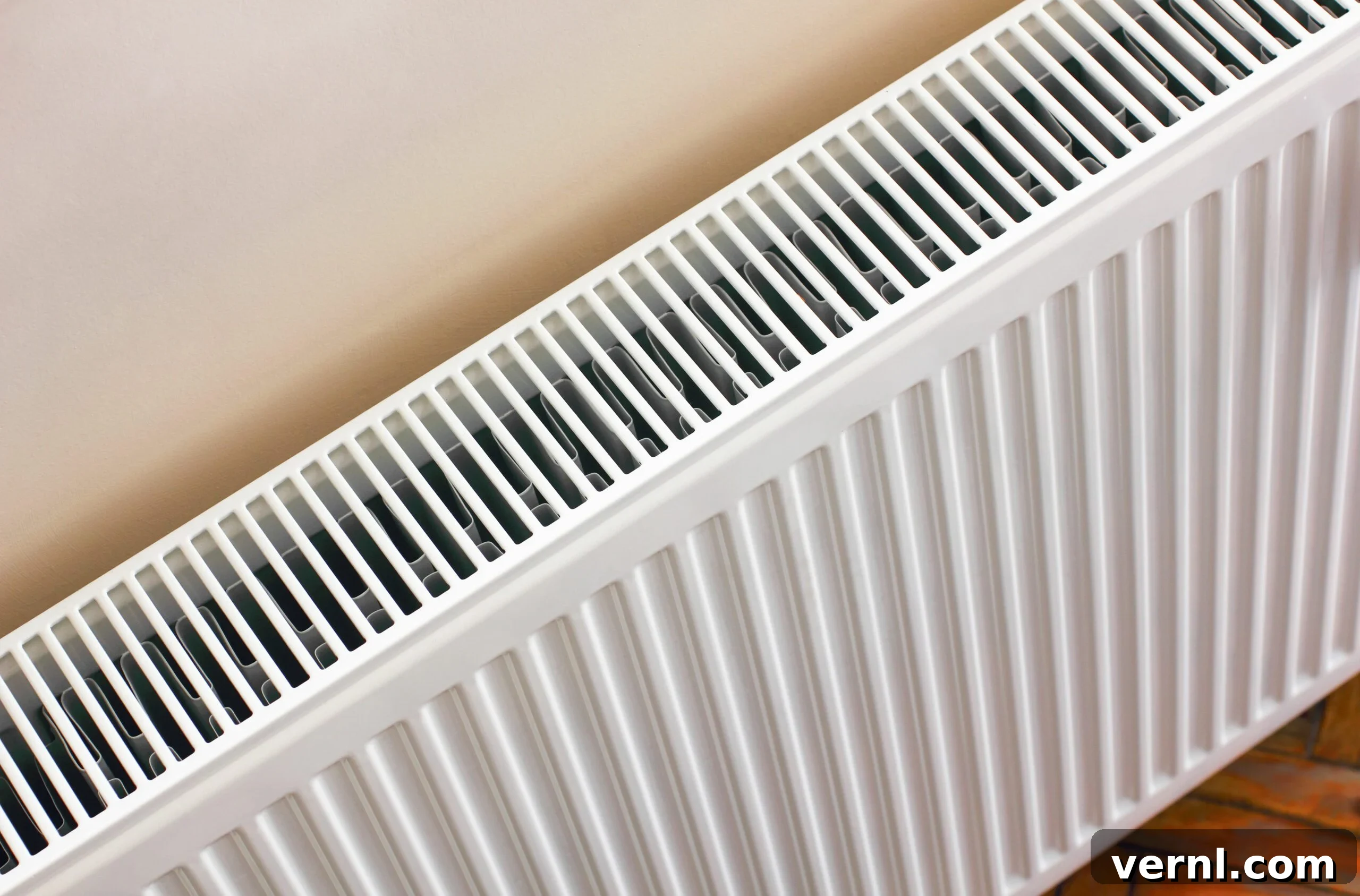
It’s no secret that older homes can be notoriously challenging to heat efficiently. As winter temperatures plummet, the charming aesthetics of an aged property often come with the practical drawback of poor thermal performance. Old-school radiators, while providing a comforting warmth, frequently struggle to maintain a consistent temperature across even a single room, let alone an entire residence. This challenge is amplified in homes featuring leaky, thin walls, drafty windows, or inadequate insulation, where much of the precious hot air generated can swiftly dissipate into the cold outdoors. The battle against escaping heat becomes a significant concern for homeowners striving for comfort and looking to manage their energy bills.
As the colder months loom, a clever heating hack has gained considerable traction across the internet, promising to elevate room temperatures warmed by radiators without significant cost. This simple, DIY solution aims to combat heat loss and make your home feel cozier. Whether this widely discussed method lives up to its online hype and offers a genuine benefit is a question many homeowners are asking. Let’s delve deeper into this viral home heating trick, examining its theoretical basis, practical effectiveness, and crucial safety implications.
The Tin Foil Radiator Hack: A Closer Look
This ingenious and incredibly straightforward hack has been widely showcased across various online platforms, from viral TikTok videos to articles in publications like the Irish Sun, and countless other home improvement forums. The premise is disarmingly simple: acquire an old piece of cardboard, wrap it thoroughly in standard kitchen tin foil, and then position this reflective panel between your radiator and the adjacent exterior wall. The underlying theory behind this technique is that the shiny surface of the tin foil will act as a reflective barrier. Instead of allowing heat to escape uselessly through a poorly insulated wall – where it would otherwise be absorbed and lost to the exterior – the foil is intended to bounce that radiant heat back into the room, effectively redirecting warmth where it’s most needed. This seemingly minor adjustment aims to maximize the efficiency of your existing heating system and contribute to a warmer indoor environment.
Does the Tin Foil Radiator Hack Really Work? Understanding the Science
On a theoretical level, the scientific principles underpinning this heating hack are undeniably sound. Tin foil, or aluminum foil, is specifically designed and commonly utilized for its heat-reflecting properties. It is an excellent reflector of radiant heat and a poor emitter, meaning it doesn’t readily absorb or conduct heat away from its surface but rather reflects it. By strategically placing a large sheet of this reflective material directly behind a heat-emitting radiator, you are, in essence, creating a barrier that will undeniably reflect at least a portion of the radiant heat back into the living space. This is a fundamental concept in physics: heat can be transferred in three ways – conduction, convection, and radiation. Radiators primarily emit heat through convection (warming the air) and radiation (emitting infrared waves). The tin foil targets the radiant heat component, which would otherwise be absorbed by the wall.
However, the crucial question isn’t whether the tin foil reflects *any* heat, but rather whether it will make a *noticeable and significant difference* in the overall temperature and warmth of the room. The practical impact of this hack can vary substantially depending on several critical factors inherent to your specific home and room setup. For instance, in a relatively small room with a single radiator located on an external, poorly insulated wall, the tin foil hack might indeed be able to significantly elevate the ambient temperature and improve comfort. The effect would be more pronounced because a larger proportion of the room’s total heat loss would likely be through that particular wall.
Conversely, in a larger, more open-plan living area, or a room with multiple external walls, thick insulation, or modern double-glazing, the contribution of a single piece of tin foil behind one radiator might be negligible. The overall heat dynamics of such a space are more complex, with heat loss occurring through various pathways, diminishing the relative impact of this localized solution. Furthermore, the effectiveness is also influenced by the gap between the radiator and the wall, the size of the foil panel, and the overall efficiency of the radiator itself. While the science is sound, homeowners should temper their expectations and consider this a supplementary measure rather than a transformative solution for severe heating inefficiencies.
Beyond the Basics: Optimizing the Reflective Barrier
For those looking to maximize the potential benefits of this hack, it’s worth considering a few refinements. While standard kitchen foil works, some commercially available radiator reflector panels are designed specifically for this purpose. These often feature a more durable, highly reflective surface and may incorporate a thin layer of foam or other insulating material to further reduce heat loss through conduction into the wall. These dedicated products tend to be more robust and offer a potentially greater reflective capability than household tin foil. When implementing the DIY version, ensuring the foil is as flat and smooth as possible will enhance its reflective properties. Crumpled or uneven foil surfaces can scatter heat less effectively. Additionally, extending the foil panel to cover as much of the wall surface directly behind the radiator as possible will maximize the area available for heat reflection, further contributing to the hack’s efficacy.
Is This Tin Foil Radiator Hack Dangerous? Addressing Safety Concerns
Anytime a do-it-yourself enthusiast encounters a home improvement hack or energy-saving tip online – particularly one that involves components of a home heating system or introduces materials near heat sources – their immediate and paramount concern should always be safety. Placing common household items like tin foil and cardboard behind a radiator, at first glance, might not seem inherently dangerous, especially given that radiators typically don’t reach temperatures high enough to instantly ignite these materials under normal operating conditions. However, the long-term effects and the specific conditions under which these materials are used warrant a more cautious and thorough examination.
As home safety expert Chris Wagstaff cautioned HuffPost UK, “Using foil behind radiators may seem a good idea to save costs, but over time, this foil can oxidize and break down.” He elaborates on the potential risks: “If the damaged foil isn’t replaced or is used at too high of a heat, this could potentially cause the foil to burn or start smouldering.” This expert opinion highlights a critical often-overlooked aspect of the hack: material degradation. While aluminum foil has a high melting point, prolonged exposure to heat, especially in a confined space, can lead to oxidation and structural weakening. Cardboard, being an organic material, is inherently flammable. Although radiators typically operate below its ignition point, a sustained high temperature coupled with aging, brittle cardboard and compromised foil could create a cumulative risk over time. The accumulation of dust and debris behind radiators, combined with a potential heat source and flammable materials, further elevates this concern.
Mitigating Risks: Best Practices for the Tin Foil Hack
If you intend to implement this widely discussed heating hack, it is absolutely imperative to prioritize safety to mitigate any potential hazards. A key recommendation, as suggested by experts, is to regularly inspect and replace the tin foil and cardboard setup. A good rule of thumb would be to change the foil and cardboard annually, ideally at the beginning of each heating season. This practice ensures that any material degradation, oxidation, or weakening of the cardboard is addressed proactively, preventing the accumulation of compromised materials that could pose a fire risk. During inspection, check for signs of charring, brittleness, or discoloration on the cardboard, and tears or severe oxidation on the foil.
Furthermore, ensure that the cardboard used is robust and not flimsy, and that it is securely positioned so it cannot fall onto the radiator or obstruct airflow. Maintain a small gap between the radiator and the reflective panel to allow for some air circulation. It’s also crucial to avoid placing any other flammable items, such as curtains, clothing, or furniture, too close to the radiator, regardless of whether you’re using this hack. Regularly cleaning the area behind and around radiators to remove dust and lint can also contribute to overall safety by reducing potential fuel for a fire. Always remember that while saving energy is important, home safety should never be compromised.
Beyond the Tin Foil: Comprehensive Home Heating Tips for Older Homes
While the tin foil radiator hack offers a simple, low-cost approach to improving heating efficiency, it’s essential to recognize it as just one small piece of a larger puzzle when it comes to effectively warming an older home. For truly significant improvements in comfort and energy savings, a more holistic approach encompassing various strategies is often required. Many older properties suffer from widespread heat loss due to inadequate insulation, drafts, and inefficient systems. Addressing these broader issues can yield far more substantial and lasting benefits.
1. Tackling Drafts: The Silent Energy Thief
Drafts are arguably one of the most significant culprits behind heat loss in older homes. Cold air infiltration through gaps and cracks can negate the efforts of any heating system. Start by methodically inspecting your home for air leaks around windows, doors, electrical outlets, plumbing penetrations, and even attic hatches. Use weatherstripping for movable components like windows and doors, and caulk for stationary gaps and cracks. Draft stoppers or “door snakes” can be effective for gaps under doors. Sealing these leaks can dramatically improve comfort and reduce your heating load.
2. Optimizing Window Treatments: More Than Just Aesthetics
Windows, particularly single-pane ones common in older homes, are notorious for heat loss. Heavy, insulated curtains or thermal blinds can act as an effective barrier against cold air entering and warm air escaping. Ensure they are closed at night to trap heat in and opened during sunny days to allow natural solar gain. Consider adding window films, which can provide an extra layer of insulation without altering the window’s appearance significantly.
3. Strategic Furniture Placement: Don’t Block the Heat
Ensure that your radiators are not obstructed by furniture, long curtains, or drying clothes. Blocking a radiator prevents heat from circulating effectively into the room, making your heating system work harder for less impact. Keeping radiators clear allows the heat to radiate freely and warm the air, optimizing their performance.
4. Smart Thermostat Management: Control Your Comfort and Costs
Investing in a programmable or smart thermostat can lead to substantial savings. These devices allow you to set different temperatures for various times of the day, ensuring your home is warm when occupied and cooler when you’re away or asleep. Lowering your thermostat by even a few degrees can make a noticeable difference in your energy bills without a significant impact on comfort. Zoning your heating, if possible, also allows you to heat only the rooms you are using.
5. Regular Radiator Maintenance: Keep Them Running Smoothly
Bleeding your radiators annually, or whenever they feel cool at the top, is crucial. Air trapped inside a radiator prevents hot water from circulating fully, creating cold spots and reducing efficiency. A simple bleeding key can release this trapped air, ensuring your radiators are working at their best. Also, keep the area around and under radiators clean from dust and debris, which can impede heat transfer.
6. Professional Insulation Upgrades: The Long-Term Solution
While DIY hacks are temporary fixes, investing in professional insulation is the most effective long-term solution for heat retention in older homes. Upgrading attic insulation, wall cavity insulation, and even floor insulation can drastically reduce heat loss and improve your home’s overall thermal envelope. Although a higher upfront cost, the energy savings and improved comfort can pay off significantly over time.
Conclusion: A Balanced Approach to Winter Warmth and Energy Efficiency
The tin foil radiator hack, a popular internet sensation, is rooted in sound scientific principles regarding heat reflection. It offers a low-cost, immediate solution that can provide a noticeable, albeit modest, improvement in heating efficiency, particularly in smaller rooms with poorly insulated external walls. Its appeal lies in its simplicity and accessibility for any homeowner looking to gain a slight edge against rising energy costs during the cold winter months. However, it is crucial to approach this DIY solution with an understanding of its limitations and, more importantly, a keen awareness of potential safety risks associated with material degradation over time.
While this hack can play a small role in your overall heating strategy, it should not be viewed as a standalone solution for the complex challenges of heating an older, less efficient home. A truly warm, energy-efficient, and safe home in winter requires a more comprehensive and balanced approach. Combining simple, well-maintained hacks like the tin foil reflector with more substantial and proven strategies – such as diligently sealing drafts, optimizing window treatments, implementing smart thermostat controls, and ensuring regular heating system maintenance – will yield far greater and more sustainable results. For significant and lasting improvements in warmth and energy savings, considering professional insulation upgrades and an energy audit by qualified experts remains the most impactful investment. Ultimately, the goal is to create a comfortable, cozy living environment while responsibly managing energy consumption and prioritizing the safety of your home and family.