
Your vibrant, green lawn of summer has likely transformed into the muted browns and golds of autumn, a clear signal that winter is fast approaching. As temperatures drop and the days shorten, many homeowners find themselves pondering the crucial steps for proper winter lawn care maintenance. While the approach varies significantly based on your geographical location and climate, the fundamental science behind grass health remains consistent.
According to Greg Lucas, a turf scientist at Lawnbright, a popular DIY lawn care subscription service, "Winters are different, depending on where you are located, obviously. But the science of grass remains the same." He emphasizes that for most cool-season grass regions, your lawn enters a state of dormancy during the coldest months. This means you won't be actively feeding or mowing it. However, dormancy doesn't equate to neglect; proper preparation in the lead-up to winter is paramount for its survival and vibrant return in spring.
Understanding your lawn's specific needs during winter is the first step toward a successful strategy. Whether your region experiences heavy snowfall or mild, relatively dry conditions, a tailored approach will protect your turf from common winter stresses and set the stage for lush, healthy growth when warmer weather returns. This comprehensive guide will equip you with the essential knowledge and actionable tips to navigate winter lawn care effectively, ensuring your green space not only survives but thrives.
Essential Winter Lawn Care for Snow-Covered Regions
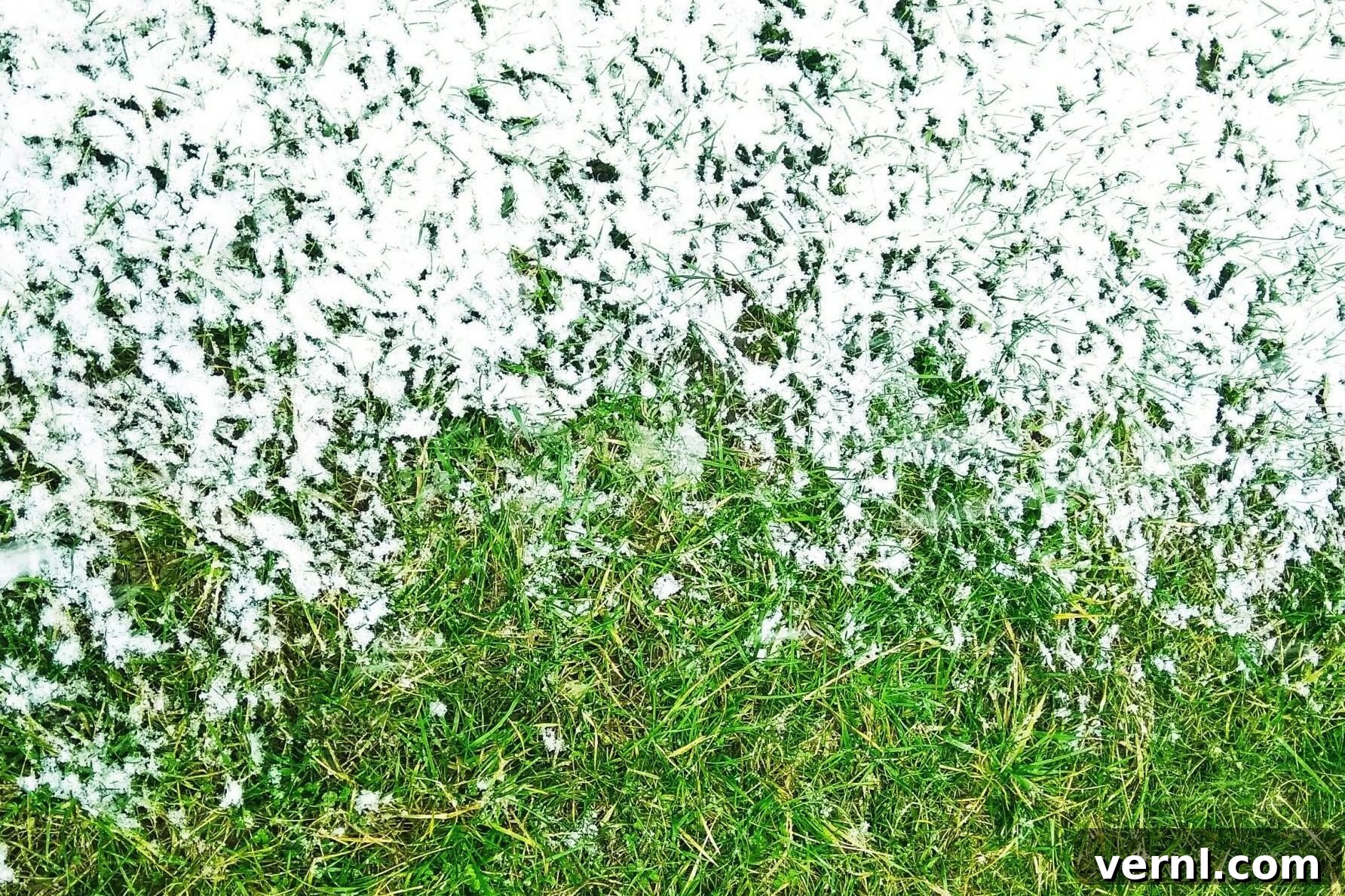
Many homeowners might mistakenly believe that a blanket of snow is detrimental to their lawn. On the contrary, snow can be incredibly beneficial, providing a natural protective layer. "Snow will act as an insulation for the lawn, protecting it," Lucas explains. "Snow is porous and allows gas exchange, which means oxygen is still available to the plant under the snow." This insulation shields the grass from extreme temperature fluctuations and dehydration caused by winter winds. However, Lucas cautions, "Ice, on the other hand, can be detrimental. But if the grass is covered in snow, everything should be fine." Ice forms an impermeable barrier, preventing the crucial gas exchange and leading to suffocation or "winter kill."
If consistent snow cover is the norm where you reside, implementing the following practices will ensure your cool-season turf emerges strong and healthy after the thaw:
Prioritize Adequate Nitrogen Supply in the Fall
The autumn months are critical for preparing your lawn for the harshness of winter. Just as animals bulk up before hibernation, grass plants need to store energy to endure their dormant period. Homeowners should prepare their lawn by applying a specialized fall fertilizer, providing the grass plants with sufficient carbohydrates to utilize throughout the coldest months of the year.
"The same as a bear would eat extensively to store food for his dormancy, a grass plant undergoes this same concept," Lucas points out. "Your fall fertilization is essential to loading the plant with these necessary carbohydrates." As soil temperatures drop and begin to freeze, the uptake of nitrogen from the soil will significantly slow or cease entirely. Therefore, the goal of fall fertilization is to "load up on nitrogen in the fall months to store the plant with this element to use over the winter," ensuring a reserve supply of nutrients is available even when the ground is frozen.
To achieve this, consider practices like grasscycling or mulching your clippings back into the lawn when you mow. These clippings decompose, returning valuable nutrients to the soil. Additionally, apply a fertilizer with at least 10 percent nitrogen, preferably a slow-release formula to provide a steady supply over time. Applying too little nitrogen can leave your grass deficient in essential nutrients before spring arrives, making it more susceptible to diseases like snow mold or leading to widespread dead grass patches.
Perform a Shorter Final Cut of the Season
Adjusting your mowing height in the fall is a simple yet effective strategy for winterizing your lawn. Lucas suggests gradually lowering the mower deck by one notch each time you mow during the autumn season. Continue this practice until your final mowing height is approximately two to 2-1/2 inches. This shorter height offers several critical advantages for winter survival.
Firstly, it significantly decreases the potential for snow mold buildup. Snow mold, a fungal disease, thrives in cool, moist conditions often found under prolonged snow cover, especially when grass is too long. Shorter grass reduces the amount of plant tissue available for the fungus to colonize. Secondly, removing this extra plant tissue improves air circulation around the crowns of the grass plants. This increased air movement helps to keep the grass free of excess moisture, further inhibiting fungal growth and maintaining healthier conditions under the snow.
Leverage Fallen Leaves for Soil Health
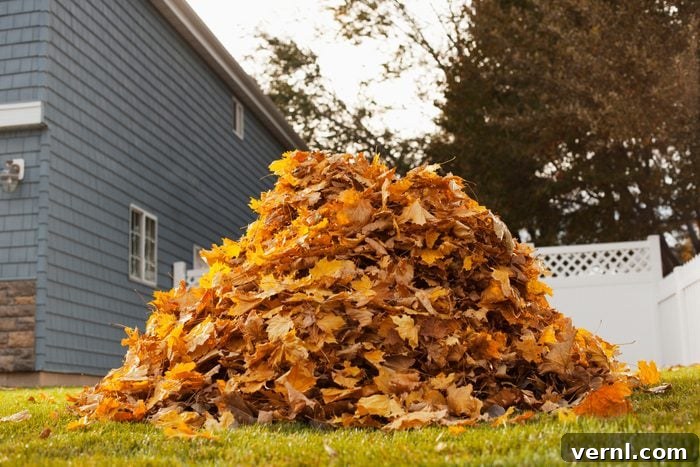
For those who dread the chore of raking, here's some good news: fallen leaves can actually benefit your lawn! Instead of laboriously bagging every leaf, consider using a leaf mulcher or simply running your lawn mower over them. Mulching the leaves into fine pieces allows them to decompose directly into the lawn, providing a rich source of organic material.
Lucas explains the benefits: "It provides much-needed nutrition in the form of organic material." This organic matter enriches the soil, feeding beneficial microorganisms, improving soil structure, enhancing water retention, and slowly releasing nutrients back into the grass. However, moderation is key. "Just don't overdo it by waiting too long — a thick blanket of leaves can smother the lawn." If the leaf layer is too thick and matted, it can block sunlight, trap excessive moisture, and create an anaerobic environment, leading to disease and potentially killing the grass underneath. Aim for a thin, evenly distributed layer of finely shredded leaves.
Aerate Your Lawn Before Winter Arrives
Soil compaction is a common issue that severely impacts lawn health. In overly compacted soil, water struggles to penetrate, leading to pooling on the surface. This standing water can become particularly problematic in winter, as it can freeze around grass crowns and cause significant damage. Aerating the soil in late fall is an excellent way to combat compaction, creating small channels that allow water, air, and nutrients to more easily reach the grass roots.
"If water is stored around the crown of the plant, this can lead to what we refer to as winter kill," warns Lucas. The crown of the plant, where the roots meet the stem, is essentially the "nucleus of the plant." He adds, "If the crown dies, then the plant dies." By increasing water infiltration and reducing surface pooling through aeration, you protect these vital crowns from freezing, thereby safeguarding the entire plant. Core aeration, which removes small plugs of soil, is generally more effective than spike aeration for long-term compaction relief.
Apply Fall Pre-Emergent Herbicides
While spring is often the primary season for applying pre-emergent herbicides, a fall application can be highly beneficial, especially if your lawn is well-established and you've completed any necessary overseeding. Pre-emergents (also known as weed preventative treatments) work by creating a chemical barrier in the soil that inhibits weed seeds from germinating and establishing themselves.
A fall application is particularly effective against cool-season annual weeds that germinate when soil temperatures begin to drop. "This will prevent fall germinating weeds like poa trivialis, a grassy weed which spreads quick and can easily outrun your lawn in shady areas," says Lucas. Other common fall-germinating weeds include henbit and chickweed. By tackling these weeds before winter sets in, you reduce the weed pressure your lawn will face in the spring, giving your desirable grass a significant head start.
Thoroughly Clean Off the Lawn
This final step in your winterization routine is often overlooked but incredibly important. Before winter truly descends and potentially covers your lawn with snow, ensure it is completely free of all debris. Leaves, sticks, pinecones, and other organic matter left on the lawn can cause serious problems over the winter months. They block vital light from reaching the grass blades and, more critically, trap moisture against the turf.
Lucas explains that this combination of trapped moisture and lack of air circulation creates an ideal breeding ground for snow mold and other fungal issues. It also invites pests to shelter under the debris. After your last mowing of the season, take the time to diligently rake or blow all debris off the lawn. This simple act can prevent a multitude of problems and reduce the amount of cleanup you'll face in the spring, allowing your lawn to emerge healthier and cleaner.
Winter Lawn Care Strategies for Regions with Little or No Snow
If you reside in the Southern or Western parts of the country, where temperatures remain milder and snow is a rare sight, your winter lawn care approach will differ significantly from that of northern climates. However, this doesn't mean your lawn is entirely off the hook! Warm-season grasses, such as Bermudagrass, Zoysia, St. Augustine, and Centipedegrass, behave differently in colder weather than their cool-season counterparts. Instead of a deep dormancy, they often experience a period of slowed growth or only partial dormancy.
"In warm season turf, your lawn may never truly shut down like it does up north," Lucas explains. "In some parts of the Deep South, you may continue edging and trimming year-round even if you're not mowing. And you're constantly fighting off weeds. It takes a completely different management strategy." This ongoing maintenance means vigilance is key to maintaining a healthy, weed-free lawn year-round. Here’s a detailed strategy for managing warm-season grasses during winter:
Continue Mowing Until Grass Growth Ceases
Unlike cool-season grasses that enter a deep dormancy, warm-season varieties may continue to grow, albeit slowly, into late fall and early winter. Therefore, it's essential to keep mowing until the grass visibly stops growing. Usually, by December, most warm-season grasses will no longer need regular mowing, but this can vary by specific region and microclimate.
Lucas advises, "You want to keep mowing frequently while it's growing to push the growth horizontally and thicken up to crowd out weeds." Regular mowing at the correct height encourages lateral growth through stolons and rhizomes, which helps the lawn become denser. This increased density acts as a natural barrier, making it more difficult for weeds to establish themselves and compete for resources. Maintain your regular mowing height during this period, avoiding any drastic cuts that could stress the turf.
Maintain a Consistent Winter Watering Schedule
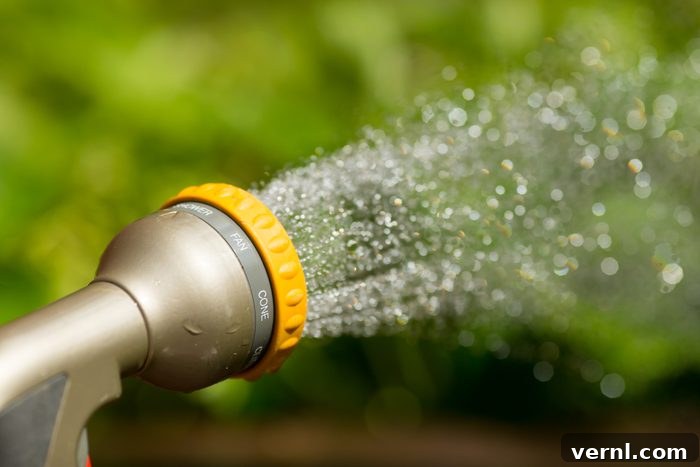
Even if your warm-season lawn appears to slow down in winter, it still requires moisture to maintain root health and prevent desiccation, especially in regions prone to dry winter winds. Do not skip fall lawn watering. If your lawn isn't receiving at least a half-inch of water every other week, whether from rainfall or irrigation, you risk severe damage or even losing the turf system over winter.
"Fortunately, that's not a lot, and can usually be covered by rainfall unless you're in an excessive drought," Lucas notes. You can typically reduce your summer watering schedule by about half in the winter, irrigating as needed to supplement natural rainfall. The key is to check the soil moisture regularly. Stick a screwdriver or a soil probe into the ground; if it's hard to push in, your lawn likely needs water. Avoid overwatering, which can lead to fungal issues, but ensure consistent, deep watering to encourage healthy root systems.
Conduct a Thorough Soil Test
Winter, when warm-season grasses are in a state of reduced activity and typically don't require fertilization, presents an ideal opportunity for conducting a comprehensive soil test. Using a soil tester or sending samples to a local extension office allows you to accurately check nutrient levels, pH, and soil composition. This information is invaluable for creating a precise fertilization and amendment plan for the upcoming spring and growing season.
Lucas advises, "A soil sample should be taken at least 60 days after an application of fertilizer to get a good baseline reading. If you take a sample too soon after fertilizing, you'll throw off the sample." The results of your soil test will highlight any deficiencies or excesses in nutrients like nitrogen, phosphorus, and potassium, as well as indicating whether your soil's pH needs adjusting. Addressing these issues proactively based on scientific data ensures your spring fertilization efforts are targeted and effective, promoting optimal grass health.
Perform Essential Equipment Maintenance
The winter slowdown offers a perfect window of opportunity to perform much-needed maintenance on your lawn care equipment. Taking advantage of this temporary downtime ensures your tools are in peak condition and ready for action when the growing season resumes. Neglecting maintenance can lead to breakdowns, inefficient operation, and potentially poorer lawn health due to dull blades or faulty equipment.
"You get a short window of time where you're not using this equipment on a weekly basis, so take advantage of it," Lucas wisely suggests. This includes performing a full tune-up on your lawn mower, which may involve changing the oil, spark plug, and air filter. It's also the ideal time to sharpen the blades, as dull blades tear grass instead of cutting it cleanly, leaving the turf vulnerable to disease. Beyond the mower, remember to wipe down your spreaders, clean and inspect your dethatchers and aerators to prevent rust and ensure functionality. Don't forget to restring trimmers and thoroughly check your irrigation system to ensure it's ready for warm weather and optimal watering in spring, addressing any leaks or damaged heads.
Relax and Trust the Process
After all your diligent preparation and care, it's important to remember that winter is a natural resting period for your lawn. While it might not boast the lush green appearance of summer, this is completely normal. "Your lawn may not look pretty in January, but just enjoy the down time and relax," Lucas encourages. "Don't sweat every issue."
The efforts you put in during the fall and early winter are investments that will pay off. By following these expert tips, you are providing your lawn with the best possible chance not only to survive the winter but to emerge healthier and more resilient than ever before. Trust in the natural cycles of growth and dormancy, and anticipate a vibrant, beautiful lawn bouncing back with renewed vigor in the spring.