
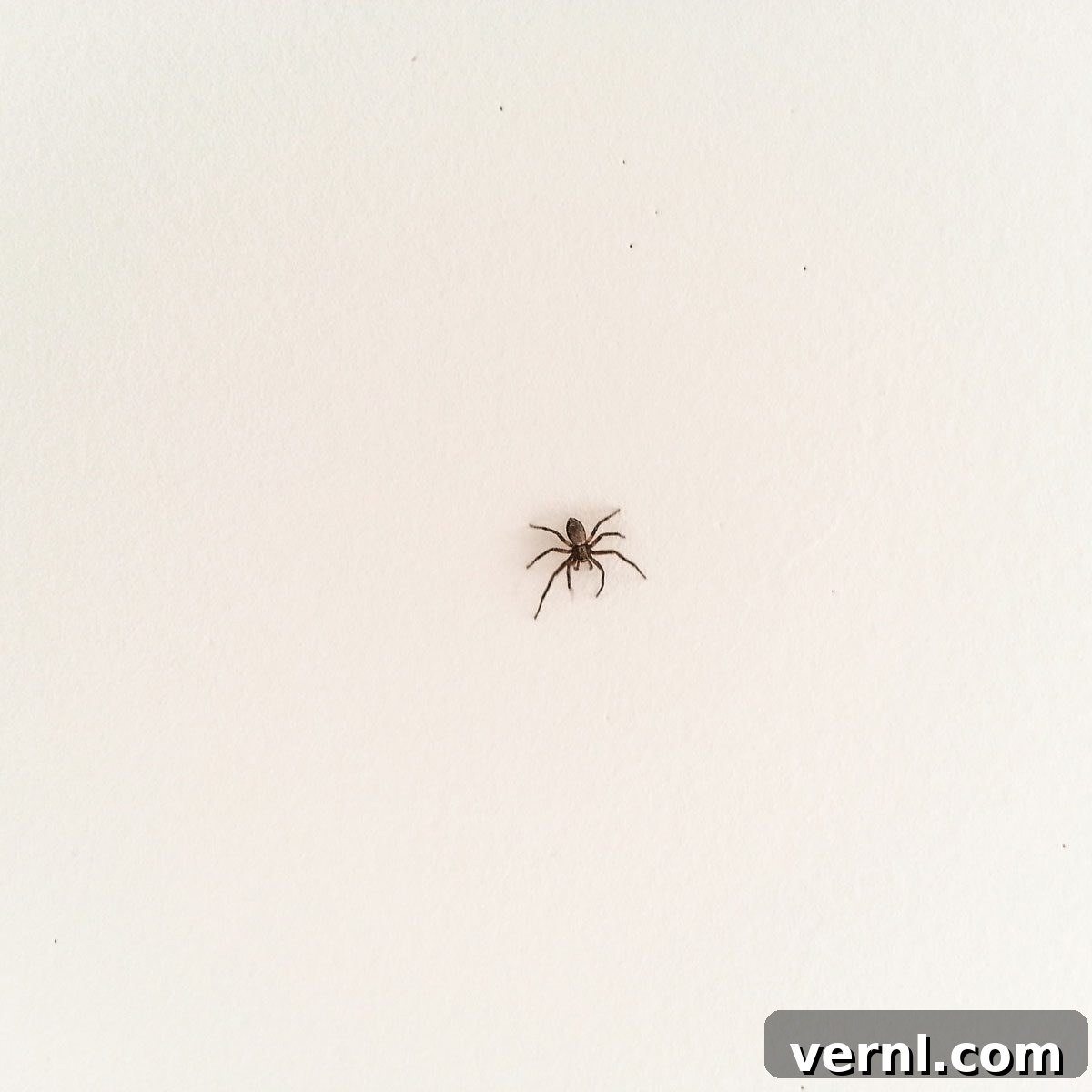
We’ve all encountered spiders, whether they’re stealthily navigating a dusty corner or making an unexpected appearance in the bathtub. But beyond the initial startle or fascination, how much do we truly understand about these incredible creatures? Often misunderstood and sometimes a source of apprehension, spiders play a vital role in our ecosystems. This comprehensive guide will delve into their unique characteristics, intriguing behaviors, diverse habitats, and address common questions regarding their potential danger to humans and pets.
From the intricate web-builders to the agile hunters, understanding spiders can transform fear into appreciation. Discover essential facts about spiders you might encounter in and around your home and garden, helping you coexist peacefully with these eight-legged allies.
How To Identify Spiders: An Eight-Legged Distinction
Distinguishing a spider from an insect is one of the most fundamental steps in identification. While both belong to the phylum Arthropoda, they have distinct features. The simplest rule of thumb involves counting their legs: insects possess three pairs of legs (totaling six), whereas spiders are characterized by four pairs of legs (totaling eight). This basic difference is often enough to tell them apart at a glance.
What Exactly Are Spiders? Understanding Arachnids
Spiders are terrestrial arthropods belonging to the Class Arachnida, a group that also includes scorpions, ticks, and mites. Unlike insects, arachnids do not have antennae or wings, and their bodies are divided into two main segments rather than three.
While a few notorious species, such as the black widow and brown recluse, do pose a venomous threat, the vast majority of spiders are harmless to humans and are incredibly beneficial. They serve as nature’s non-toxic pest control agents, preying on a wide array of unwanted insects. This includes agricultural pests that damage crops and plants like aphids and beetles, as well as disease-carrying insects such as cockroaches and mosquitoes. By keeping these pest populations in check, spiders contribute significantly to both ecological balance and human well-being.
The Unique Anatomy of Spiders: What Do They Look Like?
While there are thousands of spider species, they all share a fundamental body plan. Common house spiders, for instance, typically range in color from light tan to deep black and can measure anywhere from 5/16- to 1/8-inch in body length, with leg spans often significantly larger. Despite variations in size, color, and specific features, all spiders share several key anatomical traits:
- Two Body Parts: Spiders have a cephalothorax (a fused head and thorax) and an abdomen, distinguishing them from insects which have three distinct body segments.
- Unsegmented Abdomens: Their abdomens are typically smooth and unsegmented, though some species may have patterns or folds.
- Fangs to Inject Venom: All spiders possess chelicerae, which are mouthparts ending in fangs. These fangs are used to inject venom into their prey, paralyzing or killing it, and sometimes to aid in digestion by liquefying internal tissues.
- Spinnerets: Located at the rear of the abdomen, spinnerets are silk-producing organs. Spiders use their silk for a myriad of purposes, including building webs, wrapping prey, creating egg sacs, and even for dispersal (ballooning).
- No Wings or Antennae: Unlike insects, spiders lack wings and antennae, relying on other sensory organs.
While these characteristics are universal, spiders also exhibit a remarkable diversity in other physical attributes:
- Eye Arrangements: The number and arrangement of eyes vary greatly among species, from eight eyes in various patterns (e.g., wolf spiders, jumping spiders) to six, four, or even fewer in cave-dwelling species. Eye placement is often a crucial identification feature.
- Sensory Hairs: Many spiders are covered in fine sensory hairs (setae) that detect vibrations, air currents, and chemical signals, helping them navigate and locate prey.
- Spines: Some spiders have prominent spines on their legs, which can aid in grasping prey or offer protection.
- Claws at Ends of Legs: Spiders typically have two or three claws at the tip of each leg, which assist in gripping surfaces and manipulating silk.
Exploring the Diverse Types of Spiders
Our planet hosts an astonishing diversity of spiders, with over 45,000 known species globally. In North America alone, more than 3,400 species make their homes in various environments. While becoming an expert entomologist isn’t necessary for basic identification, familiarizing yourself with common local species can be incredibly helpful.
To assist in this endeavor, resources like the USA Spider Identification Chart, prepared by the University of Idaho, offer clear illustrations, detailed descriptions, habitat information, and venom toxicity levels for spiders prevalent in the U.S. Learning to identify a few common types, such as the harmless cellar spider (often mistaken for a daddy long-legs), the robust wolf spider, or the distinctive jumping spider, can significantly reduce anxiety and foster a greater appreciation for these arachnids.
Spider Behaviors: Masters of Predation
Spiders are fundamentally predatory creatures, meticulously killing and consuming their prey. However, the strategies they employ to achieve this vary dramatically, largely dependent on their species and evolutionary adaptations.
Weaver Spiders: Architects of the Web
Weaver spiders are perhaps the most iconic group, renowned for their ability to spin intricate, sticky webs designed to ensnare flying and crawling insects. Nearly half of all known spider species produce and utilize silk webs as their primary method of subduing prey. These webs are not just simple traps; they are engineering marvels. Common web types include:
- Orb Webs: The classic, circular, wheel-shaped webs often seen glistening with dew in gardens. These are highly efficient at catching flying insects.
- Funnel Webs: Sheet-like webs with a funnel-shaped retreat where the spider waits. When prey lands on the sheet, the spider rushes out to capture it.
- Tangle Webs (Cobwebs): Irregular, messy-looking webs often found in corners of homes and garages. These are effective at tripping and tangling crawling insects.
Once prey is caught in the sticky silk, the weaver spider quickly rushes out, injects venom to paralyze it, and then often wraps it in silk for later consumption.
Hunter Spiders: The Active Pursuit
While all spiders possess spinnerets capable of producing silk, not all species use it for building webs to trap prey. Hunter spiders, as their name suggests, prefer a more direct approach. They actively chase down, stalk, or ambush their victims. Once prey is within their grasp, they swiftly inject venom to immobilize it. The wolf spider, a common hunter, exemplifies this strategy by patiently staking out its prey before launching a sudden, powerful ambush.
Other notable hunter spiders include:
- Jumping Spiders: Known for their excellent eyesight and incredible agility, they stalk prey and pounce with remarkable accuracy.
- Crab Spiders: Often camouflaged on flowers, they wait motionlessly to ambush unsuspecting insects visiting blossoms.
- Sac Spiders: Nocturnal hunters that forage for prey rather than building webs, often found resting in silken sacs during the day.
What Do Spiders Eat? A Carnivorous Diet
Almost exclusively carnivorous, spiders are not typically picky eaters within their predatory scope. Their diet primarily consists of various insects and other small arthropods. They are highly efficient at consuming almost every kind of household pest, including, but not limited to, flies, ants, moths, cockroaches, mosquitoes, and even bed bugs. This makes them invaluable allies in pest management.
Interestingly, some spiders are also cannibalistic, preying on other spiders, including those of their own species. This behavior highlights the competitive nature of their existence and their role in regulating spider populations.
Spider Reproduction and Life Cycle
The life cycle of a spider typically begins with an egg sac, produced by the female. These sacs, often spherical and made of silk, can contain dozens to hundreds of eggs. The female guards the egg sac until the spiderlings hatch. Once hatched, young spiders (spiderlings) often disperse, sometimes by “ballooning” – releasing silk threads into the air and being carried by the wind. They undergo several molts (shedding their exoskeletons) as they grow, eventually reaching maturity and continuing the cycle. Lifespans vary greatly, from a few months for some species to several years for others, particularly larger tarantulas.
Spider Environments: Adaptable Survivors
Spiders are incredibly adaptable creatures, thriving in an astonishing array of environments across the globe. They are comfortable making their homes in diverse ecosystems, from lush wetlands and arid deserts to dense urban cityscapes. Some species are subterranean, burrowing into the ground for shelter, while others have evolved to float on the surface of water. Many prefer to hide beneath rocks, within woodpiles, or in the cool, musty confines of cellars and basements. However, one of their absolute favorite natural environments remains the rich biodiversity of your backyard garden, where prey is abundant.
Where Do Spiders Live? A Global Presence
Spiders exhibit a near-universal distribution, found on every continent except Antarctica and at the highest, most inhospitable elevations. They inhabit environments ranging from the vast African savannas to the dense, humid tropical rainforests. The only places where spiders are generally absent are at extreme altitudes (due to lack of oxygen and prey), on frozen tundra (where conditions are too harsh), and within the open ocean (as they are terrestrial arthropods). This widespread presence underscores their remarkable adaptability and ecological success.
Spiders in the House and Yard: When Indoors Becomes Inviting
While most spiders prefer the expansive and prey-rich great outdoors, they often seek refuge indoors when external conditions become less favorable. The most common trigger for spiders to migrate into human dwellings is the onset of colder weather, but extreme heat or heavy rains can also drive them inside in search of shelter, warmth, or moisture.
Once indoors, they seek out undisturbed, dark, and secluded spots that mimic their natural hiding places. These can include basements, attics, garages, crawl spaces, and even closets. Around the yard, they thrive in dense vegetation, under leaf litter, and in sheds.
Signs of Spiders: What to Look For
Identifying the presence of spiders is usually straightforward, but sometimes they can be quite elusive. Common hot spots for spiders include undisturbed areas such as beneath clutter in your attic, under empty flower pots, behind or beneath furniture, and even under welcome mats – essentially anywhere that offers darkness and a degree of dampness or seclusion. Besides the most obvious indicator (the presence of cobwebs or intricate silken structures), other signs of spider activity include:
- Egg Sacs: Small, silken balls, often white or yellowish, attached to webs or surfaces, indicating a new generation of spiders is on the way.
- Increased Insect Activity: A noticeable increase in the presence of other insects, like flies or mosquitoes, can attract spiders looking for a food source.
- Actual Sightings: The most direct evidence, of course, is seeing spiders themselves, particularly in areas where they might be resting or hunting.
- Prey Remains: Small, desiccated insect carcasses wrapped in silk can indicate a spider’s feeding area.
Effective Spider Pest Control: Prevention and Removal
Averting a spider infestation can be simpler than you might imagine. Spiders, unlike social insects such as ants or bees, are generally solitary creatures. Therefore, finding one spider in your home doesn’t automatically signify a hidden multitude. It’s important to remain calm and implement proactive DIY steps to discourage spiders from taking up residence:
Preventative Measures:
- Cut Back Vegetation Near Your Home: Overhanging branches, dense shrubs, and vines touching your house provide easy bridges for spiders to access your exterior and eventually find entry points. Maintain a clear buffer zone.
- Keep Windows and Doors Closed: This is a fundamental barrier. Ensure screens are intact and properly fitted to prevent entry while still allowing ventilation.
- Seal Cracks and Gaps: Inspect your home’s foundation, around window and door frames, utility penetrations, and eaves. Use caulk, weatherstripping, or expanding foam to seal any openings, no matter how small.
- Spread Essential Oils: Certain essential oils, like peppermint, tea tree, or citrus oils, are believed to act as natural spider repellents. Dilute a few drops in water and spray around entry points, or place cotton balls soaked in the oil in corners.
- Plant Chrysanthemums: These beautiful flowers contain pyrethrins, a natural compound often used in commercial pesticides. Planting them around your home can create a natural deterrent zone for many insects, and by extension, spiders that feed on them.
- Maintain a Clean Environment: Regularly vacuuming, dusting, and de-cluttering removes potential hiding spots and food sources (other insects).
Active Removal Strategies:
If spiders have already moved in, here are several methods for their removal:
- Kill on Sight: For individual spiders, a swift squash with a shoe or tissue is effective.
- Spray the Exterior with Residual Pesticides and Spider Repellents: For a more aggressive approach, particularly if you’re seeing many spiders around the perimeter, consider using an exterior-grade pesticide or specialized spider repellent. Always follow product instructions carefully.
- Use Sticky Traps: Place sticky traps in undisturbed areas like basements, attics, and behind furniture. These are excellent for monitoring spider activity and catching wandering individuals.
- Clean Away Cobwebs: Regularly remove webs using a vacuum cleaner or broom. This not only makes your home look tidier but also removes potential egg sacs and alerts spiders that their chosen spot is not undisturbed.
- Catch and Release: For those who prefer a more humane approach, use a glass jar and a piece of paper to gently capture the spider and release it outdoors, preferably into a garden far from your home.
Dealing with Spider Infestations
While most spider encounters involve solitary individuals, finding multiple egg sacs signifies a potential infestation. Eliminating these sacs before they hatch is critically important, as a single sac can release dozens to hundreds of spiderlings, leading to an exponential increase in your spider population. If you discover numerous egg sacs or are overwhelmed by a significant spider presence, this might be a good time to consider enlisting the services of a professional exterminator. They can identify the species, locate hidden breeding grounds, and apply targeted treatments safely and effectively to manage the problem. After initial treatment, maintaining vigilance with the preventative measures listed above will be key to preventing future infestations.
Spider Safety and Concerns: Separating Myth from Reality
Despite their often intimidating appearance and the fear they can inspire, the vast majority of spiders encountered in and around your home are not hazardous to your health. Excluding a very small number of medically significant species (like the black widow and brown recluse in specific regions), the average garden-variety spider poses little to no threat. In fact, the chance of being attacked or bitten by a spider is relatively low, as they generally prefer to avoid human contact.
In the unlikely event that you do experience a spider bite, most spiders deliver extremely low levels of venom, causing only minor irritation, if any. Symptoms from a common spider bite are typically mild and localized, similar to a mosquito bite or bee sting, including slight redness, itching, or a small bump that resolves within a day or two. Simple first aid, such as cleaning the area with soap and water, applying a cold compress, and using an over-the-counter pain reliever or antihistamine, is usually sufficient.
However, in rare cases, a bite from a venomous spider can result in more severe symptoms such as intense pain, swelling, muscle cramps, sweating, difficulty breathing, headache, nausea, fever, or an expanding red lesion that may blister or ulcerate. If any of these severe symptoms occur, especially if you suspect a bite from a black widow or brown recluse, it is crucial to seek immediate medical attention. Try to capture the spider (if it’s safe to do so) or take a clear picture for identification, as this can greatly assist medical professionals in providing appropriate treatment.
Ultimately, understanding spiders helps to dispel irrational fears. Their critical role as natural pest controllers makes them valuable members of our ecosystem, contributing to a healthier environment in our homes and gardens. Coexisting with these fascinating arachnids is not only possible but often beneficial.