
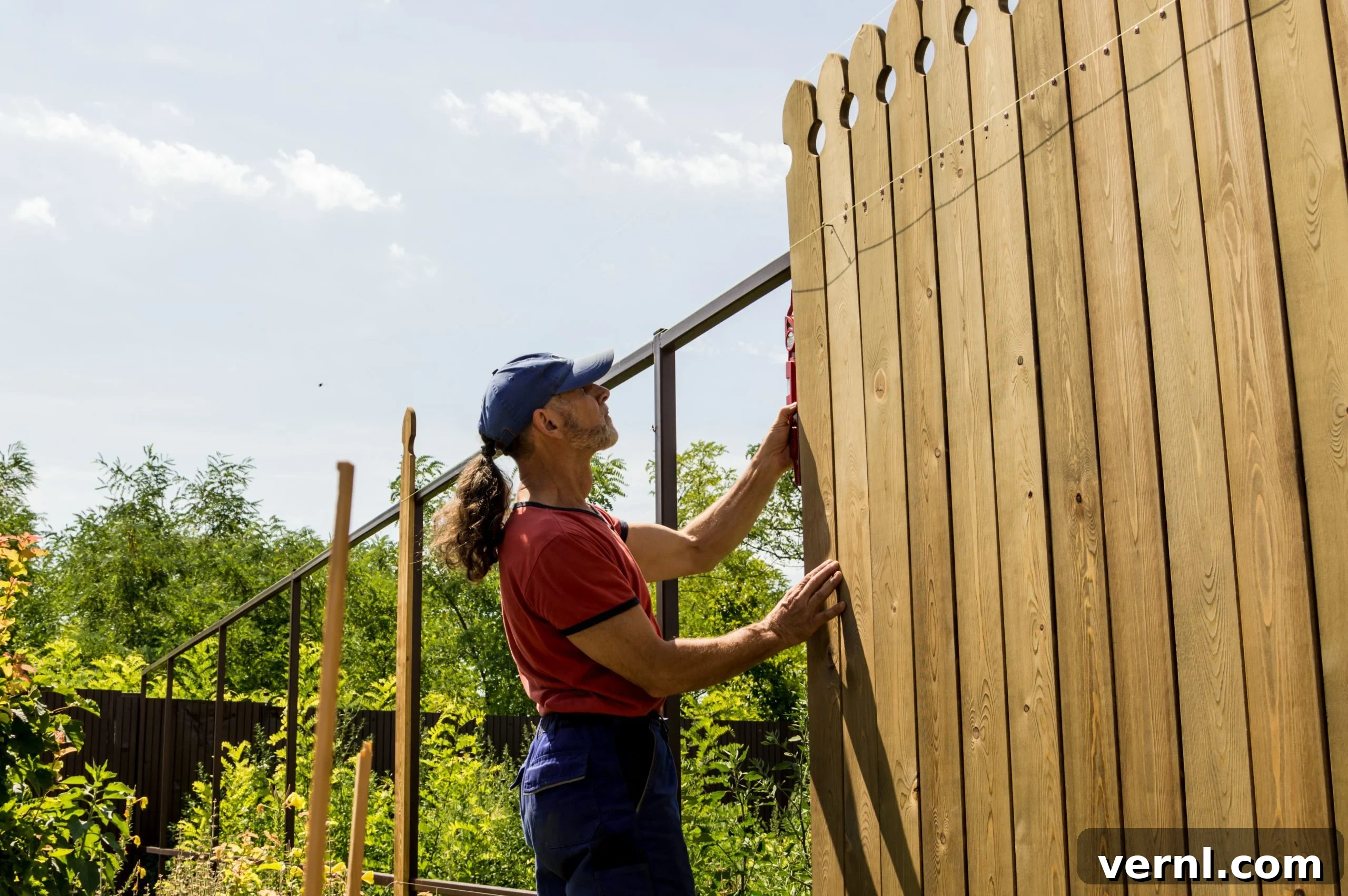
People often embark on fence installation projects for a myriad of reasons, each driven by unique needs and desires. For some, the primary motivation is to enhance privacy, creating a secluded haven from the outside world. Others seek practical solutions, such as keeping beloved pets safely within their yards or deterring unwanted wildlife from encroaching upon meticulously maintained gardens. Still, for many, the fundamental purpose revolves around clearly delineating property boundaries, establishing a definitive line between their land and that of their neighbors. In this last scenario, understanding precisely where those boundaries lie is paramount, and it may sometimes necessitate the removal of existing vegetation along the property line to accommodate the new fence structure.
However, such seemingly straightforward tasks can sometimes lead to unexpected complications. I recall a personal experience on a rural property where I needed to install a boundary fence. An unruly, creeping bush stood directly in the proposed path. Confidently, I armed myself with a chainsaw and a battery-powered circular saw, eager to tackle the obstruction. It wasn’t long before a burning sensation and an allergic reaction made it painfully clear that I was not just cutting a bush, but rather poison oak. By nightfall, my arms were swollen and weeping, requiring a cortisone shot to alleviate the intense pain and itching. This anecdote serves as a vivid reminder: while fence construction often appears to be a simple undertaking, it’s crucial to anticipate the unpredictable. Unforeseen challenges like rocky ground, uneven terrain, or persistent, problematic vegetation can quickly transform a seemingly simple job into a complicated, arduous, and sometimes painful endeavor. A truly resourceful DIYer possesses the ingenuity and determination to overcome such obstacles. Yet, there are undoubtedly instances where the additional investment in hiring a professional installer is not just worth it, but absolutely essential for a smooth and safe project completion.
What To Consider When Installing a Fence
Embarking on a fence installation project involves more than just selecting materials and digging post holes. Careful planning and consideration of various factors are crucial to ensure your new fence not only meets your aesthetic desires but also serves its intended purpose effectively and compliantly. The most critical starting point is to clearly define why you need a fence. The purpose will fundamentally dictate its design, material, height, and ultimately, its cost. For instance, if your main objective is to establish complete privacy, you’ll likely be looking at taller, solid panel designs, which are inherently more expensive than a shorter, open fence designed merely to keep pets in or mark property lines. As you envision a new fence gracing your property, here are some other paramount considerations that demand your attention:
Local Rules and Regulations
Fences are prominent structures that can significantly alter the visual landscape of a neighborhood, making them subject to a host of local regulations. Before you even think about purchasing materials or digging, it is imperative to consult with your local building department or planning commission. They can provide essential information regarding zoning laws, design restrictions, height limitations, and crucial setback requirements – the minimum distance your fence must be from property lines or public rights-of-way. Many communities impose specific aesthetic guidelines to maintain neighborhood uniformity, dictating everything from acceptable materials to color palettes. Additionally, depending on your community and the type of fence you plan to build, you may or may not need a building permit. Failing to secure necessary permits or adhere to local ordinances can result in costly fines, mandatory fence removal, or even legal disputes. Always check with your Homeowners Association (HOA) if applicable, as they often have even stricter rules than municipal governments, sometimes prohibiting certain fence types or heights entirely.
Neighbors
Your decision to install a new fence is rarely an isolated one; it invariably impacts your neighbors, especially those whose properties are adjacent to yours. While you have the right to build whatever you want within community limits, as long as it resides entirely on your property, a new fence could potentially block a neighbor’s cherished view, alter their sunlight exposure, or restrict a previously handy access route they might have used. Conversely, a new fence could just as easily provide mutual benefits, such as enhanced security or a cleaner aesthetic boundary for both parties. To foster positive community relations and avoid potential conflicts, it’s always advisable to engage in open and respectful communication with your neighbors early in the planning process. Discuss your intentions, share your plans, and listen to any concerns they might have. Sometimes, neighbors might even be willing to share the cost of a fence, particularly if it benefits both properties equally. Being a good neighbor throughout this process can prevent misunderstandings and contribute to a more harmonious living environment for everyone involved.
Terrain
The natural topography of your property plays a significant role in determining the feasibility and complexity of your fence installation. Uneven terrain, steep slopes, or rocky ground can present considerable challenges that influence both design choices and labor costs. Some fence types are inherently more adaptable to varied landscapes than others. For example, fences featuring rackable panels, which are designed to pivot and adjust their angle relative to the ground, offer an excellent solution for sloping properties. This design allows the fence line to follow the natural contours of the land seamlessly, eliminating unsightly gaps beneath the fence. This is often a much more sensible and aesthetically pleasing alternative to a stepped-panel design on sloped ground. Stepped panels, while simpler to install on slopes, create large, triangular openings underneath each panel. These gaps not only compromise privacy but also fail to prevent animals from passing through. Covering these gaps to achieve full enclosure can be a surprisingly costly and labor-intensive additional step. Properties with extremely rocky soil may also necessitate specialized digging equipment, such as a rock auger or even a jackhammer, increasing both the time and expense of the project. Conversely, soft or unstable soil might require deeper post holes or concrete footings to ensure long-term stability.
Cost
Cost is undeniably a primary consideration for almost any home improvement project, and fence installation is no exception. The total expenditure for your fence will be influenced by a multitude of interconnected factors. These include the complexity of the design you choose, the specific materials you select, the overall length of the fence run, the characteristics of your terrain, and crucially, whether you opt for a professional installation service or undertake the project as a do-it-yourself endeavor. Higher-end materials like wrought iron or premium composites will naturally command a higher price per linear foot than standard wood or chain link. Intricate designs, such as shadowbox or custom-built fences, require more labor and specialized skills, pushing up installation costs. Furthermore, difficult terrain, which may necessitate extra site preparation or specialized equipment, will add to the overall expense. Understanding how each of these variables contributes to the final cost is essential for effective budgeting and making informed decisions that align with your financial parameters.
Types of Fences
Fences come in an astonishing array of styles, each offering distinct advantages in terms of aesthetics, functionality, and durability. They can range from completely see-through structures designed for demarcation to solid, opaque barriers built for maximum privacy. Some are simple and rustic, while others are complex and highly engineered. Furthermore, fences can be temporary solutions for specific needs or permanent fixtures intended to last for decades. The most significant differentiating factor among these myriad options is the primary material from which they are constructed. Each material possesses unique characteristics, making some inherently better suited for certain designs or purposes than others. Here are the main options you’ll encounter when planning your fence project:
Wood
Wood fences remain one of the most popular and versatile choices, offering unparalleled design flexibility. With wood, homeowners can achieve a wide variety of looks, from classic picket fences that evoke charm and nostalgia, to robust panel fences offering complete privacy, to board-to-board and shadowbox designs that blend privacy with visual appeal. Rustic boundary fences made from split rails or rough-hewn timbers are also popular for larger, more naturalistic properties. Traditional styles like dog-ear, gothic, and stockade provide further design nuances. While lumber prices have fluctuated and generally seen an increase, making wood an increasingly costly option, it still holds the advantage of being the easiest material for most DIYers to work with, thanks to its common tools and straightforward installation processes. Different wood types, such as cedar, redwood, and pressure-treated pine, offer varying levels of natural resistance to rot and insects, as well as distinct appearances. A wood fence requires consistent maintenance, including regular cleaning, staining, or sealing to protect against weathering, moisture, and pests. However, with proper care and timely repairs, a well-maintained wood fence can last an impressive 20 years or even longer, making it a durable and timeless choice.
Vinyl
Vinyl fencing has surged in popularity as a low-maintenance, long-lasting alternative to wood. The primary vinyl fence designs typically include classic pickets, modern horizontal or vertical slats, and solid panels that mimic the look of wood. While the upfront cost of vinyl fencing is roughly comparable to, or slightly higher than, that of wood, its installation often proves easier and faster. This is largely due to the modular nature of vinyl systems; posts, rails, slats, and panels typically feature cleverly designed, easy-to-use connectors that snap or slide into place, significantly reducing labor time and the need for specialized tools. Vinyl is a highly durable material renowned for its resistance to rot, rust, insects, and harsh weather conditions, meaning it will not splinter, warp, or fade significantly over time. This translates to minimal maintenance requirements, usually just an occasional wash with soap and water to keep it looking new. A key consideration, however, is that color options for vinyl are generally more limited than with wood. If you desire a different color, you will need to use vinyl-safe paint, which requires specific preparation and product selection to ensure proper adhesion and longevity.
Metal
Metal fencing offers superior strength, security, and a sophisticated aesthetic, with materials typically including aluminum, steel, and classic wrought iron. While some avant-garde designs employing solid panels and horizontal slats are available, the most common and enduring option for metal fences involves pre-assembled panels featuring vertical balusters or pickets, often topped with decorative finials. Aluminum fencing is lightweight, rust-resistant, and requires very little maintenance, making it a popular choice for ornamental fences around pools or gardens. Steel and wrought-iron fencing, known for their exceptional strength and classic appeal, are significantly more expensive than other types of fencing and can be susceptible to rust if not properly maintained and coated. However, with appropriate galvanization, powder-coating, or regular painting, metal generally outlasts most other fence materials, providing decades of reliable service. Its open design allows for excellent visibility, making metal fencing ideal for properties where views are important or where a strong, secure barrier is needed without sacrificing openness. Installation can be more complex and usually requires professional expertise, particularly for welding or custom fabrication associated with wrought iron.
Composite
Composite fencing is an increasingly popular material, particularly for privacy fences, offering an eco-friendly and low-maintenance solution. Composite wood is ingeniously manufactured from a blend of recycled wood fibers and durable plastic resins, combining the aesthetic appeal of natural wood with the superior durability of synthetic materials. This innovative blend means composite fences resist common issues that plague traditional wood, such as rotting, splintering, warping, and insect infestation. While the initial cost of composite fencing tends to be higher than that of traditional wood, its long-term value is often realized through minimal maintenance requirements—no staining, sealing, or painting is ever needed, just occasional cleaning. Furthermore, because it often utilizes recycled materials, composite fencing is considered a green building product, appealing to environmentally conscious homeowners. It typically comes in pre-fabricated panels or tongue-and-groove planks, making installation relatively straightforward, though it can be heavier than wood. Composite fences are designed to maintain their appearance and structural integrity for many years, making them an excellent investment for homeowners seeking a beautiful, durable, and sustainable privacy solution.
Chain Link
Chain link fencing stands out as an inexpensive, utility-grade fence material, making it an excellent practical choice when the primary goals are security, containment, or demarcation rather than privacy or ornate aesthetics. It is particularly well-suited for keeping pets securely in a yard, defining property lines on a budget, or enclosing larger areas without obstructing views significantly. Constructed from galvanized steel, chain link fences are inherently rust-resistant and highly durable, capable of withstanding various weather conditions and impacts, ensuring a long-lasting service life. They require virtually no maintenance beyond occasional repairs if damaged. While its utilitarian appearance might not appeal to everyone, its functionality and cost-effectiveness are undeniable. For DIYers, however, installing a chain link fence can be surprisingly challenging. Stretching the mesh tautly between posts, securing it properly, and achieving a professional-looking finish requires specific tools and techniques that many homeowners may find difficult to master, often making it a job best left to experienced professionals to ensure proper tension and alignment.
Living Fences (Hedges and Trees)
For those who prioritize natural beauty, environmental integration, and a softer aesthetic, a living fence offers a truly unique and sustainable solution. While they may require years to fully mature and provide their intended function, strategically planted trees, bushes, or hedges can create stunningly beautiful, dynamic barriers that offer both privacy and effective property delineation. A dense row of fast-growing giant arborvitae, for example, can quickly grow into a formidable visual barrier, perfectly demarcating a property line and offering substantial privacy for a large rural property. In more compact, urban settings, meticulously trimmed boxwood hedges can provide classic, elegant borders that define space without overwhelming it, adding a touch of sophisticated charm. Other popular choices include privet, holly, laurel, or even bamboo (though bamboo requires careful containment). The advantages of living fences extend beyond aesthetics; they contribute to local ecosystems, provide habitat for wildlife, improve air quality, and can even reduce noise pollution. However, they demand ongoing maintenance, including regular watering, pruning, and fertilization, to ensure they grow healthily and maintain their desired shape and density. Unlike traditional fences, they are also susceptible to disease and pest issues, which require diligent care.
Professional vs. DIY Fence Installation
The decision to install a fence yourself or hire a professional contractor is a pivotal one, influencing project cost, timeline, and overall outcome. As evidenced by the abundance of online tutorials and guides, fence installation is generally considered a DIY-friendly project for many homeowners. However, the true practicality of undertaking the job yourself depends heavily on several critical factors, including the type of material chosen, the overall length and complexity of the fence, the nature of your terrain, and your personal timeline and skill set.
- Material Matters: Wood, vinyl, and composite fences are typically the most accessible materials for DIY enthusiasts. Their components are often manageable in size, and installation methods usually involve common tools and techniques that a reasonably handy homeowner can master. In contrast, metal fencing (especially wrought iron or custom steel) and chain link fences often present greater challenges. Metal fabrication, welding, or the precise tensioning required for chain link fences generally demand specialized tools, techniques, and experience that are usually best left to seasoned professionals to ensure structural integrity and a polished finish.
- Terrain Challenges: The ground conditions can significantly complicate a DIY project. Rocky, compacted ground, or soil filled with tree roots, may necessitate specialized digging equipment, such as heavy-duty augers or even hydraulic post-hole diggers, which are expensive to rent and difficult to operate safely. Similarly, steeply sloping or highly uneven ground requires advanced installation skills to ensure posts are plumb and panels are correctly racked or stepped, maintaining both aesthetics and functionality. DIYers without experience in surveying or grading may struggle to achieve professional results in such conditions.
- Logistics and Labor: Transporting materials for long or complex fences can be an arduous task. Large quantities of lumber, heavy vinyl panels, or rolls of chain link mesh require a truck or trailer, and moving them around the property demands significant physical labor. If you don’t have suitable transportation or a crew of helpers, managing materials can become a major logistical hurdle. Professional contractors, on the other hand, arrive with all necessary equipment, materials, and an experienced team, streamlining the entire process.
- Time and Expertise: A professional contractor, equipped with an experienced crew and specialized tools, can build a fence much faster and more efficiently than an individual DIYer. What might take a homeowner several weekends or even weeks to complete, a professional team can often finish in a matter of days. If you have a tight deadline or simply wish to avoid the physical demands and learning curve, professional installation offers invaluable time savings and peace of mind, backed by warranties on both labor and materials. Consider your available time, physical capabilities, and willingness to learn new skills when making this crucial decision.
Fence Installation Cost
The total cost of fence installation can vary widely, making it one of the most significant factors in planning your project. According to data from reputable sources like The Home Depot, fencing installation costs are subject to significant regional variations, with prices typically highest in areas like New England and the Pacific Northwest, and generally more affordable in the Southern states. Beyond geography, a multitude of other factors contribute to the final price tag, including the chosen material, the complexity of the design, the number and type of gates incorporated, specific soil conditions, property layout, terrain considerations, and local permit requirements. On average, homeowners can anticipate paying anywhere between $4,000 and $6,000 for the professional installation of a 150-foot fence. However, it’s crucial to understand that this is merely a ballpark figure, and actual costs can be significantly lower or much higher depending on the specific circumstances of your project.
A detailed breakdown of material costs per linear foot provides a clearer picture:
- Wood: Expect to pay approximately $15 – $35 per linear foot. This range accounts for different wood species (e.g., pressure-treated pine being less expensive than cedar or redwood), board types, and fence styles (e.g., picket vs. full privacy). Custom designs will push costs higher.
- Vinyl: Vinyl typically ranges from $20 – $45 per linear foot. While initially higher than some wood options, vinyl’s low maintenance needs can lead to long-term savings. Variations depend on panel style, height, and grade of vinyl.
- Metal (Aluminum, Steel, Wrought Iron): This is generally the most expensive category, costing $35 – $60 per linear foot. Aluminum is on the lower end, offering a lighter, rust-resistant option, while steel and genuine wrought iron, known for their strength and ornamental beauty, fall on the higher end due to material cost and complex installation.
- Composite: With prices from $11 – $45 per linear foot, composite fencing sits in a similar range to wood and vinyl, but its durability and low maintenance justify the investment. Cost varies based on brand, panel style, and quality of the composite blend.
- Chain Link: The most budget-friendly option, typically $15 – $30 per linear foot. The price depends on the height, gauge of the wire, and any additional coatings (e.g., vinyl-coated chain link is more expensive than galvanized).
Labor costs represent a substantial portion of professional installation expenses. Some contractors charge by the linear foot for installation services, with a typical range being $5 to $20 per linear foot, depending on the fence type, complexity, and local labor rates. Other contractors opt for an hourly rate, which usually falls between $30 to $75 per hour per installer. These labor costs often include site preparation, digging post holes, setting posts, assembling panels, and general clean-up. By choosing to do the job yourself, you can eliminate a significant percentage of these labor costs, leading to substantial savings. However, remember to factor in the cost of tool rentals, materials, and your own time and effort when evaluating DIY savings. Additionally, don’t forget potential extra costs such as gate installation (gates are often priced separately), specialized hardware, finishing treatments (like paint or stain), and the removal and disposal of any old fencing. Always obtain multiple quotes from different contractors to compare pricing and services before making a final decision.
Also, check out these tips for fence repair to maintain your investment over time.