
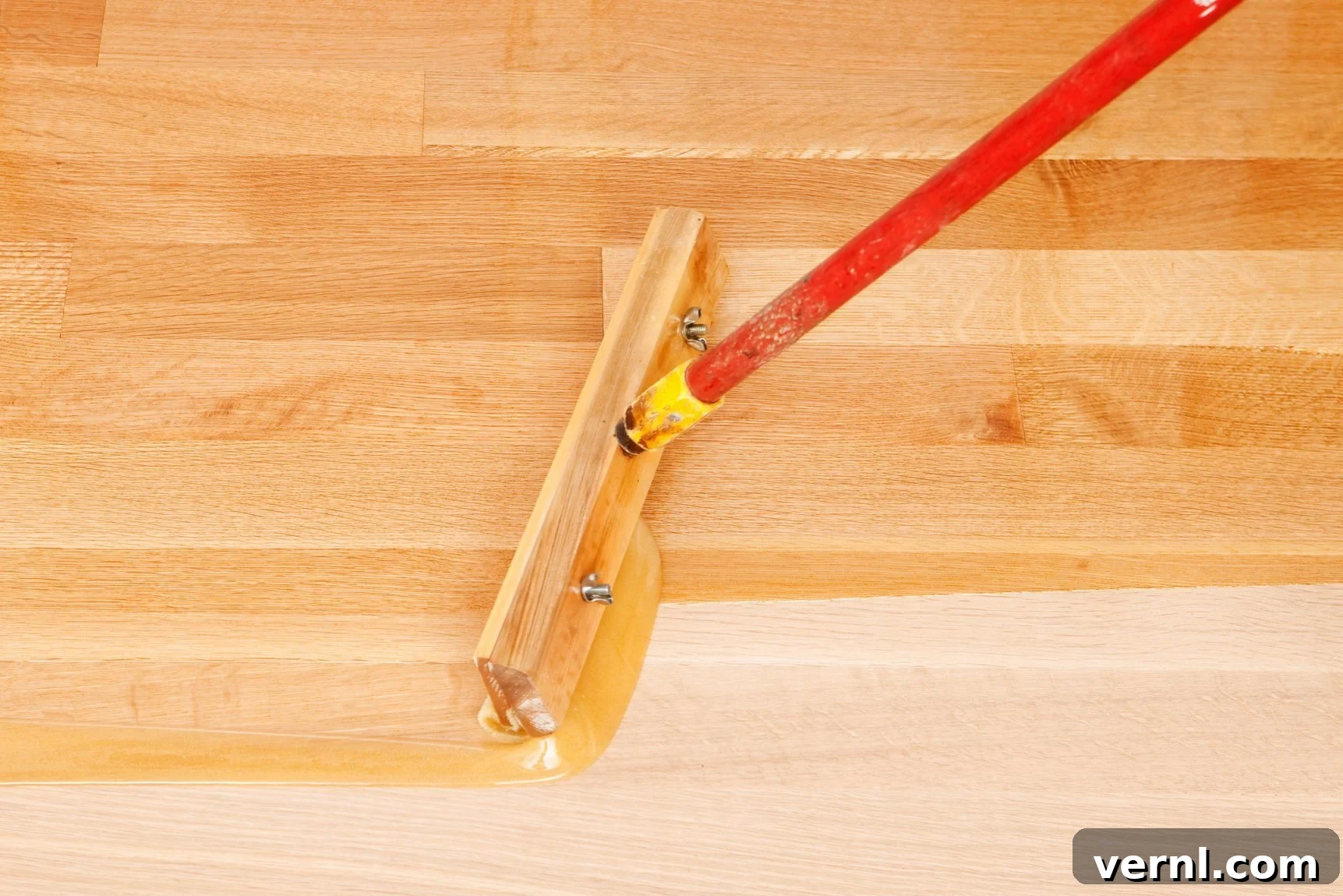
A beautiful finish coat is the hallmark of quality woodworking. It doesn’t just add a layer of protection; it enhances the wood’s natural beauty, making a good project shine or an exceptional one truly remarkable. However, choosing the right finish can be daunting, even for seasoned DIY enthusiasts, given the vast array of options available. The wrong choice can transform a painstakingly crafted piece into something subpar, while the right one elevates it to a professional standard.
At first glance, the world of wood finishes—spanning polyurethanes, lacquers, varnishes, and more—can seem overwhelming. Each product boasts unique characteristics, offering distinct benefits and potential drawbacks depending on your project’s specific needs and its intended environment. To help demystify these choices, we’ve consulted with experienced woodworkers, professional painters, and master furniture makers. Their insights will guide you through the key differences between three of the most popular options: polyurethanes, lacquers, and varnishes, helping you select the perfect product for your next DIY application.
What Is Polyurethane Wood Finish?
If the word “polyurethane” conjures images of plastic, you’re on the right track. Essentially a liquified plastic resin, polyurethane (often shortened to “poly”) is a synthetic finish that hardens into a durable, protective layer upon application. It’s widely available in various sheens, from ultra-matte to high-gloss, allowing you to achieve the exact aesthetic you desire. You can even find convenient stain/poly combos that simplify the finishing process by coloring and protecting in one step.
Polyurethane is renowned for forming a thicker, more robust protective barrier compared to lacquers or traditional varnishes. Anthony Lara, president and owner of Picazzo Painting, with over 30 years of experience, consistently praises polyurethane’s exceptional durability. “If you’ve got a busy household or high-traffic areas, this could be your hero,” Lara states, emphasizing its resilience against daily wear and tear. This makes it an ideal choice for surfaces that endure frequent use, such as dining tables, countertops, and flooring.
However, this same thick, plastic-like layer, while incredibly protective, presents a challenge if damage occurs. “Repairing that thick, plastic-like layer isn’t a walk in the park,” Lara cautions, noting that spot repairs can be difficult to blend seamlessly. Despite this, polyurethane remains a popular option for beginners because its initial application is quite forgiving, offering ample working time before drying. Nick O’Keefe of Oak City Coatings stresses the importance of thoroughly understanding the product you’re using. He points out that many DIYers and even some professionals overlook manufacturer instructions, leading to common mistakes. Proper surface preparation and correct application methods are crucial for any finish, but especially for poly, to ensure optimal adhesion and durability.
Polyurethane comes in two primary forms: oil-based and water-based. Oil-based polyurethane tends to be more durable and provides a warm, amber tone that deepens with age, but it also has a longer drying time and higher Volatile Organic Compound (VOC) content. Water-based polyurethane, on the other hand, dries faster, emits fewer VOCs, and offers a clearer finish that won’t yellow over time, making it suitable for lighter woods or painted surfaces. While water-based options are generally easier to clean up with water, they might not offer the same ultimate hardness as their oil-based counterparts.
Key Characteristics of Polyurethane:
- Best Uses: High-traffic areas, floors, tabletops, cabinets, doors, and furniture requiring maximum protection against scratches and moisture.
- Durability: Exceptionally high, especially oil-based varieties.
- Dry Time: Medium (typically two to four hours between coats for water-based; six to 24 hours for oil-based). Requires patience, especially for multiple coats.
- Ease of Application: Generally easy and forgiving for beginners, with good self-leveling properties.
- Application Methods: Can be applied with a brush, foam applicator, wipe-on pad, or spray gun. Wipe-on poly is particularly user-friendly for even application.
- Cost: Low to medium ($10 to $25 per quart), offering excellent value for its protective qualities.
- Safety and Sustainability: Water-based polyurethanes are low-odor, easy to clean up with water, and have low VOCs. Oil-based polyurethanes have higher VOC levels and require mineral spirits for cleanup, necessitating good ventilation and protective gear.
What Is Lacquer?
Lacquer is a clear, fast-drying finish renowned for its sleek, smooth appearance and its unique application properties. Unlike varnishes and polyurethane wood finishes, lacquer does not typically require sanding between coats. This is due to its composition: the solvents in a fresh coat of lacquer slightly dissolve and “melt” into the previous layer, creating a single, monolithic film. This fusion process eliminates the witness lines often seen between coats of other finishes and results in an incredibly smooth, continuous protective surface that looks and feels seamless.
Anthony Lara highlights lacquer’s ability to “bring out the wood’s natural beauty, making those grain patterns accentuated.” He adds, “You’ve got options, too — you can go high-gloss or dial it down to a more mellow matte,” offering versatility in aesthetic appeal. Phi Dang, industry veteran and owner of Newline Painting, appreciates lacquer’s smooth and polished look, which is often favored for fine furniture. However, Dang notes a trade-off: “the thinner layers make it more susceptible to scratches, and it may not offer the durability needed for a high-traffic area.” While durable, lacquer is generally considered less resistant to heavy impact and abrasion than polyurethane.
Many DIYers prefer spray-on lacquers due to their incredibly easy application and exceptionally quick dry time. The rapid drying is a significant advantage, particularly in environments prone to dust or pollen, as it minimizes the window for airborne contaminants to settle on the wet finish. If you can maintain a clean environment for just half an hour, your project is likely to be safe from dust nibs. This speed also allows for multiple coats to be applied within a single day, greatly reducing project completion time. While brushing lacquer is possible, it can be challenging due to its fast-drying nature, which leaves little time for brushing out imperfections before the finish sets.
Key Characteristics of Lacquer:
- Best Uses: Fine furniture, musical instruments, detailed woodwork, cabinetry, and items where a super-smooth, glass-like finish is desired. Also excellent for projects requiring quick turnaround.
- Durability: Durable against general handling and wear, but less resistant to heavy impact, chemicals, and extreme heat compared to polyurethane.
- Dry Time: Extremely fast (around 30 minutes, with some types dry to the touch in as little as five minutes). Allows for multiple coats in a short period.
- Ease of Application: Spray application is very easy, yielding professional results quickly. Brush application is more challenging due to fast drying.
- Application Methods: Primarily spray application for best results, though specialized brushing lacquers exist.
- Cost: Medium (about $20 per quart), but can vary based on type (e.g., nitrocellulose vs. pre-catalyzed).
- Safety and Sustainability: Lacquer is typically high in VOCs and produces strong fumes. Always use a high-quality respirator with vapor-rated filters, ensure excellent ventilation, and wear appropriate skin protection when applying.
What Is Varnish?
Varnish is a traditional wood finish known for its robust protection, particularly against environmental elements. Our panel of experts unanimously agreed on varnish as the premier choice for outdoor furniture and other exterior wood applications. Phi Dang specifically highlighted its superior UV protection, making it an undisputed favorite for anything exposed to the sun’s harsh rays, from patio furniture to boat brightwork and deck railings.
Anthony Lara echoes this sentiment regarding varnish’s outdoor capabilities but stresses a crucial point for DIYers: “varnishes take their time to dry.” This slow drying process is integral to varnish’s performance, allowing it to level beautifully and penetrate the wood surface more effectively. However, Lara warns that rushing the process or attempting to apply subsequent coats too soon can lead to “peeling, cracking or even bubbles forming,” compromising both the aesthetic and protective qualities of the finish. Patience is paramount when working with varnish.
Varnish formulations combine resins, oils (like tung oil or linseed oil), and solvents. The oil content contributes to its flexibility and resistance to moisture, while the resins provide hardness and durability. The slow curing process of varnish allows the oils to penetrate and the resins to form a tough, elastic film that can expand and contract with the wood in response to temperature and humidity fluctuations, a critical feature for outdoor pieces. There are various types of varnish, but “spar varnish” is specifically formulated for marine environments and outdoor use, offering exceptional water, salt, and UV resistance.
Key Characteristics of Varnish:
- Best Uses: Outdoor furniture, boats, decks, exterior doors, window frames, and any wooden item exposed to harsh weather conditions, heat, or humidity.
- Durability: High against outdoor conditions, especially moisture, UV radiation, and temperature changes (spar varnish excels here). Moderate against high usage and abrasion compared to polyurethane.
- Dry Time: Long (four to 24 hours between coats, sometimes longer depending on humidity and ventilation). Requires careful adherence to manufacturer’s recoat times.
- Ease of Application: Medium. Relatively easy to apply smoothly with a brush, but requires patience due to long drying times and the need for multiple coats.
- Application Methods: Typically applied by brush, which allows for good control and penetration. Some specialized conversion varnishes are sprayed, but brush application is more common for DIY exterior projects.
- Cost: High ($25 to $40 per quart), reflecting its specialized ingredients and superior outdoor protection.
- Safety and Sustainability: Varnish generally falls between polyurethanes and lacquers in terms of VOCs and environmental impact. Good ventilation is always recommended, and solvent-based varnishes require mineral spirits for cleanup.
Lacquer vs. Polyurethane: A Detailed Comparison
When choosing between lacquer and polyurethane, two fundamental differences stand out: their adhesion mechanisms and their respective dry times. Understanding these distinctions is crucial for selecting the right finish for your project.
- Adhesion Type: Polyurethane finishes form a film that sits on top of the wood surface, creating a protective shell. Each subsequent coat of polyurethane adheres to the previous one, forming distinct, separate layers. This is why it’s typically necessary to lightly sand between coats of polyurethane – to provide “tooth” for the next layer to grip effectively. In contrast, lacquers are unique because they “burn in” or melt into the lower layers. When a new coat is applied, the solvents in the fresh lacquer slightly dissolve the cured lacquer beneath it, allowing the layers to chemically fuse into a single, cohesive, solid film. This self-leveling and self-amalgamating property is why sanding between lacquer coats is usually unnecessary, saving significant time and effort.
- Dry Time: This is perhaps the most noticeable difference for DIYers. Water-based polyurethanes can take hours to dry to the touch, requiring several hours between coats. Oil-based polyurethanes demand even more patience, often needing 6 to 24 hours (or more, depending on conditions) to cure sufficiently before recoating. Lacquers, on the other hand, are renowned for their incredible speed; they typically dry to the touch in a half-hour or less, and sometimes in as little as five minutes. This rapid drying allows for multiple coats to be applied within a single day, dramatically accelerating project completion.
Beyond these primary distinctions, other factors differentiate the two. Lacquer is often preferred for its ability to produce an incredibly smooth, almost glass-like finish that accentuates the wood grain. It’s often chosen for fine furniture, decorative items, and musical instruments where a high-end, polished aesthetic is paramount. Its thinner film, however, makes it somewhat less resistant to heavy impact or chemical spills compared to the robust plastic-like layer of polyurethane.
Polyurethane, with its thicker, more durable film, is the go-to for items requiring superior protection against abrasion, moisture, and general wear. Think floors, kitchen cabinets, tabletops, and children’s furniture. While repairs on polyurethane can be challenging due to its layered structure, its overall resistance to damage often outweighs this drawback for high-use items. Lacquer, though less impact-resistant, can be easier to repair through spot applications that melt into the surrounding finish, although achieving an invisible repair still requires skill.
In summary, lacquers are particularly good choices for figurines, jewelry boxes, or other items that will frequently be touched and appreciated for their smooth feel, or for projects where speed and a high-gloss finish are priorities. Polyurethane, conversely, works best on floors, shelving, and items that will be walked on, frequently used, or subjected to significant abuse, offering a long-lasting, resilient barrier.
Varnish vs. Polyurethane: Navigating the Elements
The primary distinguishing factor between varnish and polyurethane lies in their differing strengths against environmental stressors, particularly water and sunlight, and their respective flexibilities.
- Resistance to Elements: Varnish, especially spar varnish, is formulated with higher oil content and often includes UV inhibitors, granting it superior resistance to water penetration, harsh sunlight, and the damaging effects of weather exposure. It’s designed to protect wood in outdoor settings, preventing greying, checking, and rot. Polyurethane offers excellent water resistance and can certainly be used outdoors, but it generally doesn’t contain the same level of UV protection or flexibility as a dedicated exterior varnish. Over time, UV radiation can degrade the polyurethane film, leading to cracking or peeling if not specifically rated for outdoor use.
- Flexibility: Varnish is more flexible than polyurethane, allowing it to expand and contract with the wood as ambient temperature and humidity levels fluctuate. This elasticity is vital for outdoor applications where wood is constantly exposed to changing conditions, helping to prevent cracking and delamination of the finish. Polyurethane, while durable, forms a harder, more rigid film. While it has some flexibility, it’s generally less elastic than varnish, which can make it more prone to cracking on wood that undergoes significant dimensional changes due to weather.
“Varnish is the outdoor protector, and polyurethane is the heavy-duty defender,” Anthony Lara succinctly puts it. This analogy perfectly encapsulates their primary applications. Varnish is the common choice for outdoor furniture, boat brightwork, and exterior doors where resistance to the elements is paramount. Polyurethane excels indoors, where its superior abrasion resistance protects against daily wear and tear.
For applications with intense outdoor exposure, such as marine environments or regions with extreme weather, always look for ‘spar’ varnishes or urethanes. The term “spar” originates from boat building, where these finishes were used to protect the wooden spars (masts and booms) of sailing vessels. Spar finishes are specifically engineered for nautical settings, boasting exceptional resistance to saltwater, intense UV radiation, and broad temperature swings. The trade-off for this extreme weather protection is often a slightly softer film that might be less resistant to scuffs and scratches compared to interior polyurethanes. This is acceptable in nautical contexts, as boat wood is typically refinished more regularly as part of routine maintenance.
When selecting between these two, consider the environment your project will inhabit. For indoor pieces that need to withstand spills, scratches, and frequent handling, polyurethane is the clear winner. For anything destined for the great outdoors, enduring sun, rain, and fluctuating temperatures, a high-quality varnish (especially spar varnish) offers unmatched protection and longevity.
Choosing the Right Finish for Your Project: A Decision Guide
Making the final decision among polyurethane, lacquer, and varnish involves weighing your project’s specific requirements against the unique properties of each finish. Consider these factors:
- Project Location (Indoor vs. Outdoor): This is often the most critical factor. For outdoor items exposed to sun and rain, varnish (especially spar varnish) is the undisputed champion. For indoor items requiring heavy-duty protection against daily use, polyurethane is ideal. Lacquer is generally best suited for indoor fine furniture.
- Desired Durability: If your project will endure high traffic or heavy use (floors, dining tables), polyurethane’s hard, abrasion-resistant film is superior. For decorative pieces where a pristine appearance is key and light handling is expected, lacquer can be sufficient. Varnish offers excellent environmental durability but may be less scratch-resistant than poly for interior applications.
- Aesthetic Preference: Do you want a warm, amber tone that deepens with age (oil-based poly, many varnishes), or a crystal-clear finish that preserves the wood’s natural color (water-based poly, some lacquers)? How about the sheen—high-gloss, satin, or matte? All three finishes offer a range, but lacquer is renowned for its ability to produce an incredibly smooth, high-gloss surface.
- Application Method & Skill Level: Beginners might find polyurethane (especially wipe-on versions) or spray lacquer easier due to their forgiving nature or quick drying. Brushing lacquer requires a practiced hand. Varnish demands patience due to its long drying times, but is relatively easy to brush.
- Time Constraints: If you need to complete a project quickly with multiple coats, lacquer’s rapid dry time is a huge advantage. Polyurethane and especially varnish will significantly extend your project timeline.
- Safety & Ventilation: Consider the VOC content and fumes. Water-based polyurethane is the most user-friendly indoors. Lacquer requires excellent ventilation and respiratory protection. Oil-based poly and varnish also require good ventilation.
Application Tips for a Flawless Finish
Regardless of the finish you choose, achieving a professional-looking result hinges on meticulous preparation and careful application:
- Surface Preparation is Key: Always start with a clean, smooth, and dry surface. Sand thoroughly through progressively finer grits (e.g., 120, 180, 220-grit) and remove all sanding dust before applying any finish.
- Read the Label: Every product is different. Pay close attention to the manufacturer’s instructions regarding application methods, dry times, recoat windows, and safety precautions.
- Work in a Clean Environment: Dust is the enemy of a smooth finish. Work in a well-ventilated, dust-free area as much as possible. Consider misting the floor with water to keep dust down.
- Thin Coats are Best: Avoid applying thick coats, which can lead to drips, sags, bubbles, and slow drying. Multiple thin coats build up durability and provide a smoother finish than one heavy coat.
- Proper Tools: Use high-quality brushes, foam applicators, or spray equipment appropriate for your chosen finish. Clean your tools thoroughly immediately after use.
- Test, Test, Test: Always test your finish on a scrap piece of the same wood used in your project to ensure you like the color, sheen, and application results.
Conclusion: Empowering Your Woodworking Journey
Choosing the right wood finish is a crucial step that can profoundly impact the longevity, beauty, and overall success of your woodworking projects. While polyurethane, lacquer, and varnish each offer distinct advantages, understanding their core differences empowers you to make an informed decision tailored to your specific needs. Whether you prioritize the unparalleled durability of polyurethane for high-traffic indoor areas, the rapid application and sleek aesthetic of lacquer for fine furniture, or the robust outdoor protection of varnish for exterior pieces, there’s a perfect finish waiting for your project.
By considering factors like desired durability, aesthetic appeal, application ease, and environmental exposure, you can confidently navigate the options. Remember the expert advice: meticulous preparation, adherence to manufacturer guidelines, and patience are your best allies in achieving a flawless, long-lasting finish that truly makes your woodworking shine. Happy finishing!