
Revolutionize Your Garden: The Viral Tulle Hack for Pesticide-Free Pest Control
There’s nothing more disheartening for a dedicated gardener than watching your meticulously nurtured vegetable garden fall victim to hungry pests just as harvest season approaches. The sight of chewed leaves, damaged fruits, or disappearing seedlings can turn excitement into frustration. While traditional pesticides offer a seemingly quick solution against persistent rats, deer, and various insects, they come with a significant downside: the potential to leach harmful chemicals into your food, soil, and local ecosystem. This poses a serious dilemma for gardeners who prioritize both bountiful yields and healthy, organic produce free from synthetic contaminants.
Fortunately, the gardening world is buzzing with an ingenious, eco-friendly solution that’s taken social media by storm. Thanks to TikToker Rhonda Moffit (@rhondamoffit), you can now safeguard your precious crops, from beloved tomatoes to crisp cabbage, without resorting to any dangerous chemicals. This viral garden pest control hack is not only remarkably effective but also incredibly simple and budget-friendly, requiring just one key material: tulle fabric. This comprehensive guide will delve into everything you need to know about this game-changing technique, empowering you to implement it in your own backyard for a truly pest-free gardening experience, cultivating healthier food and a more vibrant garden.
The Genius Behind the Viral Pest-Free Garden Hack
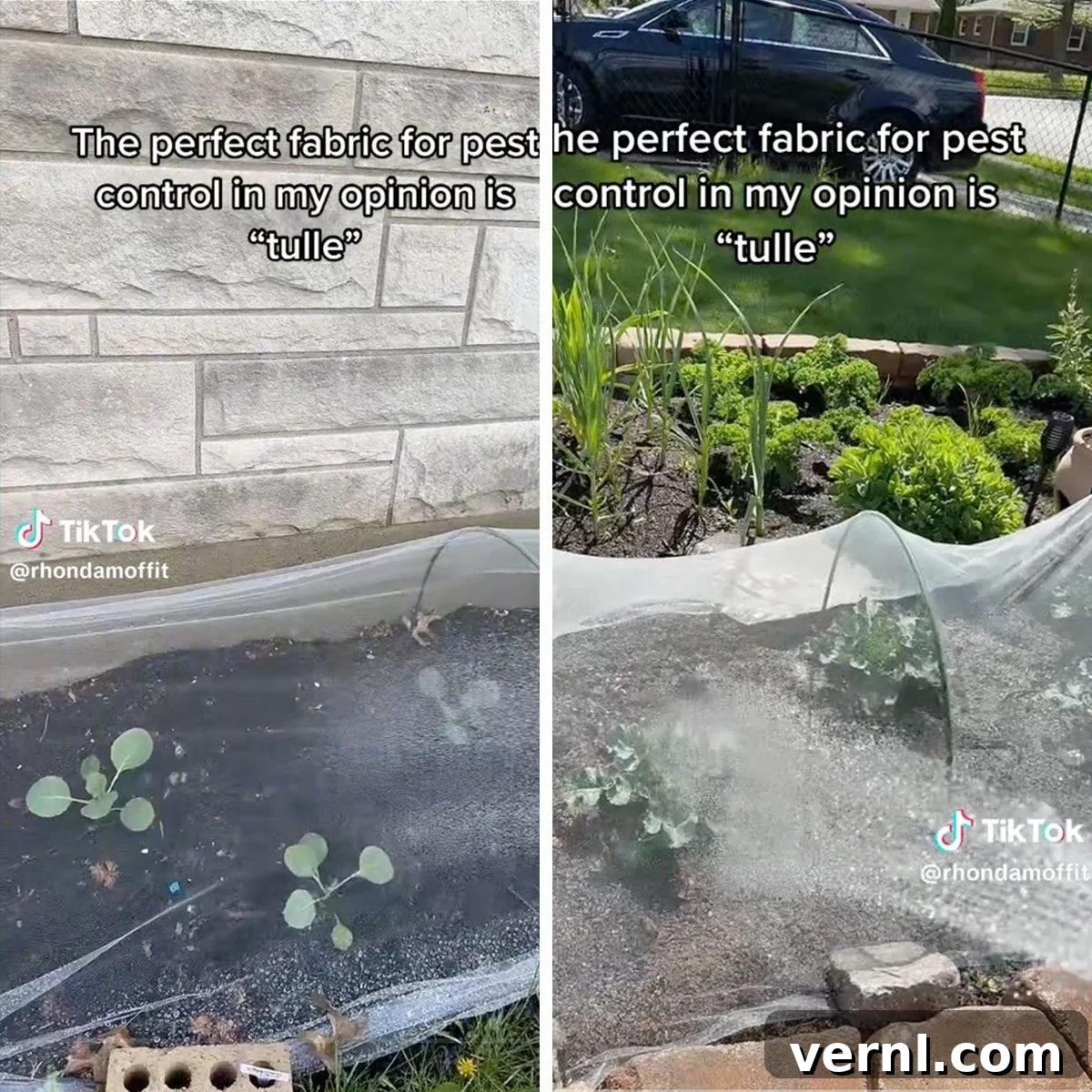
Rhonda Moffit’s viral video, which quickly captured the attention of countless gardeners, beautifully illustrates the practicality and effectiveness of this method. In the video, Moffit demonstrates herself watering her garden beds, which are snugly protected beneath elegant tunnels crafted from tulle. Her enthusiastic voiceover highlights the primary reason for her love of tulle: its exceptional breathability and permeability. As she explains, tulle is the “perfect breathable material” that allows water to “go right through,” eliminating the tedious task of removing and replacing covers every time you need to water your plants. This simple yet profound benefit alone makes it a standout choice for busy gardeners seeking efficient and effective pest management.
@rhondamoffit The perfect fabric for protection for things like cabbage worms is “tulle” #mybackyardgrocerystore #hairdresserswithgardens #gardenpests #tulle ♬ original sound – Rhonda Moffit19
Why Tulle Stands Out from Other Garden Protections
While the concept of using protective barriers or “grow tunnels” to shield plants from pests is not new, the choice of material often makes all the difference in terms of effectiveness, ease of use, and cost. Many gardeners traditionally use specialized fabric netting, row covers, or plastic sheeting to create these protective environments. These materials can certainly deter larger nuisances like rodents, deer, rabbits, and other peckish animals. However, they frequently come with several drawbacks that can make gardening more challenging and less sustainable.
For instance, specialized garden netting can be quite expensive, sometimes costing significantly more per yard than readily available tulle. Plastic covers, while offering initial protection, often create excessive heat build-up beneath them, potentially “cooking” sensitive plants and requiring constant monitoring and ventilation. Furthermore, many of these traditional materials are not designed for direct watering. This necessitates their frequent removal and reapplication every time irrigation is needed—a time-consuming and often frustrating chore that Moffit’s hack cleverly avoids. These factors often lead gardeners to seek more efficient and less labor-intensive solutions.
In stark contrast, tulle offers a superior combination of features that directly address these common challenges, making it an ideal choice for modern organic gardening:
- Unrivaled Breathability and Water Permeability: Tulle’s open, delicate weave ensures exceptional air circulation around your plants. This is critically important for preventing the build-up of humidity, which can lead to fungal diseases like powdery mildew, and for ensuring plants receive adequate fresh air for robust growth. More importantly, water—whether from rain or your watering can—penetrates directly through the fabric without resistance. This means you can irrigate your plants as usual without any obstruction, saving considerable time and minimizing disruption to the plants themselves.
- Exceptional Cost-Effectiveness: One of tulle’s most appealing attributes is its affordability. Typically priced around $2 per yard (or even less when purchased in bulk), it presents a significantly cheaper alternative to most commercial garden nettings and specialized row covers. This low cost makes comprehensive pest protection accessible to gardeners on virtually any budget, from hobbyists to those managing larger plots.
- Superior Fine Mesh Protection: Perhaps tulle’s greatest strength lies in its remarkably fine weave. This delicate mesh acts as an impenetrable barrier not only against larger animals but also against a wide array of smaller, often more destructive, garden invaders. Unlike wider-weave nettings that might allow tiny insects to slip through, tulle effectively keeps out notorious culprits such as cabbage worms, aphids, flea beetles, squash bugs, cucumber beetles, slugs, snails, and even certain types of destructive moths and flies that lay eggs on your crops. This level of comprehensive protection against tiny invaders is unparalleled by many other garden fabrics on the market, safeguarding your plants from the earliest stages of their life cycle.
- Optimal Light Transmission: Despite its fine weave, tulle allows ample sunlight to reach your plants, ensuring they receive the necessary light for photosynthesis. This means your plants can grow vigorously, develop strong structures, and produce abundant yields, all while being safely shielded from pests. The light diffusion can even provide a slight shading effect during intense heat, which can be beneficial for some delicate plants.
The rise of the tulle hack highlights a growing desire among gardeners for sustainable, chemical-free solutions that are both effective and easy to implement. Social media platforms like TikTok have become powerful conduits for sharing such innovative ideas, allowing gardeners worldwide to benefit from collective wisdom and creative problem-solving, fostering a community of natural growing enthusiasts.
Considering the Trade-Offs: Potential Downsides of Using Tulle
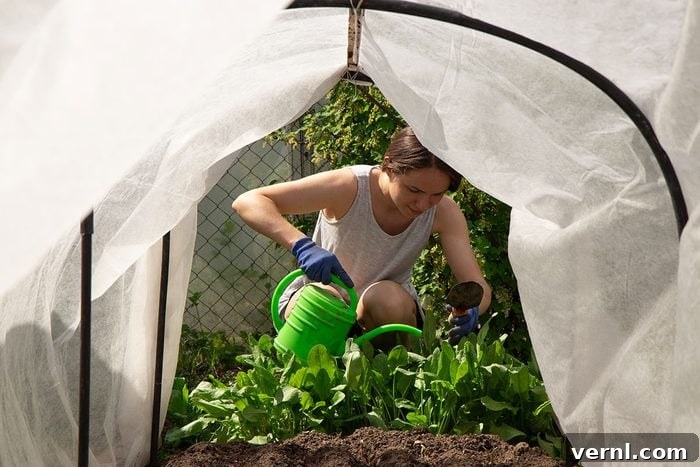
While the tulle garden hack offers numerous undeniable advantages, it’s important for gardeners to be aware of its potential drawbacks to ensure optimal results and make informed decisions tailored to their specific garden and plant types. Understanding these limitations allows for strategic application of the method and can help prevent unexpected challenges. There are two primary considerations when incorporating tulle into your pest management strategy:
The Pollination Conundrum
The very feature that makes tulle so effective at keeping harmful pests out—its remarkably fine weave—also presents a significant challenge: it can inadvertently prevent beneficial insects, specifically crucial pollinators like bees, butterflies, and hoverflies, from reaching your plants. Many garden vegetables and fruits, such as tomatoes, squash, zucchini, cucumbers, peppers, pumpkins, and most fruit trees, rely heavily on insect pollination to develop and produce fruit. If these plants are continuously covered by tulle during their flowering period, their yield can be severely impacted or even completely prevented, leading to frustration despite the lack of pest damage.
With this in mind, the tulle tunnel method is best suited for plants that do not require insect pollination for their edible parts. These typically include:
- Self-pollinating plants: While some self-pollinating plants like tomatoes, beans, and peas can benefit from insect visits that improve fruit set, they are capable of producing fruit without them.
- Wind-pollinated plants: Crops such as corn primarily rely on wind for pollination, making tulle less of a hindrance, although careful timing or temporary removal might still be considered.
- Plants grown for their leaves, roots, or stems: This category is where tulle truly shines and can be used continuously without concern for pollination. Examples include a wide array of leafy greens (lettuce, spinach, kale, arugula, Swiss chard), root vegetables (carrots, radishes, beets, turnips, potatoes, onions), and stem vegetables (asparagus, celery). The brassica family, prominently featured in Moffit’s video, including cabbage, broccoli, cauliflower, Brussels sprouts, kohlrabi, and collard greens, are perfect candidates for continuous tulle protection as their edible parts (leaves, heads, stems) are not dependent on insect pollination. Protecting these from cabbage worms, flea beetles, and other leaf-eating pests is where tulle truly excels.
For plants that absolutely require insect pollination, you have a few strategic options: you can temporarily remove the tulle during the plants’ peak flowering period each day to allow pollinators access, then recover them. Alternatively, if your garden is small enough, you can consider hand-pollinating these plants, which involves manually transferring pollen. Another strategy is to use tulle only during the plants’ vulnerable seedling stage or when specific destructive pests are most active, removing it once plants are established and begin to flower, or after they have set fruit. This careful consideration ensures you get the protective benefits of tulle without sacrificing your harvest due to lack of pollination.
Durability and Material Longevity
Another important point raised by a savvy commenter on Moffit’s video pertains to the material composition of tulle itself. The commenter warned that tulle is frequently made from nylon, and “nylon tulle degrades faster in the sun than polyethylene netting designed for garden use.” This observation is indeed valid and crucial for gardeners to consider. Nylon, while flexible, lightweight, and fine, can be susceptible to UV degradation when exposed to direct sunlight for extended periods. This exposure causes the material to become brittle, lose its elasticity, tear more easily, and ultimately require replacement sooner than more robust alternatives.
Polyethylene netting, specifically engineered for outdoor gardening applications, is often treated with UV stabilizers during manufacturing. This treatment significantly enhances its resistance to sun damage, giving it a much longer lifespan in harsh sunlight and making it a better long-term investment for permanent structures. However, this enhanced durability typically comes at a higher price point, making it less accessible for gardeners on a strict budget.
Your choice between standard nylon tulle and more durable polyethylene alternatives will largely depend on your budget, how long you intend to use the netting (e.g., for a single season versus multiple years), and whether you prefer a more affordable, perhaps annual, replacement or a more significant initial investment for greater longevity. For many home gardeners, especially those just starting out or working with a limited budget, the cost-effectiveness of standard nylon tulle outweighs the need for multi-year durability. Its low price point allows for easy replacement when needed. To extend the life of any tulle, whether nylon or polyethylene, consider storing it away from direct sunlight during off-seasons, cleaning it gently, and handling it with care during installation and removal to prevent snags and tears.
Implementing the Tulle Method: A Comprehensive Step-by-Step Guide
If you’re eager to try this innovative and effective garden hack to achieve a truly pest-free garden, the process is straightforward and accessible. With a little planning and the right materials, you can quickly set up protective tunnels for your prized plants. Here’s a detailed, step-by-step guide to help you set up your tulle tunnels successfully:
1. Planning and Preparation
- Assess Your Garden Needs: Begin by identifying which plants in your garden will benefit most from tulle protection. As discussed, focus on non-pollinating types (like leafy greens, root vegetables, and brassicas) or plants where you can manage pollination actively.
- Measure Your Garden Beds: Accurately measure the length and width of the garden beds or rows you wish to cover. Also, consider the anticipated mature height of your plants to ensure the tunnel provides ample growing space without pressing against the tulle.
- Determine Hoop Requirements: For optimal stability and coverage, plan to place your hoops every 3 to 5 feet along the length of your garden bed. This spacing ensures the tulle remains taut and doesn’t sag under its own weight or light rain, preventing pests from finding gaps and allowing plants adequate vertical room.
2. Gathering Your Materials
You’ll need two main components for your tulle tunnel structure, along with methods for securing the fabric:
- Garden Tunnel Hoops: These form the supportive skeleton of your protective tunnel.
- Purpose-Built Hoops: For maximum convenience, consistency, and often durability, you can purchase specialized garden tunnel hoops online or at gardening supply stores. These are typically made from sturdy fiberglass, flexible metal, or PVC and are designed for easy installation and often multi-season use.
- DIY Hoops (Budget-Friendly Alternatives): A fantastic and highly cost-effective alternative, as ingeniously suggested by a savvy commenter on Moffit’s video, involves repurposing hula hoops from a dollar store. Buy the largest size available. To convert them into usable arches, simply “cut and dump the beads out” (if any are present), then cut the remaining plastic tube in half. Each hula hoop can yield two sturdy arches. Other effective DIY options include bending lengths of PVC pipe, flexible electrical conduit, or even sturdy, thick gauge wire into arches, securing them by pushing the ends deeply into the soil.
- Tulle Fabric: This is the protective barrier itself.
- Selection: Visit a fabric store (or order online) and look for tulle that is wide enough to adequately cover your hoops, ensuring it reaches the soil on either side with a little extra for securing. Tulle typically comes in various widths; a wider bolt (e.g., 54 inches or more) will be more suitable for taller or wider garden beds. The total length you need will correspond to the combined length of all your garden beds you intend to cover.
- Color Considerations: While most tulle is white or off-white, which reflects sunlight well and keeps temperatures cooler, darker colors might absorb more heat, which could be a factor in very hot climates. For most applications, lighter colors are preferable for heat management.
- Securing Mechanisms: These are vital for keeping the tulle in place and preventing pest entry.
- Basic & Natural Options: Bricks, medium-sized rocks, lengths of wood, or even generous mounds of soil can effectively hold down the edges of the tulle to prevent pests from sneaking underneath and to keep the fabric from blowing away in the wind.
- Specialized Clips & Stakes: For a more secure, taut, and aesthetically pleasing finish, consider using garden clips or fabric pins to attach the tulle securely to the hoops and to the ground. Clips are especially useful for attaching the tulle to the hoops themselves, ensuring it stays in place. Ground stakes or U-pins (similar to tent stakes) can pin the tulle firmly to the ground along its edges, providing extra security, particularly in windy areas or where you need to occasionally lift sections for access.
3. Constructing Your Tulle Tunnel
- Install the Hoops: Begin by firmly inserting your garden hoops (either purchased or DIY) into the soil along the length of your garden bed. Ensure they are evenly spaced (every 3-5 feet) and secure enough to withstand minor winds. The height and width of your installed hoops should provide ample room for your plants to grow and prevent them from touching the fabric, which can sometimes allow pests to access leaves through the mesh.
- Drape the Tulle: Carefully unroll your length of tulle over the installed hoops, ensuring it covers the entire structure from end to end. Make sure there are no gaps at the ends or along the sides where pests could potentially enter. Allow enough slack so that the tulle comfortably reaches the ground on both sides of the tunnel, with enough overlap to be securely anchored.
- Secure the Edges: This is a critical step to ensure comprehensive protection. Use your chosen securing mechanisms—bricks, rocks, soil, clips, or stakes—to firmly anchor the edges of the tulle to the ground. Create a tight, continuous seal all around the base of the tunnel to prevent ground-dwelling pests like slugs, snails, cutworms, and crawling insects from gaining access. Ensure the ends of the tunnel are also securely closed. If using clips, attach them strategically to the hoops to keep the fabric taut and well-formed.
4. Maintenance and Longevity
- Regular Checks: Periodically inspect your tulle tunnel system for any tears, gaps, or areas where pests might be attempting to breach the barrier. Small tears can often be mended with tape or by hand-stitching with fine thread. Repair any damage promptly to maintain the integrity of your pest protection.
- Effortless Watering: Enjoy the remarkable ease of watering directly through the tulle! Its permeable nature means you won’t need to remove the cover for routine irrigation, saving you time and effort. This also helps maintain a consistent environment for your plants.
- Seasonal Storage: At the end of the growing season, or when protection is no longer needed (e.g., after fruit set on pollinated plants), carefully remove the tulle. Gently clean it to remove any debris, allow it to dry completely to prevent mildew, and then fold or roll it for storage. Store it away from direct sunlight and harsh weather conditions in a dry place to significantly prolong its lifespan, ensuring it’s ready for next season.
And that’s it! With these simple yet effective steps, you can confidently enjoy a thriving, pest-free garden, knowing your produce is safe from unwelcome visitors and grown naturally, without the reliance on harmful chemicals. This innovative tulle hack truly empowers gardeners to embrace sustainable practices while achieving abundant, healthy, and organic harvests.