
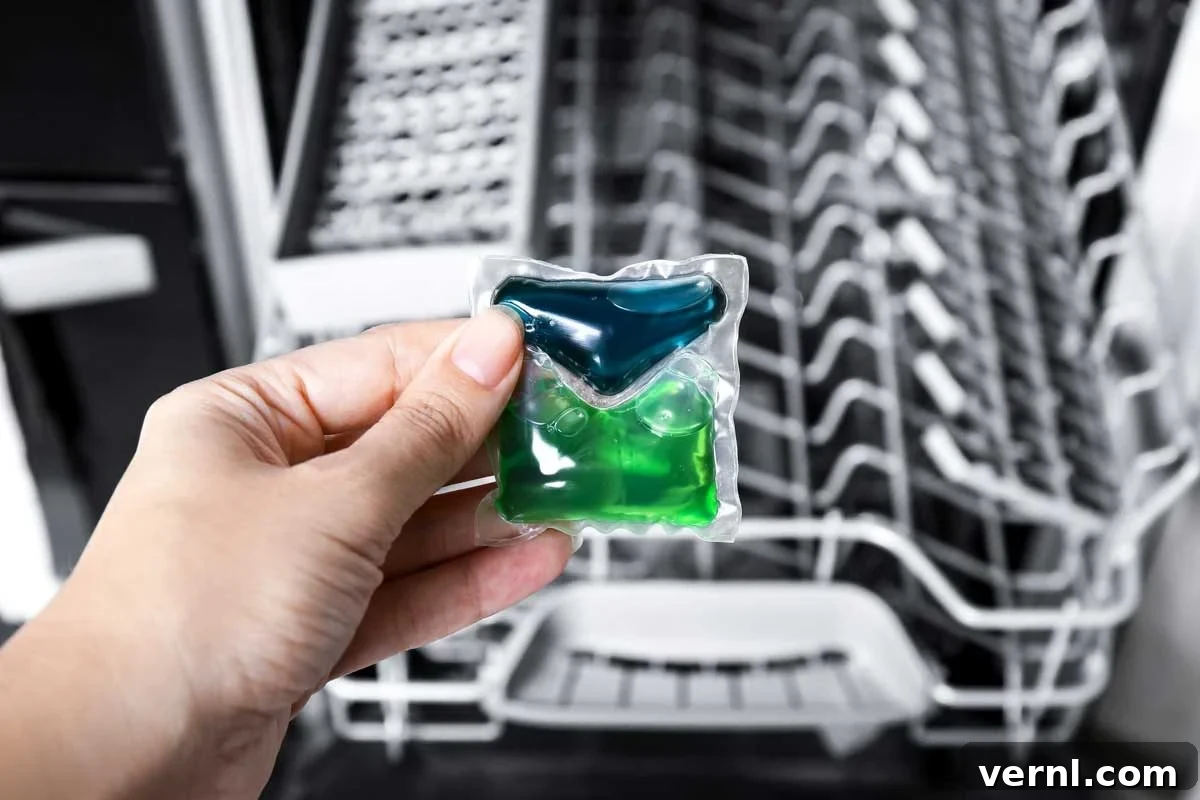
Unpacking the Latest CleanTok Trend: Are You Using Your Dishwasher Pods All Wrong?
The digital realm of TikTok has become a fertile ground for countless communities, and among the most engaging is CleanTok. This vibrant online space is a haven for cleaning enthusiasts, perpetually buzzing with inventive tips, ingenious tricks, and deeply satisfying before-and-after transformations. From daily tidying routines to deep-cleaning marathons, CleanTok offers a seemingly endless stream of advice. While much of this content is genuinely helpful – providing clever ways to make simple homemade cleaners or efficient methods for tackling stubborn stains – the platform also occasionally surfaces trends that warrant closer scrutiny, sometimes even raising safety concerns. The latest buzz around a novel approach to using dishwasher pods is one such trend, prompting a crucial investigation into its claims and overall efficacy. Before you impulsively toss your next pod into the bottom of your machine, let’s delve into what the experts, and the science, truly recommend for optimal dishwashing.
The Viral Dishwasher Pod Hack: Understanding the CleanTok Suggestion
The core of this trending CleanTok hack revolves around a seemingly simple yet fundamental question: where exactly should you place your dishwasher pods? For decades, households worldwide have instinctively placed these convenient, pre-measured detergent units into the designated detergent dispenser compartment within their dishwashers. However, a growing chorus of CleanTok users is now advocating for a radical departure from this long-standing conventional wisdom. According to numerous viral videos and fervent discussions across the platform, the new “superior” method involves entirely bypassing the traditional detergent dispenser.
Instead of the dispenser, CleanTok enthusiasts are proposing two primary alternative locations for the pods: simply tossing the pod directly into the main washing chamber at the bottom of the dishwasher tub, or strategically placing it within the silverware basket. This advice, often presented with an air of newfound enlightenment and efficiency, promises not only a more effective cleaning cycle but also purported benefits for the longevity and performance of the appliance itself. But what exactly is the underlying rationale that drives such a significant deviation from manufacturer recommendations, and do these claims hold up under examination?
The Reasoning Behind the Hack: Dispelling Residue and Preventing Clogs?
Proponents of this unconventional dishwasher pod hack articulate several key concerns and perceived benefits that fuel their approach. A primary driver is the widespread fear of “residue” accumulation. Many CleanTokers express worry that the detergent dispenser itself can accumulate unsightly and potentially damaging residue from the pods over time. They theorize that this buildup could impede the dispenser’s proper opening mechanism, leading to poorly cleaned dishes, or contribute to an unwanted film and white streaks on glassware and cutlery. Furthermore, some users suggest that this residual detergent might eventually clog the internal plumbing system of the dishwasher, leading to costly repairs, diminished performance, and unpleasant odors.
By placing the pods directly in the main washing chamber – whether at the bottom or nestled amongst the silverware – these TikTok advocates argue that the pods will have immediate and unhindered contact with water from the very onset of the wash cycle. This direct and early exposure, they believe, will lead to faster and more complete dissolution of the pod, thereby preemptively eliminating the risk of dispenser-related residue and significantly mitigating the chances of plumbing clogs. The underlying assumption is that an instantaneous and rapid dissolution equates to superior cleaning results and contributes to better long-term appliance health. However, as we will explore in detail, this line of reasoning often overlooks critical aspects of dishwasher design, detergent chemistry, and the meticulously engineered wash cycles designed by appliance manufacturers.
Where Is the Best Place for Dishwasher Pods? The Expert Consensus
While the allure of a “secret” cleaning hack, especially one championed by enthusiastic social media personalities, is undoubtedly strong, it is paramount to always consult the true experts when it comes to appliance usage and maintenance: the manufacturers themselves. Every dishwasher model is meticulously engineered, and its design dictates the optimal way to use cleaning agents for the best possible results and the long-term longevity of the machine. Therefore, the unequivocal first step for any user should always be to consult your specific dishwasher’s owner’s manual. These manuals are invaluable resources, providing precise instructions tailored to your particular appliance’s specifications and operational design.
As a universal rule, however, dishwasher manufacturers overwhelmingly and consistently recommend placing detergent pods and tablets directly into the dedicated detergent dispenser. This is not an arbitrary suggestion; rather, it is a critical component of how your dishwasher is designed to achieve peak cleaning performance. The timing of detergent release within the wash cycle is a sophisticated process, meticulously controlled by the machine’s internal programming to maximize effectiveness and efficiency.
The Science Behind the Dispenser: Precision Timing for Optimal Cleaning Power
Modern dishwasher pods are ingeniously designed with a special, water-soluble coating. This coating is not merely aesthetic; it is engineered to dissolve at a precise, calculated point during the wash cycle. When you place a pod into the detergent dispenser, you’re not just finding a convenient slot; you’re engaging with a finely tuned system. The dispenser is designed to securely hold the pod and release its powerful cleaning agents exactly when the water temperature, wash phase, and overall conditions are ideal for the detergent to activate most effectively and target the soiled dishes.
Consider a typical dishwasher cycle: many models are programmed to first execute a “pre-rinse” phase. This initial stage uses water to flush away loose food particles and debris from the dishes. If a detergent pod is prematurely tossed into the bottom of the machine, it begins dissolving immediately during this pre-rinse cycle. This untimely release means that a significant portion of the detergent’s active cleaning power is expended on washing away food debris that would otherwise be efficiently removed by the pre-rinse, leaving substantially less active detergent available for the subsequent, more intensive main wash cycle. The direct consequence of this premature release is less effective cleaning, often resulting in lingering food stains, grease, or a general lack of sparkle on your items.
Major appliance brands explicitly address this crucial detail in their user guides and official statements. For example, Maytag’s instruction manual clearly explains the mechanism: “The pods have a coating that dissolves when it comes into contact with water. By putting them in the detergent dispenser, you can ensure that the pods dissolve at the right point in the dishwasher cycle for maximum efficiency.” The manual goes further, directly countering the CleanTokers’ concerns about the dispenser, stating, “Although some believe that throwing a pod in the dishwasher protects your dispenser, pods are designed to dissolve when they touch water and may not work if not properly dispersed via the dispenser.” This expert advice unequivocally highlights that the detergent dispenser is not a flaw to be bypassed, but an essential, integral component of the optimized cleaning process.
The Unintended Consequences of Misplacing Your Dishwasher Pods
Ignoring manufacturer guidelines and intentionally placing dishwasher pods outside the dispenser can lead to several undesirable outcomes, directly contradicting the very benefits touted by the hack:
- Ineffective Cleaning: As extensively discussed, premature dissolution means the detergent’s powerful enzymes and cleaning agents are utilized too early in the cycle. This results in dishes that are not truly clean, often exhibiting persistent food particles, streaks, or a general dullness, requiring rewashing.
- Wasted Detergent and Money: Using detergent inefficiently is akin to literally throwing money away. You are not harnessing the full value or cleaning power from each expensive pod, leading to increased household costs and unnecessary consumption.
- Increased Residue and Potential Damage: Ironically, the very problem CleanTokers attempt to circumvent by misplacing pods can be exacerbated. If a pod doesn’t dissolve completely due to improper water flow, or if it gets stuck in an unsuitable location, it can leave behind a concentrated film of detergent residue on your dishes, or even on the internal components of the dishwasher itself. This can lead to unsightly cloudy glassware, etching over time, and a sticky buildup inside the machine.
- Risk of Clogs and Maintenance Issues: While the hack claims to prevent clogs, an undissolved or improperly dissolved pod can paradoxically contribute to blockages in vital areas like the spray arms or filters, severely hindering water flow and compromising the dishwasher’s overall performance. This can lead to costly repairs down the line.
- Potential Warranty Issues: In certain, extreme circumstances, consistent misuse of your appliance in direct contravention of manufacturer instructions could potentially impact your warranty coverage if significant damage occurs as a direct result of such practices.
Optimizing Your Dishwasher: Beyond Just Pod Placement for Pristine Results
Achieving consistently sparkling clean dishes and ensuring the long-term, reliable operation of your dishwasher involves a comprehensive approach that extends far beyond merely correctly placing your detergent pod. A holistic strategy encompassing proper usage, maintenance, and loading techniques is essential for optimal performance and to proactively prevent the very issues CleanTokers are attempting to address with their unconventional hacks. Here are some essential best practices to integrate into your dishwashing routine:
1. Always Utilize the Detergent Dispenser (Unless Your Specific Manual States Otherwise)
Reiterating the golden rule: for virtually all modern dishwashers, the dedicated detergent dispenser is the correct, safest, and most effective place for your pods, tablets, or even powdered detergent. Trust the sophisticated engineering that went into designing your appliance; it’s there for a reason.
2. Choose the Right Dishwasher Detergent for Your Needs
- Pods/Tablets: These are highly convenient, pre-measured, and typically contain concentrated cleaning agents and often rinse aid. Ensure they are stored in a cool, dry place and always handled with dry hands to prevent premature dissolution.
- Liquid/Gel Detergent: Can be suitable for lighter loads or specific dish types, but they are often less concentrated than pods and may not be as effective against tough grease.
- Powder Detergent: An economical option that allows for dosage adjustment based on load size and soil level. However, powder can clump if exposed to moisture and may not dissolve as consistently as pods.
Regardless of the type, always use high-quality dishwasher detergent from a reputable brand. Cheaper detergents often contain fewer essential enzymes and cleaning agents, leading to poorer cleaning results and a higher likelihood of leaving behind residue.
3. Master Proper Dishwasher Loading Techniques
How you load your dishwasher profoundly impacts its cleaning effectiveness. Avoid the common mistake of overcrowding dishes, which obstructs water flow and detergent distribution. Ensure that the spray arms can rotate freely without hitting tall items. Position items so that water jets can reach all soiled surfaces, particularly facing dirtier sides towards the spray jets. Avoid nesting items like bowls or placing large platters that block the upper spray arm.
4. Embrace the Importance of Rinse Aid
Rinse aid is not just an optional additive for extra shine; it’s a crucial component for preventing water spots, streaks, and helping dishes dry more effectively. It works by reducing the surface tension of water, allowing it to sheet off dishes cleanly rather than forming droplets that leave behind mineral deposits and unsightly spots. This directly and effectively combats the “residue” fear that many CleanTokers wrongly attribute to the detergent dispenser.
5. Implement Regular Dishwasher Maintenance
Even with proper pod placement, consistent and regular maintenance is absolutely key to preventing buildup, clogs, and ensuring the longevity of your appliance:
- Clean the Filter Regularly: Most modern dishwashers feature a removable filter located at the bottom of the tub. Check and clean this filter frequently (ideally weekly or bi-weekly, depending on usage) to remove accumulated food particles and debris. A dirty filter is a primary cause of poor cleaning performance, strange odors, and potential drainage issues.
- Wipe Down the Door Seal and Gasket: Food particles, grease, and grime can accumulate around the rubber door seal and gasket. Wipe it down periodically with a damp cloth to prevent mold, mildew, and unpleasant odors.
- Perform Deep Cleans with Dishwasher Cleaner: Run an empty cycle with a dedicated dishwasher cleaner, or a cup of white vinegar followed by a baking soda rinse, to descale and sanitize the interior. This helps remove hard water deposits, grease buildup, and lingering odors. Aim to do this once a month or every few months, depending on your water hardness and usage.
- Inspect Spray Arms: Periodically check the holes on both the upper and lower spray arms to ensure they are clear of any debris or mineral buildup. Use a toothpick or a small brush if necessary to dislodge any blockages that could impede water distribution.
Evaluating Cleaning Hacks: Cultivating a Critical Approach
The widespread popularity of CleanTok and similar online communities underscores a genuine and commendable desire among consumers for efficient, cost-effective, and often unconventional solutions to common household chores. While this eagerness to learn, experiment, and share knowledge is admirable, it is critically important to approach online cleaning hacks with a discerning and critical mindset. Not all advice found online is created equal, and some suggestions can even prove to be detrimental to your health, your home, or your appliances.
How to Discern Good Advice from Potentially Harmful Information:
- Prioritize Safety Above All Else: This principle is non-negotiable. Never, under any circumstances, mix cleaning chemicals unless explicitly instructed to do so by a reputable, official source. Mixing common household chemicals like bleach and ammonia, for instance, creates highly toxic chloramine gas, which can cause severe respiratory damage or even be fatal. Any hack promoting such dangerous combinations should be immediately dismissed and reported.
- Consult Manufacturer Guidelines for Appliances: When it comes to the care and operation of your appliances, always defer to the manufacturer’s instructions. They designed the product, understand its mechanics intimately, and know the safest and most effective ways to use and maintain it. Deviating from these guidelines can void warranties and lead to costly damage.
- Seek a Scientific Basis or Logical Explanation: Does the hack make logical sense from a scientific or engineering perspective? Understanding how detergents work, how specific materials react to certain chemicals, or how appliances are designed to function can empower you to evaluate claims more effectively. If a hack contradicts basic scientific principles, proceed with extreme caution.
- Cross-Reference with Multiple Reputable Sources: Never rely on a single viral TikTok video or social media post as your sole source of information. Cross-reference any intriguing hack with trusted cleaning blogs, established consumer reports, official appliance manufacturer websites, and expert cleaning resources.
- Apply the Common Sense Test: If a hack seems unbelievably too good to be true, involves unusually complex or risky steps, or requires you to dismantle parts of your appliance without clear instructions, it probably warrants a significant degree of skepticism. Trust your intuition.
- Consider Potential for Damage: Carefully evaluate whether a proposed hack could potentially damage your surfaces, finishes, or expensive appliances. Using abrasive materials on delicate surfaces, harsh chemicals on inappropriate materials, or unorthodox methods can lead to irreparable harm.
The CleanTok dishwasher pod hack, while perhaps not inherently dangerous in the same immediate way as mixing hazardous chemicals, perfectly illustrates the vital importance of this critical thinking framework. It offers a “shortcut” that ultimately undermines the appliance’s designed functionality, leading to subpar results, wasted resources, and potentially long-term issues that outweigh any perceived benefit.
The Final Verdict: Trust the Experts for Consistently Sparkling Clean Dishes
In conclusion, while CleanTok undoubtedly remains a fantastic source of inspiration, motivation, and genuinely clever ideas for countless cleaning enthusiasts, its latest viral dishwasher pod hack regrettably falls short under close scrutiny. The appealing promise of better detergent dissolution and enhanced clog prevention by bypassing the detergent dispenser simply does not align with the sophisticated engineering and fundamental design principles of modern dishwashers. Appliance manufacturers, who are the undisputed experts in this highly specialized domain, explicitly state that dishwasher pods are meticulously formulated to be released at a specific, optimized point in the wash cycle – a critical function precisely managed by the detergent dispenser.
Attempting to circumvent this carefully calibrated system not only significantly diminishes the effectiveness of your expensive dishwasher detergent but can also lead to a host of undesirable outcomes: dishes that are less clean, frustrating residue buildup, and even increased wear and tear on your valuable appliance over time. For truly sparkling results, optimal efficiency, and to ensure the longevity of your dishwasher, the most reliable and unequivocally effective method remains the one prescribed by the experts: place your dishwasher pod firmly and correctly in the detergent dispenser. Furthermore, make it a habit to familiarize yourself thoroughly with your specific machine’s manual, and complement these instructions with good loading practices, the judicious use of rinse aid, and consistent, regular maintenance.
By consciously choosing to embrace expert advice and manufacturer guidelines over fleeting viral trends when it comes to appliance care, you will undoubtedly save yourself money, significantly reduce household frustrations, and consistently enjoy perfectly clean, sparkling dishes with every wash. Happy and smart cleaning!