
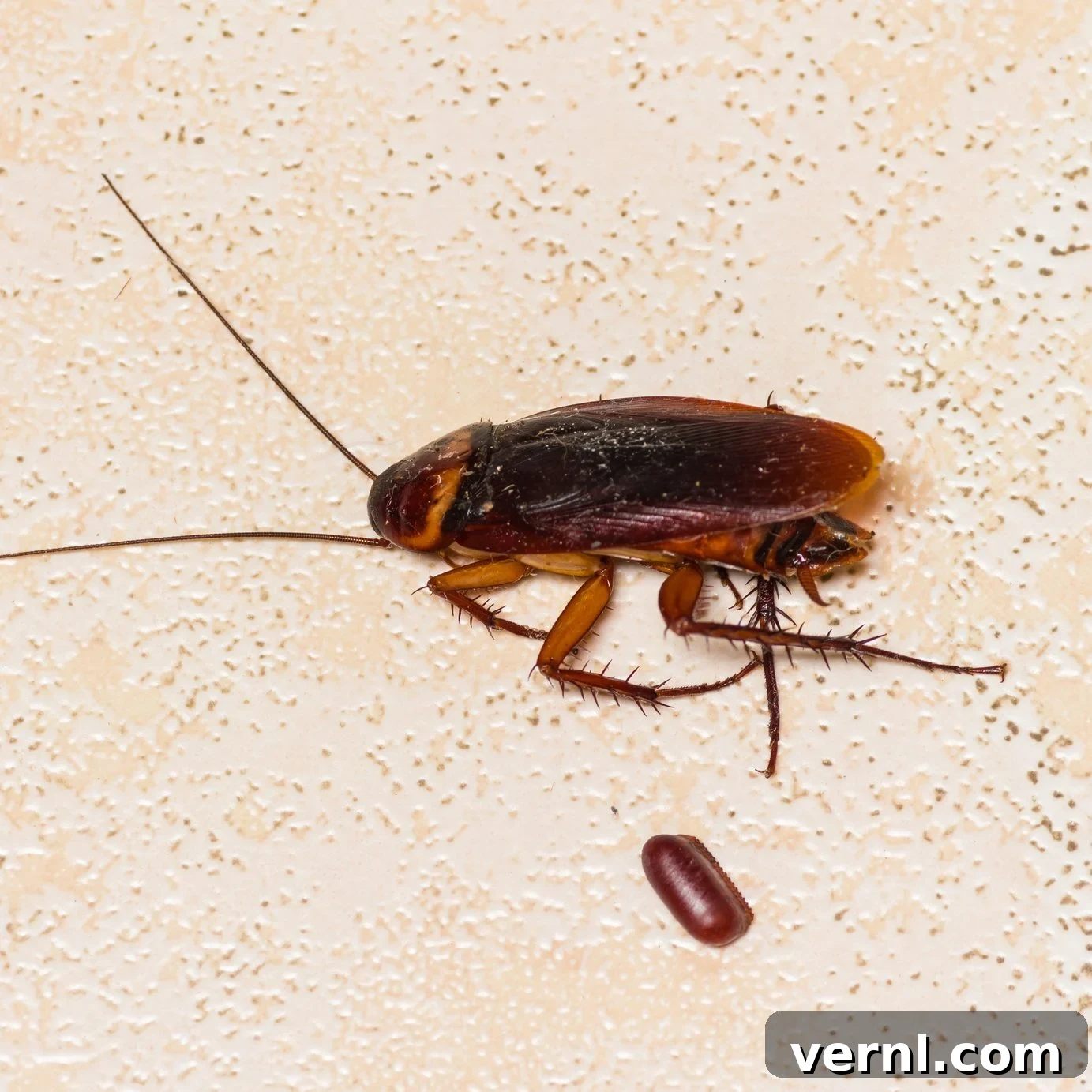
The unsettling sight of a cockroach scurrying across your kitchen floor is enough to send shivers down anyone’s spine. More than just an unsightly nuisance, a single sighting often signals a much larger, hidden problem: an active infestation lurking within your home. These resilient pests are prolific breeders, and effectively eliminating them means going beyond just addressing the visible adults. It requires a strategic approach that targets the very source of their population growth – their eggs. Understanding how to identify these tiny capsules, knowing precisely where they hide, and acting swiftly upon their discovery is paramount to reclaiming your home from these unwanted invaders.
Cockroaches pose significant health risks that extend beyond simple disgust. They are known carriers of various bacteria, viruses, and parasites that can contaminate food, kitchen surfaces, and utensils, potentially leading to food poisoning and other illnesses. Furthermore, their shed skins and droppings are potent allergens and can trigger asthma attacks, especially in children and individuals with respiratory sensitivities. Therefore, proactive identification and removal of their unique egg casings, scientifically known as oothecae, are not just about pest control; they are crucial steps in preventing a full-blown infestation and safeguarding your family’s health and well-being. In this comprehensive guide, we’ll delve into everything you need to know about cockroach eggs, from their varied appearances across different species to the most effective methods for their detection and elimination.
What Do Cockroach Eggs Look Like? Decoding the Ootheca
While an individual cockroach egg is indeed minuscule, comparable in size to a speck of dust or a grain of salt, you will rarely find them individually. Female cockroaches employ a clever strategy to protect their offspring: they encase multiple eggs within a specialized, hardened sac called an ootheca (pronounced oh-oh-THEE-kuh). This durable, pill-shaped or bean-like casing serves as a crucial protective barrier, shielding the delicate developing embryos from environmental threats and many common pesticides until they are ready to hatch.
The appearance of an ootheca can vary significantly depending on the specific cockroach species, making accurate identification a key initial step in effective pest management. Generally, these casings resemble small, elongated capsules or dried beans. Their color spectrum ranges from light tan to russet, rich brown, or even deep black. In terms of size, they typically fall between 1/4 inch and 1/2 inch in length, though some variations can be observed.
Distinctive Ootheca Features by Common Species:
- German Cockroach Ootheca: These are typically light brown or tan, relatively small (around 1/4 inch long), and possess a distinctively elongated shape with visible segmented ridges. A female German cockroach is unique in that she carries this capsule attached to her abdomen for nearly the entire incubation period (approximately 28 days), dropping it only a day or two before the eggs are due to hatch. This protective behavior ensures a higher survival rate for the nymphs. Each German cockroach ootheca can contain a remarkable 30 to 50 eggs, making them incredibly potent for rapid population growth.
- American Cockroach Ootheca: These tend to be darker, ranging from reddish-brown to black, and are noticeably larger than the German cockroach’s ootheca, often measuring around 1/2 inch in length. They typically have a slightly more inflated, kidney bean-like shape. Females usually deposit these in hidden crevices and often cement them to a surface for added security. Each sac can hold 14 to 16 eggs.
- Oriental Cockroach Ootheca: Characterized by their dark brown or black coloration, these oothecae are smooth and stout, typically measuring about 3/8 inch long. They appear thicker and less elongated compared to American cockroach oothecae. Females drop these in sheltered, often cooler and damp, locations shortly after formation. Each can contain approximately 16 eggs.
- Brown-Banded Cockroach Ootheca: These are smaller, light reddish-brown, and are often described as having a unique purse-shaped or rectangular appearance with distinct ridges. These oothecae are typically cemented to surfaces in clusters, often in higher-up areas such as behind wall decorations or under furniture. Each capsule contains approximately 10 to 18 eggs.
A distinctive feature observed on many oothecae is a seam or ridge running along one edge, known as the keel. This seam is the critical point where the developing nymphs (immature baby cockroaches) will eventually crack open the casing and emerge. Once the nymphs have successfully escaped, the keel often closes back up, leaving behind empty, sometimes sunken, but otherwise fully intact ootheca sacks. Finding these empty casings is a clear and undeniable indicator that a cockroach infestation has recently hatched and is actively growing within your home, demanding immediate action.
It’s crucial to be able to differentiate cockroach oothecae from other common household debris such as dirt clumps, rodent droppings, or dried food particles. Their uniform shape, leathery or hard texture, and consistent coloration are key identifiers. If you are ever unsure about a suspicious finding, consulting clear images of known oothecae online or seeking professional pest control advice can provide valuable confirmation and guide your next steps.
Do All Cockroaches Lay Eggs? Understanding Their Reproductive Cycle
Yes, all known cockroach species reproduce by laying eggs, though their specific reproductive strategies, the number of eggs produced, and the duration of their life cycles can vary significantly. The four most prevalent species commonly found in North American homes—German, American, brown-banded, and Oriental cockroaches—all utilize the protective ootheca method to safeguard and incubate their young.
The reproductive capacity of cockroaches is truly astounding, which is precisely why infestations can spiral out of control so rapidly if left unchecked. A single female cockroach can produce numerous oothecae throughout her lifespan, and each ootheca, as we’ve seen, contains multiple eggs. This extraordinarily high reproductive rate, coupled with their inherent resilience and remarkable adaptability to various environments, makes early detection and destruction of eggs absolutely critical for effective eradication and long-term pest management.
Detailed Species-Specific Reproductive Habits:
- German Cockroaches: These are notorious for their incredibly rapid breeding cycle and ability to quickly establish large populations. A single female German cockroach can produce an impressive 4 to 8 oothecae in her lifetime. Given that each ootheca typically contains 30-50 eggs, her potential progeny is vast. As mentioned, she carries the ootheca for nearly the entire incubation period (around 28 days), dropping it just a day or two before hatching. This unique protective behavior ensures the highest possible survival rate for the emerging nymphs. With a maturation period of just over one month from nymph to reproductive adult, a single pair of German cockroaches can theoretically produce hundreds of thousands of offspring annually under ideal conditions, highlighting the urgency of early intervention.
- American Cockroaches: While their oothecae contain fewer eggs per sac (typically 14-16), American cockroaches are also highly prolific. A female can produce between 6 and 14 oothecae during her lifetime. She drops her oothecae in warm, damp, and protected locations, often cementing them to a surface in basements, crawl spaces, or near pipes. The incubation period is longer than that of German cockroaches, ranging from 50 to 55 days, and the nymphs themselves can take a substantial 6 to 12 months to mature into adults.
- Oriental Cockroaches: These cockroaches produce fewer oothecae in total (around 8 in their lifetime), each containing approximately 16 eggs. The females deposit their dark-colored egg cases in sheltered, often cooler and very damp areas, shortly after formation. Incubation can be quite lengthy, sometimes taking up to 60 days, and their nymphs can take an extended period, up to a year, to mature into adults.
- Brown-Banded Cockroaches: A female brown-banded cockroach can produce about 10 to 20 oothecae during her lifespan, with each containing 10 to 18 eggs. Unlike the German cockroach, she typically cements her distinctive oothecae to surfaces in clusters, often favoring higher locations within a home, such as on ceilings, behind wall hangings, in furniture, or inside electronic devices. Incubation for brown-banded cockroaches takes approximately 50 to 75 days, and nymphs mature in 3 to 6 months.
The varying incubation and hatching times, which can range from a few weeks to several months depending on the species and environmental conditions (with temperature and humidity playing a significant role), underscore the complexity and persistent challenge of effective pest control. However, understanding these intricate life cycles and reproductive habits empowers homeowners to target their efforts more strategically, focusing on eliminating eggs before they contribute to the next generation of these tenacious pests.
Where Do Cockroaches Lay Eggs? Common Hiding Spots and Inspection Tips
Cockroaches are unparalleled masters of concealment, possessing an innate preference for dark, secluded, and often damp environments to deposit their precious oothecae. Identifying these preferred breeding grounds is an absolutely crucial step for targeted inspection and ultimately, successful eradication. These pests gravitate towards areas that consistently offer warmth, sufficient moisture, and close proximity to accessible food sources, ensuring optimal conditions for their offspring’s development and survival.
Prime Locations for Cockroach Egg Deposits:
- Kitchens: Unsurprisingly, the kitchen is often the heart of any cockroach infestation. Meticulously check under and behind major appliances such as refrigerators, stoves, dishwashers, and microwaves. Inspect thoroughly inside kitchen cabinets, particularly pantries where food items are stored, and under sinks where plumbing leaks or condensation might create dampness. Do not overlook tiny cracks and crevices in countertops, loose tile grout, and behind baseboards.
- Bathrooms: Another high-moisture zone that attracts cockroaches. Look carefully under sinks, behind toilets, around shower and tub enclosures, and inside medicine cabinets. Any leaky pipes, condensation, or standing water creates an ideal environment for egg deposition.
- Laundry Rooms and Utility Areas: Areas behind washers and dryers, utility sinks, and water heater closets provide both warmth and moisture, making them highly attractive to egg-laying females seeking secluded spots.
- Basements and Crawl Spaces: These often damp, undisturbed, and relatively cool areas are prime real estate for certain cockroach species, particularly American and Oriental cockroaches. Inspect thoroughly for cracks in foundations, within insulation, amidst stored boxes, and around pipes.
- Living Areas and Bedrooms: While less common for initial, heavy egg deposits, brown-banded cockroaches are known for their preference for laying eggs in less conventional, drier spots. Carefully check behind picture frames, inside furniture (especially drawers, seams of upholstered items, and behind cushions), under beds, within electronic devices (such as televisions, gaming consoles, or routers), and amidst stacks of newspapers or magazines.
- Wall Voids and Electrical Outlets: Dark, protected spaces within wall voids and behind electrical outlets or switch plates offer excellent, undisturbed concealment for oothecae, allowing them to hatch unnoticed.
- Clutter and Stored Items: Any form of clutter, including cardboard boxes, old newspapers, piles of clothing, or other stored items, provides perfect hiding spots and nesting grounds, especially in attics, garages, and storage units.
- Exterior Areas: For species like the American cockroach, eggs can be found outdoors near foundations, in woodpiles, compost heaps, leaf litter, and around sewer access points or storm drains. These exterior breeding sites can serve as constant entry points for new infestations into your home.
Species-Specific Hiding Preferences:
- American and Oriental Cockroaches: These species predominantly favor dark, damp, and warm environments, often depositing eggs near food sources, drains, basements, and utility pipes. Oriental cockroaches, in particular, prefer cooler, very damp environments like basements, sewers, and floor drains.
- Brown-Banded Cockroaches: These are more adventurous in their egg-laying, often placing their oothecae in higher locations and in clusters, such as on ceilings, behind wall hangings, within furniture, or inside various electronic devices.
- German Cockroaches: As they carry their oothecae until just before hatching, they typically drop them in very secluded, undisturbed spots that are in close proximity to food and water sources, such as deep within kitchen cabinets, under appliances, or inside tight cracks and crevices.
Important Tip for Movers: When relocating to a new residence, exercise extreme caution and meticulously inspect all moving boxes, furniture, and personal belongings for any signs of cockroaches or their distinctive egg casings. Roaches are notorious hitchhikers, and inadvertently transporting infested items is a remarkably common way to spread an infestation from one house to another. If possible, unpack boxes outdoors, and thoroughly check each item before bringing it inside your new home.
What Should You Do if You Find Cockroach Eggs? Effective Removal and Control Strategies
Discovering cockroach eggs demands immediate and decisive action. Ignoring them ensures the perpetuation and rapid expansion of the infestation, as a single ootheca can unleash dozens of new nymphs into your home. A combination of non-chemical and chemical methods, used judiciously and strategically, offers the most effective approach to eradication and long-term control.
Non-Chemical Solutions: Safe and Immediate Action
- Squash and Dispose: For small, isolated findings, donning a pair of protective gloves and physically squashing the ootheca is a direct and immediate way to destroy the developing embryos. Ensure the capsule is thoroughly crushed. After squashing, immediately clean up any debris with a paper towel, place it in a sealed plastic bag, and dispose of it in an outdoor trash bin. While effective for individual sacs, this method might be unappealing due to the mess and impractical for widespread infestations.
- Vacuum with a HEPA Filter: A powerful vacuum cleaner equipped with a High-Efficiency Particulate Air (HEPA) filter is an excellent and often overlooked tool for removing cockroach eggs, nymphs, and even adult cockroaches. The HEPA filter helps to trap allergens and microscopic debris, preventing them from becoming airborne and potentially triggering allergies or asthma. Immediately after vacuuming infested areas (especially cracks, crevices, and under appliances), carefully remove the vacuum bag (or empty the canister), seal it tightly in a plastic bag, and dispose of it promptly in an outdoor trash bin. This critical step prevents any remaining eggs from hatching inside your home.
- Steam Cleaning: High-temperature steam can be highly effective in killing cockroach eggs and nymphs nestled deep within cracks, crevices, and even on certain soft furnishings where chemical application might not be suitable. The intense heat penetrates and destroys the eggs without leaving behind any chemical residues. Use a handheld steam cleaner with appropriate attachments for targeted application in known or suspected hiding spots.
Chemical Solutions: Targeted Treatment for Eradication
When dealing with a more significant, widespread, or persistent infestation, or to provide crucial residual protection, chemical solutions can be employed. It is absolutely imperative to always read and strictly follow product labels for safe and effective use. Pay close attention to instructions regarding proper ventilation, the use of protective gear, and specific application areas, especially if children or pets are present in the household.
- Drying Powders (Boric Acid & Diatomaceous Earth):
- Boric Acid: This natural mineral acts as both a stomach poison and an abrasive agent to cockroaches. When applied as a very fine, thin layer of powder, it adheres to their bodies. As cockroaches groom themselves, they ingest the acid, which then disrupts their nervous system and metabolism, ultimately leading to death. It is particularly effective when dusted lightly into cracks, crevices, wall voids, and under appliances where cockroaches hide and travel. While not a direct ovicide, it can dehydrate and kill exposed eggs.
- Diatomaceous Earth (DE): Composed of the fossilized remains of diatoms (tiny aquatic organisms), DE is a natural, non-toxic powder that works by physically abrading the cockroach’s waxy exoskeleton, causing them to dehydrate and die. Like boric acid, it can be dusted into cracks, voids, and along baseboards. While not a direct ovicide, it can desiccate exposed oothecae and will effectively kill nymphs and adults that come into contact with it.
Both boric acid and diatomaceous earth offer long-lasting control if kept dry and undisturbed, but they require careful, light application to avoid inhalation and to ensure they reach target areas without being easily visible or accessible to pets and children.
- Insecticide Sprays: Aerosol or liquid roach killers specifically formulated for cockroaches can be effective for direct treatment of visible oothecae and heavily infested areas. Look for products containing active ingredients like pyrethrins, pyrethroids, or fipronil. Spray directly onto visible egg cases or into deep crevices and cracks where they are suspected. Ensure excellent ventilation during and after application. Always opt for residual sprays that continue to kill cockroaches for weeks after initial application, providing ongoing protection.
- Insect Growth Regulators (IGRs): IGRs are a cornerstone of long-term, sustainable cockroach control, effectively acting as a form of “birth control” for the pests. They do not typically kill adult cockroaches directly but instead disrupt the normal development of cockroaches by mimicking juvenile hormones or chitin synthesis inhibitors. When applied, IGRs prevent nymphs from successfully maturing into reproductive adults and can sterilize adult females, or even prevent eggs from hatching altogether. Applying IGRs to areas where roaches breed and harbor will significantly reduce their ability to reproduce, thereby breaking the life cycle and preventing future generations from emerging. They are often used in conjunction with traditional insecticides for a comprehensive and highly effective integrated pest management strategy.
When to Call a Professional Exterminator:
If you discover a large number of egg casings, suspect a widespread or deeply entrenched infestation, or if your diligent DIY efforts are not yielding satisfactory results, it is highly advisable to contact a professional pest control service. Exterminators possess access to more potent, restricted treatments, specialized equipment, and the extensive expertise required to accurately identify the specific cockroach species, locate all hidden breeding spots, and implement a tailored integrated pest management plan. Such a plan effectively targets all life stages of the cockroach, including eggs, with minimal risk to your household and maximal effectiveness.
Comprehensive Prevention: Keeping Your Home Roach-Free Long-Term
Preventing cockroaches from establishing themselves and laying eggs in your home is always far more effective, less costly, and less stressful than dealing with an existing infestation. A multi-faceted approach focusing on impeccable sanitation, diligent moisture control, and sealing potential entry points is absolutely key to long-term cockroach prevention.
- Maintain Impeccable Sanitation: Keep your kitchen meticulously clean at all times. Wipe down counters and dining surfaces daily, clean up all food spills and crumbs immediately, store all food items in airtight containers, and never leave dirty dishes in the sink overnight. Empty trash cans frequently, especially those in the kitchen, and use bins with tight-fitting lids.
- Control Moisture: Promptly repair any leaky faucets, pipes, or drains throughout your home. Use dehumidifiers in damp basements, crawl spaces, or bathrooms to actively reduce humidity levels, which are highly attractive to cockroaches. Ensure good ventilation in bathrooms and kitchens, especially after showering or cooking.
- Seal Entry Points: Thoroughly inspect your home for any cracks and crevices in walls, floors, and foundations. Seal these openings with caulk or appropriate sealants. Pay particular attention to gaps around pipes, utility lines, and electrical outlets. Install or repair weather stripping around all doors and windows, and ensure any damaged screens are promptly fixed.
- Reduce Clutter: Clutter provides ideal hiding and breeding grounds for cockroaches, offering them undisturbed shelter. Declutter your home regularly, especially areas like basements, attics, and garages. Store items in sealed plastic containers instead of cardboard boxes, which roaches can chew through.
- Outdoor Maintenance: Keep vegetation, shrubs, and mulch trimmed and away from your home’s foundation. Store firewood at least 20 feet away from the house and elevate it off the ground. Clean gutters regularly to prevent water accumulation near your foundation.
- Regular Inspections: Periodically inspect your home, paying extra attention to high-risk areas like kitchens, bathrooms, and utility rooms, for any signs of cockroach activity. This includes droppings (which resemble coffee grounds or black pepper), shed skins, or, most critically, oothecae. Early detection is always your best defense.
Conclusion: Vigilance is Key to a Roach-Free Home
Dealing with a cockroach infestation can be a daunting and often frustrating experience, but understanding their life cycle and, critically, how to identify and effectively eliminate their eggs, puts you in a powerful position. The presence of an ootheca signifies not just one potential pest, but dozens waiting to hatch, each capable of perpetuating the cycle of infestation and contributing to health risks. By combining diligent inspection, immediate physical removal, and targeted chemical treatments when necessary, along with robust preventative measures, you can effectively disrupt the cockroach reproductive cycle and safeguard your home against future infestations. Stay vigilant, act decisively and proactively, and you can enjoy a healthier, cleaner, and ultimately, a truly pest-free living environment.