
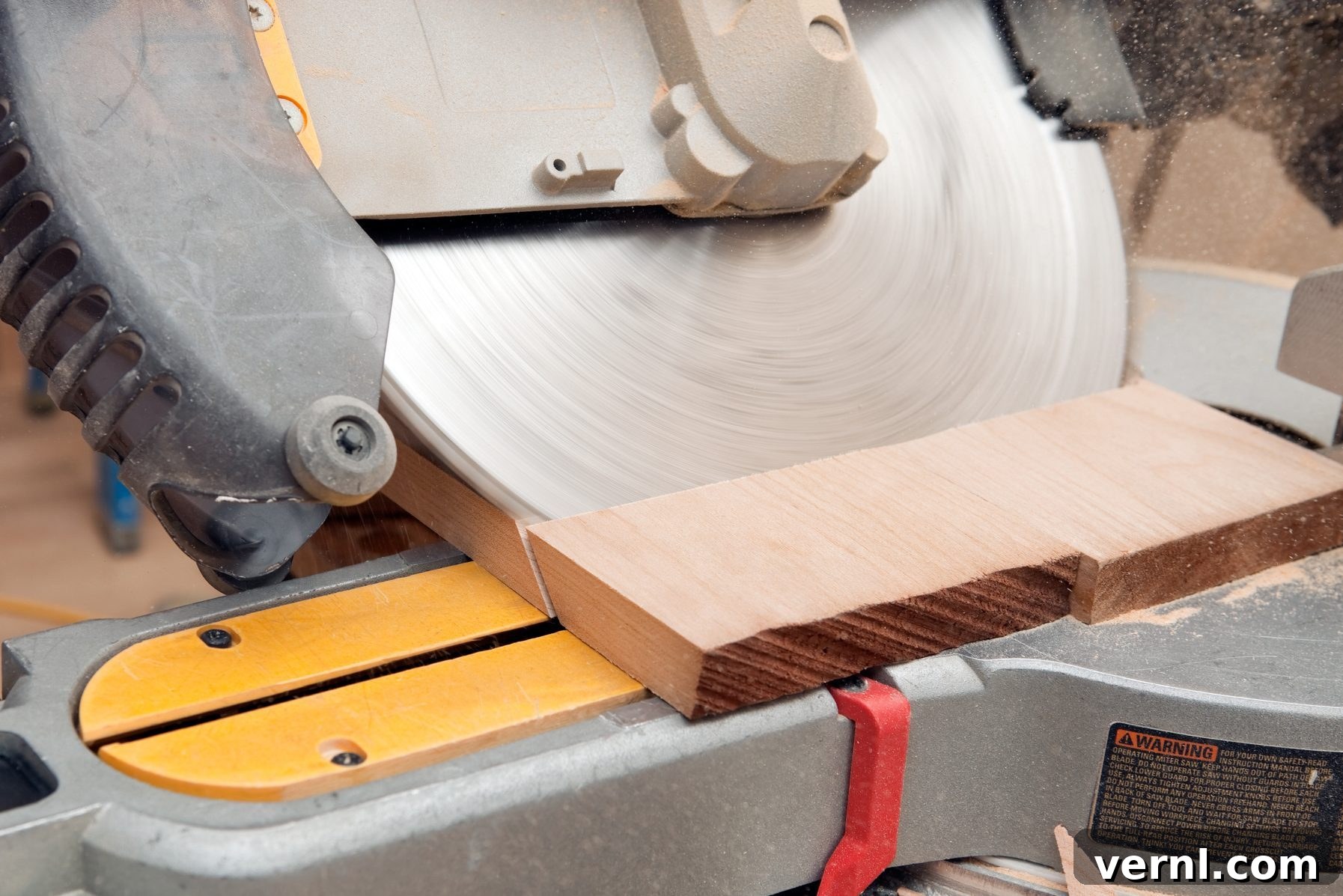
Cherry wood stands as a timeless classic in the world of fine woodworking, cherished by craftsmen and enthusiasts alike. Renowned for its unparalleled beauty, exceptional workability, and the rich, warm patina it develops over time, American Cherry, in particular, is a premium domestic hardwood highly sought after across the United States. Its inviting tones and fine grain make it a top choice for a myriad of projects, from elegant furniture to intricate cabinetry. While generally a dream to work with using both hand tools and modern machinery, woodworkers should be mindful that highly figured boards can sometimes present challenges with tear-out. This comprehensive guide will walk you through everything you need to know about cherry wood, empowering you with the confidence to select and utilize this magnificent material in your next woodworking project.
Understanding Cherry Wood: A Woodworker’s Delight
Cherry wood originates from the black cherry tree (scientifically known as Prunus serotina), also widely referred to as American cherry. As a hardwood, it comes from a deciduous tree—one that gracefully sheds its leaves each autumn. This characteristic contributes to its distinctive wood properties. When freshly milled or planed, cherry heartwood exhibits a delightful pale salmon or light pinkish-brown hue. However, its true magic unfolds with age and exposure to light, as it gradually deepens into a spectacular, warm reddish-brown or rich mahogany color. This natural aging process, driven by oxidation and UV exposure, is one of cherry’s most prized attributes, giving each piece a unique and evolving character. The sapwood, found on the outer edges of dimensional boards, presents as a pale yellow or creamy white, offering a subtle contrast to the deeper heartwood. Beyond its visual appeal, cherry is celebrated for its fine, even grain, which contributes to its smooth texture and makes it a genuine pleasure to work with, whether you’re shaping, sanding, or finishing.
Exploring the Varieties of Cherry Wood
While there are many species of cherry trees globally, two primary types are of interest to woodworkers:
- Black Cherry (Prunus serotina): This is overwhelmingly the species you will encounter and utilize when purchasing lumber labeled simply as “cherry” in North America. The black cherry tree thrives across the eastern United States, flourishing from the Great Lakes region down to the Gulf Coast. It is an exceptionally coveted wood due to its striking appearance and the magnificent patina it develops over decades. Beyond its aesthetic qualities, black cherry offers excellent dimensional stability, meaning it holds its shape well and is less prone to warping or twisting than many other species. Its Janka hardness rating stands at approximately 950 lbf (pound-force). For context, the Janka test measures the resistance of a sample of wood to denting and wear, indicating its density and durability. While softer than some heavy-duty hardwoods like white oak (1,360 lbf) or hard maple (1,450 lbf), it is harder than cedar or pine and comparable to walnut (1,010 lbf), making it perfectly suited for most fine furniture and interior applications. The wood often features distinctive characteristics such as small gum pockets or subtle mineral streaks, which many woodworkers consider part of its natural charm and unique appeal.
- Sweet Cherry (Prunus avium): Also known as European cherry or common cherry, sweet cherry is the Eurasian botanical cousin of the black cherry. While it shares many aesthetic similarities with its American counterpart, sweet cherry wood is considerably less available in the U.S. lumber market. This scarcity is largely due to several factors: sweet cherry trees tend to be smaller than black cherry, yielding less commercial lumber per tree, and they are predominantly farmed as a fruit-bearing tree, prioritizing fruit production over timber. Consequently, finding large, clear boards of sweet cherry can be challenging and costly. In terms of hardness, sweet cherry is marginally harder than black cherry, boasting a Janka rating of approximately 1,150 lbf. Its grain and color are quite similar to black cherry, often displaying a slightly more pronounced pinkish tone when fresh.
A fascinating bonus fact: While the fruit of the black cherry tree is edible and used in some culinary applications, the tree is primarily cultivated and harvested for its valuable lumber rather than its fruit. The vast majority of commercially available sweet cherries we enjoy eating come from other cherry species, most notably the sweet cherry tree. For those interested in horticulture, understanding how to care for a weeping cherry tree can be a rewarding endeavor, though its wood is not typically used for lumber.
The Abundant Advantages of Cherry Wood
Cherry wood offers a compelling suite of benefits that solidify its position as a favorite among woodworkers:
- Exceptional Availability: As a premier domestic American hardwood, black cherry is widely available across the United States. You can readily find it at specialty lumberyards, large national distributors, and even major big box home improvement stores. This widespread availability ensures that woodworkers can source cherry for projects of all sizes without significant difficulty, making it a reliable choice for consistent supply. Its abundance also supports sustainable forestry practices, as it is a well-managed and non-endangered species.
- Unmatched Workability: This is arguably one of cherry’s most celebrated attributes. For those who relish the art of hand-tool woodworking, cherry is an absolute delight. It is dense enough to hold a remarkably crisp line, take a clean, precise saw kerf, and allow for intricate carving without splintering. Yet, it is also sufficiently soft to glide smoothly under hand planes and chisels, sharpening easily and without prematurely dulling blades, unlike harder species. Its fine, uniform grain means it planes beautifully, sands to a silky-smooth finish, and responds wonderfully to routing and shaping, producing clean edges and profiles with minimal tear-out, especially when sharp tools are used.
- Superb Finishing Characteristics: There’s a particular magic in applying the first coat of finish to cherry. Its naturally rich color, fine grain, and smooth surface create an ideal canvas for various finishes. Cherry takes clear finishes—such as oils, varnishes, lacquers, and shellacs—exceptionally well, allowing its inherent beauty and the depth of its grain to shine through. These finishes enhance its natural color transformation, protecting the wood while accentuating its developing reddish-brown tones. The result is often a truly breathtaking piece that feels as luxurious as it looks.
- Exceptional Dimensional Stability: Cherry wood is known for its excellent dimensional stability. This means it has a relatively low tendency to expand and contract with changes in humidity, leading to less warping, twisting, or cupping in finished projects. This stability is a significant advantage for furniture makers and cabinetmakers, ensuring that doors fit snugly, drawers slide smoothly, and tabletops remain flat over time.
- Timeless Aesthetic Appeal: Beyond its practical benefits, cherry possesses an inherent elegance. Its warm, inviting tones and smooth, consistent grain lend a classic, refined look to any piece. As it ages and deepens in color, it develops a character that is rich and sophisticated, making it a favorite for traditional and contemporary designs alike.
Considerations and Challenges of Cherry Wood
While cherry wood is largely a joy to work with, it does come with a few considerations that woodworkers should be aware of:
- Premium Price Point: Cherry is undoubtedly a premium domestic hardwood, and its price reflects its desirable qualities. While standard flat-sawn cherry may be moderately priced, any boards exhibiting unique figure—such as curly, figured, or highly colored pieces—can command significantly higher prices. Factors like grade (FAS, Select, #1 Common), cut (quarter-sawn or rift-sawn), thickness, and width also play a substantial role in its cost. Woodworkers should be prepared to invest more in cherry compared to more common woods like poplar or even some grades of oak.
- Challenges with Staining: Due to its fine, dense grain structure and naturally oily composition, cherry wood can be notoriously difficult to stain evenly with pigment-based stains. Many woodworkers report blotchiness and uneven color absorption, which can obscure the wood’s natural beauty rather than enhance it. This unevenness occurs because different parts of the wood absorb stain at varying rates. My preferred solution, and one recommended by many seasoned woodworkers, is to avoid traditional pigment stains entirely. Instead, allow cherry’s natural aging process to beautify the wood over weeks or months, enhanced by clear finishes like oil, varnish, or shellac. If staining is absolutely necessary, consider using a wood conditioner pre-stain, a gel stain, or a dye stain that penetrates the wood more uniformly. Toning lacquers can also be an effective way to adjust color while maintaining clarity.
- Photosensitivity and Uneven Darkening: Cherry wood is highly photosensitive. While its natural darkening process is desired, if parts of a cherry piece are unevenly exposed to light (e.g., an object left on a tabletop for an extended period), the uncovered areas will darken more quickly, potentially leaving a lighter “ghost” image when the object is removed. This can be managed by ensuring even light exposure during the initial aging period or by periodically moving objects on cherry surfaces.
- Relative Softness for High-Impact Uses: With a Janka rating of 950 lbf, cherry is durable for most furniture applications. However, it is softer than extremely dense hardwoods like hard maple or white oak. This means it may be more susceptible to dents and scratches in very high-traffic areas, such as kitchen flooring or frequently used dining table surfaces, compared to harder alternatives.
Versatile Applications of Cherry Wood
The beauty, workability, and stability of cherry wood make it suitable for a diverse range of applications, establishing it as a perennial staple in woodshops across America and beyond:
-
Fine Furniture: Cherry is a cornerstone of fine furniture making. Its warm tones and smooth finish are ideal for creating everything from elegant dining tables, chairs, and bedroom sets to intricate cabinets, desks, and decorative boxes. Its stability and workability lend themselves well to traditional joinery and sophisticated designs. It’s particularly favored for its ability to develop a rich, heirloom quality over generations.
-
Cabinetry: As a natural extension of furniture making, cherry is a highly popular choice for kitchen and bathroom cabinetry, as well as built-in units and bookcases. The consistent grain and even color of cherry create a cohesive and luxurious look, enhancing the aesthetic appeal of any interior space. Its durability ensures that cherry cabinets stand the test of time, both structurally and visually.
-
Architectural Millwork: Cherry wood is extensively used in interior millwork, where its beauty can truly elevate a space. This includes crafting exquisite doors, window casings, baseboards, crown moldings, and other decorative trims. Its workability allows for detailed profiles and clean lines, making it perfect for both modern and historically accurate architectural elements, adding warmth and character to residential and commercial properties.
-
Flooring: While relatively softer than some traditional flooring hardwoods like oak or maple, cherry is sometimes used for flooring due to its stunning appearance. Cherry floors bring a unique warmth and elegance to a room, and with proper care, they can be quite durable. However, homeowners should be aware of its susceptibility to dents in high-traffic areas and its tendency to darken over time, which can create a luxurious, lived-in feel.
-
Musical Instruments: The tonal qualities and aesthetic appeal of cherry make it a choice for certain musical instruments, particularly electric guitar bodies, flutes, and other woodwind instruments. Its stability and ability to take a fine finish are highly valued in instrument crafting.
-
Turnings and Carvings: The fine, even grain of cherry makes it an excellent material for woodturning and intricate carving projects. It holds detail well and produces smooth, clean cuts, allowing artisans to create beautiful spindles, bowls, decorative accents, and sculptures.
Understanding Cherry Wood Cost and Purchasing Strategies
When budgeting for your next woodworking project, understanding the cost of cherry wood is crucial. Generally, you can expect to pay anywhere from $5 to $20 per board foot for cherry, with prices fluctuating based on several key factors. For comparison, most other high-quality furniture-grade domestic hardwoods typically range from $5 to $15 per board foot, positioning cherry at the higher end of the spectrum for premium choices.
Several elements influence the price of cherry lumber:
- Grade: The lumber grade significantly impacts cost. FAS (Firsts and Seconds) is the highest grade, offering long, clear boards with minimal defects, and is therefore the most expensive. Select and #1 Common grades provide more economical options with slightly more character or smaller defects, suitable for projects where smaller pieces or some natural variation are acceptable.
- Figure and Special Cuts: Boards exhibiting unique figures like curl, fiddleback, or other sought-after irregularities will be considerably more expensive. Similarly, rift-sawn or quarter-sawn cherry, prized for its exceptional stability and straight grain, commands a higher price than standard flat-sawn boards.
- Thickness, Width, and Length: Thicker, wider, and longer clear boards are rarer and thus more expensive per board foot.
- Supplier: Prices can vary between different types of suppliers. Large distributors and specialty lumberyards might offer competitive pricing for bulk purchases and a wider selection of grades and cuts. Big box stores, while convenient, may have less variety and higher prices for smaller quantities. Online retailers also offer options but factor in shipping costs.
For beginners, I often encourage thoughtful consideration before diving into cherry for your very first projects. While its beauty is undeniable, the premium price tag can sometimes be a deterrent, creating apprehension about “messing up an expensive piece of lumber.” Starting with more economical woods like poplar, pine, or even softer maples can allow newer woodworkers to hone their skills without the pressure of a high material cost. However, if your heart is set on cherry, consider starting with smaller projects or purchasing lower grades for practice pieces. As your confidence grows, cherry becomes an incredibly rewarding material to work with, justifying its investment with timeless beauty and durability.
Caring for Your Cherry Wood Creations
Once your cherry wood project is complete, proper care and maintenance will ensure its beauty lasts for generations:
- Finishing for Protection: Always apply a suitable finish to cherry wood. Clear finishes like tung oil, Danish oil, varnish, lacquer, or shellac will protect the wood from moisture, dirt, and minor wear while allowing its natural color transformation to shine through.
- Regular Cleaning: For daily care, simply dust cherry furniture with a soft, dry cloth. For deeper cleaning, use a slightly damp cloth with a mild wood cleaner, then immediately wipe dry. Avoid harsh chemical cleaners, abrasive scrubbers, or excessive water, which can damage the finish and the wood.
- Protection from Sunlight: While UV exposure helps cherry darken beautifully, uneven exposure can lead to light spots. During the initial aging period, periodically move objects on cherry surfaces or rotate pieces to encourage uniform darkening. For long-term preservation, try to minimize direct, prolonged sunlight exposure to prevent excessive darkening or fading.
- Humidity Control: Like all natural wood, cherry performs best in a stable environment. Maintain consistent humidity levels in your home to prevent excessive expansion and contraction, which can lead to cracks or warping over time.
- Minor Repairs: Small scratches or dents can often be minimized. For minor scratches, a touch-up pen or a light reapplication of an oil finish can sometimes blend them away. Deeper dents can occasionally be raised with a damp cloth and a hot iron, though this requires caution and skill.
The Sustainability of Cherry Wood
One of the often-overlooked benefits of American cherry wood is its strong sustainability profile. Unlike many exotic hardwoods, black cherry is a native species to the Eastern and Midwestern United States, where it is extensively grown and harvested under robust forest management programs. These programs ensure that harvesting practices are sustainable, promoting regeneration and maintaining healthy forest ecosystems. The trees mature relatively quickly, contributing to a steady supply of lumber without depleting natural resources. Choosing American cherry supports domestic forestry, reduces the carbon footprint associated with long-distance transportation of imported woods, and contributes to responsible resource management, making it an environmentally conscious choice for woodworkers.
Conclusion: Embrace the Enduring Charm of Cherry Wood
Cherry wood, with its exceptional blend of aesthetic appeal, workability, and enduring character, has rightfully earned its place as one of the most beloved domestic hardwoods. From its initial pale salmon hue to the deep, warm reddish-brown it gracefully ages into, cherry offers a transformative beauty that few other woods can match. While its premium price and unique staining characteristics require thoughtful consideration, these minor challenges are easily outweighed by its unparalleled workability, dimensional stability, and the exquisite finishes it accepts. Whether you’re crafting a timeless piece of furniture, installing elegant millwork, or simply appreciating the warmth it brings to a space, cherry wood provides an experience that is both rewarding and inspiring. Armed with this knowledge, you can confidently select and incorporate this magnificent material into your next project, creating heirlooms that will be cherished for generations to come. Embrace the enduring charm of cherry wood, and discover why it remains a top choice for discerning woodworkers worldwide.