
Autumn paints the landscape with vibrant hues, bringing with it a comforting array of seasonal delights – from heartwarming comfort foods and festive drinks to the breathtaking spectacle of changing leaf colors. However, amidst this picturesque transformation, another, less welcome, natural phenomenon quietly unfolds: the annual Fall Crawl. This is a crucial time for homeowners to be vigilant, as myriad critters begin their determined quest for winter sanctuary, often targeting the warmth and safety of our homes.
What Exactly Is the Fall Crawl? Understanding the Seasonal Pest Migration
The Fall Crawl is a widespread, instinct-driven seasonal migration of various pests, all seeking refuge from the increasingly harsh outdoor conditions as winter approaches. As temperatures steadily drop and natural food sources outdoors become scarce, insects and rodents alike embark on a critical mission to find warm, sheltered places to overwinter. For many species, the most accessible and appealing havens are human homes, offering consistent warmth, potential food scraps, and protection from predators and the elements. This annual pilgrimage leaves countless homeowners grappling with the challenge of pest control solutions, often unexpectedly, as these unwelcome guests attempt to breach their defenses.
This phenomenon isn’t merely about a few stray bugs; it represents a significant behavioral shift in the animal kingdom, driven by fundamental survival instincts. Pests, sensing the impending cold and depletion of resources, are programmed to seek out environments where they can survive until spring. Your cozy, climate-controlled home, with its readily available nooks and crannies, becomes an irresistible beacon. Understanding this underlying motivation is the first step in effectively preparing for and preventing a full-scale autumn invasion, ensuring your living space remains a sanctuary, not a haven for uninvited guests.
When Does the Fall Crawl Occur? Timing Your Home’s Defense Strategy
The precise timing of the Fall Crawl can vary considerably, primarily depending on the local climate and specific environmental cues. In most temperate regions across North America and similar latitudes, this seasonal influx of pests typically commences in late summer or early autumn, usually when the first significant dips in overnight temperatures are observed. This period can extend well into November and, in some cases, even into the early winter months, especially if warmer spells intersperse with colder periods, creating extended opportunities for pests to seek shelter.
Several key factors influence the exact start and intensity of the Fall Crawl, making local observation and preparedness essential:
- Severity of the Upcoming Winter: A projected harsh winter with prolonged periods of freezing temperatures often accelerates the Fall Crawl. Pests, exhibiting remarkable sensitivity to environmental changes, seem to “sense” the urgency, leading to an earlier and more concentrated push indoors. Conversely, a predicted mild winter might result in a less pronounced Fall Crawl, as some insects may continue to find adequate sustenance and shelter outdoors for longer. This adaptability showcases their sophisticated survival mechanisms.
- Availability of Outdoor Food Sources: As crops are harvested, leaves fall, and natural vegetation dies back, the outdoor buffet for many pests dwindles significantly. This scarcity acts as a powerful motivator, driving them towards human dwellings where crumbs, stored food, and even other indoor pests offer a potential lifeline. Abundant outdoor food sources early in autumn might delay the migration, but only temporarily, as the inevitable cold will eventually force them inside.
- Rainfall and Humidity Levels: Excessive rainfall or prolonged damp periods can also drive certain pests indoors, not just for warmth but also to escape saturated habitats that become unsuitable for their survival. Conversely, very dry conditions can push pests like spiders indoors searching for essential moisture, highlighting the diverse environmental triggers for their movement.
- Decreasing Daylight Hours: Beyond temperature and food, the decreasing length of daylight hours is another crucial signal for many species. This change triggers their biological clocks to prepare for overwintering, regardless of minor temperature fluctuations. It’s an internal cue that prompts them to seek shelter before the deep cold sets in.
Residents in regions with historically mild winters may experience a less intense Fall Crawl, as conditions remain hospitable outdoors for a longer duration. However, those living in areas prone to severe winters should anticipate a more aggressive and earlier influx of pests, making proactive prevention paramount to avoid freezing temperatures and a complete scarcity of food. Staying informed about local weather forecasts and observing changes in pest activity outdoors can provide valuable clues for timely intervention.
Which Bugs and Pests Are Worst in the Fall? Identifying Common Invaders and Their Nuisances
A diverse array of pests actively participates in the Fall Crawl, each with its own unique set of behaviors and potential nuisances once inside your home. While some might seem innocuous, their sheer numbers or specific defense mechanisms can make them particularly unwelcome houseguests. Here are some of the most common and notorious invaders you should be aware of, detailing their impact:
- Ladybugs (Asian Lady Beetles): While native ladybugs are beneficial garden insects, their invasive counterparts, the Asian Lady Beetles, are notorious Fall Crawl participants. They might appear harmless, even charming, but ladybugs can congregate in staggering numbers on sunny sides of homes, seeking entry through any tiny crack around windows, doors, or utility lines. Once indoors, they don’t reproduce but become a significant nuisance, emitting a foul-smelling, yellowish fluid when disturbed or crushed. This fluid can stain walls, fabrics, and furniture, and in rare cases, even trigger allergic reactions in sensitive individuals. Their sheer numbers can be overwhelming and difficult to manage.
- Stink Bugs (Brown Marmorated Stink Bugs): These shield-shaped insects are perhaps one of the most detested Fall Crawl pests due to their highly effective, and unpleasant, defense mechanism. When threatened, disturbed, or crushed, stink bugs release a potent, pungent odor that can permeate a room and linger for extended periods. They often sneak into homes through window screens, open doors, or cracks around utility lines, gathering in attics, wall voids, and behind curtains to overwinter. Their presence in large numbers can be extremely irritating and difficult to manage without triggering their defensive stench, making careful removal essential.
- Spiders: As the weather cools and their outdoor food sources (other insects) dwindle, spiders often seek warmer, more stable indoor environments. While most house spiders are harmless and can even be beneficial by preying on other indoor pests, their webs and sheer presence can be unsettling for many homeowners. They commonly enter through gaps under doors, around windows, or through foundation cracks, establishing themselves in quiet, undisturbed areas like basements, attics, and cluttered corners. For those with arachnophobia, even harmless spiders can be a source of significant distress.
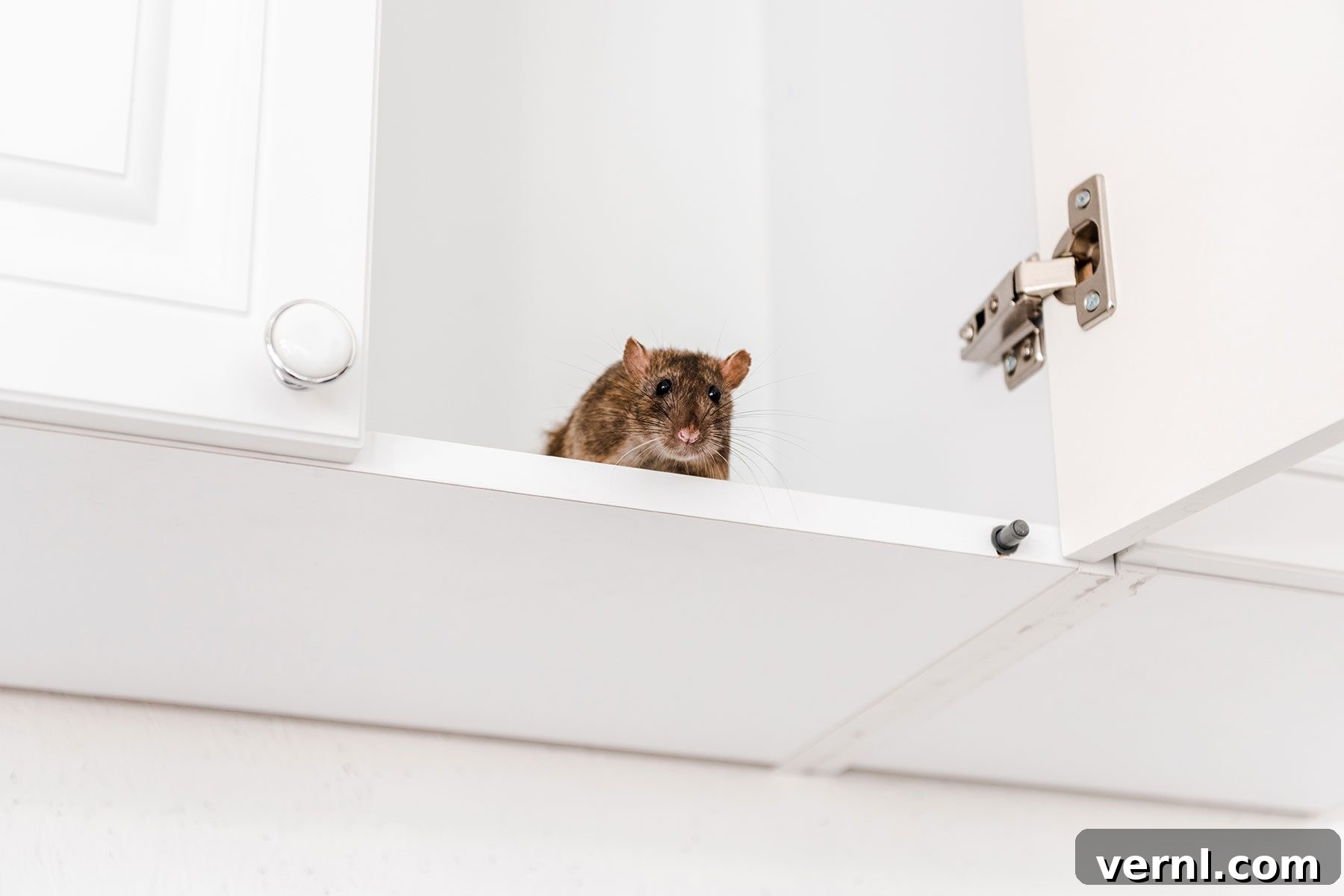
- Rodents (Mice and Rats): Arguably among the most destructive and concerning Fall Crawl participants, mice and rats are opportunistic creatures driven indoors by cold weather and the search for food and nesting sites. They can squeeze through surprisingly small openings – a mouse needs only a quarter-inch gap, a rat about a half-inch. Once inside, they can cause extensive damage by gnawing on electrical wires (posing fire hazards), insulation, pipes, and wooden structures. Furthermore, rodents carry numerous diseases (like Hantavirus and Salmonella), contaminate food and surfaces with their droppings and urine, and can reproduce rapidly, quickly escalating a minor problem into a full-blown infestation that is difficult and costly to resolve.
- Cockroaches: While cockroaches are resilient pests that seek refuge indoors year-round, their presence can become even more prominent during the fall. As outdoor conditions become less favorable, even outdoor species or those living in sewers might attempt to gain entry into homes for warmth and food. They are notorious for carrying bacteria and pathogens, contaminating food preparation areas, and exacerbating allergies and asthma, particularly in children. Their ability to hide in tiny crevices and reproduce quickly makes them a persistent and challenging pest to eradicate without professional intervention. Signs of their presence often include droppings, shed skins, and a distinct musty odor.
- Boxelder Bugs: Similar to ladybugs and stink bugs, Boxelder bugs are another common nuisance pest that seeks shelter indoors during the fall. They are characterized by their black bodies with distinctive red markings and tend to congregate in large numbers on the sunny sides of homes, especially near boxelder trees. While they don’t bite or cause structural damage, their sheer numbers can be overwhelming, and they can stain curtains, walls, and furniture with their droppings if crushed. They are largely an aesthetic and nuisance pest but can be highly annoying due to their persistent presence.
- Cluster Flies: These flies are larger and slower than common houseflies and are often found “clustering” on walls and windows inside homes during the fall and winter. They enter homes through small cracks and openings to overwinter in wall voids and attics. While not a direct health threat, their buzzing and presence can be highly annoying, especially when they emerge in large numbers on sunny, warmer days, causing a disturbance in quiet indoor spaces.
Comprehensive Preventative Steps: Safeguarding Your Home Against the Fall Crawl
Proactive prevention is by far the most effective strategy to combat the Fall Crawl and keep your home pest-free throughout the colder months. By taking a series of simple yet crucial steps, you can significantly reduce the appeal and accessibility of your home to migrating pests. Here’s a detailed guide to fortifying your defenses and ensuring your home remains a sanctuary:
- Seal All Entry Points Thoroughly: This is the cornerstone of effective pest prevention. Critically inspect your entire home for any potential breaches. Look for cracks, gaps, and holes in walls, especially around window frames, door frames, utility lines (pipes, wires, cables entering the home), and the foundation. Use high-quality silicone or acrylic latex caulk to seal small cracks and crevices. For larger gaps, consider using expanding foam sealant, steel wool (especially effective against rodents in pipe openings), or metal mesh screens. Pay particular attention to garage doors, basement windows, and vents, ensuring they are tightly sealed and properly screened. Even a tiny opening can be an invitation for many pests, so thoroughness is key. Don’t forget chimney caps and attic vents.
- Maintain Impeccable Cleanliness and Declutter Your Home: Pests are primarily attracted to food residue, moisture, and shelter. Regularly clean and declutter your home to remove these attractants. Vacuum and sweep floors frequently, paying meticulous attention to crumbs under appliances, in pantry areas, and under furniture. Wipe down kitchen surfaces immediately after use, and don’t leave dirty dishes in the sink overnight. Reducing clutter, especially in basements, attics, and storage areas, eliminates potential hiding spots and nesting sites for rodents and insects. Organize boxes, remove old newspapers and magazines, and ensure storage areas are dry and well-ventilated to prevent moisture buildup, which can attract various pests.
- Store Food Securely in Airtight Containers: This step is vital for denying pests an easy meal. Transfer all dry goods, including cereals, pasta, rice, flour, sugar, pet food, and even birdseed, into robust, airtight containers made of glass, thick plastic, or metal. This prevents pests from smelling or accessing the food. Promptly clean up any food spills and keep garbage cans tightly sealed, both indoors and outdoors. Consider emptying indoor garbage daily, especially if it contains food scraps, to remove potential attractants before they draw pests.
- Remove Outdoor Debris and Maintain Your Yard: Your yard can inadvertently become a breeding ground or a staging area for pests aiming to enter your home. Clear your yard of leaf piles, woodpiles, compost heaps, and other debris that may serve as attractive pest hiding spots or nesting areas. Store firewood at least 20 feet away from the house and elevate it off the ground to deter pests from harboring near your home. Trim back shrubs, trees, and other vegetation so they don’t touch the side of your house, as these can create “bridges” for pests to access your home. Ensure gutters are clean and draining properly to prevent standing water, which can attract mosquitoes and other moisture-loving pests, and to prevent water damage that creates structural vulnerabilities.
- Install and Maintain Screens on Doors and Windows: Intact and properly fitted screens are your first line of defense against flying insects and many crawling pests. Ensure all windows and doors leading to the outside have screens, and regularly inspect them for tears, holes, or gaps. Repair or replace damaged screens immediately, as even a small tear can allow numerous pests to enter. Also, consider installing mesh screens over chimney openings and attic vents to prevent birds, bats, rodents, and larger insects from gaining access to your home’s interior spaces.
- Consider Professional Pest Control Services: If you’re consistently dealing with a severe infestation, live in an area prone to aggressive pest activity, or simply want to be proactive and ensure comprehensive protection, consider hiring a professional pest control service. Experts can conduct a thorough inspection of your home, identify vulnerabilities you might have missed, and apply targeted treatments that are safe for your family and pets. They can also offer valuable advice on long-term prevention strategies, providing an extra layer of peace of mind, especially as winter approaches. A professional assessment can often pinpoint subtle entry points, apply preventative barriers that are difficult for homeowners to manage alone, and help manage existing pest populations effectively.
Understanding the Impact: Why Fall Pest Prevention Matters
Beyond the immediate nuisance and discomfort, allowing pests to enter and inhabit your home during the Fall Crawl can lead to a host of more serious problems. Rodents, for instance, can chew through electrical wiring, creating significant fire hazards, and can damage insulation, leading to increased energy bills. Many pests carry bacteria and viruses, posing health risks to your family through contaminated food or surfaces. Allergens from pest droppings, urine, and shed skin can also trigger or worsen asthma and allergy symptoms, particularly in children and sensitive individuals. Furthermore, the psychological impact of knowing your home is shared with unwanted invaders can cause significant stress, discomfort, and a feeling of invasion in your personal space.
Investing time and effort in these preventative measures now will not only save you potential repair costs and health worries down the line but also ensure your home remains a safe, comfortable, and truly festive haven throughout the autumn and winter seasons. Don’t let the beauty of autumn distract you from taking these vital steps to protect your living space from the less desirable aspects of the season. Proactive vigilance is your best defense against the Fall Crawl, allowing you to fully enjoy the joys of fall without unwelcome interruptions.