
Elevate Your Bathroom: Timeless Shower Tile Trends to Embrace and Avoid
Undertaking a bathroom renovation is a significant investment, both in terms of time and finances. With costs that can quickly add up, the last thing any homeowner desires is to fall prey to ephemeral design trends that will inevitably feel dated and uninspired within just a few years. This sentiment rings especially true for the shower area, often the focal point of a bathroom, where tile choices profoundly impact the overall aesthetic and longevity of the design.
Much like the ever-shifting currents in kitchen, living room, and bedroom aesthetics, bathroom decor trends are constantly evolving. This dynamic landscape directly influences the selection and design of shower tiles. What appears to be the height of sophistication today might very well become tomorrow’s design faux pas. The challenge lies in discerning which trends offer enduring appeal and which are best left on the mood board. Fortunately, a wealth of insights from seasoned interior design experts can guide us, helping to identify shower tile choices that promise lasting beauty and those that are best avoided altogether.
Navigating the Tiled Waters: Expert Advice on Shower Tile Choices
Making informed decisions about shower tiles can transform a bathroom from merely functional to a sanctuary of style. To help homeowners navigate this crucial aspect of renovation, prominent interior design voices often share their candid opinions on what works and what doesn’t. One such expert, TikTok creator Phoenix Grey (known as @mrphoenixgrey), recently offered valuable insights on shower tile trends that savvy homeowners might want to reconsider. His recommendations are rooted not just in current aesthetics but also in the long-term practicality and client satisfaction he observes in his professional experience.
Grey emphasizes that while personal preference always plays a role, certain tile choices often lead to regret due to cleaning challenges, lack of visual impact, or simply because they date a space prematurely. His professional perspective sheds light on the delicate balance between fleeting trends and timeless design principles, urging homeowners to prioritize both aesthetic appeal and functionality when making significant design decisions for their bathrooms.
Outdated Shower Tiles to Reconsider: A Guide to Avoiding Common Renovation Regrets
In the pursuit of a contemporary and timeless bathroom, it’s just as important to know what to avoid as it is to know what to embrace. Certain shower tile designs, despite their momentary popularity, carry inherent drawbacks that can diminish the long-term enjoyment and aesthetic appeal of your bathroom. Based on expert opinions and common homeowner feedback, here are three shower tile trends that discerning renovators might want to bypass:
1. Imperfect Zellige Tiles: The Allure of Imperfection vs. Practicality
- The Trend: Zellige tiles, with their handcrafted charm and unique imperfections, have seen a significant resurgence in popularity. Originating from Morocco, these clay tiles boast a rich texture, varying shades, and an artisanal quality that appeals to those seeking a bespoke and organic look. Their uneven surfaces and slight color variations create a captivating, almost wabi-sabi aesthetic that can lend a soulful character to a space.
- The Pitfall: While undeniably beautiful, the very characteristics that make Zellige tiles unique also pose practical challenges, particularly in a high-moisture environment like a shower. Interior designer Phoenix Grey points out a significant concern: water and grime buildup. The imperfect, porous nature of these tiles, combined with their irregular edges and often wider grout lines, can become a magnet for soap scum, hard water stains, and mildew. Maintaining their pristine appearance requires meticulous and frequent cleaning, which can be an unexpected burden for homeowners. Over time, this extra effort might lead to frustration, causing the initial charm to fade as the tiles begin to show signs of wear and stubborn discoloration. For a bathroom designed for everyday use, the demanding upkeep of Zellige tiles might outweigh their aesthetic benefits, leading to premature dissatisfaction with the renovation.
- Consider This Instead: If you’re drawn to the organic texture and subtle variation of Zellige but crave easier maintenance, consider porcelain tiles that mimic the look without the porosity. Many manufacturers now offer glazed porcelain options that replicate the imperfect beauty of Zellige, complete with subtle color shifts and undulations, but with a durable, non-porous surface that is significantly easier to clean and maintain in a shower environment.
2. The Ubiquitous 12 x 24″ Tiles: A Quest for Personality
- The Trend: The 12 x 24-inch rectangular tile has become a standard in modern construction and renovations due to its cost-effectiveness and relatively straightforward installation. Its larger size means fewer grout lines compared to smaller tiles, which can contribute to a sense of spaciousness and streamlined appearance. This size is often chosen for its practicality and widespread availability across various materials and finishes.
- The Pitfall: Despite their practical advantages, Grey suggests that 12×24-inch tiles often fall short in delivering significant personality or unique style to a bathroom. In his frank assessment, they can sometimes evoke the utilitarian feel of an underground subway platform rather than a personalized, elegant home bathroom. While they are a safe and budget-friendly choice, they can result in a design that feels generic or lacking in distinctive character. The aesthetic often leans towards “builder-grade,” failing to capture the bespoke essence many homeowners desire for their private sanctuary. This isn’t to say they are inherently bad, but rather that they often don’t elevate the design in a meaningful way, leaving a visual void where personal style could have shone through.
- Consider This Instead: If you appreciate the sleek, seamless effect that larger tiles provide, Grey recommends scaling up to a 30 x 30-inch tile. This significantly larger format dramatically reduces the number of grout lines, creating an even more expansive and uniform surface. To further enhance this seamlessness, he advises matching the grout color as closely as possible to the tile. This strategy minimizes visual interruptions, allowing the beauty of the tile material itself to take center stage and creating a luxurious, unbroken expanse that feels far more sophisticated and intentional than its smaller counterparts. Alternatively, explore different shapes like large squares (e.g., 24×24 inches) or unique rectangular sizes that break away from the common 12×24 convention, adding a subtle yet impactful difference.
3. The Outmoded Accent Tile Strip: Breaking Up Visual Harmony
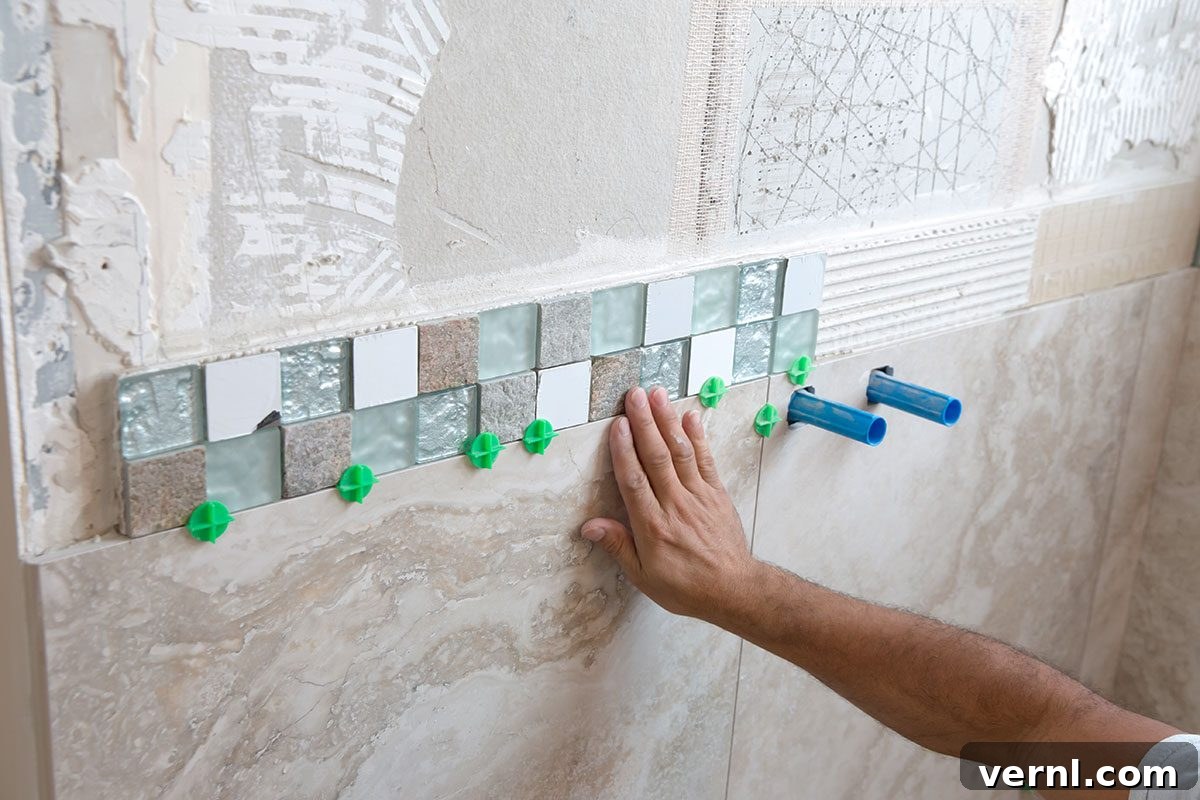
- The Trend: Accent tile strips, typically a horizontal band of smaller, differently designed tiles that wrap around the interior of the shower, were a hallmark of bathroom design in the 1990s and early 2000s. These strips were intended to add a “pop” of visual interest, color, or texture, breaking up an otherwise monolithic tiled surface. They often featured mosaic patterns, glass tiles, or contrasting colors to draw the eye.
- The Pitfall: While once fashionable, the accent tile strip is now largely considered an outdated design element. Grey argues that this strip visually “stunts” the height of the shower space. By horizontally bisecting the shower wall, it creates a visual break that interrupts the vertical flow, making the area feel shorter and more confined than it actually is. Furthermore, this design choice can make the shower feel cluttered and visually “busy,” especially if the accent tiles clash too much with the main tile. Modern bathroom design prioritizes openness, serenity, and a clean, uninterrupted aesthetic that seamlessly integrates with the overall bathroom design. An accent strip, in contrast, fragments the space, detracting from the desired sense of spaciousness and tranquility. It creates unnecessary visual noise that can quickly make a contemporary bathroom feel dated and less sophisticated.
- Consider This Instead: Instead of a horizontal strip, embrace a full accent wall within the shower or the entire bathroom to achieve a “pop” of color or design. This approach creates a powerful focal point without fragmenting the space. If you still desire an accent within the shower but want to avoid the strip, consider using a unique tile on the entire shower floor. This provides an unexpected detail and a splash of personality without disrupting the vertical lines of the walls, allowing the shower to maintain its perceived height and expansive feel.
Embracing Modern Shower Tile Designs: Timeless Elegance for Today’s Bathrooms
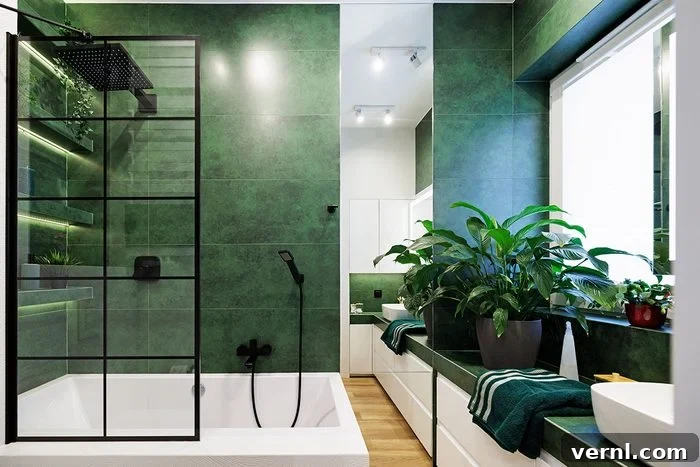
Having identified the trends to set aside, let’s now explore contemporary and enduring shower tile designs that promise to keep your bathroom looking fresh and stylish for years to come. These approaches balance aesthetic appeal with functional longevity, ensuring your investment stands the test of time and evolving tastes. If you’re looking for the best bathroom tile trends used today that won’t seem out of date five or ten years from now, here are some classy shower tile designs for you to try:
1. The Power of an Accent Wall: A Bold Statement Without Clutter
- The Principle: While an accent strip within the shower is now largely outmoded, the concept of an accent wall remains a powerful and sophisticated design tool. Rather than creating a distracting band, dedicating an entire wall to a distinctive tile creates a cohesive focal point that adds drama, depth, and personality to the bathroom. This strategy allows for a significant visual impact without overwhelming the space or making it feel smaller and claustrophobic.
- Implementation: Choose one wall – often the back wall of the shower or the wall visible upon entry – to cover with a striking pattern tile, a richly textured tile, or a solid color that contrasts beautifully with the primary tiles. This approach draws the eye and can make the shower feel more expansive and luxurious. For instance, a geometric pattern, a luxurious marble slab, or a vibrant solid color tile on one wall can transform the entire ambiance. If you prefer a more subtle accent, consider using a unique tile exclusively on the shower floor. This provides that desired “pop” of color or texture, introducing an element of surprise and sophistication without disrupting the clean lines of the shower walls. This allows the uniform look of your main bathroom tiles to remain, while still offering a distinct area of interest that elevates the overall design.
2. The Art of Contrasting Tiles: Depth, Texture, and Sophistication
- The Principle: For those who gravitate towards a minimalist aesthetic or prefer to avoid an abundance of color, using contrasting tiles is an elegant way to introduce visual interest and sophistication. This cool tile trend leverages differences in color, texture, finish, or even size to create dynamic interplay within the shower space, adding depth without relying on bold patterns or extraneous decorative elements.
- Implementation: Imagine a shower where one or two walls are clad in a light, serene gray tile. To introduce contrast, the accent wall could then feature a sleek, dark black marble, a charcoal slate, or even a textured concrete-look tile. This juxtaposition creates a sophisticated dialogue between light and dark, smooth and textured, modern and classic. The contrast doesn’t have to be stark; subtle variations in shade (e.g., matte white against gloss white, or different shades of beige) can also create a luxurious, layered effect. This technique allows you to imbue the shower with rich texture and visual complexity, making it feel bespoke and thoughtfully designed, without resorting to solid colors or busy patterns that might otherwise break up the serene flow of the space. It’s about creating an impactful visual story through careful selection and placement.
3. Warm It Up with Wood-Colored Tile: A Spa-Like Retreat
- The Principle: If your ideal bathroom aesthetic leans towards warmth, comfort, and an inviting, almost serene spa-like atmosphere reminiscent of a tranquil sauna, then wood-colored porcelain or ceramic tiles offer a uniquely appealing solution for your shower. While real wood is impractical and ill-advised for wet shower environments, modern tile technology has masterfully replicated the look and feel of various wood species, providing all the aesthetic benefits without any of the maintenance drawbacks.
- Implementation: These tiles, often available in longer plank formats, are exceptional at enhancing the perception of height and openness within the shower. Unlike shorter, square tiles that can visually section off the space, the elongated wood-look planks draw the eye upward, creating an expansive and uninterrupted vertical flow. This contributes to a sense of grandness and airiness, making the shower feel more luxurious and less confined. Beyond the visual lengthening, the inherent warmth of wood tones instantly transforms the cold, sterile feel often associated with traditional tiles. This creates a cozy, inviting ambiance that perfectly aligns with a personal spa concept. Furthermore, these wood-colored tiles offer a refreshing departure from the industrial, “subway tile” aesthetic that Phoenix Grey mentioned. They introduce an organic, natural element that softens the hard lines of a bathroom, contributing to a truly unique and sophisticated design that feels both contemporary and timeless.
Beyond Aesthetics: Considering Durability and Maintenance in Your Tile Choices
While visual appeal is paramount, the longevity and practicality of your shower tiles cannot be overlooked. The constant exposure to water, steam, and cleaning products means that durability and ease of maintenance are critical factors. Porcelain tiles, for example, are renowned for their low porosity, making them highly resistant to water absorption, stains, and bacterial growth – ideal for a shower. Ceramic tiles also offer good performance at a more accessible price point. Consider the coefficient of friction (COF) for shower floor tiles to ensure they provide adequate slip resistance, especially when wet.
Grout lines also play a significant role. Smaller tiles mean more grout, and while dark grout can hide dirt, lighter grout will highlight it. Opting for larger tiles, as suggested by Grey with the 30×30 inch format, reduces the amount of grout, thereby minimizing cleaning effort and potential for mold and mildew buildup. Using epoxy grout instead of traditional cementitious grout can also offer superior stain and moisture resistance, making maintenance much simpler in the long run.
The Value of Professional Guidance
Choosing the right shower tiles involves a complex interplay of personal taste, current trends, future longevity, and practical considerations. While online resources and expert tips provide invaluable guidance, working with a professional interior designer or an experienced contractor can elevate your renovation significantly. They can help translate your vision into a cohesive design, navigate the vast array of material options, and ensure that the chosen tiles are not only aesthetically pleasing but also perfectly suited for the functional demands of a shower environment.
Conclusion: Investing in Timeless Bathroom Design
In conclusion, a bathroom renovation is an investment in your home and your daily comfort. By thoughtfully considering your shower tile choices, you can create a space that not only reflects your personal style but also stands the test of time, both aesthetically and practically. By judiciously avoiding fleeting trends that lead to maintenance headaches or quickly become outdated – such as imperfect Zellige, generic 12×24 inch tiles, and the archaic accent strip – and instead embracing timeless strategies like impactful accent walls, sophisticated contrasting tiles, and warm wood-look ceramics, you can ensure your bathroom remains a source of pride and serenity for many years to come. Prioritize clean lines, intentional design elements, and ease of maintenance to craft a bathroom that feels both luxurious and enduringly chic.