
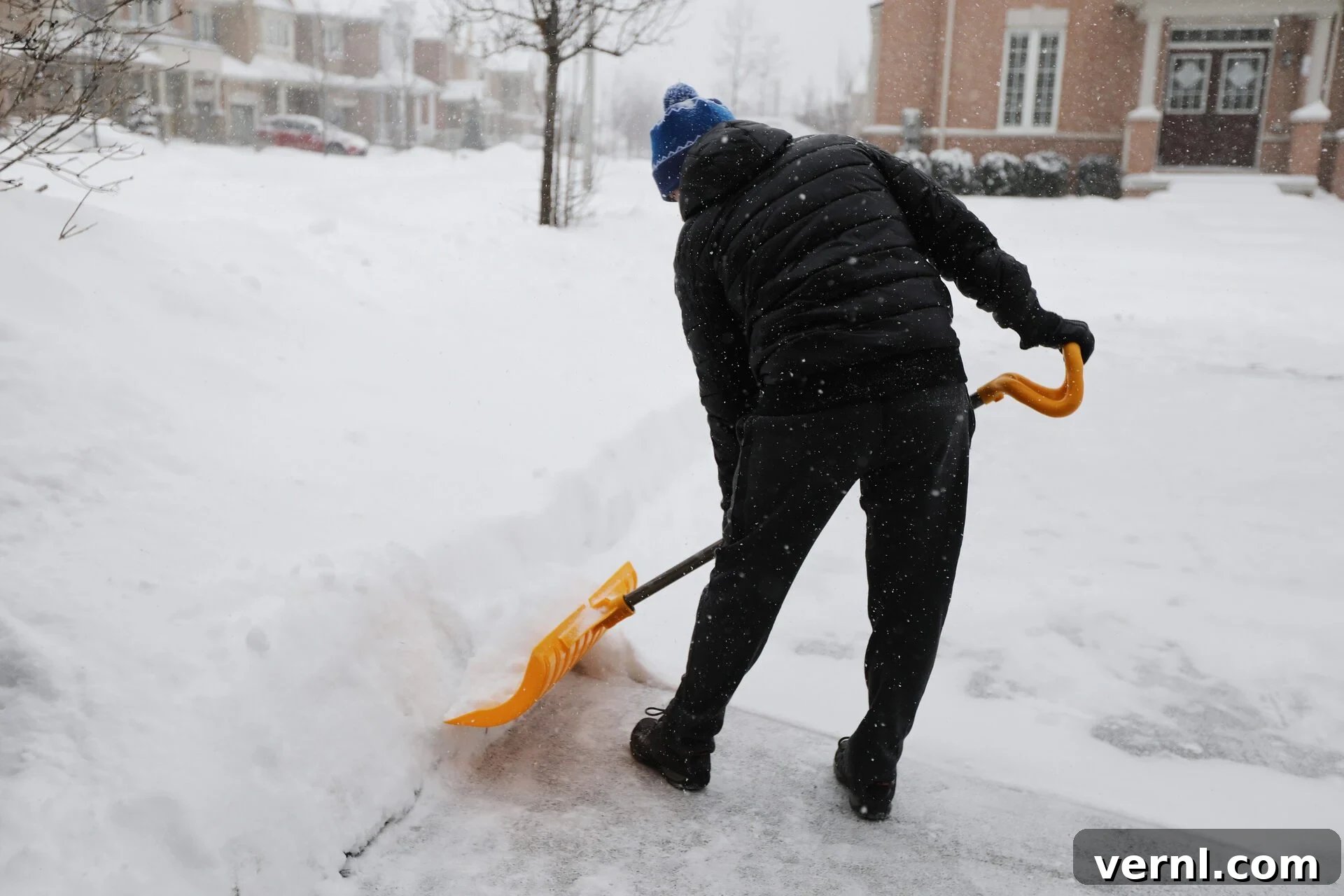
Shoveling Snow Safely: A Comprehensive Guide to Protecting Your Heart and Back
Shoveling snow after a winter storm is a necessary task for many homeowners, but it’s also a physically demanding activity that can put significant stress on your heart and back. While it might not be everyone’s favorite chore, especially for seniors or individuals with pre-existing heart conditions, proper preparation and technique can make a world of difference. As New York chiropractor Steven Pungello notes, shoveling can even be a beneficial workout for older adults if approached correctly, emphasizing the importance of adequate preparation to safeguard cardiovascular health. This guide provides expert-backed advice on how to shovel snow safely, focusing on warm-up routines, cool-down exercises, strength training, and practical shoveling techniques to minimize the risk of injury and protect your heart.
Former U.S. Army logistics leader Chad S. Lipka highlights that even physically fit individuals can experience a surge in heart rate when lifting heavy objects in cold weather. For those with aging hearts or other health concerns, this is a crucial warning to heed. Since the snow won’t disappear on its own (at least not anytime soon!), this article offers comprehensive shoveling preparation strategies. You’ll find guidance on warming up your muscles before you begin, cooling down effectively once you’re finished, and incorporating general fitness practices to maintain your physical readiness throughout the winter season.
Understanding the Strain: Why Shoveling Impacts Your Heart
Shoveling snow places considerable strain on the heart due to two primary factors: the repetitive motions of lifting and twisting, and exposure to cold temperatures. Both contribute to increased cardiovascular stress and can pose significant health risks if not managed carefully.
Lipka emphasizes that the repeated twisting, heavy lifting, and sustained physical exertion involved in shoveling can place excessive strain on the heart, potentially leading to a heart attack. Furthermore, these activities can elevate blood pressure, which poses a threat to both heart and brain health. According to the Mayo Clinic, elevated blood pressure is a known risk factor for stroke and mini-stroke (transient ischemic attack).
The added challenge of working in cold temperatures further intensifies these risks. Sports massage therapist John White explains that cold exposure causes vascular contraction. This means that as you exert yourself, your heart has to work harder to pump blood through constricted arteries, creating a substantial cardiovascular burden.
Preparation is Key: Warm-Up Exercises Before You Shovel
A proper warm-up is an essential component of safe snow shoveling. “Ten minutes of gentle cardio before you begin shoveling is a great way to warm up,” advises White. These warm-up exercises serve to gradually increase your heart rate, loosen your joints, and prepare your muscles for the physical demands of shoveling.
Consider incorporating the following exercises into your shoveling preparation routine:
- A Brisk Walk: Walking briskly helps to elevate your heart rate and warm up your muscles. Aim for a pace that slightly increases your breathing but allows you to still hold a conversation.
- Jumping Jacks: Jumping jacks are a dynamic exercise that engages multiple muscle groups and improves cardiovascular function.
- Arm Circles: Arm circles help to loosen up your shoulder joints and improve your range of motion. Perform both forward and backward arm circles.
The Importance of Cool-Down: Exercises to Do After Shoveling
“As tempting as it can be to collapse on the sofa once you’ve finished,” says White, “it’s essential to cool down steadily.” A proper cool-down helps your body gradually return to its resting state, preventing sudden drops in blood pressure and reducing muscle soreness.
White and Pungello recommend the following cool-down exercises:
- Gentle Stretches: Stretching helps to improve flexibility and reduce muscle tension. Focus on stretching major muscle groups, such as your back, legs, and shoulders.
- A Slow Wander Around the House: Walking slowly for a few minutes helps to gradually lower your heart rate and prevent blood from pooling in your legs.
- Cobra Positions or Other Spinal Extension Movements: These movements help to relieve tension in your lower back, which is often strained during shoveling. (Consult your doctor or physical therapist before starting any new exercise program, especially if you have back problems.)
Building Shoveling Readiness: Strength Exercises for Long-Term Protection
Beyond immediate warm-up and cool-down routines, incorporating regular strength training exercises can significantly improve your shoveling readiness and protect your back and heart over the long term. Keeping your back strong and limber is paramount, according to Lipka, as it reduces strain on the heart and improves overall comfort in your daily life.
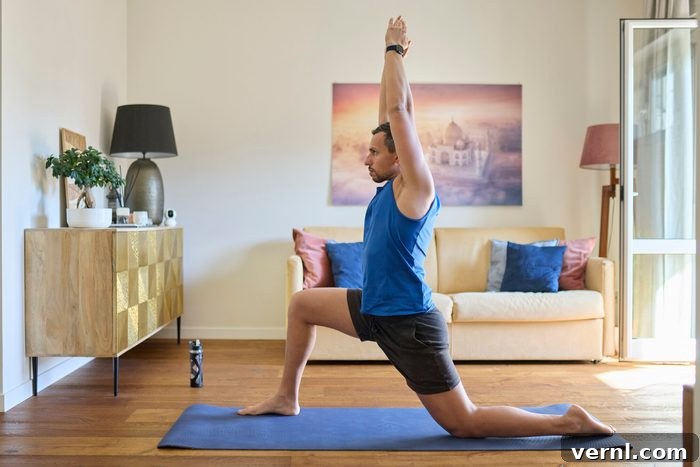
The following yoga poses can be beneficial for maintaining back strength and flexibility:
- Cobra Pose: Strengthens the back muscles and improves posture.
- Knees-to-Chest Pose: Gently stretches the lower back and relieves tension.
- Low Lunge: Improves flexibility in the hips and legs.
- Child’s Pose: A relaxing pose that stretches the back, hips, and thighs.
To develop lower-body strength, Lipka recommends exercises such as squats and step-ups for the legs, as well as hip hinges and farmer carries to enhance bending and lifting mechanics. He emphasizes the importance of using moderate resistance and controlled breathing during these exercises, focusing on steady effort rather than maximum strength. This approach minimizes unnecessary strain on the heart and lower back.
White adds that strengthening your core (abdominal) muscles provides an extra layer of protection for your back. He also offers essential advice for those who continue to shovel despite experiencing back pain: “It’s always crucial to remember to lift (and shovel) from your legs and not your back.”
Frequently Asked Questions (FAQ)
How long should I warm up before shoveling snow?
White suggests warming up for approximately five to ten minutes, but emphasizes that the ideal duration depends on your overall physical condition. If you are not regularly physically active or if your body feels stiff, you may benefit from spending a longer time warming up.
Should older adults take extra time to warm up?
Yes, older adults should definitely dedicate extra time to warming up. Due to the increased risk of adverse effects from constricted blood vessels in cold weather, they should engage in at least ten minutes of light activity, such as walking in place or stretching, before shoveling snow. They should also take frequent breaks during shoveling and employ effort-saving techniques, such as using a small to medium-sized shovel and pushing snow instead of lifting it whenever possible.
About the Experts
- Steven Pungello is a sports rehab chiropractor in Brooklyn, specializing in treating runners and other sports injuries. He is the owner of Full Stride Spine & Sport.
- John White is a Level 3 Sports Massage Therapist, qualified adult nurse, and founder of Knead Massage.
- Chad S. Lipka is a former US Army logistics leader and the founder of North Shore Sauna, which was inspired by a lifelong connection to Finnish sauna culture.