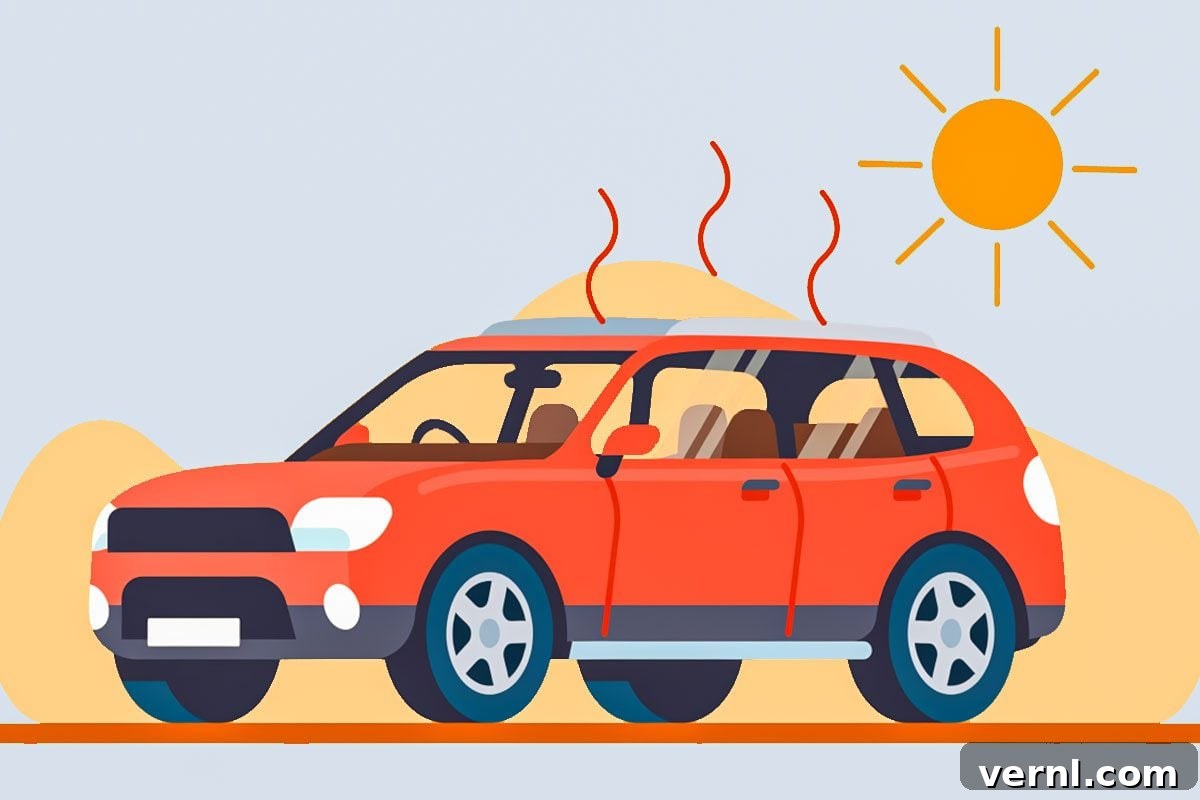
Anyone who has left a car in direct sunlight knows the interior can become unbearably hot. But can it get hot enough to cause a burn? The simple way to judge is to ask: would I touch a surface hot enough to fry an egg? If your answer is yes, you have a very high pain threshold. For most people, the answer is no.
In the region where I live, temperatures are milder than in many parts of the Southwest, but even here I avoid gripping the steering wheel tightly or touching the dashboard after a car has baked in the sun. Attorney Kasey Klenda, who has experience with injury claims, confirms that burns from hot car surfaces do occur. This article explains which parts of a sun-heated car pose the most risk and how to avoid injuries.
Can You Get Burned By the Outside of a Hot Car?
Whether the outside of a car can burn you depends largely on climate and vehicle color. In cooler northern climates, cars still heat up but burns are less common. In hotter, sunnier areas like the Southwest, the risk increases significantly.
Color makes a big difference. A temperature test conducted on a very hot day showed surface temperatures vary widely by color: a black car’s exterior can reach temperatures above 200°F, while a white car’s surface may be around 140°F. According to safety guidelines, surfaces near 140°F can require burn protection. That means both dark and light cars can cause burns, but darker colors heat up faster and pose a greater immediate risk.
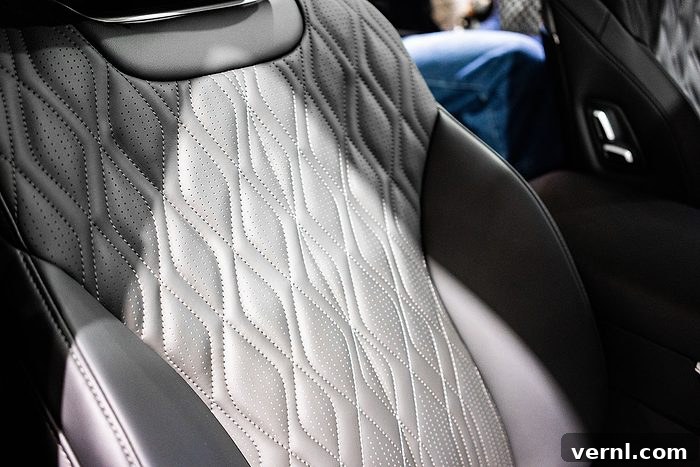
Can Leather Car Seats Get Hot Enough to Burn You?
Yes. Leather and vinyl seating surfaces exposed to direct sunlight can become hot enough to cause skin irritation or first-degree burns on contact. Darker upholstery absorbs more heat, making dark leather or vinyl seats more likely to cause a burn than light-colored seats. Touch surfaces carefully and allow leather seats to cool before sitting.
Can a Car Steering Wheel Burn You?
Steering wheels can reach temperatures that make them painful or unsafe to touch, especially when the wheel is dark and sits in direct sunlight through the windshield. Lighter-colored steering wheel covers reduce heat absorption and are less likely to cause burns, but any steering wheel that has been baking in the sun should be approached with caution. Touch with the back of your hand first, or use a cloth or cover until the wheel cools.
Can a Car Seat Buckle Burn You?
The metal seat belt buckle is one of the most common interior parts to cause burns. Metal heats quickly in the sun and can burn skin on contact. Make a habit of letting the cabin air out and waiting a moment before buckling in, or use a towel to cover metal buckles when parking in direct sunlight.
How to Avoid Getting Burned by Your Car
Prevention is the most effective way to avoid burn injuries in a hot car. Use these practical tips to keep yourself and passengers safe:
- Park in shade whenever possible.
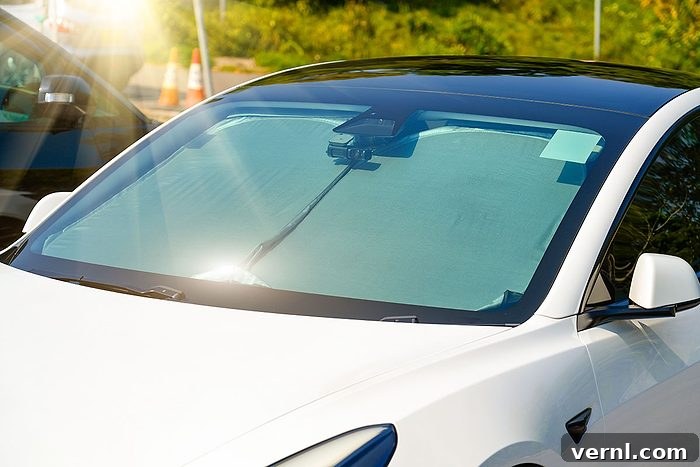
- Use a reflective windshield sunshade to limit cabin heating.
- Cover seats with a light-colored towel or breathable seat cover during hot weather.
- Touch surfaces with the back of your hand before grabbing them.
- Open doors and windows for a minute before getting in to let hot air escape.
- Keep windows slightly cracked when safe to do so, to allow airflow and reduce interior temperature.
- Consider light-colored interior accessories and steering wheel covers to reduce heat absorption.
About the Experts
- Kasey Klenda — Attorney-at-Law and Partner experienced in motor vehicle, serious injury, product liability, and child safety matters.
- Melanie Musson — Insurance and finance expert specializing in the auto industry, real estate, home security, consumer analysis, and finance.
Sources
- OSHA guidance on burn protection (referenced for temperature thresholds and protective recommendations).
- Temperature testing on vehicles that measured interior and exterior surface temperatures on extremely hot days (used to illustrate color- and surface-dependent heating).
RELATED:
- Do You Know What That Little Button on Your Seat Belt Is For?
- What Those Lines on Your Backup Camera Really Tell You
- Here’s What The Small Panel On Your Car’s Front Bumper Is For