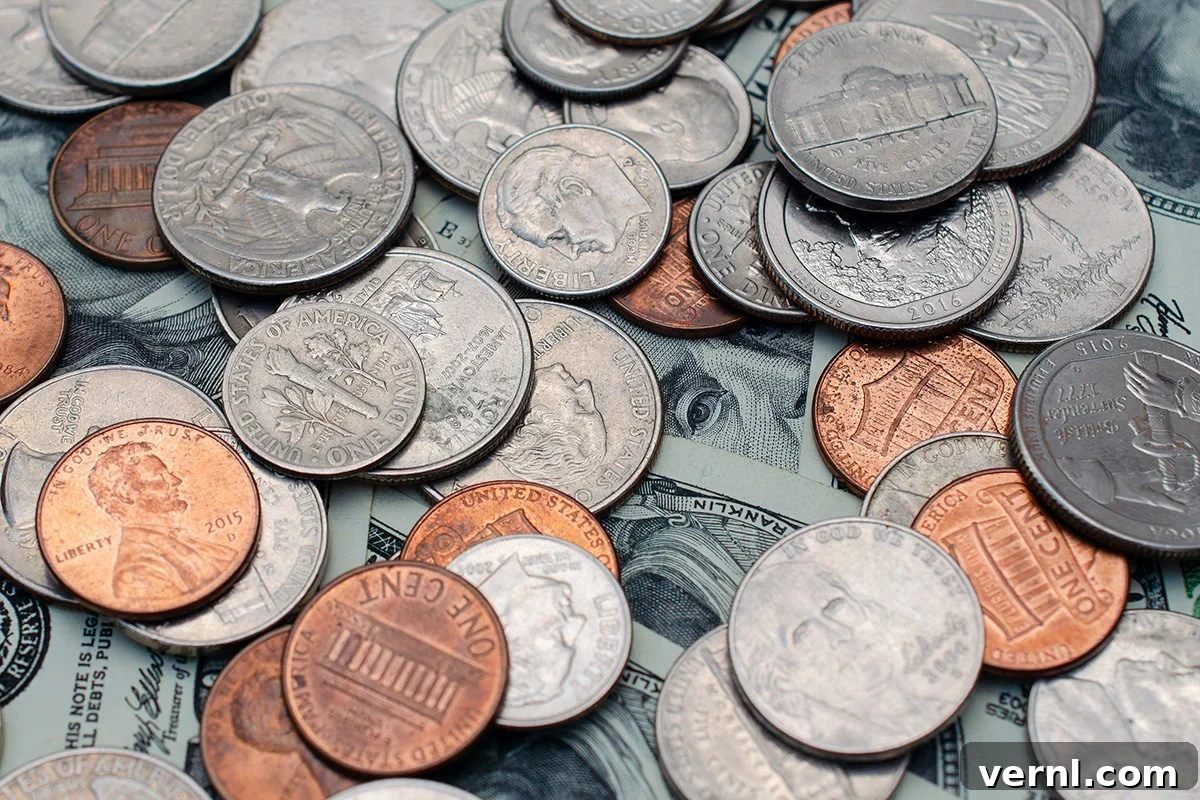
Chances are you have loose change tucked away somewhere in your home—maybe in a jar, drawer, piggy bank, or an old box. Most of that change will be worth face value, but some dimes can be far more valuable to collectors. Certain dates, mintmarks, minting errors, and other rarities can turn an ordinary dime into a high-value collectible.
Ted Ancher, Director of Numismatics at APMEX Inc., explains that a coin’s market value depends on a few primary factors: rarity, survival rates, and collector demand. Understanding these traits will help you determine whether a dime in your possession might be worth more than ten cents.
Why Some Dimes Are So Valuable
Rarity is the main reason some dimes command high prices. A coin can be rare because few were produced, few survived, or both. Even a high-mintage year can produce rare survivors if many examples were lost, melted, or removed from circulation over time. Collector interest also drives value: coins that are both rare and in good condition will typically fetch the highest prices.
Condition matters: heavily worn coins can still be valuable when a date and mintmark are scarce, but coins in high-grade condition will earn the largest premiums. In certain series, legislation or historical events led to mass melting of coins, reducing survival rates and creating scarcity for specific dates and mintmarks.
Rare Dimes That Can Be Worth a Fortune
Some dimes have achieved legendary status among collectors. The 1894-S Barber Dime is one of the most famous and valuable U.S. dimes, with examples selling for seven-figure sums in private transactions and auctions. That coin is considered a major rarity in American numismatics.
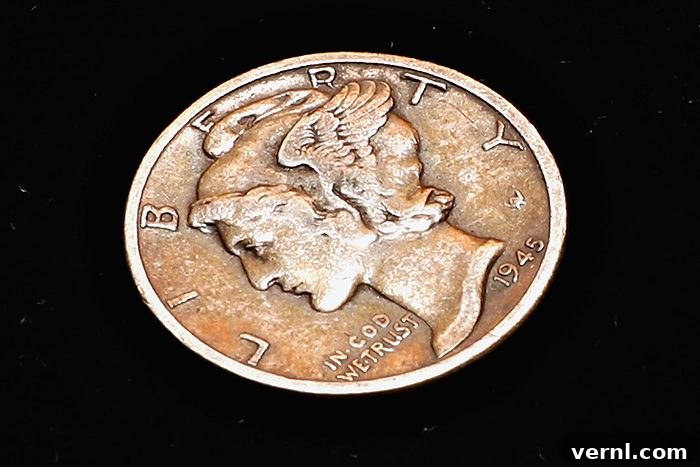
Mercury Dimes (1916–1945) also generate strong collector interest. The 1916-D Mercury Dime is the key date for that series due to its low mintage of 264,000 coins. Even in well-worn condition, the 1916-D often sells for several hundred to a few thousand dollars depending on its grade. Other notable Mercury Dime rarities include the 1921 and 1921-D issues and overdate varieties like the 1942/1, where remnants of a previously struck digit are visible.
Roosevelt Dimes, produced since 1946, generally do not reach the same extreme values as the older key dates, but proof coins and striking errors can still be valuable. For example, certain proof dimes struck without the expected mintmark are sought after by specialists and can bring premiums on the market.
How to Check the Value of a Dime
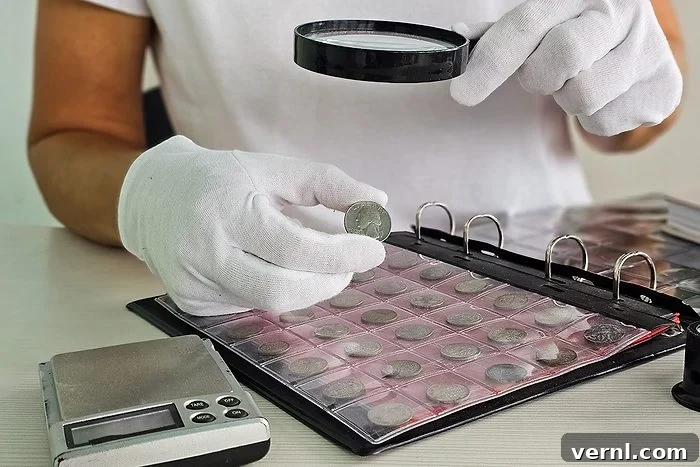
Begin by identifying the date and any mintmark on the coin. Mintmarks are small letters indicating where the coin was struck and can be found in different locations depending on the series and year. Next, evaluate the coin’s condition: look for wear on high points, surface marks, toning, scratches, or signs of corrosion. Note any unusual features such as doubled dies, repunched mintmarks, or overdate numerals.
Use multiple resources to estimate value. Public auction records, dealer price lists, and collector reference sites provide sale histories and price ranges for specific dates and grades. A quick online search for the coin’s year, mintmark, and visible condition will give a ballpark idea of market interest and recent realized prices.
If you suspect the coin is valuable, seek professional advice. Local coin shops and coin shows can provide a preliminary appraisal, but for potentially high-value pieces it’s best to pursue third-party grading and authentication from an established grading service. An official grade and authentication will help maximize resale value and give buyers confidence in the coin’s condition and legitimacy.
How to Handle and Store Valuable Dimes
Coins are made to last, but they are still vulnerable to damage. Handle coins by the edges to avoid fingerprints and oils on the surfaces. Never rub or scrub a coin—cleaning usually destroys collector value, especially if done improperly. Keep coins in a dry environment away from direct sunlight and humidity. Use inert holders, capsules, or archival-quality flips to prevent contact with materials that might accelerate corrosion.
“Do NOT clean a potentially rare coin,” Ancher emphasizes. Original surfaces are highly prized by collectors; improper cleaning can permanently reduce a coin’s value.
Other Valuable U.S. Coins to Watch For
While dimes can be valuable, other U.S. coins are also worth checking. Silver quarters and half dollars, Morgan Silver Dollars, pre-1933 U.S. gold coins, and certain Lincoln Cents can carry significant value depending on date, mintmark, variety, and condition. For coins produced before 1965, silver content can affect intrinsic value: dimes, quarters, and half dollars dated 1964 or earlier contain silver and therefore have metal value in addition to any collectible premium.
FAQ
Where are rare coins most commonly found?
Collectors encounter rare coins at coin shops, shows, auctions, and online marketplaces. However, everyday places like estate sales, garage sales, and old boxes stored at home or in attics occasionally yield valuable finds.
Should I clean a rare coin before selling it?
No. Cleaning a coin almost always reduces its value. Collectors pay for originality and original surfaces; removing patina or altering the surface will usually lower the market price.
About the Expert
Ted Ancher is the Director of Numismatics at APMEX, Inc. He has more than 15 years of experience in numismatics and leads a team of specialists who handle a wide range of U.S. coins, from early small denomination pieces through pre-1933 gold issues.
Sources
United States Mint, Coin Specifications; PCGS CoinFacts, Top 100 coins; public auction records and dealer pricing guides.