
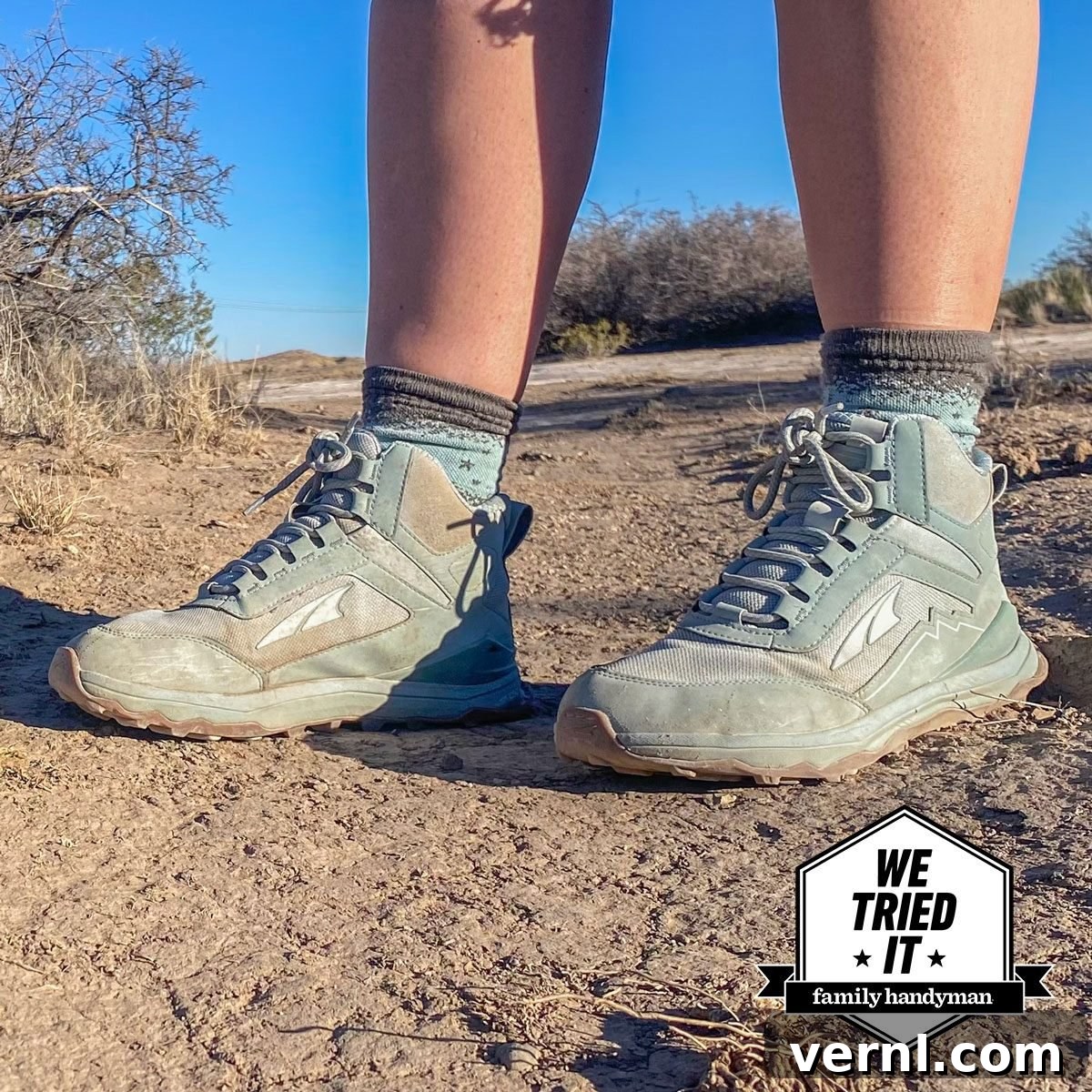
Imagine completing an ambitious 10-mile day hike and feeling absolutely no foot pain. For many, this sounds like a distant dream, but it became my reality after discovering the extraordinary Altra Lone Peak Hiker boots. Before these boots, agonizing foot pain was an inevitable companion on every long-distance trek. Now, a newfound comfort allows me to embrace challenging trails with confidence and enjoyment, redefining my hiking experience.
The Altra Lone Peak Hiker stands out with its unique combination of a spacious wide footbed, generous 25 millimeters of responsive cushioning, a supportive mid-height ankle collar, and exceptional breathability. These features collectively make them my top choice for nearly every type of hiking adventure, from dusty desert paths to humid swamp trails. In this comprehensive Altra Lone Peak Hiker review, I’ll delve into the specific reasons behind my strong endorsement and help you determine if these innovative hiking boots are the perfect fit for your next outdoor excursion.
Altra Lone Peak Hiker Boots: A Deep Dive into Trail Comfort and Performance
What Defines the Altra Lone Peak Hiker?
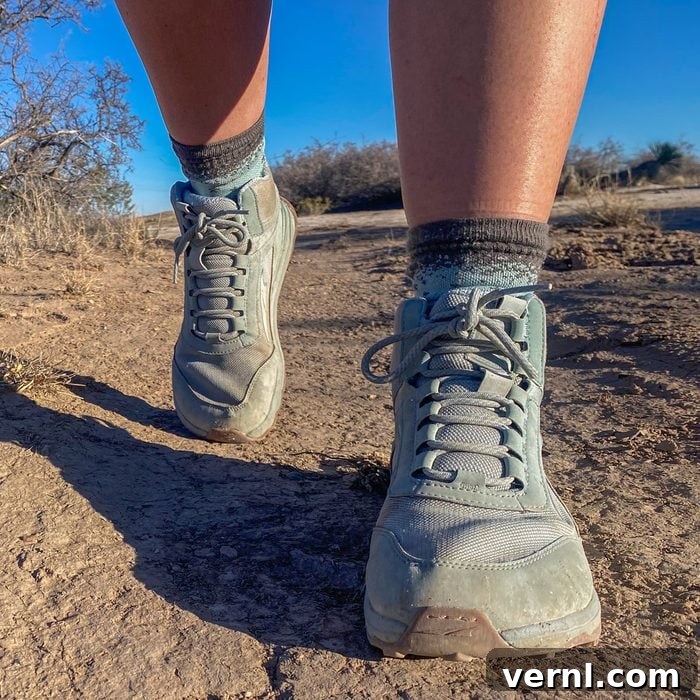
The Altra Lone Peak Hiker is a specialized hiking boot derived from Altra’s highly acclaimed and exceptionally popular Lone Peak trail running shoe series. While the trail runner version has evolved through eight iterations, the Lone Peak Hiker is currently in its second, refining its focus on hiking-specific demands. These boots are engineered as mid-height, zero-drop shoes, offering moderate cushioning designed to navigate a wide array of terrains with remarkable ease and comfort.
Altra has built a strong reputation around comfort and flexibility, and the Lone Peak Hiker perfectly embodies this philosophy. They are crafted for hikers who prioritize a natural foot feel, ample toe room, and a responsive connection with the ground. Their design aims to minimize the strain often associated with long hikes, making them a preferred choice for those seeking a more intuitive and pain-free outdoor experience. As we explore its features, it becomes clear why these boots have quickly garnered a loyal following among trail enthusiasts.
If you’re already accustomed to zero-drop shoes or willing to invest time in adapting to them, the Altra Lone Peak Hiker is an outstanding choice. It’s available on Amazon, Altra’s official site, REI, and Zappos.
Key Features of the Altra Lone Peak Hiker
Let’s take a closer look at the innovative and critical features that set the Altra Lone Peak Hiker boots apart from traditional hiking footwear, contributing to their exceptional comfort and performance on the trail.
Wide Toe Box: Embrace Natural Foot Splay
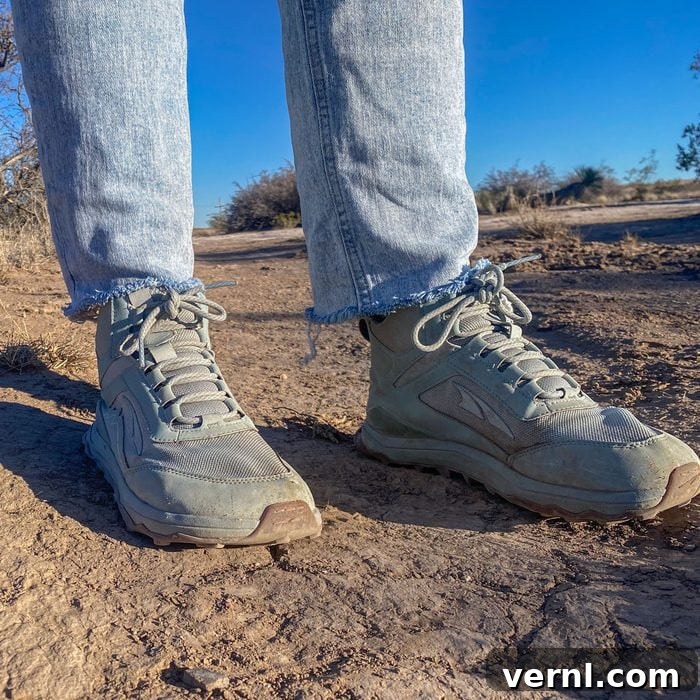
Perhaps the most distinctive and celebrated feature of the Lone Peak Hikers is their generous wide toe box. Altra’s proprietary FootShape™ footbed is ingeniously designed to mirror the natural anatomy of the human foot, providing abundant space for your toes to splay out naturally. This design promotes better balance, stability, and comfort, especially during long descents or on uneven terrain where toes often get compressed in conventional boots.
Many individuals initially perceive Altra Lone Peaks as running large. However, they are generally true-to-size; the sensation of spaciousness comes from the wide footbed, which offers significantly more room compared to the restrictive toe boxes of traditional hiking boots. This extra space allows your toes to relax, splay, and engage with the ground more effectively. While it might feel a little unusual at first if you’re used to narrower shoes, this freedom for your toes quickly transforms into a highly appreciated attribute, enhancing overall comfort and reducing the risk of blisters or numbness on extended hikes. This natural splay also helps maintain better circulation and reduces fatigue in your feet.
Zero-Drop Sole: Promoting Natural Alignment and Gait
The zero-drop sole is a fundamental aspect of Altra’s design philosophy and a crucial feature of the Lone Peak Hiker. This means there is no height difference between the heel and the forefoot (a 0-millimeter heel-to-toe drop), encouraging a more natural foot strike and promoting better posture and alignment throughout your body. While zero-drop shoes offer numerous benefits, including strengthening foot muscles and fostering a more balanced gait, they require an adjustment period if you’re new to them.
Transitioning to zero-drop footwear demands patience. I strongly advise starting with short walks on paved surfaces to allow your feet, ankles, and calves to adapt before venturing onto trails. Gradually increase the duration and difficulty of your hikes while wearing these boots. Personally, I had no prior experience with zero-drop shoes (and still don’t wear them in any other footwear), yet I found myself perfectly comfortable in the Lone Peaks relatively quickly. I experienced a mild, temporary discomfort in my heels during my first couple of short hikes, but this subsided completely, and I’ve since comfortably tackled day hikes exceeding 15 miles without any pain. This gradual adaptation ensures a smooth transition and allows you to fully reap the benefits of the zero-drop design.
Flexible Sole: Unrestricted Movement and Ground Feel
During a memorable hiking trip in Big Bend National Park, my hiking partner observed my feet and commented, “Your boot moves so fluidly with your foot! I really wish I had gotten a pair of those.” His observation perfectly encapsulates one of the Lone Peak Hiker’s greatest assets: its ultra-flexible sole. This remarkable flexibility allows the boot to conform and move seamlessly with your foot’s natural articulation, providing an unparalleled sense of agility and connection to the trail.
This inherent flexibility is particularly advantageous on rocky, technical trails that demand precise and often awkward foot placements. Unlike stiff, rigid hiking boots that can feel cumbersome, the Lone Peaks enable a more nimble and responsive stride. While it might sound cliché, this flexibility genuinely makes me feel more “connected” to the ground and enhances my awareness of the terrain beneath my feet. This direct feedback allows for quicker adjustments and greater confidence when navigating challenging paths, ultimately contributing to a more enjoyable and less fatiguing hiking experience.
Ankle Support: Balanced Protection for Most Trails
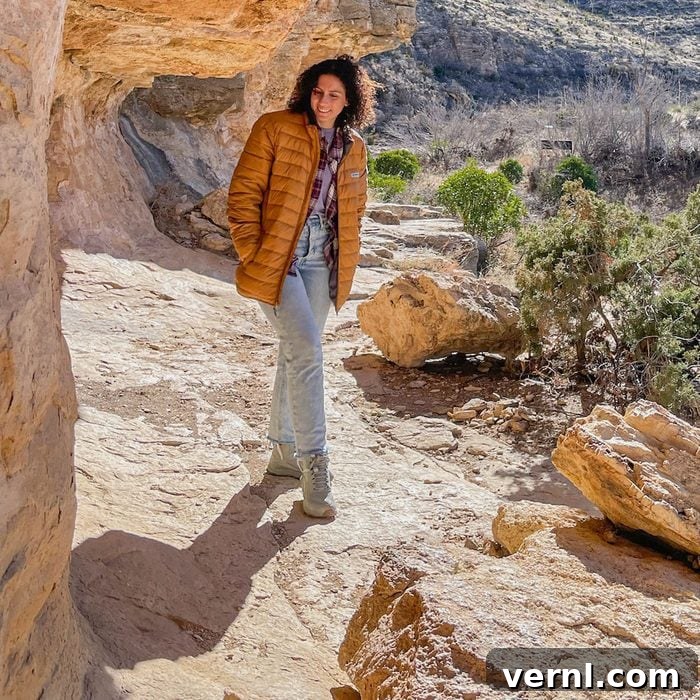
The Lone Peak hiking boots feature a mid-top height, rising just above the ankle. The lace closure is strategically positioned at the front of the ankle joint, providing a balanced level of ankle support that proves effective on most trails and terrains. This design strikes a commendable balance between offering protection and maintaining flexibility, which is characteristic of Altra’s emphasis on natural movement.
However, it’s important to note that this “most trails” caveat is significant. I have encountered extremely rugged terrain—deep ruts, precarious loose rocks, and steep, off-camber angles—where the mid-height collar didn’t offer the rigid support I sometimes desired. In such demanding situations, while I still felt comfortable due to the boot’s cushioning and flexible sole, I had to exercise extreme caution with every foot placement. For individuals who frequently tackle highly technical, ankle-twisting terrain or those with specific ankle support needs, a boot with a more rigid and higher ankle collar might be a more suitable choice. The Lone Peak Hiker prioritizes agility and comfort over maximum structural rigidity in the ankle area.
Extended Crash Pad: Enhanced Balance and Stability
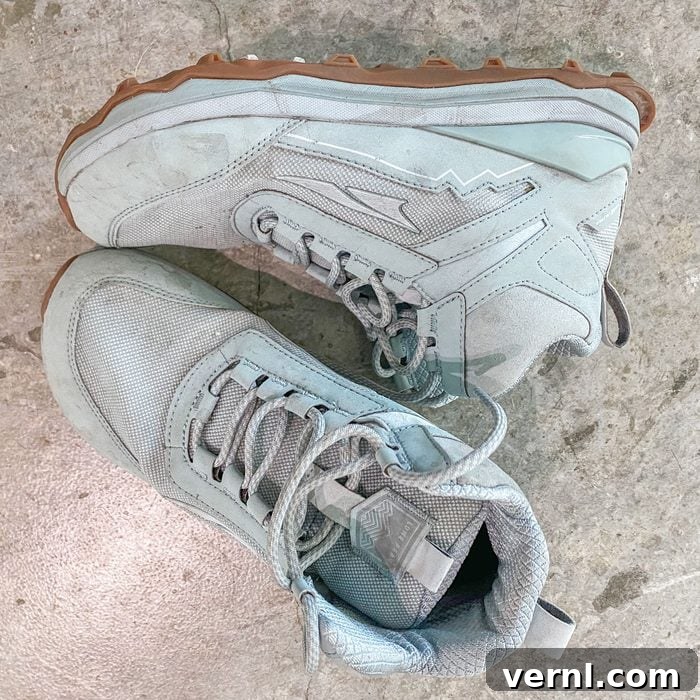
Upon closer inspection of the Lone Peak Hikers, you’ll notice a distinctive design element: the crash pad, an extension of the rubber outsole, protrudes significantly beyond the heel cup. This seemingly minor detail is, in fact, one of my favorite features and contributes tremendously to overall balance and stability on rugged trails. This extended platform acts as a stabilizer, absorbing impact and providing a wider base of support, particularly on uneven or descending terrain.
When navigating rocky trails, scrambling up inclines, or carefully making your way down steep slopes, this extended crash pad helps to prevent imbalances and provides a more secure foot placement. It effectively broadens your contact point with the ground, reducing the likelihood of rolling an ankle and enhancing your confidence when moving across challenging landscapes. It’s a thoughtful design choice that significantly improves the boot’s functional performance in dynamic trail environments.
Reinforced Toe Box: Essential Protection with Room for Improvement
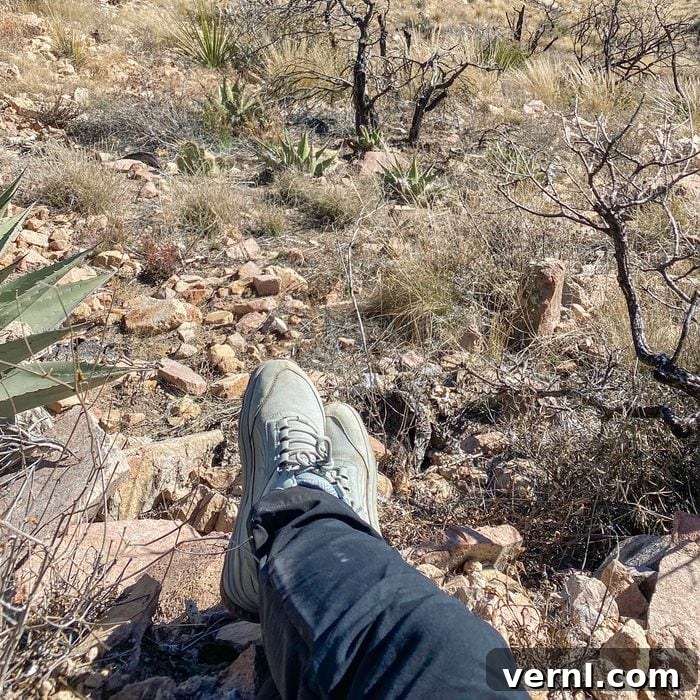
The Lone Peaks incorporate a clearly visible reinforced toe box, a vital feature for protecting your feet on the trail. Without this added reinforcement, the upper material in the toe area would quickly succumb to wear and tear, especially if you frequently encounter steep descents or brush against rocks and roots. This protective layer acts as a shield against impacts and abrasions, significantly prolonging the lifespan of the boot.
However, based on my extensive usage, I do believe the reinforcement could be more robust. With nearly 200 miles logged on my Lone Peaks, I’m already observing noticeable signs of wear on the toe box. Given my expectation for these boots to last between 400 to 500 miles of hiking, this premature wear is a slight concern. While they are still performing strongly, and the integrity of the boot remains intact for now, a more durable toe reinforcement would enhance their overall longevity and provide greater peace of mind for avid hikers who push their gear to the limits.
Deep Outsole Lugs: Unyielding Grip on Diverse Terrains
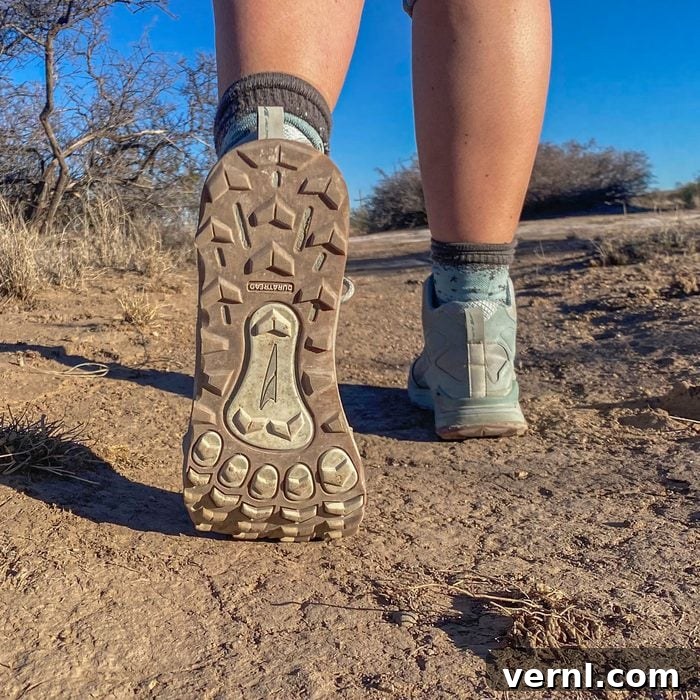
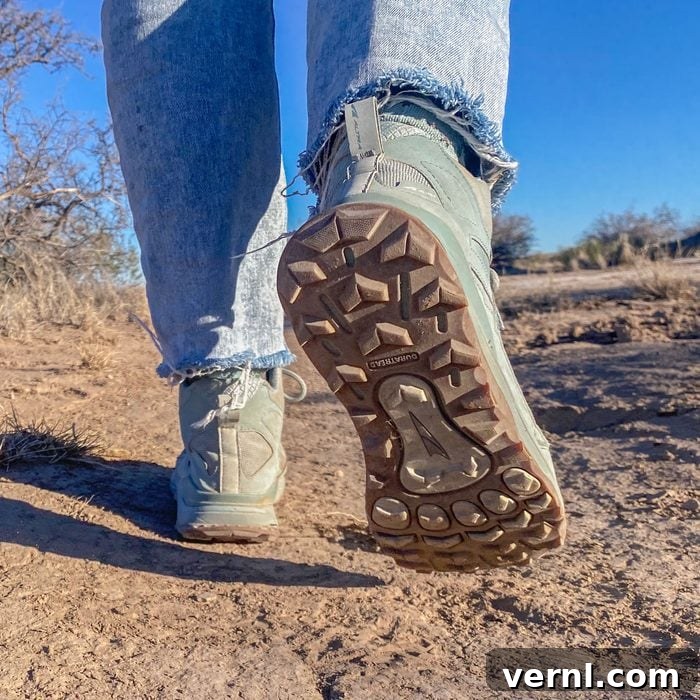
Hikers who frequently navigate trails characterized by challenging, slippery conditions—such as loose soil, deep sand, or treacherous shale—will profoundly appreciate the aggressive, deep lugs on the outsole of the Lone Peak hiking boots. These multi-directional lugs are meticulously designed to dig deep into unstable surfaces, providing exceptional traction and preventing slips and slides. The proprietary MaxTrac™ outsole compound ensures a reliable grip, whether you’re traversing a sandy wash or climbing a scree-laden slope.
Beyond loose terrain, I’ve found these lugs to be incredibly “sticky” and secure on smooth, exposed rock faces. This versatile grip ensures confidence across a wide spectrum of trail conditions, from wet roots to dry, polished stone. The strategic placement and depth of the lugs offer superior purchase, allowing for stable ascents and controlled descents, which is paramount for safety and efficiency on varied landscapes.
Breathable Mesh Upper (or Waterproof ALL-WTHR Option): Prioritizing Comfort and Drainage
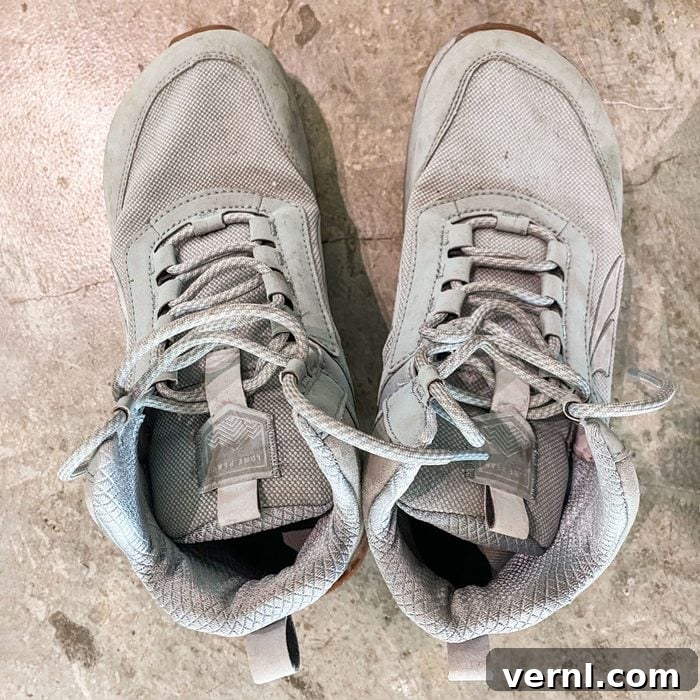
The Altra Lone Peak Hikers are among the most breathable hiking boots I have ever owned. The lightweight mesh upper excels at promoting airflow, which is critical for keeping your feet cool and comfortable during warm-weather hikes. This exceptional breathability also translates into superb water drainage. While living in the humid, often swampy environment of Florida, I frequently put these boots to the test in very wet conditions, and I was consistently impressed by how quickly water evacuated from the boots, leaving my feet to dry out rapidly. This quick-drain capability is invaluable on swampy trails or when unexpected stream crossings occur.
However, this emphasis on breathability means the standard Lone Peaks are not designed for cold, wet environments like winter snow. In such conditions, your feet would almost certainly get wet and uncomfortably cold. For warm weather, hot climates, or scenarios where rapid water drainage and quick drying are paramount, these boots truly shine. It’s a trade-off, and the Lone Peak excels where it’s intended to.
Altra does offer a waterproof version known as the Lone Peak ALL-WTHR. However, it’s essential to note that numerous customer reviews suggest that the waterproofing performance of the ALL-WTHR model is inconsistent or subpar. In light of this feedback, you might find yourself better off with the standard Lone Peak Hikers due to their superior drainage and drying speed, or by investing in a different pair of truly reliable waterproof boots from another brand. For a recommended waterproof alternative, the Columbia Newton Ridge waterproof boots are a widely respected choice known for their effective moisture protection.
How We Tested the Altra Lone Peak Hiker
My testing of the Altra Lone Peak hiking boots has spanned approximately 200 trail miles across a multitude of environments, and they continue to perform exceptionally. Based on the current wear-and-tear observed at this 200-mile mark, I anticipate getting a solid 400 to 500 miles out of these boots before considering a replacement. This mileage estimate speaks to their surprising durability for a lightweight, flexible boot.
I’ve subjected the Lone Peaks to a diverse range of trails, pushing their limits in various conditions. They’ve traversed deep sand trails through the dense scrub forests of South Florida, endured hard-packed dirt and loose scree in arid desert landscapes, and navigated slick scrambles on exposed rock faces in mountainous regions. In every single scenario, I found myself grateful for the specific attributes of the Lone Peaks.
In Florida’s humid environment, their unparalleled breathability and rapid water drainage were a blessing, preventing my feet from becoming uncomfortably saturated with swamp water. During the intense heat of a Utah summer, the breathable mesh upper kept my feet remarkably cool and dry, mitigating the discomfort often associated with hot-weather hiking. And in the rugged, rocky, and often slippery canyons of southwest Texas, the deep, grippy lugs on the outsoles provided the essential traction needed for confident footing on unpredictable surfaces.
Above all, my deepest gratitude for these boots stems from their exceptional comfort. It’s a truly wonderful experience to discover a pair of hiking boots that consistently allows me to undertake double-digit mileage hikes without experiencing any pain, aching, or general discomfort. Whether it’s a quick two-mile stroll or a challenging 15-mile all-day trek, my Altra Lone Peak Hikers have consistently delivered comfort and reliability, making every step enjoyable.
Pros
- Generous, wide, and comfortable toe box facilitates natural toe splay, enhancing stability and preventing discomfort.
- Super grippy outsole with deep lugs provides excellent traction on a wide variety of slippery and loose terrains.
- Extended crash pad significantly aids in balance and stability, especially on uneven and rough ground.
- Flexible footbed moves seamlessly with your feet, promoting natural gait and ground feel.
- Breathable mesh upper ensures superior ventilation and exceptional water drainage, ideal for warm, wet conditions.
- High-quality laces consistently stay securely tied throughout long hikes, eliminating mid-trail adjustments.
- Impressively lightweight for a hiking boot, yet maintains a durable construction suitable for demanding trails.
Cons
- The standard version is not waterproof, limiting its suitability for prolonged exposure to snow or heavy rain.
- The “ALL-WTHR” (all-weather) waterproof version has received mixed to negative reviews regarding its waterproofing effectiveness.
- Zero-drop soles are not universally suitable and may cause initial discomfort or pain for individuals unaccustomed to them, requiring a dedicated adjustment period.
- Ankle support, while adequate for most trails, may be insufficient for highly technical, extremely rocky terrain where maximum rigidity is desired.
- Toe box reinforcement, while present, could be more robust for enhanced long-term durability, as minor wear may appear sooner than expected.
Frequently Asked Questions (FAQ) About the Altra Lone Peak Hiker
Are Altra Lone Peak Hikers waterproof?
There is a specific waterproof iteration of the Lone Peak Hikers known as the ALL-WTHR (all-weather) model. While I haven’t personally tested this all-weather version, a significant number of customer reviews and expert assessments suggest that its waterproofing capabilities are not consistently reliable or on par with dedicated waterproof hiking boots. Many users report that water can still penetrate the boot in sustained wet conditions. For this reason, if true waterproof performance is your top priority, you might find the standard, highly breathable Lone Peaks, which excel in drainage and quick drying, or an alternative, truly waterproof boot to be a more effective choice.
Should I size up or down for Altra Lone Peak boots?
From my experience and that of many others, the Altra Lone Peak boots generally run true to size. However, upon first wearing them, they might feel unusually roomy or “big” compared to traditional hiking boots. This sensation is primarily due to Altra’s signature wide FootShape™ toe box, which is designed to allow your toes to splay naturally. This is not an indication that the boot is too large, but rather that it offers more natural foot freedom. It’s always best to try them on, ideally at the end of the day when your feet are slightly swollen, and with the type of hiking socks you typically wear, to ensure the most accurate and comfortable fit.
How long do Altra trail shoes typically last?
The lifespan of any pair of hiking boots, including Altra trail shoes, is highly dependent on several factors: the frequency of use, the aggressiveness of the terrain you hike, and how well you maintain them. It’s generally measured in miles rather than years. Typically, you can expect to get approximately 300 to 500 miles out of hiking boots featuring a standard ethylene-vinyl acetate (EVA) foam sole, similar to many running shoes.
According to Altra, the Lone Peak Hiker boots utilize a midsole composed of a proprietary blend of cushioning agents. While Altra doesn’t explicitly state the material, various online sources suggest it incorporates thermoplastic polyurethane elastomer (TPU). TPU is renowned for being more durable and resilient than traditional EVA foam. This enhanced material composition implies that Altra Lone Peaks should perform robustly towards the higher end of the 300 to 500-mile range, or potentially even beyond, assuming proper care. After approaching 200 miles on my own pair, they continue to perform flawlessly, showing promising signs of extended durability.
What Other Reviewers and Experts Have to Say
The Altra Lone Peak Hiker enjoys a considerable following among both dedicated trail runners and avid hikers. However, it’s crucial to remember that footwear is an intensely personal choice, and individual experiences will inevitably vary due to differences in foot anatomy, preferred terrain types, gait, and personal preferences.
General customer reviews are overwhelmingly positive, with many buyers expressing their loyalty by repeatedly purchasing Lone Peak models when their old boots wear out. This speaks volumes about the comfort and satisfaction these boots deliver. While a minority of customer reviews occasionally report issues with quality, such as boots breaking down earlier than expected, my personal experience has been largely free of such significant problems, though I am vigilantly monitoring the wear on the toe box as noted previously.
In-depth reviews from hiking experts present a more nuanced, albeit generally favorable, picture. Some detailed assessments heap praise upon the Lone Peaks, hailing them as some of the most comfortable and innovative hiking boots ever designed, particularly for their natural feel. Others are less effusive, occasionally critiquing the boots for perceived shortcomings in providing maximum rigidity or support on extremely technical or off-trail terrain. Nevertheless, one consensus emerges consistently across nearly all expert opinions: the Altra Lone Peak Hikers are undeniably, exceptionally comfortable.
Altra Lone Peak Hiker: Product Comparison
While the Altra Lone Peak Hikers are exceptional, they are certainly not the only respectable hiking boots available. In fact, the market offers a diverse range of options, many of which I’ve explored in my comprehensive guide to the best hiking boots. However, when it comes to zero-drop hiking boots specifically, the Altra Lone Peaks stand in a league of their own. Based on a meticulous evaluation of product specifications and widespread customer feedback, these boots offer what appears to be the most optimal blend of minimalist design principles, robust durability, and unparalleled comfort within the zero-drop category.
If your primary requirement is waterproof protection, I must candidly steer you away from the Lone Peak series. As mentioned, even the “ALL-WTHR” version has garnered numerous customer reviews indicating inconsistent waterproofing performance. For dependable waterproof capabilities, a more reliable alternative would be the Columbia Newton Ridge. These boots offer solid waterproofing at a very competitive price point, though they do not feature the zero-drop sole of the Altras.
For exceptional breathability and rapid drainability, my experience tells me the Lone Peaks are virtually unmatched. Their ability to shed water quickly and keep feet cool in hot, humid conditions is a significant advantage. Furthermore, they boast some of the most effective and grippy outsoles I’ve ever tested, providing reliable traction across diverse terrains. Conversely, hikers seeking maximal ankle support for extremely rugged or off-trail expeditions might find the mid-height ankle collar of the Lone Peaks slightly less rigid than desired. In such cases, where superior ankle stabilization is paramount due to very rocky terrain or specific anatomical needs, a boot with a more structured and rigid ankle collar might be a more appropriate choice.
Another noteworthy option to consider is the Hoka Speedgoat mid-top version. The Hoka Speedgoat enjoys a near-deity status among trail runners for its exceptional cushioning and performance. The mid-top iteration translates beautifully into a fantastic lightweight hiking boot, offering incredible comfort and impact absorption, though it is not a zero-drop option. For those prioritizing maximal cushioning and protection over a natural, ground-feel experience, the Speedgoat is a compelling alternative.
Merrell is another venerable brand that should undoubtedly be on your radar when researching hiking footwear. Our dedicated shopping team at Family Handyman consistently praises the Merrell Moab boots, renowned for their out-of-the-box comfort and durability. Merrell also engages in interesting collaborations, such as with Unlikely Hikers and Jeep, offering unique styles and specialized features that cater to a broad range of hikers looking for reliable, comfortable, and versatile options beyond the zero-drop philosophy.
Final Verdict: The Altra Lone Peak Hiker – A Champion of Comfort
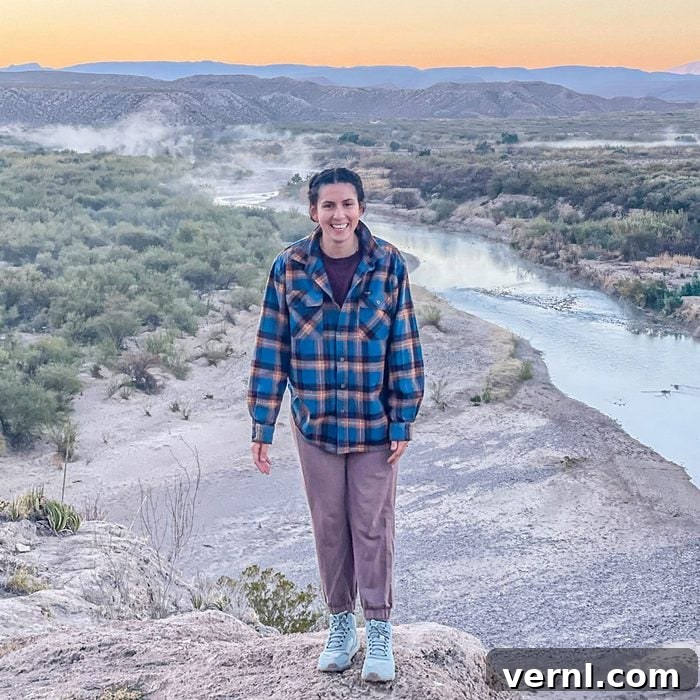
I wholeheartedly and unreservedly recommend the Altra Lone Peak hiking boots to any hiker who is either already accustomed to the benefits of zero-drop footwear or genuinely willing to commit to the necessary adjustment period. While they may not be the quintessential “perfect” boots for every single hiking scenario imaginable, they undeniably stand out as the best all-around performers I have had the pleasure of testing.
Despite my minor observations regarding the less-than-ideal toe box reinforcement and the slightly less rigid ankle support on extreme terrain, these boots consistently deliver on their promise of comfort and natural feel. The unparalleled toe splay, flexible sole, superior grip, and excellent breathability make them a joy to wear mile after mile. When the time eventually comes for a new pair of hiking boots, I will, without hesitation, be purchasing another pair of Altra Lone Peak Hikers, confident in their ability to continue providing a pain-free and highly enjoyable hiking experience.
Where to Buy the Altra Lone Peak Hiker
The Altra Lone Peak Hiker is widely available for purchase, typically priced at around $150 for the standard model. You can find them on the official Altra brand website, as well as through major online retailers like Amazon, REI, and Zappos. If you are considering the all-weather version, the Altra Lone Peak ALL-WTHR model is priced slightly higher, typically around $180.
Shop Now on Amazon