You've Been Using Your Bathroom Fan Wrong This Whole Time
Find out how long to leave a bathroom fan on after a shower or bath to remove lingering moisture and help keep the space dry.
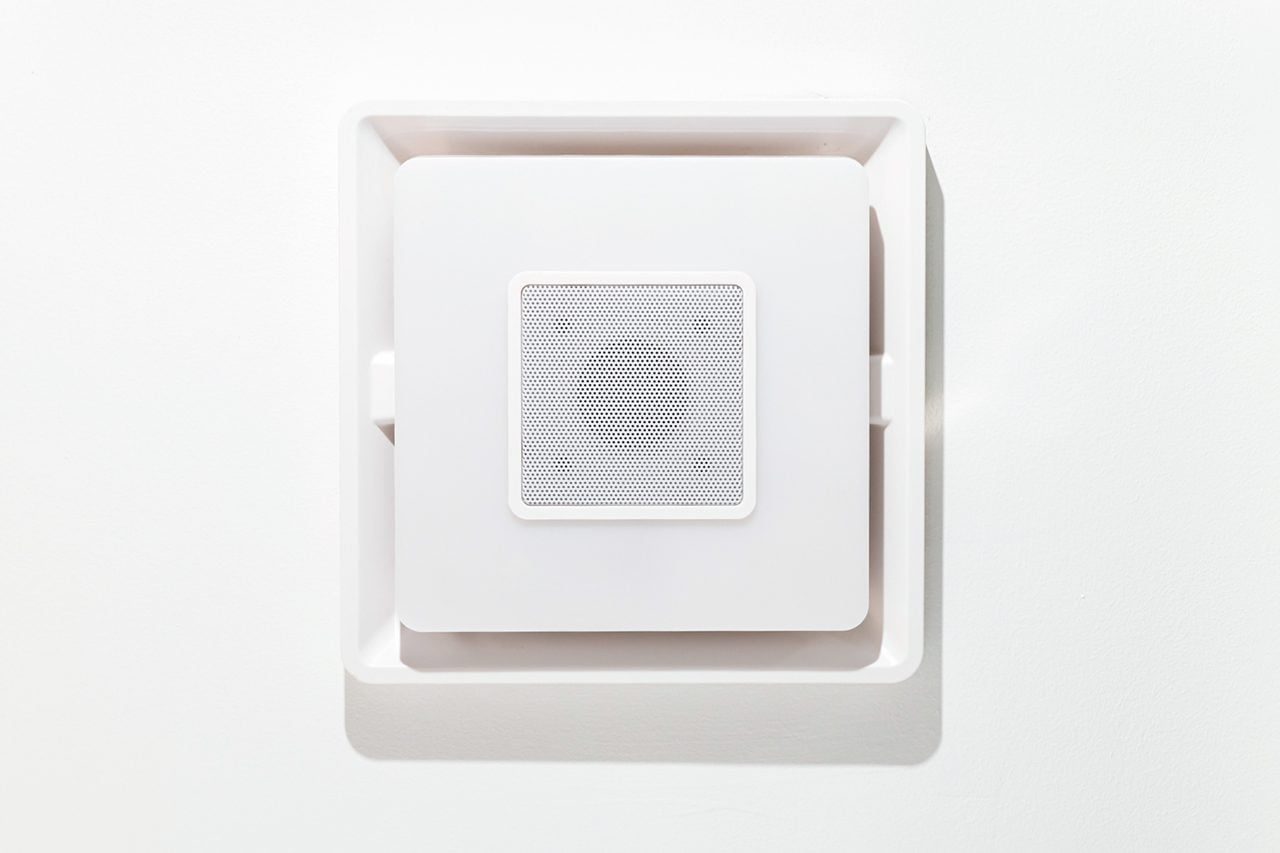
Most people know that when you go for a shower, you need to turn on the bathroom exhaust fan. As the room fills up with steam, it’s kind of hard to forget. But did you know it’s a little more complicated than that?
Experts say the fan should run throughout a bath or shower and continue running afterward. That extra run time once the water stops flowing removes any remaining moisture in the air, on bathroom surfaces, and in other areas where condensation can collect.
Learn how long you should run the fan, why those extra minutes matter, when a bathroom fan may need to run longer, and how to tell whether it’s actually doing its job.
How Long Should a Bathroom Fan Run?
In addition to running a ventilating fan while water is running, ENERGY STAR recommends leaving it on for 15 minutes afterward to help control moisture. Other experts say you should run it for longer, depending on how much moisture the shower produces, if the mirror remains fogged, or if the walls have condensation.
“Use a bathroom fan that vents to the outdoors or open a window (if conditions allow) during and after a shower to exhaust the moisture to the outdoors,” the Environmental Protection Agency (EPA) recommends.
If you’re worried about forgetting to turn the fan off, consider using a timer switch. Humidity-sensing fans or moisture meters that respond to moisture levels are also a great option because they don’t rely on someone to remember to flip a switch.
Why Post-Shower Ventilation Matters
Steam doesn’t go away just because you shut off the valve. According to the EPA, when showers add moisture to indoor air, the water vapor can condense when humid air contacts a cold surface. That’s why mirrors, walls, windows, and other bathroom surfaces are still damp after a shower ends.
Continuing to run the exhaust fan moves that humid air outdoors, removing lingering moisture and discouraging mold growth while protecting bathroom materials from repeated exposure to damp conditions.
“Use exhaust fans in the kitchen and bathroom that vent to outside your home,” the Centers for Disease Control and Prevention (CDC) recommends.
Bathroom fans should exhaust outdoors rather than into an attic or another enclosed space. If the bathroom consistently stays damp despite running the fan for an extended period, check that the ventilation system is working properly. An undersized, dirty, clogged, damaged, aging, or improperly ducted fan can lead to expensive repairs if not fixed.
The simple habit of running the bathroom fan for at least 15 minutes after every shower can help keep excess moisture and its potential problems under control.
Sources
- U.S. Centers for Disease Control and Prevention, "Mold"
- U.S. Environmental Protection Agency, "Biological Contaminants and Indoor Air Quality"
- ENERGY STAR, “Low- to No-Cost Tips for Saving Energy at Home”