
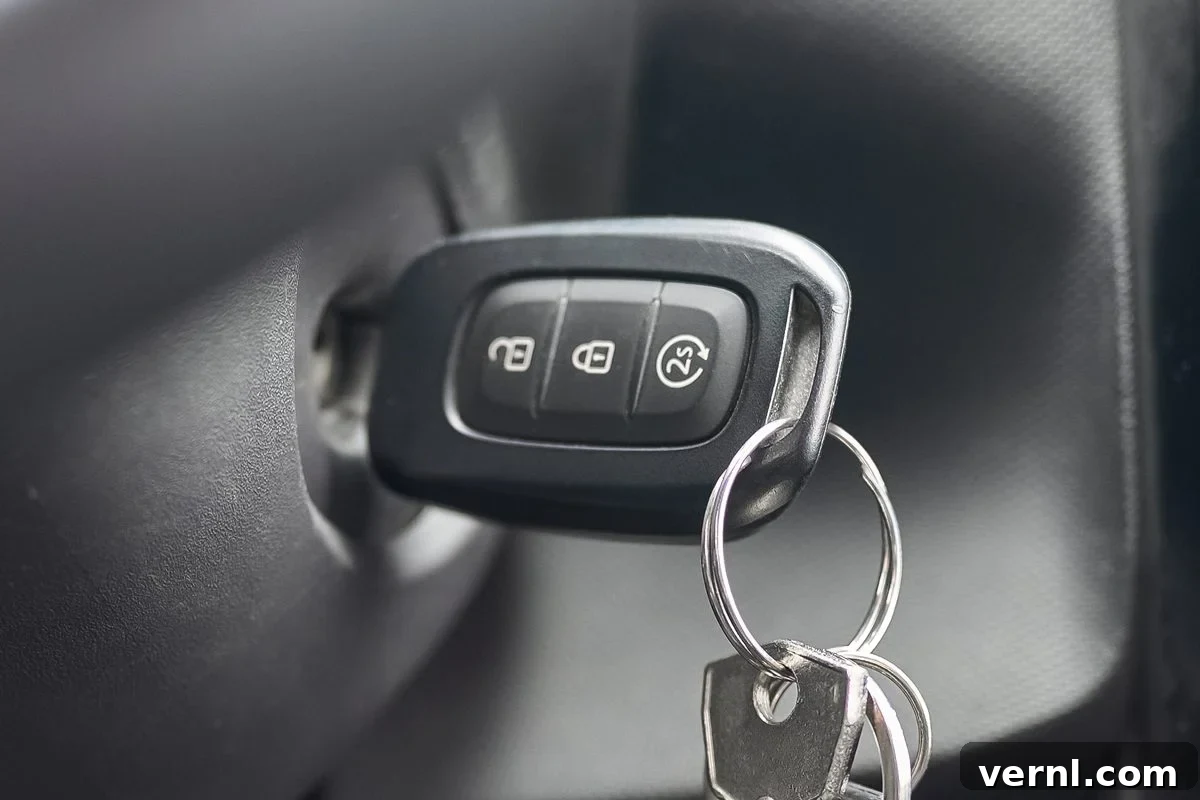
Unlock Savings: Your Guide to DIY Car Key Fob Programming
Losing a car key can be a major headache, especially when dealerships quote exorbitant prices for replacement key fobs and programming. Many car owners find themselves in situations where a spare key is needed, often facing unexpected costs. Imagine the frustration of needing a simple key replacement and being told it will cost hundreds of dollars. This was exactly the situation my mom faced when she misplaced the spare key for her 2006 Subaru. The dealership’s quote of over $300 seemed excessive, prompting us to explore do-it-yourself alternatives.
This experience isn’t unique. Many car owners are seeking affordable and convenient solutions for replacing or programming their car key fobs. The high cost and complexity often associated with dealership services drive individuals to find DIY methods. Fortunately, for many vehicle models, programming your own fob and smart key is entirely possible. The key is understanding the tools and processes involved, which vary based on your vehicle’s age and model. This guide provides a comprehensive overview of what you need to know to successfully program your own car fob, saving you time and money.
Mike Wessman, founder of Tom’s Key Company, understands this frustration firsthand. “I started Tom’s Key Company out of frustration at the cost and difficulty in getting a spare key or remote programmed to my vehicle,” he explains. “Plus, over 50% of used cars are sold with a single key.” This highlights the widespread need for accessible key replacement and programming solutions.
Understanding How Key Fobs Work
Key fobs, also known as smart keys, remote keys, or proximity keys, are sophisticated devices that communicate with your vehicle’s computer system (ECU). Each fob contains a unique digital fingerprint or serial number recognized by the ECU. When you press a button on the fob or simply come within close proximity to the vehicle, the fob sends a radio frequency signal that activates specific systems.
These systems can include unlocking the doors, opening the rear hatch and sliding doors (on vans), triggering a panic alarm, or even starting the engine. The technology behind key fobs has evolved significantly over the years, reflecting advancements in vehicle security and convenience.
Chris Pyle, a master-certified technician, describes this evolution: “We used to just have keys, then keys and a separate fob, then keys with the fob built into the key head, and then the key went away, leaving just a fob and a push-to-start button.” This progression demonstrates the increasing integration of key fobs into modern vehicle systems.
Programming Key Fobs for Older Vehicles (Pre-2010)
If you own a vehicle manufactured before 2010, you’re in luck! Programming your own key and fob is often a simple and inexpensive DIY task. The process typically involves purchasing a generic key fob, which is readily available online and at some hardware stores. Once you have the fob, the programming process, also known as onboard programming, can begin.
Onboard programming usually involves a series of steps that include cycling the key on and off rapidly for a specific number of times while simultaneously pressing various buttons on the fob. Some procedures may also require opening doors in a specific sequence or pressing the brake pedal at certain points. The exact steps vary depending on the vehicle’s make and model.
To find the specific programming instructions for your car, Wessman recommends resources like programyourremote.com and programautokeys.com. These websites offer detailed guides for a wide range of vehicles. Additionally, you can often find helpful tutorials on YouTube or consult your car’s owner’s manual, which may contain the necessary programming steps.
However, even for older vehicles, there can be complications. In the case of my mom’s 2006 Subaru, the ignition key contained a smart chip, which required more advanced programming techniques similar to those used for newer vehicles. So, it’s always best to check the resources mentioned above to ensure an easy and successful process.
Programming Key Fobs for Modern Vehicles
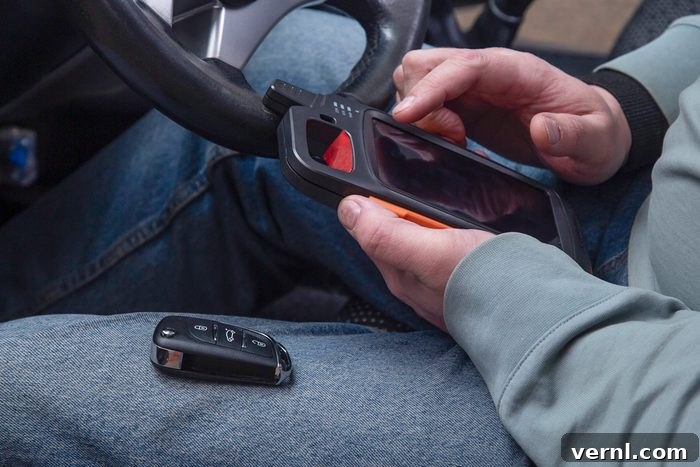
Newer vehicles incorporate more advanced security and technology systems, making key fob and key programming more complex. Programming these fobs typically requires specialized equipment, such as a scan tool. These scan tools connect to the vehicle’s computer and allow you to access the necessary programming functions.
“The good news is that plenty of DIYers do have scan tools,” says Pyle. “The ones that have security access, though, are often very expensive, costing over $500.” The cost of these specialized tools can be a significant barrier for some DIYers. However, if you plan to program fobs for multiple vehicles or frequently work on cars, investing in a scan tool might be worthwhile.
Fortunately, companies like Tom’s Key Company offer solutions that bridge the gap between DIY convenience and the complexity of modern vehicle security. They can cut a new key blade from a photo of your existing key and then mail you a programming tool specific to your vehicle. “It’s an easy DIY project that takes about 10 minutes and saves hundreds of dollars,” says Wessman. The cost for this service is typically around $150 for most vehicles, a significant savings compared to dealership prices.
It’s important to be aware of potential complications. Aftermarket alarms and remote start systems can sometimes interfere with the programming process. Additionally, if your car has already had more than three keys or fobs programmed, you may need to visit a dealership to ensure proper functionality.
Security and Legality Issues
Many people wonder if programming their own car fob raises any security or legal concerns. According to Wessman and Pyle, there are generally no issues. “It is your car, you can do as you please as long as you have the skills and tools to complete the job,” says Pyle. As the vehicle’s owner, you have the right to modify and maintain it as you see fit.
However, it’s crucial to proceed with caution and follow instructions carefully. In rare instances, incorrect DIY programming can disable electrical features, trigger dashboard warning lights, or create problems with the ECU. These issues may then require professional attention from a locksmith or dealer.
Wessman highlights a specific concern for Nissan and Infiniti owners: “Nissan and Infiniti owners in particular should be aware that the first step in this manufacturer’s programming of a proximity key is to erase all existing keys. If instructions are not followed correctly, the vehicle will have no keys saved in the memory.” This underscores the importance of understanding the specific programming requirements for your vehicle’s make and model.
Why Dealerships Charge High Fees for Key Fobs
The high cost of key fobs at dealerships often raises questions. Melanie Musson, an auto industry expert, explains, “Because they can. You need to have a key, or you can’t drive your car. Part of the cost is that the fobs contain advanced technology, but they’re still more expensive than they need to be.” The combination of necessity and advanced technology allows dealerships to charge premium prices.
Can a Locksmith Program My Key Fob?
Yes, locksmiths are a viable alternative to dealerships for key fob programming. They can typically provide and program fobs for most vehicles, often at a lower cost than a dealership. To perform the job, they will likely need all existing keys and fobs, as well as access to the vehicle, says Pyle.
FAQ
My fob buttons work (locks/unlocks), but the car won’t start — why?
If you have a fob with a push-button start, and the buttons work but the car won’t start, it could indicate several issues. It might be a failing fob, a dead battery in the fob, or problems with the vehicle’s computers, brake lights, anti-theft systems, or the starter, according to Pyle. A diagnostic check can help pinpoint the exact cause.
Can a cheap aftermarket fob damage my car?
No, a cheap aftermarket fob is unlikely to damage your car. However, a more common issue is that the aftermarket fob may not support all of the vehicle’s features or may require closer proximity to the vehicle to operate. When purchasing an aftermarket fob, Pyle recommends choosing a higher-quality model for increased durability and reliability.
About the Experts
- Mike Wessman is the owner of Tom’s Key Company, which specializes in helping customers DIY spare car keys and fobs. He also hosts the Tom’s Key Company DIY YouTube channel, providing valuable tutorials and insights.
- Chris Pyle is a master-certified technician with over 20 years of automotive experience. He has also served as an expert for JustAnswer.com since 2006, offering his expertise to online users.
- Melanie Musson is an auto industry expert with Clearsurance.com. https://clearsurance.com/