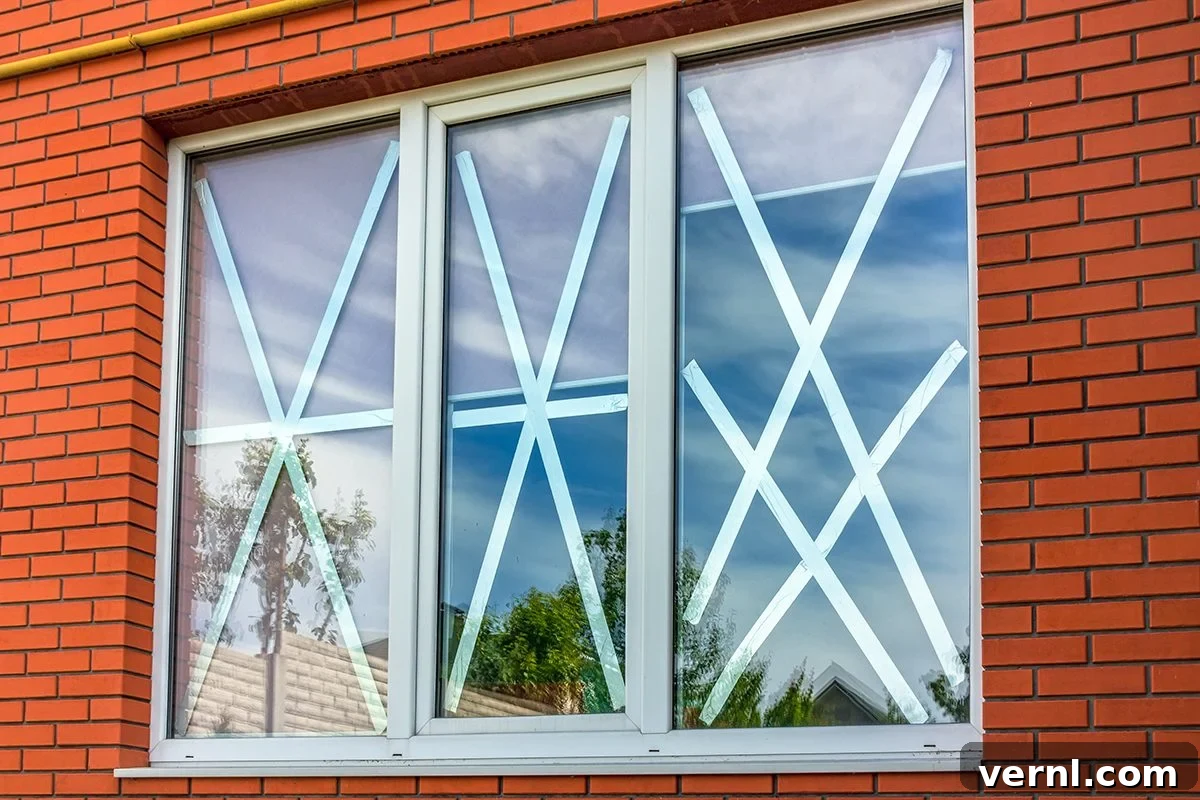
Why Taping Windows for Storms Is a Myth — Better Ways to Protect Your Home
As storm seasons become more intense, preparing homes for extreme weather is top of mind for many homeowners. One widely shared tip—internet memes, TV footage, and social posts—advises placing tape across windows before a storm. At first glance it seems sensible: tape looks proactive and gives the impression it will hold broken glass in place. But this practice is largely ineffective and can create problems that make storm damage worse.
Window professionals warn that tape provides a false sense of security and distracts from more reliable protection methods. Below is an explanation of why tape doesn’t work the way people expect, plus practical, tested alternatives you can use to reduce the risk of shattered windows and interior damage during high winds and flying debris.
Why People Tape Windows Before a Storm
Many homeowners and businesses apply tape in an X or grid pattern across window panes. The idea is that, if the glass breaks, the tape will hold fragments together and prevent dangerous shards from entering the building. This behavior has historical roots: during World War II, Londoners taped windows to reduce injuries from blast pressure. Decades later, the practice resurfaced in hurricane-prone regions and spread through news coverage and social platforms.
Does Tape Actually Work?
Short answer: no, not for modern storms. Building science and disaster research do not support tape as an effective way to prevent window failure in hurricanes or high-wind events. Tape does not change the wind pressure or impact forces that cause glass to break. In some cases, tape can do more harm than good by increasing the chance that an entire window panel will be forced out of its frame, creating a larger opening for storm-driven pressure to enter the home and cause more extensive damage.
Modern tempered glass is designed to break into small pieces to reduce laceration risk, and applying tape can change the way glass fragments and create larger, hazardous shards. Removing tape after the storm can also be time-consuming and may damage window finishes.
There is one narrow, legitimate use for tape: temporarily stabilizing a cracked, older single-pane window to slow further spreading until it can be replaced. But this is different from using tape as a hurricane-preparation strategy.
Effective Ways to Protect Windows in a Natural Disaster
No measure is absolutely foolproof, but several options substantially reduce the risk of shattered windows and resulting interior damage. Choose the approach that fits your budget, typical storm exposure, and how quickly you need to deploy protection.
Impact-Resistant Glass
Hurricane-rated or impact-resistant windows are the most reliable permanent solution. They use laminated construction similar to automotive windshields and can withstand strong winds and flying debris. Although the upfront cost is higher, these windows often qualify for insurance discounts and remove the need for temporary boarding.
Storm Shutters
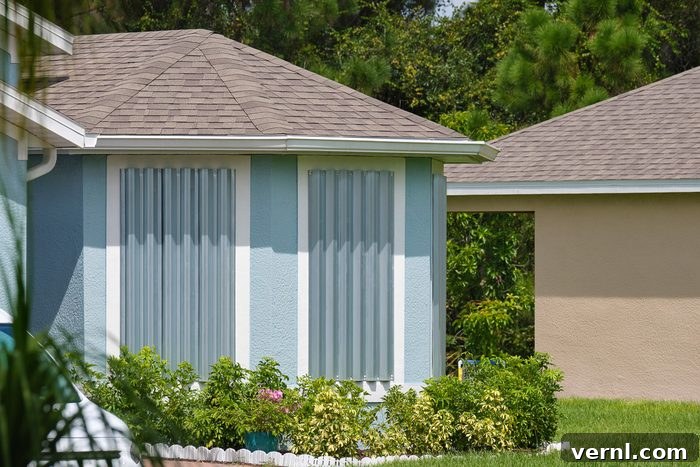
Storm shutters—accordion, roll-down, or removable panels—provide proven protection when properly installed. They deploy quickly on modern systems and offer a measurable barrier against wind and debris. While installation and purchase costs can be significant, shutters are a long-term solution for homes in frequent storm zones.
Plywood Panels
Plywood is a cost-effective, practical option when installed correctly. Use exterior-grade plywood at least 5/8-inch thick and anchor panels into the wall framing, not just the window frame. A smart preparation tip is to pre-cut and label panels for each window before storm season so installation is fast when time is limited.
Window Film
Security or safety film adheres to glass and helps hold pieces together if the pane is struck. It’s an invisible, relatively affordable permanent upgrade that performs the function tape claims to provide—but it does so reliably and without adhesive residue. While film won’t stop extremely high-energy impacts, it significantly improves performance against wind-driven debris and minor impacts.
Fabric and Screen Systems
High-strength hurricane screens made from woven fabric are a newer option. They are rated for wind and debris impact, store compactly, and are easier to deploy than plywood. These screens cost more than plywood but are practical for frequent use and gentler on window trim over time.
Tape (If You Insist)
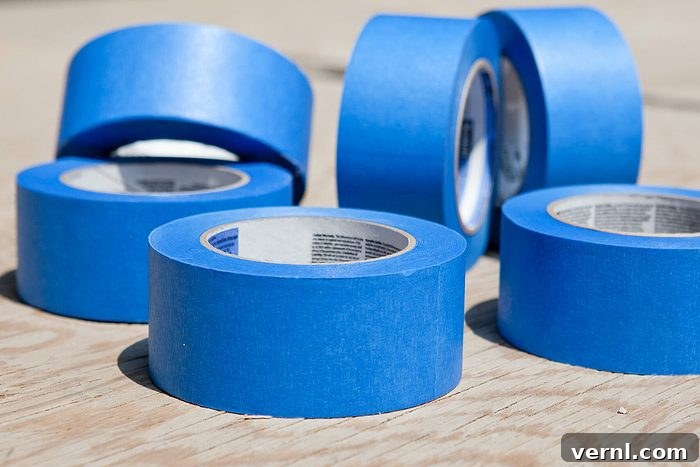
If you still decide to use tape, choose blue painter’s tape rather than duct or packing tape because it leaves less residue. Apply it in a grid pattern to help distribute force, and remove it promptly after the storm to avoid adhesive curing to the glass. Remember that tape is a last-resort, limited measure—not a substitute for impact-rated products or properly installed shutters or panels.
About the Experts
- Phil Adkins — President of Adkins & Sons, a Michigan-based company that specializes in replacement windows, doors, siding, and carpentry projects.
- Leo Alabovitz — Founder and CEO of JMI Windows and Doors, a Florida company focused on impact windows, doors, and flood protection solutions.
- Dax Kirks — Operations manager and co-founder at Best Buy Windows & Siding in Dallas, Texas.
Preparing the right way for storms means choosing strategies backed by proven performance. Replace unsafe habits with durable solutions—impact glass, shutters, plywood, film, or hurricane screens—so your home stands a better chance when severe weather arrives.