Driving Safe in Winter: The Importance of Clearing Snow and Ice from Your Car
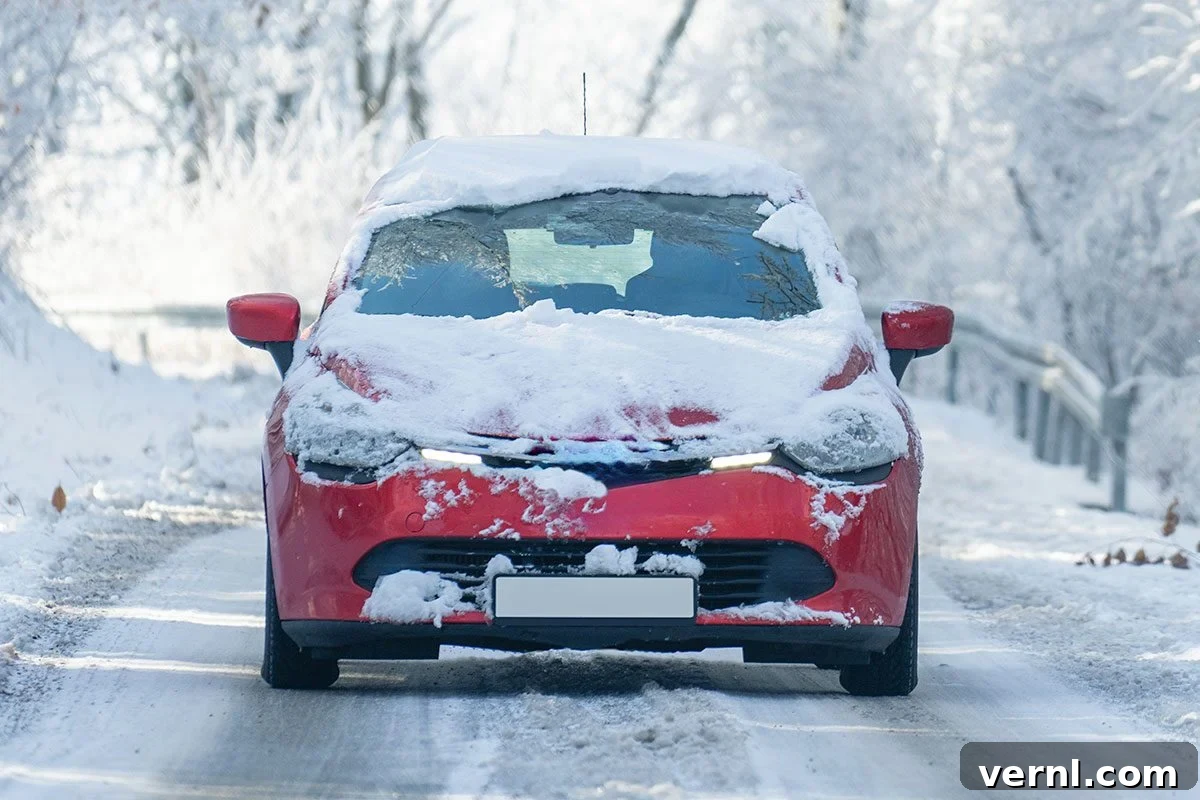
If you live in a region that experiences significant snowfall, you’ve likely faced the challenge of dealing with snow and ice accumulation on your vehicle. It’s a common sight: a large storm blankets your car with a thick layer of snow and ice, covering the windshield, roof, and everything in between. In a rush to get going, many drivers opt to clear only a small portion of the windshield, just enough to have what they consider “sufficient” visibility, and then proceed on their way.
This practice, while seemingly harmless, is more widespread than you might think. In fact, law enforcement agencies across the country frequently issue reminders to drivers about the dangers and legal ramifications of driving with uncleared snow and ice on their vehicles. Depending on the state or city, neglecting to remove snow from your car can result in a traffic ticket.
The risks associated with driving with snow-covered vehicles are significant. As the Paterson Police Department in New Jersey aptly stated, “Snow left on a vehicle can slide onto your windshield or fly off and strike other cars, creating dangerous conditions on already slick roads.” This highlights the potential for reduced visibility and the hazard posed by flying snow and ice, especially when roads are already treacherous due to winter weather. Furthermore, obstructed views and covered lights significantly increase the risk of accidents, potentially leading to enforcement action.
This article will explore why driving with snow on your car is not only illegal but also extremely dangerous. We’ll provide guidance on how to stay safe while driving in winter conditions and ensure you’re compliant with local regulations. Understanding these factors is crucial for maintaining your safety and the safety of others on the road during the winter months.
When Driving with Snow on Your Car Becomes Illegal
While clearing the windshield is often the primary focus for drivers, law enforcement agencies are concerned with the overall condition of the vehicle. Most states have established laws or guidelines pertaining to snow accumulation on vehicles, with specific regulations addressing obstructed windshields, covered lights, unsafe equipment, and excessive snow buildup on the roof. These laws are in place to protect drivers and pedestrians from the potential hazards posed by snow and ice.
Local police departments frequently issue reminders and educational materials to clarify safety codes relevant to their specific areas. Officers are often vigilant in identifying potential safety risks, such as significant snow accumulation that restricts visibility or obstructs essential safety features. The key takeaway is that even if you can see out of your windshield, other areas of your vehicle might be in violation of the law if they are covered in snow.
AAA’s winter driving advice regularly emphasizes the importance of addressing snow buildup on the roof, an area often overlooked by drivers. This buildup can pose a significant risk to other drivers as it can dislodge and obstruct their view. Therefore, a comprehensive approach to snow removal is essential for safe winter driving.
Before embarking on your winter journey, ensure you thoroughly clear the following areas:
Obstructed Windows and Windshields: Ensuring Clear Visibility
If snow or ice obstructs the windshield or front windows, drivers can be pulled over and ticketed. Law enforcement officials expect a clear view through all windows before the vehicle is put in motion, even immediately after a snowstorm. This is fundamental to maintaining proper visibility and situational awareness while driving.
Covered Lights, Plates, or Mirrors: Maintaining Communication and Awareness
Driving with snow covering headlights, brake lights, mirrors, or the license plate can also result in a ticket. Clear visibility of these components is crucial for other drivers to accurately perceive your intentions and movements on the road. Obscured lights can make it difficult to judge distance and speed, while a covered license plate hinders identification in case of an accident or other incident.
Snow or Ice That Can Blow Off: Preventing Hazards for Other Drivers
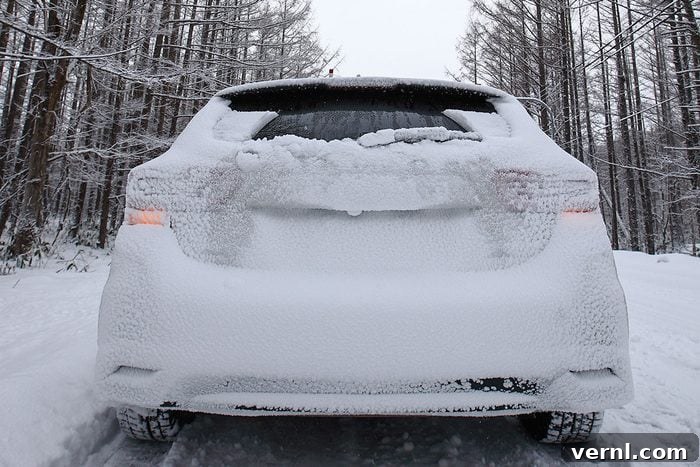
Snow accumulation on the roof is a particular concern due to its tendency to dislodge and become a projectile hazard. As the vehicle gains speed, this snow can slide or break loose, creating a dangerous situation for vehicles traveling behind it. The sudden cloud of snow can temporarily blind drivers, potentially leading to accidents. Therefore, removing snow from the roof is paramount to protecting other motorists on the road.
Why Fines Can Be Higher Than Expected
It’s easy to underestimate the severity of snow-related traffic tickets, assuming they fall into the category of minor equipment violations. However, the potential consequences of driving with snow on your vehicle extend beyond the driver’s own safety. Because the risk encompasses other drivers and pedestrians, enforcement actions can escalate, resulting in significantly higher fines than anticipated.
In many states and cities, initial fines can range from $50 to $100, but they can quickly escalate into the hundreds of dollars. In cases where visibility is severely obstructed or a crash occurs as a result, penalties can exceed $500 and even reach $1,000 after the addition of fees and surcharges. Repeat offenders may also face increased fines. These substantial penalties underscore the seriousness with which law enforcement agencies view this issue.
Beyond the immediate financial penalties, there are insurance implications to consider. If snow or ice accumulation is determined to be a contributing factor in a car accident, insurance investigators may classify the incident as “preventable.” This designation can significantly impact liability decisions, potentially leading to increased insurance premiums or denial of coverage. Therefore, it’s essential to consider the long-term financial consequences of neglecting to properly clear your vehicle of snow and ice.
How Drivers Typically Clear Snow Without Damaging the Vehicle
Clearing snow and ice from your vehicle doesn’t require complex tools or techniques. A simple plastic scraper for the glass and a long-handled brush for reaching the roof are typically sufficient. Many scrapers come with an integrated brush attachment. When addressing the roof, the primary goal is to remove large accumulations of snow rather than every individual snowflake. This will help prevent snow from sliding onto the windshield or becoming a hazard for other drivers.
Pay close attention to the area around the windshield wipers. Clearing any ice or snow buildup will prevent the wipers from sticking to the windshield and potentially tearing when activated. AAA’s winter driving recommendations often advise brushing snow from the roof downward to prevent it from falling onto areas that have already been cleared. Also, ensure that any snow or ice buildup around backup cameras or other safety devices is removed to ensure their proper functioning.
Before driving, take a quick walk around the vehicle to ensure that no areas have been overlooked. This final check can help identify and address any remaining snow or ice accumulation, ensuring that your vehicle is fully prepared for safe winter driving. While it may seem like a minor detail, this last-minute inspection can make a significant difference in preventing accidents and avoiding potential fines.
By taking the time to thoroughly clear your vehicle of snow and ice, you are not only complying with the law but also contributing to a safer driving environment for yourself and others. Prioritizing safety during the winter months is essential for preventing accidents and ensuring a smooth and uneventful journey.
Staying Safe on the Road This Winter
Winter driving conditions present unique challenges that require careful planning and execution. Beyond simply clearing snow and ice from your vehicle, consider the following tips to stay safe this winter:
- Reduce Your Speed: Slippery roads require slower speeds. Give yourself extra time to reach your destination.
- Increase Following Distance: Allow more space between your vehicle and the one in front of you.
- Be Aware of Black Ice: Black ice is often invisible. Be especially cautious on bridges and overpasses.
- Check Tire Pressure: Cold weather can affect tire pressure. Ensure your tires are properly inflated.
- Pack an Emergency Kit: Include items such as a blanket, flashlight, first-aid kit, and jumper cables.
- Plan Your Route: Check weather conditions and road closures before you depart.
By following these guidelines, you can significantly reduce your risk of accidents and ensure a safe winter driving experience. Remember, your safety and the safety of others depend on your preparedness and responsible driving habits.
Sources
- Lower Windsor Township Police Department CrimeWatch Post, Snow And Ice Removal From Your Vehicles
- AAA: Winter Driving Tips