Weed-Prevention Steps You Can Take In Early Spring
Get a jump on weed control in early spring for a low-maintenance lawn and garden all season long.
After a long and dreary winter, it's exciting to finally think about spring. If you're dying to get out there and get a head start on lawn and garden care, early spring is a great time to do it. Before consistently warm temperatures set in, there are things you can do to keep weeds at bay for the remainder of the growing season.
You may not be able to see them just yet, but weeds are just waiting to sprout and wreak havoc in your lawn and garden beds. Save yourself the frustrating and reactive work of dealing with weeds after they've sprouted by taking these early spring weed prevention steps before the season gets fully underway.
Why Early Spring Matters for Weed Control
In early spring, temperatures are still chilly and nights can remain downright cold, depending on your local climate. Weed seeds have not germinated yet, as they need consistently warm temperatures to make this transition. Early spring is your chance to minimize weeds throughout the rest of the growing season.
Winter Clean-Up
Use the cooler temperatures of early spring to your advantage and get heavy-duty lawn and garden work done, like winter cleanup. Key tasks include removing leaf piles, sticks and debris from your lawn and garden beds, as well as trimming back dead leaves from perennial plants and shrubs.
While raking will likely be part of your winter clean-up, Rob Palmer of Lawn Squad adds a word of caution. "Do not aggressively rake your lawn in the spring," he says. "Raking can damage the softer turf tissue and disturb the soil, making it an ideal home for weeds to germinate."
Pre-Emergent Herbicides
One of the best defenses against weeds is pre-emergent herbicides. These must be applied before weeds sprout and grow, so early spring is the only time during which these products will be effective.
Wait for soil temperatures to reach around 50 degrees Fahrenheit, then use a broadcast spreader to apply granular products to dry grass. Water the lawn within a day or two to activate the herbicide and integrate it into the top layers of soil. "As the weed first germinates and emerges from the seed, the new plant roots begin to take up the pre-emergent product in this barrier layer, killing the plant before it can grow any larger," Palmer says. This is a crucial step for season-long weed prevention.
Mulch Refresh
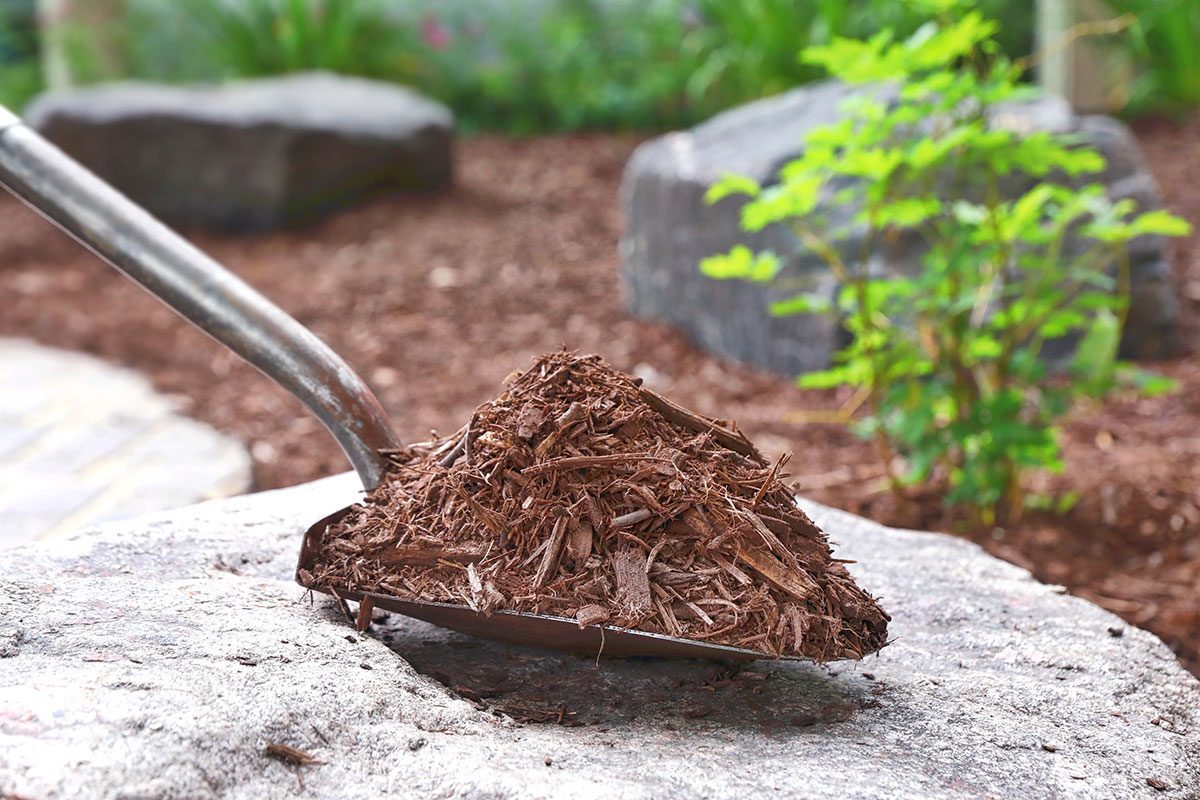
Mulch is the best all-natural solution to keep weeds at bay in garden beds. It blocks the sun from sprouting weed seeds while smothering any new seedlings. Apply a 2 to 3-inch layer for best results. This amount keeps weeds down, maintains soil temperatures and retains water without smothering healthy plantings. Mulch that is applied in too thick a layer can lead to mold growth, soggy soil and rot.
Overseeding Your Lawn
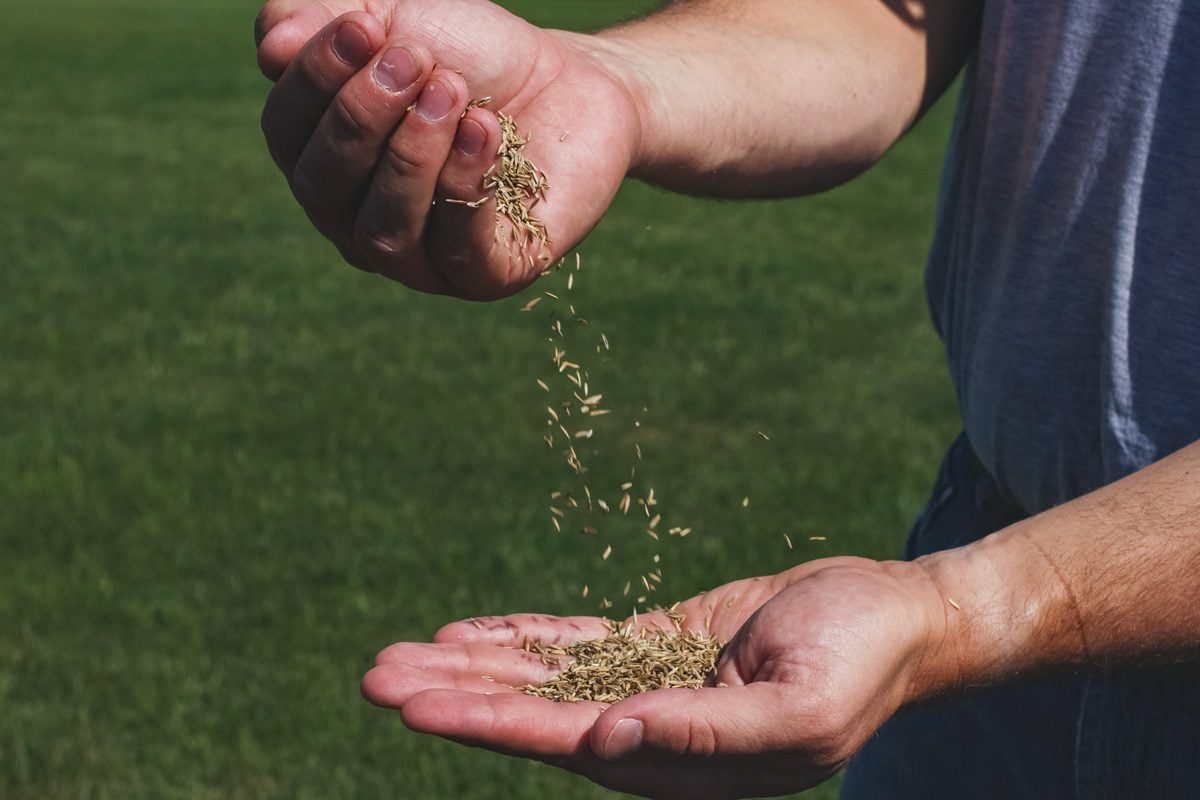
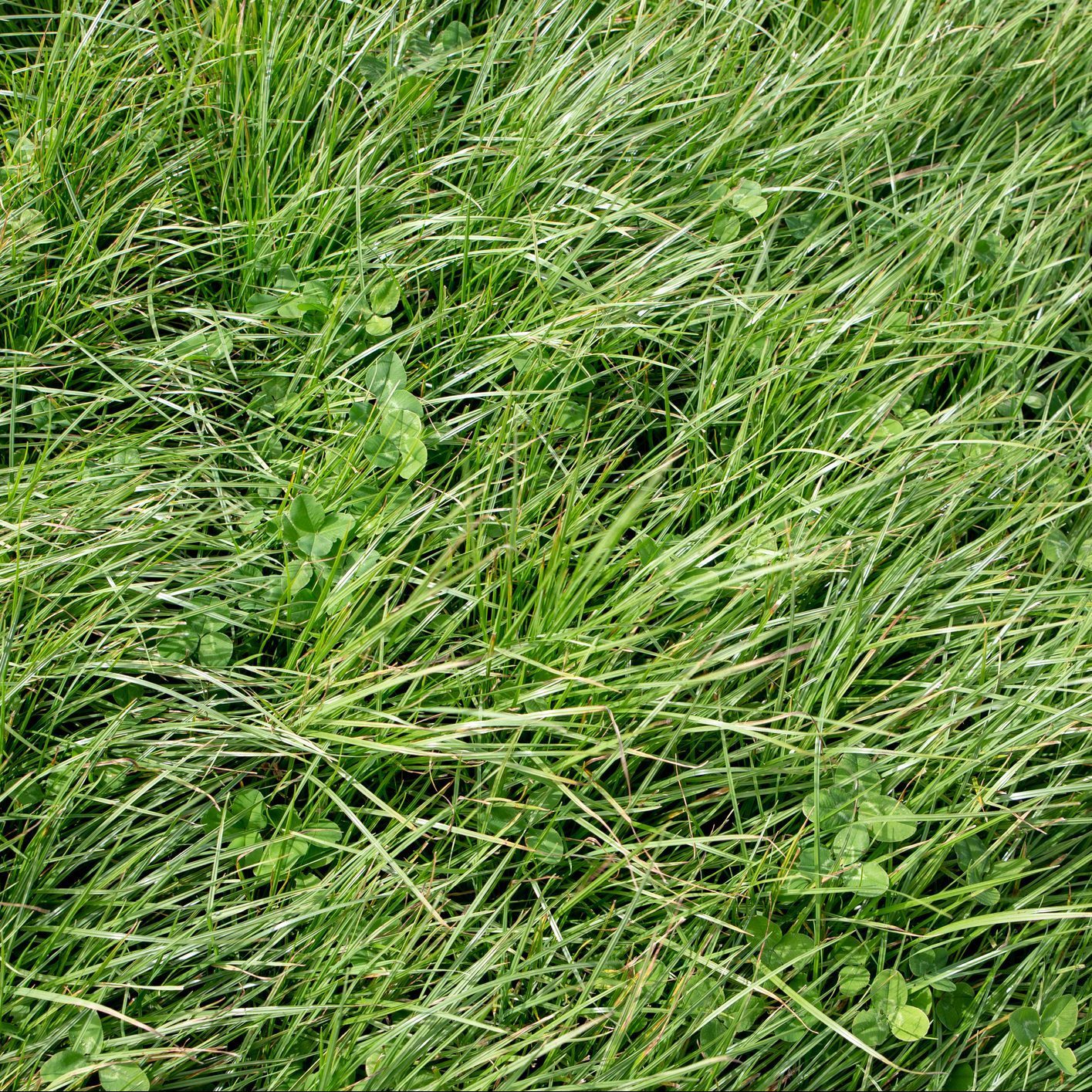
Apply grass seed with a broadcast or drop spreader to fill in bare spots and encourage thick, healthy grass that crowds out weeds. The grass prevents sunlight from reaching weed seeds and competes for nutrients and water.
However, overseeding gets a little tricky in the spring if you also apply pre-emergent herbicide. "Pre-emergent, used to control many different weed species like crabgrass, can limit the successful germination of both weed and grass seeds," Palmer says.
The usual wait time is 12 to 16 weeks after applying pre-emergents to plant new grass. This timeline works well for warm-season grasses, but cool-weather grasses will need to be overseeded in the fall to avoid hot summer temperatures.
Improve Soil Health
Healthy soil acts as the foundation for a healthy, weed-free lawn, so remember to give it some love in early spring. Aerate and apply soil treatments like compost or organic soil amendments to improve soil health. "Healthy soil is the foundation for a thriving lawn, providing essential nutrients and helping grass grow stronger and more resilient," Palmer says. "Neglecting soil health can lead to poor grass growth, weed infestations and nutrient deficiencies."
Look Out For Weed Growth
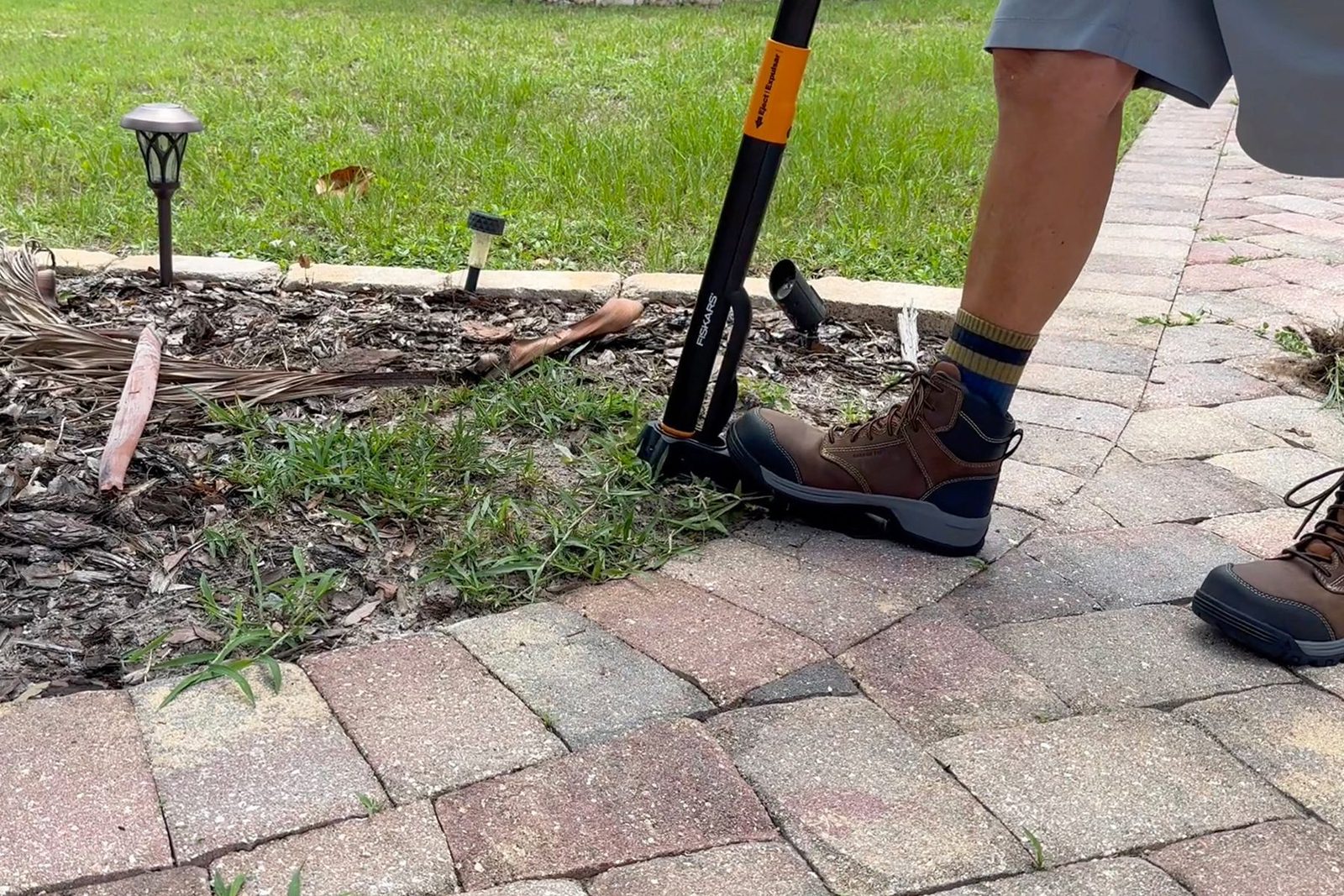
If some weeds do manage to sprout in your yard, it's best to get rid of them right away in early spring. Weeds multiply and spread quickly, so being proactive about removal is well worth the effort to keep growth under control throughout the season. Young weeds are also easier to pull from damp spring soil and allow nutrients, light and water to reach grass seeds and other desirable plants.
FAQ
Can I apply pre-emergent herbicide and grass seed at the same time?
"Pre-emergent herbicides are very good at doing one thing, which is preventing seeds from growing," Palmer says. "For this reason, it is recommended to avoid using pre-emergent products when or where you are planting new seed to avoid reduced growth of the new desirable grass seed."
What are the most common weeds that appear in early spring?
The most common weeds in early spring are dandelions and clover flowers.
About the Experts
- Rob Palmer is President of Lawn Squad, a full-service lawn care service provider.
RELATED:
- 7 Reasons Why Your Houseplants Might Stink
- 8 Must-Know Tips to Drought-Proof Your Lawn
- Tired of Raking Leaves? Plant These Trees Instead