
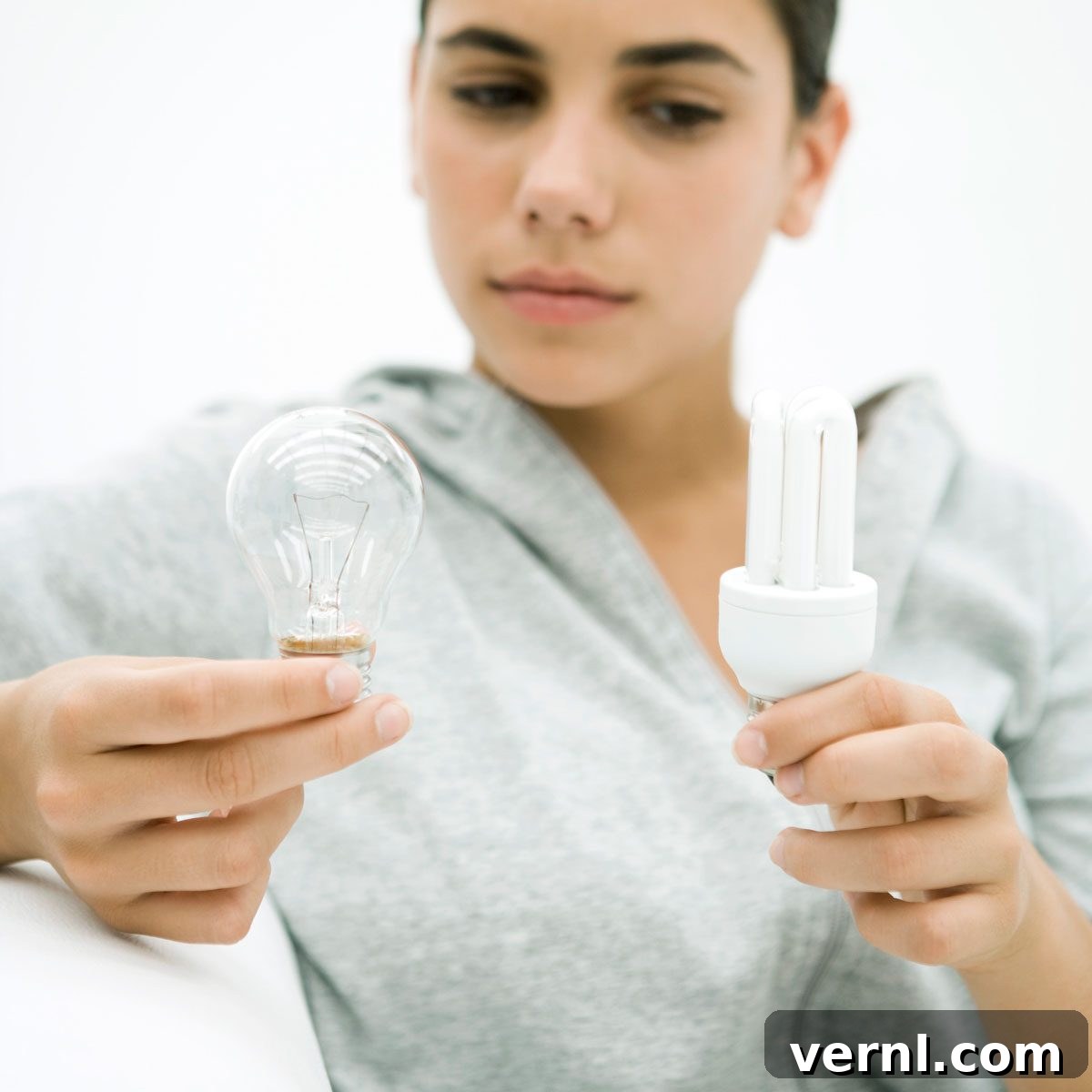
Fluorescent lighting has long been a cornerstone of energy-efficient illumination, distinguishing itself from traditional incandescent bulbs through its unique operating principle. At its core, a fluorescent lamp generates light through a fascinating interaction of electricity and gas within a sealed glass tube. When an electrical current is introduced, it energizes a small amount of mercury vapor contained within the tube. This energized mercury vapor then produces ultraviolet (UV) light, which is invisible to the human eye. To transform this UV light into visible illumination, the inner surface of the glass tube is coated with a phosphor chemical. This coating absorbs the UV light and re-emits it as the visible light we perceive, making fluorescent bulbs an ingenious solution for various lighting needs.
A critical component for the proper function of any fluorescent light tube, often referred to as a fluorescent lamp, is an electrical ballast. This essential device acts as a regulator for the electrical current flowing through the lamp. Without a ballast, the electrical current would rapidly escalate, quickly overheating and destroying the bulb in what is known as a “runaway” condition. The ballast’s primary role is to provide the initial voltage surge needed to ignite the mercury vapor and then to maintain a stable, appropriate current level, ensuring the lamp operates efficiently, prevents flickering, and prolongs its lifespan. Over the years, ballasts have evolved from older, less efficient magnetic types to modern electronic ballasts, which offer improved energy efficiency, quieter operation, and better light quality.
Exploring the Diverse Types of Fluorescent Lightbulbs
When embarking on the selection of fluorescent bulbs for any application, two primary factors warrant careful consideration: the bulb’s physical type and its color temperature. Much like other lighting technologies, fluorescent lamps are available in a spectrum of color temperatures, typically ranging from the cool, crisp blues ideal for task lighting to the warm, inviting whites that mimic traditional incandescent glow. Your choice of color temperature largely depends on the desired atmosphere and the specific function of the illuminated space. Beyond this aesthetic and functional preference, fluorescent bulbs generally fall into three distinct styles, each suited for different applications.
Compact Fluorescent Bulbs (CFLs): The Energy-Saving Residential Choice
Compact Fluorescent Bulbs (CFLs) represent a revolutionary step in making fluorescent technology accessible for residential use. Designed to replace traditional incandescent bulbs directly, CFLs typically feature standard threaded bases that fit into existing light fixtures and lamps found in homes. What distinguishes CFLs is their ingenious design: a small, often folded or curled glass tube, intricately shaped to maximize light output in a compact form factor. Crucially, CFLs incorporate a built-in electronic ballast within their base. This integrated design eliminates the need for any modification to existing light sockets, allowing homeowners to upgrade to energy-efficient lighting without replacing entire lighting systems. Their versatility and convenience made them a popular choice for energy savings in homes for many years.
Standard Fluorescent Tube Lights: The Workhorse of Commercial and Industrial Settings
When one envisions fluorescent lighting, the image of long, straight tube-style fluorescent bulbs often comes to mind. These have been the ubiquitous choice for decades in a multitude of environments, from the expansive ceilings of offices and retail establishments to the practical lighting solutions in workshops, garages, and other commercial and industrial settings. These utilitarian yet highly effective tubes are manufactured in a variety of lengths and diameters, such as T5, T8, and T12, each designation referring to the tube’s diameter in eighths of an inch. T5 bulbs are the slimmest and most energy-efficient, T8s offer a good balance of efficiency and cost, and T12s are the older, thicker, and generally less efficient standard. Unlike CFLs, these standard tubes invariably require an external fluorescent fixture that is specifically outfitted with a compatible electrical ballast to initiate and regulate their operation. The widespread adoption of these tubes is attributed to their ability to provide high levels of diffuse, even illumination over large areas, making them incredibly practical for task-oriented environments.
U-Shaped Fluorescent Bulbs: Specialized Solutions for Unique Fixtures
Often considered a specialized variant within the broader compact fluorescent category, U-shaped bulbs are specifically engineered to fit into certain types of compact fixtures, particularly those designed for square or rectangular recesses. These bulbs derive their name from their distinctive ‘U’ or often ‘triple-U’ configuration, which allows them to deliver significant light output from a relatively small footprint. Typically, these lamps are designed to operate with external electronic ballasts, which are integrated into the fixture itself rather than the bulb. This design places them at an interesting midway point between the fully integrated ballast of twist-in CFLs and the completely separate ballast system of linear fluorescent tubes. The key functional difference lies in their ballast requirement: while a twist-in CFL contains its own ballast, enabling it to work in a standard light socket, U-shaped bulbs rely on the fixture’s external ballast to function correctly.
The Pros and Cons of Fluorescent Lighting: A Balanced Perspective
Understanding the advantages and disadvantages of fluorescent lighting is crucial for making informed decisions about illumination choices for homes and businesses. While they have been a dominant force in energy-efficient lighting for decades, their suitability must be weighed against their characteristics.
The Advantages: Efficiency, Longevity, and Versatility
Fluorescent lights have carved out a significant niche due to their compelling benefits. One of their most celebrated attributes is their exceptional energy efficiency. Compared to traditional incandescents, fluorescent bulbs produce significantly more light (lumens) for a given amount of electrical energy (watts). This translates directly into substantial energy savings on utility bills over time. Furthermore, unlike incandescent bulbs that waste a considerable amount of energy as heat, fluorescents produce much less excess heat. This lower heat output not only contributes to further energy savings by reducing the load on air conditioning systems but also makes them a cooler lighting option for enclosed spaces.
While the up-front cost per bulb for fluorescents might initially seem higher than that of incandescents with similar light output, their extended lifespan and long-term energy savings invariably offset and often surpass this initial price difference. A typical fluorescent bulb can last anywhere from 8,000 to 20,000 hours, far outstripping the 1,000-hour average of incandescent bulbs. This longevity also reduces the frequency of bulb replacement, saving both time and maintenance costs. The large tube-style fluorescent bulbs, in particular, are renowned for their ability to deliver a vast amount of diffuse light, making them perfect for illuminating expansive areas such as workshops, garages, basements, and commercial or industrial spaces where broad, even illumination is paramount. Their versatility in terms of available shapes, sizes, and color temperatures further enhances their appeal, allowing them to be adapted to a wide range of aesthetic and functional requirements.
The Disadvantages: Environmental Concerns, Performance Limitations, and Disposal Challenges
Despite their numerous advantages, fluorescent lighting comes with several drawbacks that merit serious consideration. The initial expense, particularly for high-quality compact fluorescents or the installation of new tube light fixtures and ballasts, can be a deterrent, especially when outfitting large areas or when comparing against the perceived lower initial cost of older technologies. However, the most significant and widely recognized concern pertains to the presence of mercury within these bulbs. Mercury is a neurotoxin and an environmental pollutant, making its containment and proper handling absolutely critical.
Should a fluorescent light bulb break, the immediate surrounding environment can be contaminated by mercury vapor and phosphor powder. This necessitates a careful and methodical cleanup procedure, treating the broken bulb as hazardous waste. The recommended protocol involves evacuating people from the room, ventilating the area by opening doors and windows for several minutes, and shutting down any forced-air HVAC systems to prevent the spread of mercury vapor. The cleanup then involves carefully picking up pieces with a stiff paper or cardboard, using sticky tape for smaller fragments and powder, and placing all materials into a sealable container. Vacuuming is strongly advised against, as it can disperse mercury vapor further into the air.
Even if a fluorescent bulb remains intact throughout its operational life, spent fluorescent bulbs must be disposed of carefully and responsibly, according to guidelines from the Environmental Protection Agency (EPA). Unlike incandescent or LED bulbs, which can often be disposed of with regular household waste (though recycling is always encouraged), fluorescents require specialized handling due to their mercury content. They must be taken to certified recycling facilities or, ideally, to a designated hazardous waste disposal facility. This requirement adds an extra layer of inconvenience and responsibility for consumers.
Another notable limitation of fluorescent bulbs is their diminished performance in cold environments. They are engineered to operate most efficiently and brightly at room temperature. As the ambient temperature drops, the chemical reactions inside the tube become less efficient, resulting in reduced light output. In extremely cold conditions, such as anything below freezing, fluorescent lights may struggle to ignite or may not turn on at all, making them unsuitable for outdoor, unheated garages, or freezer applications without specialized cold-weather versions. Furthermore, some older or lower-quality fluorescent systems can exhibit flickering and produce an audible hum, which can be irritating, cause eye strain, and even trigger headaches in sensitive individuals. While modern electronic ballasts have largely mitigated these issues, they can still be present in older installations. Lastly, many fluorescent bulbs are not easily dimmable, or they require specific, more expensive dimming ballasts, limiting their flexibility in certain lighting design scenarios compared to the broad dimming capabilities of LEDs.
Is Fluorescent Lighting Still the Right Choice for You?
Ultimately, the decision of which lighting source to employ rests with each consumer, based on their specific needs, priorities, and environmental considerations. While fluorescent lighting has undoubtedly offered significant advantages in energy efficiency and cost savings for many years, its position has been increasingly challenged by the rapid advancements in LED technology.
Fluorescent lights inherently carry more risks than other contemporary bulb types, primarily due to their mercury content. This necessitates careful handling during installation and operation, and stringent disposal procedures for both broken and spent bulbs. Beyond the mercury issue, they can be more problematic due to their reliance on electrical ballasts, which can sometimes fail; their poor performance in cold conditions; and the logistical challenge of responsible disposal at hazardous waste facilities.
That being said, fluorescent lighting still offers some compelling advantages. They are highly efficient, providing excellent light output per watt, which translates into substantial long-term energy savings. In environments where existing fluorescent fixtures are abundant and functional, or where the upfront cost of converting to LED is currently prohibitive, fluorescents can remain a viable and cost-effective lighting solution. A careful user who understands and responsibly manages the mercury issue can still benefit from their efficiency. Despite their disadvantages and the rise of LED technology, fluorescent bulbs continue to be produced, sold, and utilized globally, particularly in commercial and industrial sectors that rely on their broad, uniform illumination. However, for most new installations and residential upgrades, the trend is unequivocally shifting towards LED lighting, which offers comparable or superior efficiency without the mercury, flicker, or cold-weather performance issues.