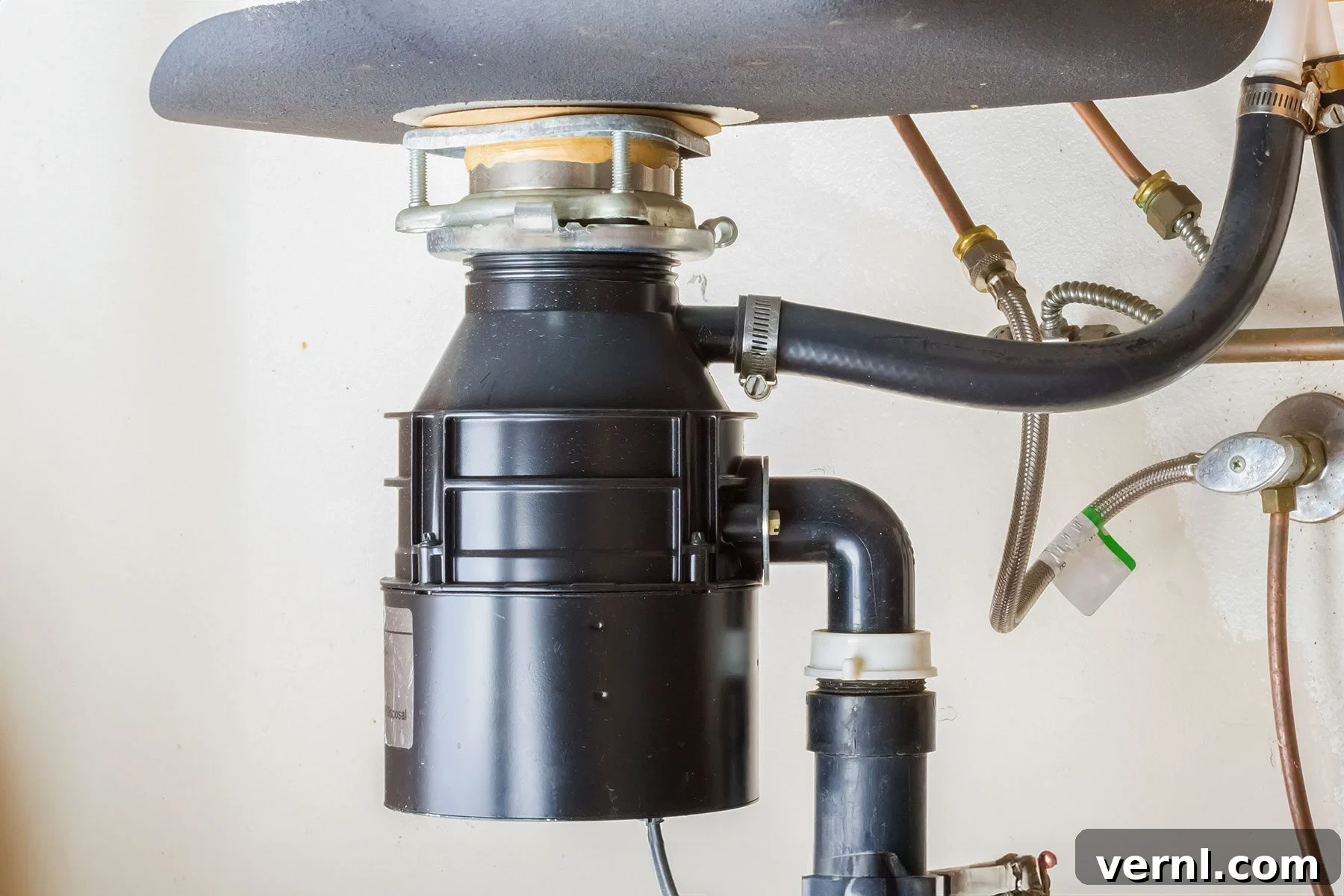
Garbage Disposal Humming but Not Spinning? Expert Troubleshooting Guide
Garbage disposals are often the unsung heroes of a bustling kitchen, diligently handling the daily grind of food scraps and ensuring a smooth, clog-free drain. Their convenient operation makes them easy to take for granted—that is, until they stop working. A malfunctioning garbage disposal can quickly disrupt kitchen harmony, turning meal prep and cleanup into a frustrating ordeal.
One of the most common and perplexing issues homeowners face is a garbage disposal that hums with power but refuses to spin. This distinct hum indicates that the unit is receiving electricity, yet its grinding components remain stubbornly motionless. If you’re experiencing this problem, you’ve come to the right place. We’ve gathered expert troubleshooting tips and guidance from two highly respected licensed plumbers, Liam Hogan from Hogan Mechanical Incorporated and Armand Lamour, a master plumber from Smith Vocational and Agricultural High School, to help you diagnose and resolve this common kitchen dilemma.
Why Is My Garbage Disposal Humming, but Not Spinning?
When your garbage disposal hums but fails to spin, it’s a clear sign that the motor is attempting to function but is encountering resistance. This issue can stem from several underlying causes, ranging from simple obstructions to more complex mechanical failures. Understanding these potential culprits is the first step toward a successful resolution.
The Garbage Disposal is Jammed
By far, the most frequent reason for a humming but non-spinning garbage disposal is a jam. As Liam Hogan explains, “Usually, it’s some sort of particle jammed in the impeller,” the rotating plate or blades responsible for grinding food waste. Armand Lamour concurs, stating, “A portion of the inner disposal workings is likely jammed.”
Jams occur when solid objects or fibrous food materials become wedged between the impellers and the grinding ring. Common culprits include silverware, small bones, fruit pits, glass fragments, or even fibrous vegetable scraps like celery stalks, artichoke leaves, or potato peels. Plastic bags or small utensils can also inadvertently fall into the grinding chamber, stopping the mechanism cold. When this happens, the motor receives power and attempts to turn, resulting in the audible hum, but the impellers cannot overcome the obstruction. The unit remains stalled, unable to process any waste.
The Overload Protector Has Tripped
A crucial safety feature designed to prevent the motor from overheating and burning out is the overload protector. This small, often red, button is typically located on the bottom of the garbage disposal unit. When the motor is subjected to excessive strain—such as trying to grind a tough obstruction for too long, experiencing a power surge, or simply running continuously under heavy load—it draws too much current, causing it to heat up. To protect the motor, the overload protector automatically trips, cutting power to the motor windings while still allowing the unit to receive initial electrical input, which can result in a humming sound without any spinning. This is a very common scenario after a prolonged attempt to clear a jam.
The Garbage Disposal Motor Has Failed
While less common than a jam or tripped overload, a faulty or failing motor can also cause your garbage disposal to hum without spinning. The motor is the heart of the unit, responsible for generating the torque needed to rotate the impellers. Over time, internal components of the motor can wear out or become damaged. “It could be a bearing wearing out or the motor dying,” Hogan notes. Lamour elaborates that a damaged or broken motor will fail to spin the impeller despite receiving power. Signs of motor failure can include:
- Worn Bearings: These allow the motor’s shaft to rotate smoothly. If bearings wear out, they can seize or create excessive friction, preventing rotation even with power.
- Burnt Windings: The electrical coils within the motor can burn out due to overheating or prolonged electrical stress. While the unit might still receive power and hum, it won’t be able to generate the magnetic field needed for rotation.
- Faulty Capacitor: Some disposal motors use a start capacitor to give the motor an initial boost of torque. If this capacitor fails, the motor might hum but lack the power to start spinning.
If you’ve ruled out jams and the overload protector, a failing motor is a strong possibility, often signaling the need for professional repair or unit replacement.
How to Fix a Garbage Disposal That’s Humming but Not Spinning
When your garbage disposal hums but remains idle, your immediate action should be to turn off the unit. Continuing to run a jammed or stalled disposal can lead to motor burnout or other significant damage. Depending on your comfort level with basic DIY tasks, there are several troubleshooting steps you can take before considering professional help.
Safety Precautions: Your Absolute Priority
Before attempting any inspection or repair, safety must be your paramount concern. Garbage disposals contain sharp grinding components, and the motor can suddenly activate if an obstruction is freed. Always follow these critical safety measures:
- Turn Off Power at the Breaker: Do not rely solely on the wall switch. Locate the circuit breaker that controls your kitchen’s garbage disposal and switch it to the “OFF” position. If applicable, unplug the disposal from its outlet under the sink. This ensures that no electrical current can reach the unit, preventing accidental startup.
- Keep Hands Clear: Never, under any circumstances, place your hand or fingers directly into the opening of the disposal. Even with the power off, sharp edges can cause injury. Always use appropriate tools for inspection and retrieval.
Step-by-Step Troubleshooting Methods
The humming sound confirms that “power is still going to the disposal,” as Hogan points out. “If that’s the case, you can rule out a complete electrical issue at the outlet or switch.” Here’s how to proceed:
- Turn Off the Power: As emphasized in the safety precautions, completely shut off the power to the disposal at the circuit breaker. This is a non-negotiable first step.
- Visually Inspect for Obstructions: Using a bright flashlight, look down into the disposal chamber. Carefully scan for any visible foreign objects. Common culprits include silverware, small plates, bottle caps, or even fruit pits. If you spot an object, use long-handled pliers, tongs, or even a specialized garbage disposal wrench (if applicable) to carefully extract it. “Never put your hand or fingers in the opening of the disposal,” Lamour warns. If the obstruction is a piece of food, you might try using a wooden spoon or a non-metallic pusher tool to gently dislodge it, again, only with the power completely off. Once cleared, ensure all items are removed from the chamber.
- Manually Rotate the Blades (Impellers): If no obstruction is visible or the unit still isn’t working after clearing one, the grinding plate (flywheel) might still be stuck. Look for a hexagonal-shaped hole in the center of the bottom of your garbage disposal unit. Insert the Allen key or disposal wrench (which typically comes with the unit, but a standard 1/4-inch hex wrench often fits) into this hole. Rotate the wrench back and forth vigorously, applying firm but steady pressure. This action manually turns the motor shaft and the grinding plate, which can help free any unseen or stubborn blockage. Turn the disposal flywheel only; avoid trying to move the blades directly with a tool or your fingers, as this can damage them. Continue rotating until the flywheel moves freely in both directions.
- Reset the Overload Protector: This is a critical step often overlooked. After clearing any visible jams and manually rotating the flywheel, locate the small, typically red, reset button on the bottom of the garbage disposal unit. Press it firmly. You should hear a distinct click. If the button doesn’t stay in when pressed, wait a few minutes for the motor to cool down and try again. This button automatically pops out when the motor overloads, preventing damage.
- Test the Disposal: After performing steps 1-4, restore power at the circuit breaker. Turn on a steady stream of cold water into the sink. Then, flip the garbage disposal switch. If the problem was a jam or a tripped overload, the disposal should now operate normally. Listen for a smooth, consistent hum and observe the grinding action.
- Smell and Listen for Other Issues: If, after all these steps, the disposal is still not working, or if it starts to make unusual noises or smells, it’s likely not a simple blockage. Pay close attention to any burning smells emanating from the unit; this can indicate burnt wiring or a failing motor. “You might also hear a grinding noise coming from the motor” even when it’s not spinning, Hogan explains, which could point to worn bearings. These are clear indicators of a more serious mechanical failure that will require professional attention or replacement.
When to Call a Professional Plumber
While many garbage disposal issues can be resolved with basic troubleshooting, there are clear instances when it’s best to call in a professional. Armand Lamour advises, “If you are unable to see and remove an object causing a blockage in the disposal, you cannot get the disposal to spin manually using the Allen key in the bottom, or the disposal is leaking into the motor windings, it is time to call in a professional.”
Other scenarios warranting a plumber’s expertise include:
- Persistent Leaks: If your disposal is leaking from the bottom or connections after troubleshooting, it could indicate a cracked housing, worn seals, or improper installation.
- Electrical Concerns: If the unit doesn’t hum at all, or if you suspect electrical issues beyond a tripped breaker, it’s safer to have a licensed electrician or plumber investigate.
- Repeated Problems: If your disposal frequently jams, trips the overload protector, or makes unusual noises even after minor fixes, it may be nearing the end of its lifespan or suffering from an underlying fault.
- Lack of Comfort or Tools: If you’re uncomfortable performing any of the troubleshooting steps, or lack the necessary tools, a professional can quickly and safely resolve the issue.
While replacing a garbage disposal can be a straightforward DIY project for those with the required skills and tools, complex repairs or persistent issues are best left to licensed plumbers to ensure safety and proper functionality.
Frequently Asked Questions (FAQs) About Garbage Disposals
Do Garbage Disposals Go Bad?
“Anything mechanical can fail,” Hogan states plainly. Like all appliances with moving parts, garbage disposals have a finite lifespan. “However, you should expect 15 years of average use for a garbage disposal,” he adds. The longevity of a disposal depends heavily on factors such as usage frequency, the types of waste processed, and the level of maintenance it receives. High-quality units and diligent care can often exceed this average.
How Do You Make a Garbage Disposal Last Longer?
Extending the life of your garbage disposal largely comes down to mindful usage and consistent maintenance. Here are expert tips:
- Be Mindful of What You Put Down: “In my home, we scrape plates into the garbage first, then rinse in the sink,” Hogan shares. Avoid sending hard items (fruit pits, bones, seafood shells), fibrous materials (celery, corn husks, onion skins, artichokes), expansive items (pasta, rice, potato peels), or non-food items (plastic, metal, paper) down the drain. Grease and oil should never be poured into the disposal, as they can solidify and cause severe clogs.
- Always Use Cold Water: “Lamour advises always to run the water when the disposal is turned on to keep the inside lubricated.” More specifically, cold water is recommended. It helps to solidify any grease or oils before they enter the drain, allowing them to be ground up and flushed away more effectively, rather than coating pipes. Run water before, during, and for at least 30 seconds after using the disposal to ensure all particles are thoroughly flushed through the plumbing system.
- Regular Cleaning: Regular cleaning helps prevent odor buildup and keeps the grinding components free of residue. “Grinding up lemon chunks every three weeks or so keeps the disposal smelling fresh, and the acidity in the lemon juice will help free up stuck food particles,” Lamour suggests. You can also grind a tray of ice cubes periodically to help dislodge buildup and sharpen the grinding elements. For a deeper clean, a mixture of baking soda and vinegar can be poured down, allowed to sit, and then flushed with hot water.
When Should You Replace Your Garbage Disposal?
Knowing when to replace a garbage disposal can save you money and prevent ongoing frustration. Here are key indicators:
- Complete Failure: If the unit goes completely bad and stops working entirely, or if repairs are consistently required, it’s definitely time for a new one.
- Frequent Jams and Tripped Overloads: A disposal that jams constantly or trips its overload protector even with light use is a strong sign of internal wear or inefficiency.
- Persistent Leaks: Leaks from the bottom of the unit often indicate a cracked housing or worn internal seals, which are usually not cost-effective to repair.
- Excessive Noise: If your disposal becomes excessively noisy, makes grinding or clunking sounds beyond its normal operational hum, it could signal worn bearings or motor issues. Newer models are also significantly quieter, making replacement an attractive option for noise reduction.
- Reduced Performance: If the disposal struggles to grind even small amounts of food, taking longer or leaving larger particles, its grinding power may be diminishing.
- Kitchen Remodel: Hogan points out that if you’re undertaking a kitchen remodel, it’s an opportune time to upgrade your disposal. “Tackle replacement then,” he advises, as plumbing is often already exposed, making installation easier.
- Repair Cost vs. Replacement: If the cost of repairing an old unit approaches the price of a new, more efficient model, replacement is almost always the more sensible long-term choice.
About the Experts
- Liam Hogan is the owner of Hogan Mechanical Incorporated, a full-service residential and commercial plumbing company based in Springfield, Massachusetts. He holds a Journeyman’s Plumbing License, demonstrating his extensive knowledge and experience in the field.
- Armand Lamour is a distinguished Plumbing Instructor at Smith Vocational and Agricultural High School in Northampton, Massachusetts. With over two decades of field experience, Mr. Lamour holds Master Plumber licenses in Massachusetts, Connecticut, and Rhode Island, making him a highly qualified authority on plumbing systems and repairs.