How Will Rising Gas Prices Impact My Electricity Bill?
Why do electricity prices rise with high gas prices? We have expert advice and tips to help you deal with this new reality.
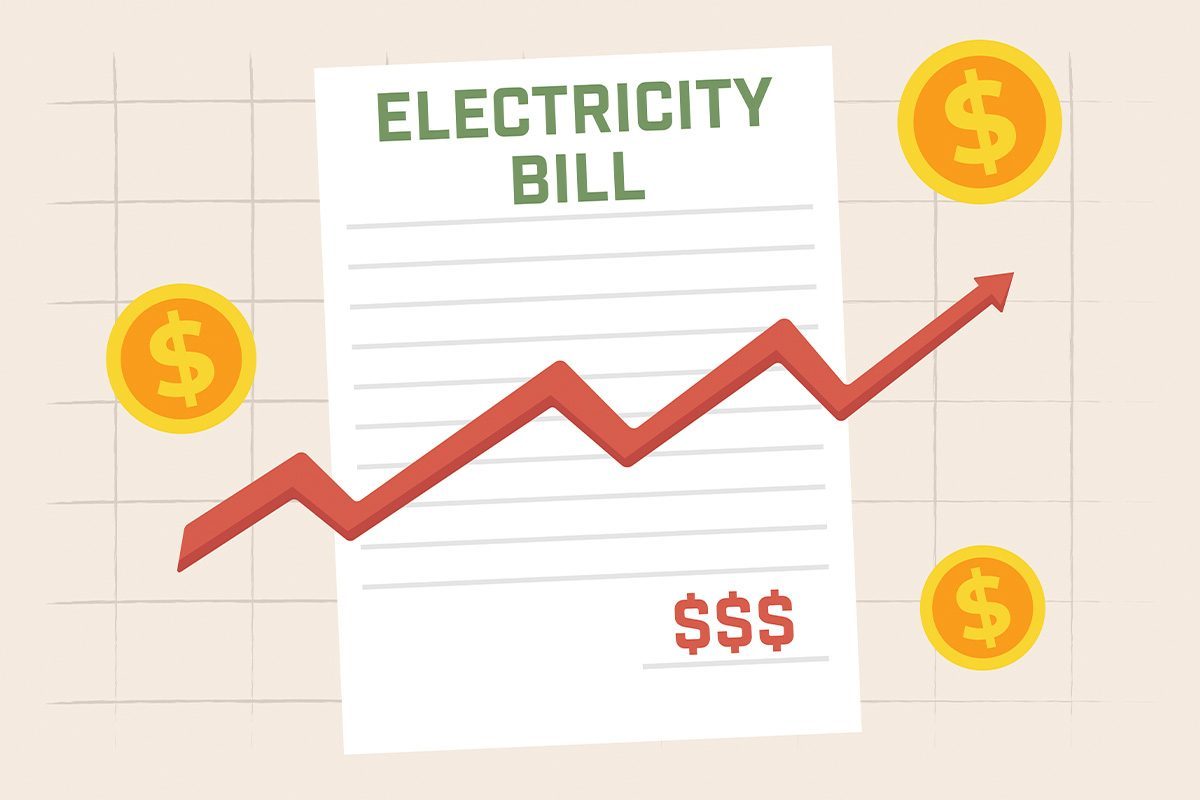
It's hard to avoid rising gas prices these days, isn't it? From pain at the pump to that sinking feeling when you open your utility bill, the sticker shock seems to get worse all the time.
Turning on the news just makes you feel worse, as domestic and world events seem to be conspiring against your desire to—just once!—pay a little less. I'm an electrician, and even I shake my head over the big question that's on all our minds: How will rising gas prices impact my electricity bill?
Well, I can tell you how we can all reduce our electricity bills, but for help on the thornier "why" issues, I consulted a genuine energy expert. Ahead, Patrick De Haan, the head of petroleum analysis at Gas Buddy who has been covering the world's oil and gas markets for more than 20 years, fills us in on what's going on with these rising gas prices. Then, keep reading for some solid electrician-approved tips that will help lower your electricity bill.
Are Gas Prices and Electricity Bills Connected?
It depends on the gas we're talking about. "So gasoline doesn't influence electricity," De Haan says, but natural gas "absolutely" does.
"Natural gas is very tightly associated with electricity because in much of the U.S. and in many areas overseas, natural gas is what produces electricity," De Haan says. In 2025, about 41% of the nation's electricity was generated using natural gas, according to the U.S. Energy Information Administration (EIA).
Why Do Electricity Prices Rise When Gas Prices Do?
Natural gas prices set the marginal price for wholesale electricity prices, so when gas prices rise, electricity prices rise too. And you guessed it: Natural gas prices are up 10.9% over the same time last year, according to April's Consumer Price Index report from the U.S. Bureau of Labor Statistics.
But if you think the war in Iran is the major driver here, think again. While the disruption in the Gulf has caused European and Asian natural gas markets to spike, the U.S. has been fairly insulated so far. "The situation in the Middle East isn't really impacting U.S. natural gas prices, because we are a major producer," De Haan says.
And unlike the (immediately noticeable) rising gas prices you pay when you're filling up your car, retail electricity customers like you and me pay prices based on seasonal averages. It turns out the main drivers for today's high natural gas prices are a colder-than-normal winter and the insatiable demand for energy from one key emerging sector: "Some Americans are seeing much higher electricity bills because of the rise of data centers to power AI," De Hann says.
How Natural Gas Affects Electricity Rates
The reason electricity prices are so closely tied to natural gas has to do with how the market sets electricity rates. Wholesale gas markets base their prices on the most expensive type of fuel used to generate power, and that is usually natural gas.
"It's very much economics 101," De Haan says. "When demand for natural gas goes up, that has a major impact on American's utility bills."
How Much Could Your Electric Bill Go Up?
The EIA says electricity rates will continue rising through 2026, and industry analysts predict, based on EIA data, that the average electricity rate will increase about 4% this year.
Not everyone will feel the same pain though. Places that already pay higher rates, like the West Coast, New England and Mid-Atlantic regions, will see increases that outpace the national average, according to the EIA. If you're already paying lower rates than average, your bill may not rise as much.
Do Rising Gas Prices Affect Renewable Energy Costs?
Not directly. Solar and wind power use no natural gas, so the cost of producing renewable energy is unaffected. But when gas prices rise, the appeal of building more renewable-energy sources also rises. And with more renewable energy available for electricity generators, the potential to push natural gas out of that "highest price" calculation metric.
Case in point: In a recent study from the University of Texas published in the Journal of Applied Sciences, researchers found that increasing the supply of renewable energy resources during peak demand hours resulted in a statistically significant reduction in the wholesale price per megawatt-hour of electricity produced.
Will Switching to Solar or Wind Power Protect You from Price Spikes?
"Absolutely," De Haan says. "Looking into renewables can offer a safe haven when natural gas prices spike."
Let's say you put solar panels on your house. While that typically won't lower your electricity rate (unless you are on a special pricing plan), your bill will likely go down because you will be purchasing less energy from the grid.
And with the rise of data centers and ever-present weather and climate variability, "renewables certainly can offer a much cheaper solution if your electricity bills have surged due to the massive increase in demand" for natural gas, according to De Haan.
How to Lower Your Electricity Bill When Gas Prices Are High
No matter the reason for rising electricity prices, you want to reduce them, right? Right. Here are proven ways to lower your bill.
- Bump up (or down) the thermostat: Your HVAC is the biggest energy hog in your house, eating up about half of your overall bill. Adjusting yours just 7 to 10 degrees away from its normal setting for eight hours a day can save you about 10%, according to the Department of Energy.
- Seal leaks around windows and doors: This advice shows up often for a reason. Energy Star, citing EPA data, says you can save about 15% on heating and cooling costs just by sealing your home and adding insulation to your attic.
- Put in a smart thermostat: This is good advice anytime, but especially when gas prices are high. Switching can save about $50, or 8% of your yearly bill.
- See if your utility has a peak pricing plan: Run appliances like dishwashers and electric dryers when rates are cheaper (usually at night).
- Replace inefficient appliances: Furnaces and water heaters have limited lifespans and are less efficient than newer models. Energy Star estimates a family of four can save $550 a year just by replacing their water heater. When gas prices are high it's understandable if other expenses come first, but the investment will save you big bucks long-term. You may even qualify for a rebate.
About the expert:
- Patrick De Haan is a petroleum analyst who has tracked the oil and gas markets for more than 20 years. A graduate of DePaul University with a degree in business economics, he joined GasBuddy in 2009 and offers straightforward market commentary on crude oil, gasoline, diesel and jet fuel to U.S. and international media outlets.
Sources:
- Patrick De Haan, head of petroleum analysis at GasBuddy; phone interview, April 3, 2026
- U.S. Energy Information Administration: "Electricity explained"
- Energy Star: "Methodology for Estimated Energy Savings"
- U.S. Energy Information Administration: "U.S. wholesale day-ahead electricity prices rose in 2025 with higher natural gas prices"
- Marketplace: "Natural gas prices are up in the U.S., but not because of Iran war"
- Energy Star: "Save on Heating Costs with ENERGY STAR This Season"
- Energy.gov: "Programmable thermostats"
- Energy Star: “ENERGY STAR Smart Thermostats FAQs for EEPS”
- U.S. Bureau of Labor Statistics: "Consumer Price Index Summary"
- Investopedia: "Here's Where Energy Costs Are Headed in 2026"
- Journal of Applied Sciences: "The Impact of Renewable Energy Tax Incentives on Electricity Pricing in Texas"