The Best Solar Greenhouse Heaters, Panels and Furnaces
Think of solar greenhouse heaters as a way to supplement existing heating systems. They're out there, but some assembly may be required.
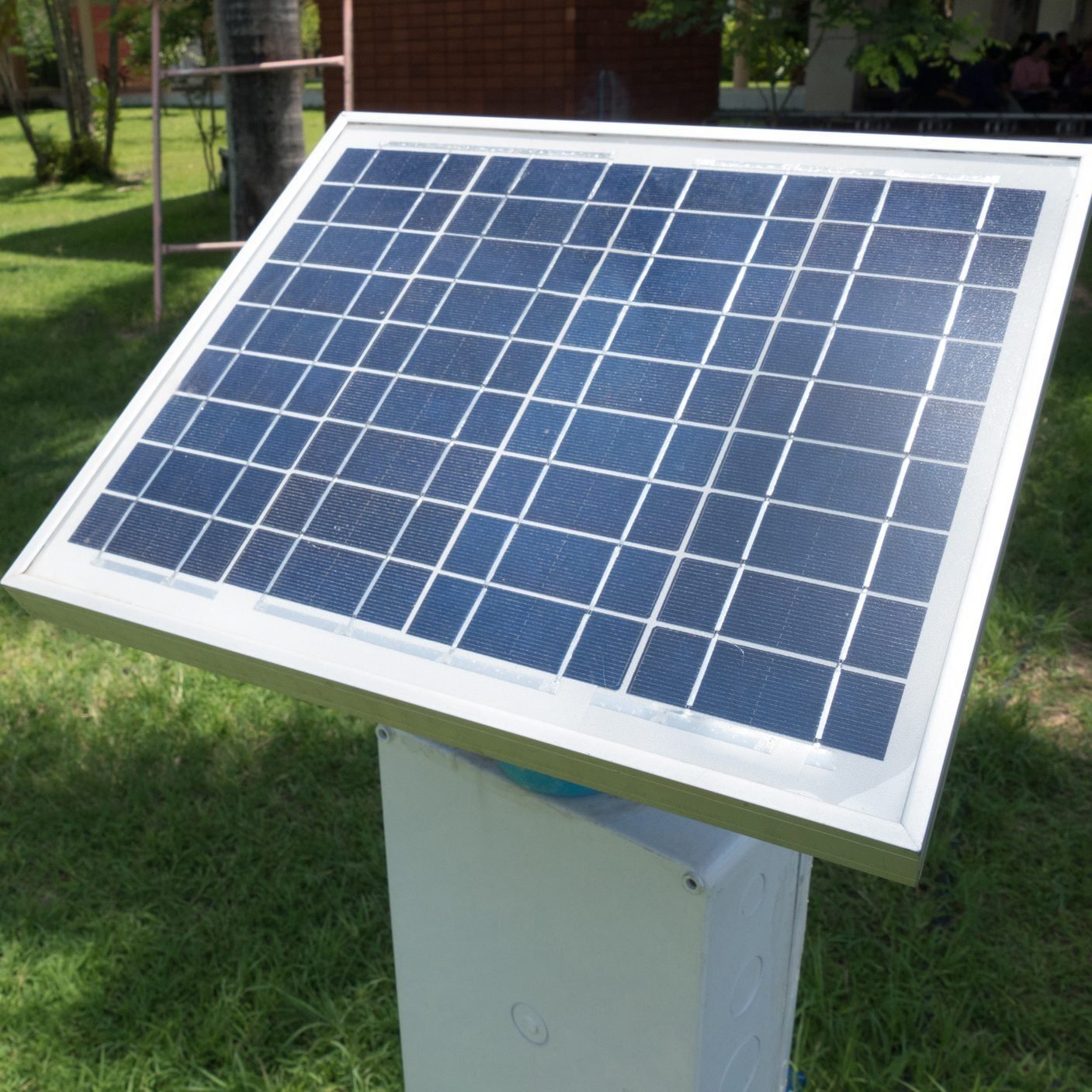
As the co-owner of a California property that has never been tied to the electric grid, I can attest to the warm feeling of self-sufficiency that comes with a functioning solar power system. We've learned a lot about the drawbacks of solar, however, especially when our system suffered a lightning strike. We had to rely on the generosity of our grid-tied neighbors for power while we made repairs. Solar power systems must be exposed to the elements, and that makes them vulnerable to damage.
One of the main limitations of solar is also one of the most obvious: The sun isn't always shining. If you want electricity on cloudy days and at night, you have to store it in batteries or run a backup generator. It's a significant limitation when heating a greenhouse with solar, which needs heat the most when the sun isn't out. Consequently, it's best to regard solar heating as a supplement to other types of heating systems.
A solar greenhouse heater is a heating system designed to harness solar energy to regulate temperature and provide warmth within a greenhouse, explains Joel Worthington, president of Mr. Electric, a Neighborly company offering comprehensive residential and commercial electrical services. “It typically involves the use of solar collectors, such as solar panels or air heaters, to capture sunlight and convert it into heat, creating a sustainable and energy-efficient solution for maintaining optimal conditions for plant growth in a greenhouse,” he adds.
A few standalone products that could realistically be called solar greenhouse heaters are available, but most combine solar panels with electric space heaters. Standalone products work best in small spaces. For larger spaces, you'll need a full-on solar array powering a heat pump or resistive heater.
The Best Solar Greenhouse Heaters
- Best Solar Furnace: Nakoair Solar Air Collector
- Best Electric Greenhouse Heater: Bio Green Palma Greenhouse Heater
- Best PV Panel for Greenhouse Heating: Renogy 200W Solar Starter Kit
The two most practical options are a PV system, requiring panels and a space heater, or a solar furnace. Here are some of the best market options for constructing either system.
On a sunny day, the Nakoair Solar Air Collector can pump air into the greenhouse 40 to 85 degrees warmer than the outdoor air. It has its own circulation pump powered by a PV panel incorporated into the device. Nakoair air heater starts and stops according to the intensity of sunlight, and runs without any maintenance.
The unit comes with a thermostat and can be used for ventilation as well as heating. Air vents run automatically when the outdoor temperature is higher than the indoor one, which helps to prevent moisture, mold, fungus and odors.
The Bio Green Palma Greenhouse Heater consumes 1,500 watts of 120-volt power, the same as most other space heaters. It puts out 5,118 Btu of heat, enough to warm 120 square feet of greenhouse space. Lightweight and sturdy, this splash-proof unit features an auto-shutoff in case of overheating.
To use this small greenhouse heater as part of a solar heating system, you'll need a PV panel array and an inverter to convert direct current (DC) from the panels to alternating current (AC) for the heater.
The Renogy 200W Solar Starter Kit features a high-efficiency monocrystalline panel and all the mounting brackets you need. You can use this panel to charge a battery pack that will run an electric heater like the Bio Green unit above. The kit includes a 20A charge controller that prevents overcharging any batteries you connect.
The panels feature a corrosion-resistant aluminum frame for extended outdoor use, allowing them to last for decades. Plus, an IP65-rated junction box provides complete protection against environmental particles and low-pressure water jets.
Types of Solar Greenhouse Heaters
There's an age-old trick to keeping greenhouses warm at night—deploying barrels of water in sunny locations where they heat up during the day and radiate that heat at night. That's the easy DIY solution. Commercial systems offer at least three options:
- PV panels: These convert the sun's energy to electricity, which powers a space heater.
- Solar furnaces: Typically deployed in the greenhouse walls, the panels absorb sunlight and heat the air inside the greenhouse.
- Hot water panels: Solar absorption panels heat water that's pumped through pipes in the greenhouse floor or walls.
What to Consider When Buying a Solar Greenhouse Heater
Practically speaking, heating a greenhouse entirely with solar is impractical unless you include some way to store energy. Instead, solar heaters are typically used to reduce the operating costs of existing gas or electric heaters while taking advantage of free renewable energy from the sun. When shopping for a solar greenhouse heater, consider the following:
- The size of the greenhouse: Larger greenhouses require more heat, which usually means more solar panels or more efficient ones. If you’re using a photovoltaic (PV) system, monocrystalline panels generally produce energy more efficiently than polycrystalline panels, though they also cost more upfront.
- The purpose of the greenhouse: Growing tropical plants through a cold winter requires much more heat than simply extending the growing season for seedlings in early spring. Matching the system to your climate and gardening goals can help avoid overspending on unnecessary heating capacity.
- Available space for panels: Solar panels work best in a clear, south-facing location with minimal shade throughout the day. In most cases, panels shouldn’t be mounted directly on the greenhouse roof because they can block valuable sunlight from reaching plants inside.
- Energy storage and backup heat: One major advantage of solar greenhouse heaters is the ability to lower ongoing heating costs. However, solar energy is only available when the sun is shining, so most systems still require battery storage or a backup gas or electric heater for nighttime and cloudy weather.
- Installation and maintenance requirements: Depending on the greenhouse layout and your property, solar panel installation can be more complicated than a standard electric heater setup. Panels also require occasional maintenance, including cleaning dirt, debris, and snow buildup to maintain peak efficiency.
Understanding Common Alternative Heaters
Learn about popular alternative heating options, from cost savings to eco-friendly solutions and everything in between.
- A How-To Guide on Electric Heater Installation
- What to Know About Electric Baseboard Heaters
- Electric vs. Hydronic Radiant Floor Heating Systems
- What Is Forced Air Heating?
FAQ
What is a solar greenhouse heater?
A solar greenhouse heater converts the sun's energy into thermal energy and distributes it. To do this, it needs collectors, which can be photovoltaic (PV) panels or solar heat absorption panels. If you use PV panels, an electric heater typically converts the electrical power into heat. Efficient heaters with active air circulation are best for a solar setup. Solar heat absorption panels, on the other hand, produce heat directly and distribute it by convection or via a 12V circulation fan powered by an auxiliary PV panel.
If you opt for a PV collection system, you'll probably need to buy the collectors and heater separately. And you'll also need batteries or thermal mass storage.
A solar furnace is a simpler setup than a PV panel system, and it comes as a single unit. It consists basically of a black panel that heats up as it absorbs sunlight. It takes in cold air from the greenhouse, circulates it around the panel and releases the heated air back into the greenhouse. Because hot air rises, the cold air intake is at the bottom of the panel and the hot air vent at the top. Air circulates naturally by convection. Adding a fan improves circulation and heating.
Are solar greenhouse heaters any good?
Solar powered greenhouse heaters offer several advantages, including environmentally friendly energy production, reduced electricity bills and potential long-term savings, says Worthington. “However, they come with initial installation costs, dependence on sunlight availability and the need for suitable space for solar panels,” he notes. “Despite these considerations, the increasing efficiency and decreasing costs of solar technology make it an attractive and sustainable option for many homeowners.”
Are solar greenhouse heaters worth it?
It depends on your needs. According to Worthington, when buying a solar greenhouse heater, consider factors such as the unit's power capacity, portability, battery type and additional features like USB ports or inverters. “Assess your energy needs and how you plan to use the generator to ensure it meets your requirements for powering devices or providing backup energy in various situations,” he says.
Why You Should Trust Us
As the co-owner of a California property that has never been tied to the electric grid, I’m extremely familiar with all things related to solar power. I also have more than 30 years of experience working in the building trades. I've contributed to constructing a city in the Oregon desert, co-established two landscaping companies and worked as a carpenter, plumber and furniture refinisher. Since 2010, I've been sharing my expertise through DIY articles and serving as an online consultant, including with Home Depot's Pro Referral service.
For this article, we also consulted Joel Worthington, president of Mr. Electric. Worthington has been president of the company, which offers residential and commercial electrical services, since 2014. He also serves on the executive board of Electrical Safety Foundation International.