How AI Is Helping Fire Watch Guards Keep Buildings Safe
As fire safety demands grow across U.S. properties, providers are beginning to explore AI as a way to support operations behind the scenes. From scheduling to

When a building’s fire protection system goes down, fire watch guards are the people who step in to keep it safe. They assess properties for risk, watch for hazards and make sure nothing slips through the cracks. Now, that critical role is hitting a turning point as AI has become more useful into more day-to-day operations. Demand for fire safety isn’t slowing down—in fact, it’s picking up across the U.S.—so providers are looking for better, smarter ways to handle the growing pressure.
Over the last few years, the need for fire watch services appears to have grown. Blame it on the same challenges you see in other parts of the infrastructure world: older buildings, supply chain hiccups and much tougher fire code enforcement. Office towers, housing complexes, warehouses and job sites all lean on fire watch guards to bridge the gap when fire protection isn’t automated.
But now technology—especially AI—is shaking up how these services get managed.
Growing Operational Pressure on Fire Watch Guards
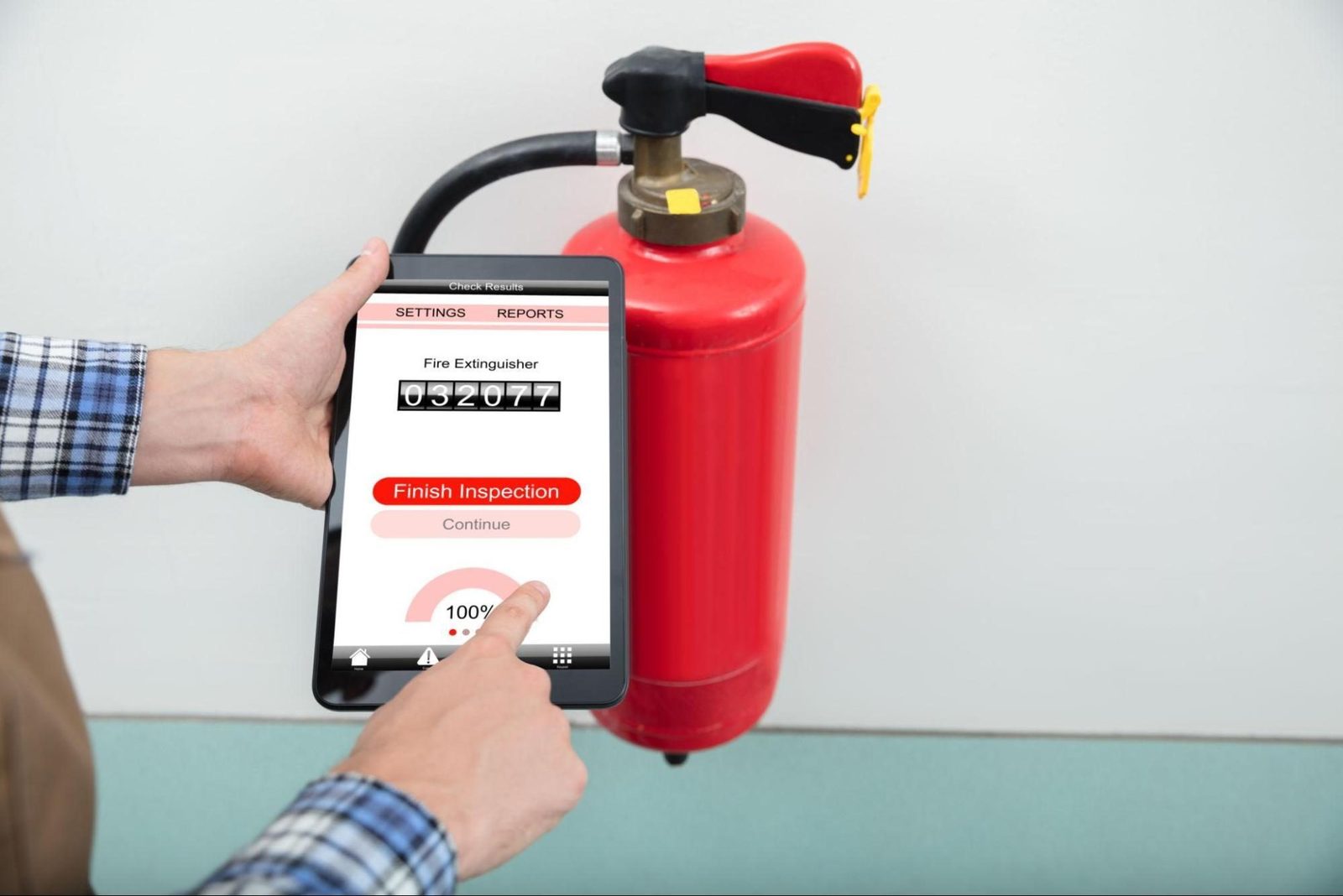
The job isn’t as simple as walking the halls and keeping an eye out. Guards have tight check-in schedules; they have to spot blocked exits or hazards, write down every detail and make sure their logs stand up to whatever local fire marshals or insurance folks want to see.
Big cities and sprawling properties are especially tricky. It’s easy to get overwhelmed trying to cover multiple patrol zones, keep shifts lined up and track every incident with paper logs. Local fire departments keep reporting more calls about system breakdowns. That means more buildings go without automated protection—at least for a while—and rely on people to fill the gap. And fire safety rules are as strict as ever. One missing log entry, one inconsistency and an inspection could stall for days.
That traditional system—handwritten notes, phone calls, sticky notes and manual scheduling—may not always keep pace with current demands.
Bringing in AI
To get ahead, the Fast Fire Watch Co. has implemented AI for the behind-the-scenes work: scheduling patrols, handling dispatches and tidying up the mountains of compliance paperwork. The Fast Fire Watch Company, down in Boca Raton, is one of a handful of early adopters. They’ve rolled out AI-driven dispatch systems that help keep schedules tight, standardize report formats and make sure records are consistent and complete.
Don’t get the wrong idea, though—these AI tools aren’t taking over the patrols. Guards still handle on-the-ground decision-making, spotting real-world hazards and reacting in the moment. But for everything else—managing schedules, collecting data, flagging missing information—the AI steps in.
AI-powered platforms may help improve reporting and recordkeeping. This can reduce issues like unclear handwriting or missing details. Features such as required fields, time stamps and standardized templates help ensure patrols are documented more consistently.
Scheduling is another big win. AI can look at who’s available, where they’re needed and how urgent a request is—all in seconds—then recommend the right guard for the job. Especially when things get busy, that kind of speed cuts down on delays.
Analysts say these changes are quiet but real—a solid step forward for an industry that’s overdue for an upgrade.
Better Compliance, Smoother Inspections
Fire watch records aren’t just some internal checkbox. They help anchor compliance efforts and are often the difference between quick system restoration and days-long shutdowns. The weakest spots have always been human error: missed entries, bad handwriting or logs lost in the shuffle. In regulated spaces, small errors can lead to big headaches.
AI-backed platforms can tighten this up. They push guards to fill in every required field, keep data organized and store everything where inspectors or compliance officers can pull the records in seconds. For big or busy facilities, that can mean finishing an inspection in hours instead of days.
Why It’s Needed Now
This isn’t just about cutting paperwork. More system malfunctions, labor shortages, slower repairs and non-stop construction have ramped up the risk of fire protection gaps. Fire watch guards have shifted from serving as an additional layer of protection to playing a more central role when automatic systems are offline.
Owners and managers have their hands full, juggling contractors, insurance folks, inspectors, fire marshals—and everyone wants clear updates and proof that everything’s by the book. Companies that provide clear records and consistent service are increasingly being viewed as reliable options across the country.
A Slow, Steady Shift to Digital
Honestly, the fire protection business has never rushed into new tech. But that’s changing. In the last year or two, more municipal departments, contractors and service providers started using digital tools for dispatch, scheduling and reporting.
AI is the newest layer—meant to be helpful where it counts, but careful not to overhaul everything at once. There are still hurdles: local laws, cost and the simple fact that some parts of the job just need a person’s judgment.
Still, it’s obvious where things are going: more structured, data-driven processes that back up human teams instead of replacing them.
Where People Still Matter Most
Even with AI on the rise, many in the business know fire watch is still a hands-on job. Spotting trouble, making judgment calls and reacting on the fly are things a machine can’t handle. AI is meant to work best behind the scenes—helping with communication, paperwork and making sure no critical details slip through the cracks.
For the people on the ground, this can mean less scrambling, better communication with dispatch and more time to focus on what really matters. For building owners, it may mean they can get a clearer view of what’s happening and trust that compliance isn’t slipping.
Finding that balance—where tech makes the job easier but never gets in the way—will shape where fire watch goes from here.
Looking Ahead
AI in fire watch services is still in its early days, but it seems to be catching on. Down the line, we may see smarter scheduling that learns from past patterns, faster communication loops and analytics that spot recurring compliance issues before they become problems. Integrating these platforms with other building management tools is on the horizon, too.
One thing’s sure: strict fire codes and high demand aren’t going anywhere. Fire watch guards will stay essential. The tech is there to handle the messy parts—the stuff that’s always been a headache—so they can do their job better.
The Fast Fire Watch Company at a Glance
Based in Boca Raton, Florida, The Fast Fire Watch Company stands out as a rapid-response fire watch provider. They send trained guards to commercial properties, construction sites or any building dealing with fire system outage and they back it all up with solid dispatch coordination and compliance-focused reporting.
The information provided in this article is for general informational and educational purposes only. It is not intended as legal, financial or professional advice. Readers should not rely solely on the content of this article and are encouraged to seek professional advice tailored to their specific circumstances. We disclaim any liability for any loss or damage arising directly or indirectly from the use of or reliance on, the information presented.
Sources (h2)
National Fire Protection Association: "Deficiencies and Impairments of Sprinkler Systems"
National Fire Protection Association: "Impairment Procedures for Sprinkler Systems That Are Out of Service"
Denver Fire Department: "System Down Reporting and Firewatch"
City and County of Denver: Fire Watch Log
International Code Council: 2021 Fire Code, Section 3310: Fire Watch
The Fast Fire Watch Company: Fire Watch Guard Services