100-Degree Heat Doesn't Stop Landscapers — Here Are the Tips That Keep Them Going
Discover tips for staying cool while working on even the hottest days from the pros themselves.
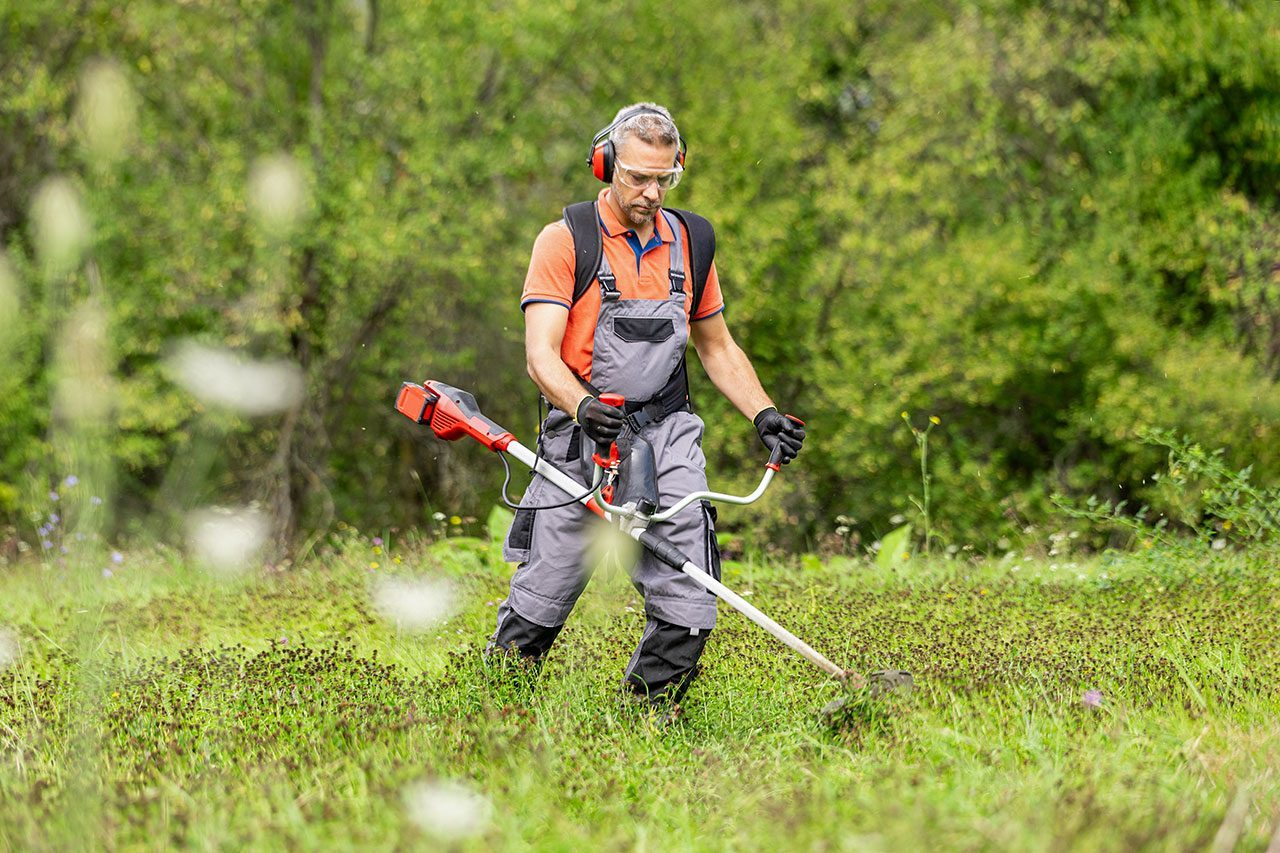
It's not your imagination. Summers are getting hotter, and extreme heat is no longer confined to traditionally hot regions of the country. Heat waves and stretches of 90- to 100-plus-degree days are popping up across the U.S., with the National Oceanic and Atmospheric Administration (NOAA) reporting July 2026 as the hottest month on record in the contiguous United States. For DIYers and homeowners, this extreme heat can make outside work not only uncomfortable but downright dangerous. Before starting your next summer project, check out these expert-backed tips for working safely in the heat.
Why Is Extreme Heat Becoming More Common?
Temperatures are rising across the globe, largely due to human activity and industry. This global warming trend raises the likelihood of regional heat waves and extreme weather events. This year, El Niño adds a wild card to global weather patterns, influencing regional temperatures and potentially contributing to periods of extreme heat in some areas. Its influence is likely to be felt through the spring of 2027.
How Do Landscapers Work on 100 Degree Days?
On the hottest days, landscapers shift their priorities from not only getting the job done, but getting it done safely. "You don't want to overdo it," Joe Kappel of Citrus Landscape Solutions says. "Take your time, take lots of breaks and drink as much water as you can." Extreme heat can quickly lead to heat-related illness and even death if the right precautions aren't taken. Here's how landscapers keep working in the heat.
Wear the Right Gear
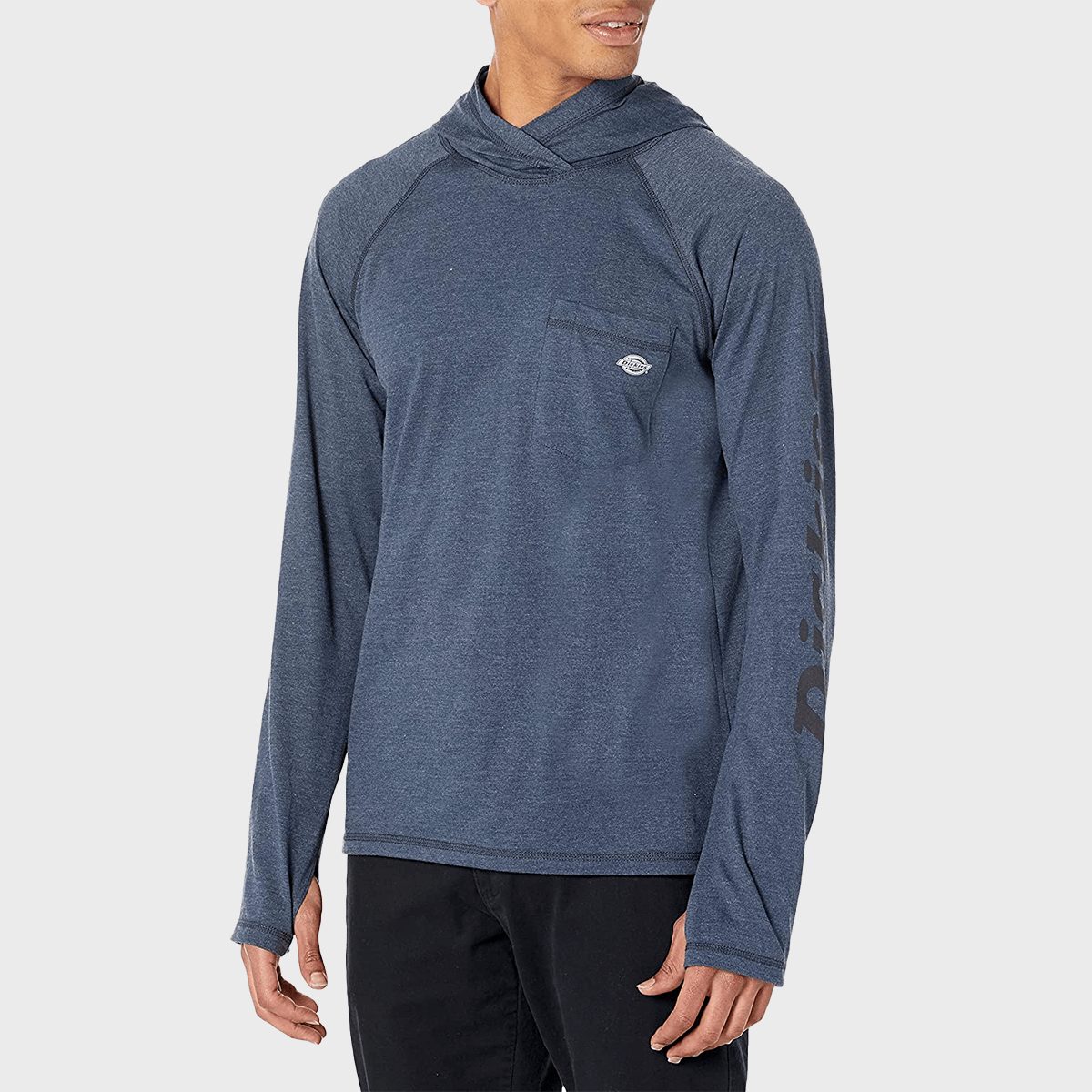
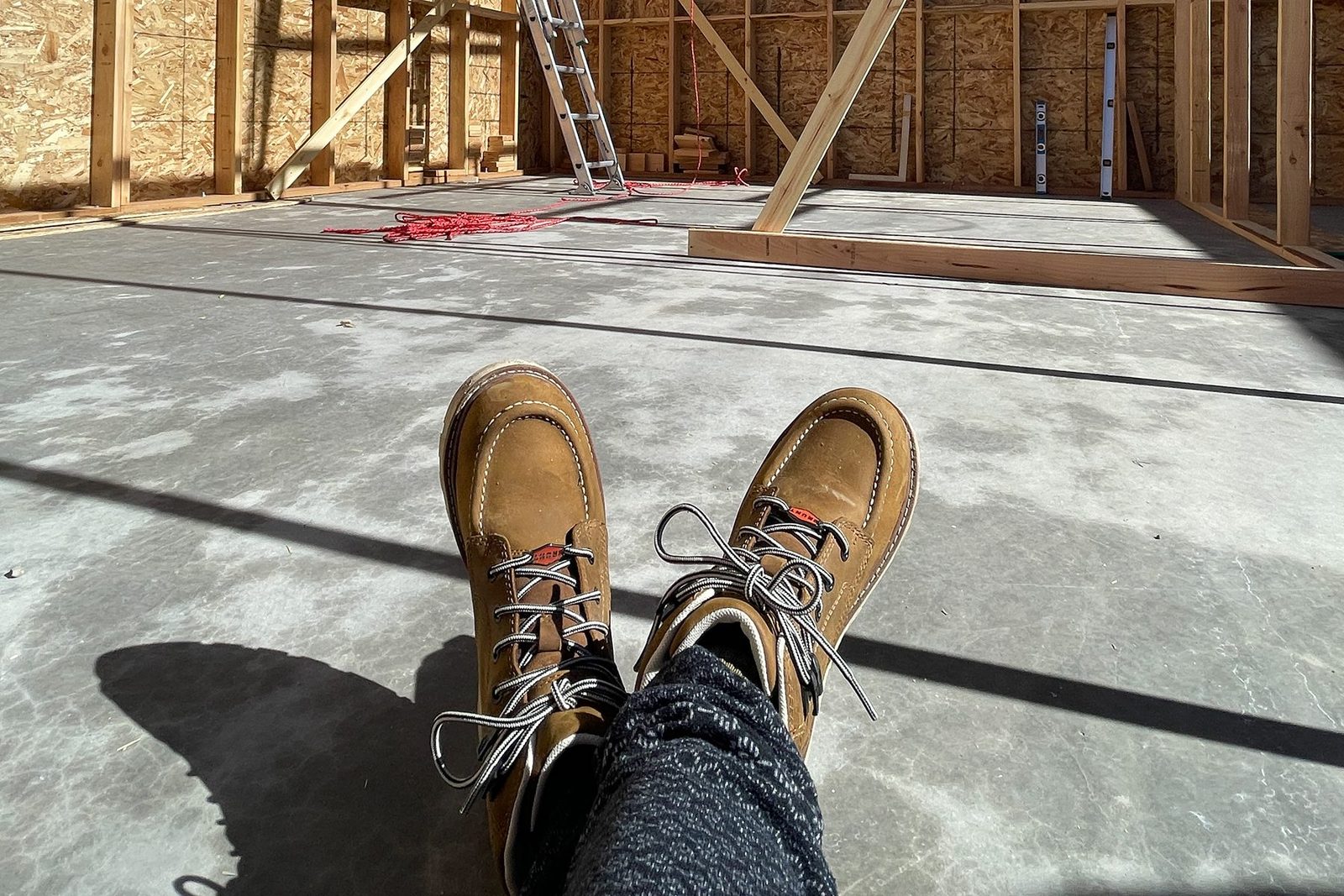
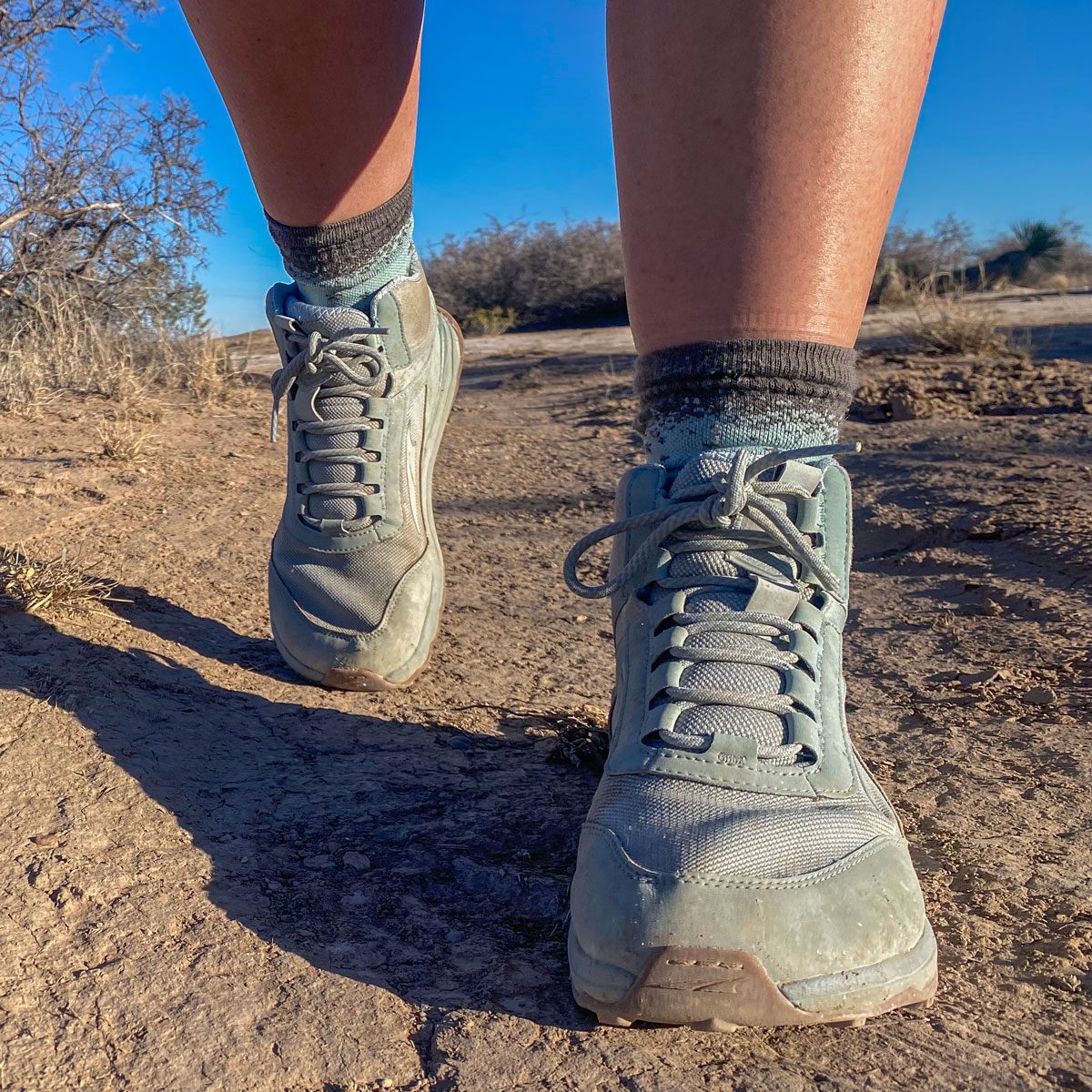
Clothing choices go a long way toward keeping cool. Opt for lightweight, breathable materials like cotton or linen, or moisture-wicking synthetic fabrics like polypropylene or nylon. Choose clothing, gloves, boots and hats designed with built-in vents when possible. Try silk socks to keep your feet cool, which wicks away moisture and heat.
While it may seem counterintuitive, Kappel recommends long-sleeve shirts and pants when working in the heat. "The sun really is our biggest enemy," he says. "The clothing shades the skin from the sun while also absorbing moisture and adding airflow." Wide-brimmed hats and neck gaiters are great for additional sun protection. Consider a frozen neck gaiter or wet towel for added cooling. In extremely humid weather, changing into a dry shirt can help keep moisture off the skin and improve airflow.
Adjust Work Schedules
One of the best ways to work safely in hot weather is to begin earlier in the day. "We try to get out as early as we can so we can wrap things up around 1 or 2 o'clock to avoid the worst heat of the day," Kappel says. Take advantage of cooler morning weather to get the most strenuous work done, and consider rescheduling work when faced with extremely hot days.
Stay Cool and Hydrated
Staying well hydrated while working in the heat is a constant challenge. Don't wait until you feel thirsty; plan to stop and drink at least 8 ounces of water every 15 to 20 minutes. "I cannot overstate how important hydrating every day is when the temperature is high," Kappel says. "Take lots of breaks, really hydrate throughout the day and more importantly, hydrate the day before, too."
Have cold water and electrolyte drinks available, or add electrolyte powder like Redmond Re-Lyte to replenish lost salts and minerals as well. Sip small amounts frequently rather than all at once. Occupational Safety and Health Administration (OSHA) recommends drinking no more than 48 ounces of water within an hour, as this can dangerously dilute sodium levels in the blood and lead to hyponatremia.
Frequent cooling breaks make a big difference and speed up productivity, too. Every hour, take a 10 to 15-minute break in the shade or an air-conditioned space to help lower core body temperature. "During breaks the guys go in their trucks and vans to turn on the AC and cool down a bit before getting back at it," Kappel says. Also, try to work in the shade whenever possible and consider a pop-up canopy if working in a sunny spot for an extended time.
Know the Signs of Heat Illness
Symptoms of heat-related illness include fatigue, dizziness, headache, dry skin, nausea, vomiting or loss of consciousness. If you experience these symptoms, stop work right away and get to a shaded or air-conditioned space and drink water. "If team members start showing any signs, we wrap things up rather than have anybody get sick or hurt themselves," Kappel says. "We get them out of the situation and into a cool car to start bringing their body temperature down."
About the Expert
- Joe Kappel is co-owner of Citrus Landscape Solutions in Central Florida, a full-service landscaping company providing landscape design and maintenance services.