Can You Drive Over the Speed Limit in the Left Lane? Passing Lane Laws Explained
Find out when and how to use the passing lane safely. Learn what passing lane laws mean, when to move over, and how to avoid fines.
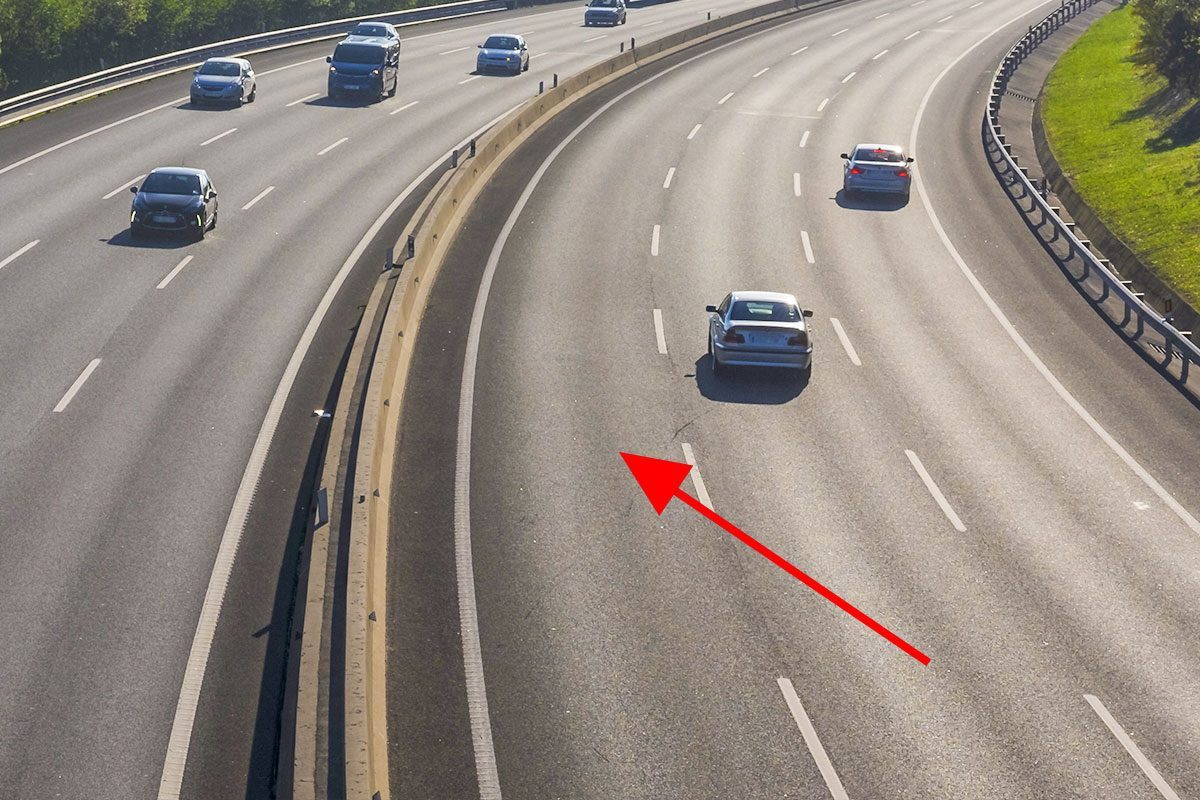
If you've ever been trapped behind a driver camping out in the left lane, you know how aggravating it can be. Passing lane laws are meant to stop that, keeping traffic moving and cutting down on risky passes. Knowing when you can (and can't) use the left lane helps you stay safe and avoid tickets.
Learn how these laws work and the right way to use the passing lane, including what to do in bad weather, how two-lane roads fit in, and the common mistakes that could cost you a fine.
What Is the Passing Lane?
The passing lane is the leftmost lane on a highway. It's meant for one purpose: safely getting around slower-moving traffic. According to the National Highway Traffic Safety Administration (NHTSA), "the passing lane is only used during the passing maneuver and the passing vehicle will return to the right-hand traveling lane after passing another vehicle, with sufficient clearance."
Can You Drive Under the Speed Limit in the Passing Lane?
No. Even if you're going the speed limit, staying in the passing lane when you're not overtaking anyone can lead to a ticket.
"Drivers can receive a ticket if they're driving in the leftmost or 'fast' lane at the posted speed limit," says Joshua Branch, Founder and Personal Injury Attorney at the Law Offices of Joshua W. Branch. "By continuing to remain in it with cars backing up behind you, you'll be considered failing to yield to the passing lane or impeding the flow of traffic."
If an accident happens because you didn't move over, you could even be found partly at fault. The left lane is for passing, not for pacing traffic, so it's best to pass quickly and return to the right-hand lane once you have room.
Can You Go Over the Speed Limit in the Passing Lane?
No. The passing lane doesn't give you permission to speed. It's there to make passing safer, not to create a "fast track" for anyone in a hurry.
The best approach is to speed up just enough to pass safely without going over the posted limit. Once you've cleared the other vehicle, ease back into the right lane.
When Should You Avoid Passing a Vehicle on the Highway?
There are times when passing is flat-out unsafe and illegal. "Passing is prohibited in certain circumstances, and usually, you'll see signage indicating that you're not permitted to pass in those areas," says Branch. "Any curve, tunnel, intersection, or brow of a hill is off limits."
Bad weather also makes passing riskier. When visibility is poor from rain, fog, or snow, it's harder to tell if the road is clear ahead.
Do 2-Lane Roads Have a Passing Lane?
Some do, but not in the same way highways do. On two-lane roads, you'll often see dashed lines in the center, showing where it's legal to pass. If the lines are solid, or if you're approaching a hill or curve, you'll need to stay in your lane.
Certain longer two-lane highways include designated passing zones that let slower traffic move right for a short distance. These stretches are designed to make passing safer for everyone without creating congestion.
Passing Lane Dos and Don'ts
Using the passing lane isn't complicated. It's there for passing, not for cruising. Move into the left lane when you need to get around someone or when you're getting ready to take a left exit. Flip your turn signal on, check your mirrors, glance over your shoulder, and make sure it's clear before you move. If the weather's bad or it's hard to see, hold off until it feels safe. After you've passed, slide back into the right lane so faster traffic can keep moving.
A few things are best left off the table. Don't camp out in the left lane or ride someone's bumper to push them along. Skip passing on hills, curves, or anywhere you can't see far ahead. Stick to the speed limit, and if a car comes up behind you going faster, move over and let them by. It's simple courtesy, and it makes driving a lot less tense for everyone.
About the Experts
Joshua Branch, Founder and Personal Injury Attorney at the Law Offices of Joshua W. Branch, has spent over 20 years representing accident victims throughout Georgia. He's recognized with an AV® Preeminent™ rating from Martindale-Hubbell® for his ethics and trial experience.
Sources
National Highway Traffic Safety Administration (NHTSA): Interpretation of Passing Lane Usage
Related
- Do You Know What That Little Button on Your Seat Belt Is For?
- What Those Lines on Your Backup Camera Really Tell You
- Here’s What The Small Panel On Your Car’s Front Bumper Is For
<riverdrop-quiz partnerid="rxxubSvjtbv94Cv3S0Bg" seriesid="d05932ba-cca3-402f-89a0-4de73a3141ab" authtype="no_auth" formfactor="desktop" maxwidth="800" maxheight="600"></riverdrop-quiz><script class="tmbi-riverdrop-script" type="text/plain" src="https://client.riverdrop.com/dist/quiz-common/assets/index.js"></script>
skyword_tracking_tag