
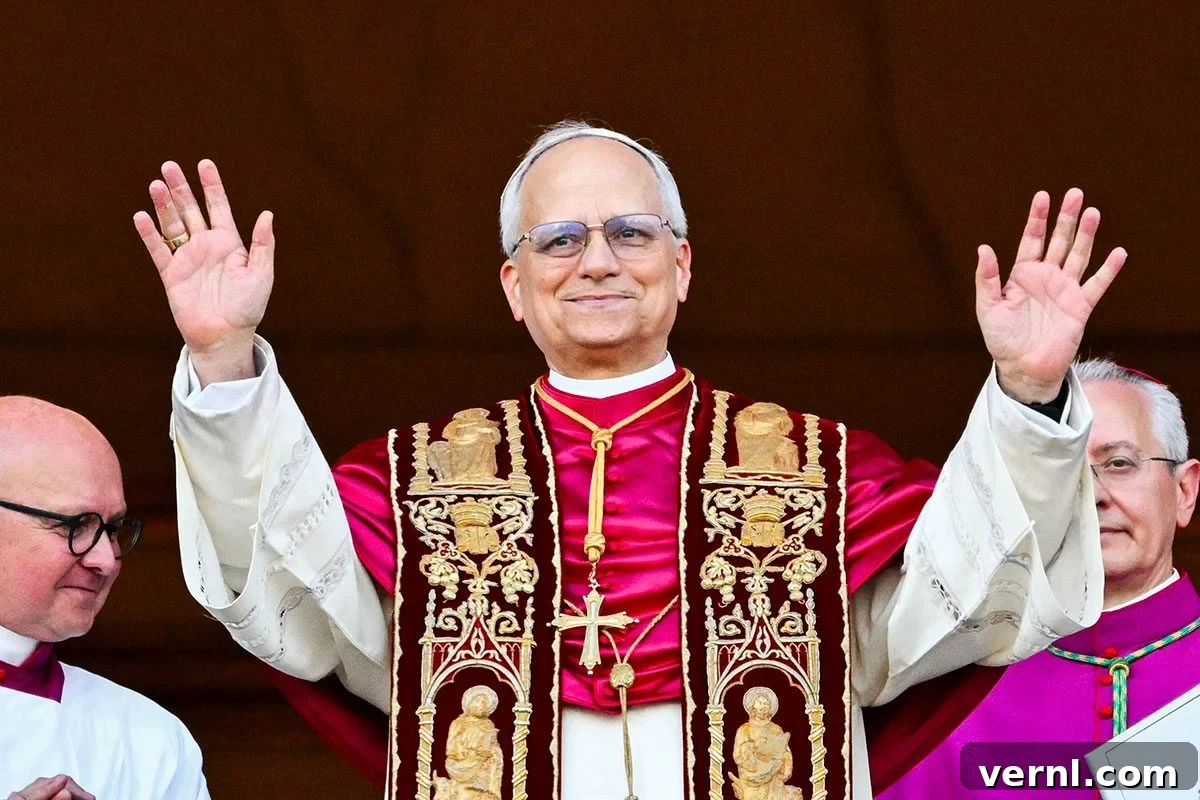
There’s an undeniable allure to peeking behind the curtains of celebrity life, especially when it involves their private residences. Whether it’s the sprawling estates of Hollywood icons or the historic mansions of political figures, the chance to explore the homes of famous people for sale captivates imaginations worldwide. These properties offer more than just architectural beauty; they provide a tangible connection to history, fame, and the often-humble beginnings of those who rise to prominence. For many, it’s a fascinating pastime, a form of aspirational window shopping that bridges the gap between ordinary life and extraordinary renown.
Recently, the real estate market offered a particularly intriguing item: the childhood home of none other than Pope Leo XIV. This revelation sent ripples of excitement through both religious and real estate circles, promising a unique opportunity for enthusiasts of papal history and astute investors alike. Located in the quiet, unassuming Chicago suburbs, this modest dwelling was briefly available for purchase, offering a rare glimpse into the formative years of a global spiritual leader.
However, as quickly as it appeared, the listing for Pope Leo XIV’s former residence vanished. The owners swiftly pulled the property from the market shortly after the Vatican’s official announcement of the new pontiff, creating a cloud of mystery and anticipation around its future. For those with a keen eye for significant properties, or perhaps a dream of moving to a locale with an unexpected connection to spiritual leadership, keeping a close watch on this Dolton, Illinois, address might be a worthwhile endeavor, as its fate remains delightfully uncertain.
The Humble Beginnings: A Dolton Home with Unforeseen Significance
The story of Pope Leo XIV’s childhood home begins in Dolton, Illinois, a suburban community known for its tranquil streets and family-friendly atmosphere, not typically for its papal connections. It was within this unassuming backdrop that a future leader of the Catholic Church spent his formative years. The property itself, a modest single-family home, became a focal point of global attention overnight, transforming from a simple suburban dwelling into a potential historical landmark with immense spiritual and cultural value.
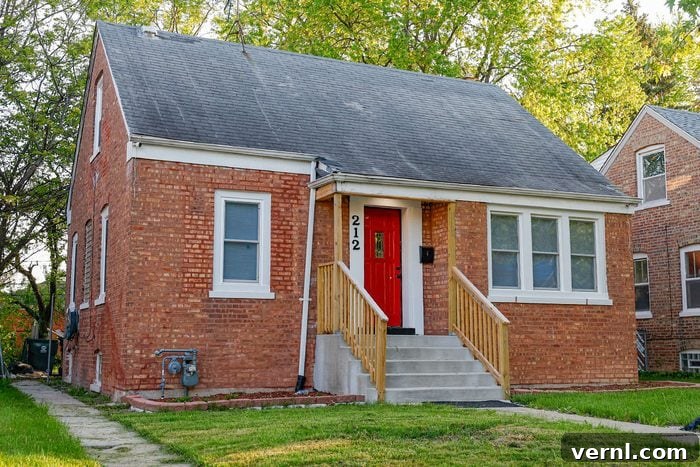
When the property first hit the market, its appeal was primarily to those seeking a starter home or a solid investment in the Chicago metropolitan area. However, the subsequent revelation of its former resident dramatically altered its perceived value and potential trajectory. This shift underscores the profound impact that historical and religious associations can have on real estate, elevating a conventional property into an object of pilgrimage, preservation, or profound profit.
What Was the Home Originally Listed At? A Remarkable Appreciation
The financial trajectory of Pope Leo XIV’s childhood home offers a fascinating case study in rapid real estate appreciation, driven by an extraordinary and unforeseen event. According to reports from NBC Chicago, who spoke directly with the realtor representing the sellers, the current owners acquired the property in May 2024 for a remarkably modest $66,000. This initial purchase price reflects the home’s status as a typical, albeit well-maintained, suburban residence before its owner’s papal announcement.
Just one year later, on May 5, 2025, the same 750-square-foot home was re-listed for sale, this time with an asking price just under $250,000. This significant increase highlights a savvy investment by the owners, even before the property’s historical importance was widely known. The original listing description, prior to the papal news, emphasized its practical appeal: “three levels of living space,” a prime location “on a quiet block,” and the attractive feature of being “move-in ready” with “mostly new fixtures.” This description appealed to conventional buyers looking for comfort and convenience in the Dolton market.
However, the narrative changed dramatically the moment the Vatican’s announcement regarding Pope Leo XIV reverberated across the globe. The realtor confirmed that, upon hearing the monumental news, the owners made the swift decision to pull the house off the market. This immediate withdrawal suggests a recognition of the property’s sudden and immense shift in value, moving beyond a simple real estate transaction to something far more historically and potentially financially significant.
A Closer Look at the Property’s Features
Despite its humble origins and modest size, the childhood home of Pope Leo XIV offers practical living spaces. Spanning approximately 750 square feet, the residence is designed with efficiency and comfort in mind, featuring three bedrooms and two bathrooms. This configuration is typical for many suburban homes of its era, providing ample room for a small family. The mention of “three levels of living space” suggests either a multi-story structure or a layout that cleverly utilizes a basement or attic space, maximizing the functional area within its footprint.
The original listing also highlighted its desirable location “on a quiet block,” a common selling point for families seeking peace and a sense of community. The promise of being “move-in ready” with “mostly new fixtures” further enhanced its appeal, indicating that the previous owners had invested in updates to ensure the home was in excellent condition. These details, once purely practical, now take on a different light, offering a glimpse into the everyday environment that shaped a future pontiff. The combination of its quaint charm and updated features makes it a truly unique property, now imbued with an unprecedented historical narrative.
Will The Owners of Pope Leo XIV’s Childhood Home Sell It? Exploring the Options
The sudden withdrawal of Pope Leo XIV’s childhood home from the market has plunged its future into fascinating uncertainty. The owners, initially seeking a straightforward real estate transaction, are now grappling with a property that has been catapulted into global prominence. It’s no longer just a house; it’s a piece of living history, and their decisions moving forward carry significant weight, both financially and culturally.
Their realtor revealed to NBC Chicago that the owners were immediately inundated with offers exceeding their asking price once the news of the new Pope broke. This surge of interest underscores the immense market value that now adheres to the property. However, instead of capitulating to immediate profit, the owners are carefully exploring a multifaceted array of options, each with profound implications. These potential paths represent a thoughtful consideration of historical preservation, public interest, and strategic financial planning.
Option 1: Preserving History as a Landmark
One compelling option under consideration is to have the home designated as a historical landmark. This path would signify a commitment to preserving the property as a tangible link to Pope Leo XIV’s early life. Landmark status often entails specific regulations regarding alterations and maintenance, ensuring the building’s historical integrity is maintained for future generations. If designated, the home could potentially be opened to the public, perhaps as a small museum or a site for quiet reflection, drawing pilgrims and tourists to Dolton, Illinois. This would transform a private residence into a public trust, offering an invaluable contribution to both local history and Catholic heritage. It would require collaboration with historical societies, local government, and potentially even the Vatican itself, to establish a sustainable model for its upkeep and accessibility.
Option 2: A Glimpse into the Past Through Restoration
Another intriguing possibility is to undertake a comprehensive restoration of the home, returning it to its exact condition “when the pope lived in it.” This endeavor would be a meticulously detailed project, involving historical research, architectural preservationists, and potentially the input of family members. The goal would be to recreate the environment of Pope Leo XIV’s youth, offering visitors an authentic and intimate experience of his early life. Such a restoration could involve sourcing period-appropriate furnishings, uncovering original architectural details, and even landscaping the property to reflect its historical appearance. This option would be a labor of love, driven by a desire to honor and illustrate the humble origins of a spiritual leader, providing a powerful contrast to the grandiosity of his current papal residence.
Option 3: The Return to the Market: A High-Stakes Relisting
Finally, the owners might choose to re-list the property for sale, but this time with a fully informed understanding of its monumental historical significance. If they opt for this route, the asking price would undoubtedly be substantially higher than the initial $250,000, reflecting its status as a unique piece of history rather than just a suburban house. A re-listing would attract a different caliber of buyer – perhaps a wealthy collector, a religious institution, or an investor keen on leveraging its historical fame. The sale process would likely be complex, involving international interest and intense media scrutiny. The owners would need to weigh the financial gains against the potential public relations and ethical considerations of profiting from such a sacred connection.
Seeking Counsel: The Pope’s Brother and Family Insight
As part of their intricate decision-making process, the owners are wisely hoping to establish contact with Pope Leo XIV’s brother, who reportedly still resides locally. Involving family members in such a decision is crucial, as they can provide invaluable insights into the Pope’s childhood memories, the home’s significance to their family, and potentially their wishes regarding its future. The brother’s perspective could guide the owners towards a choice that respects the pontiff’s legacy and family sentiments, rather than purely commercial considerations. This personal connection adds another layer of depth to an already remarkable situation, emphasizing the human story behind the historic headlines.
The Broader Impact: From Local Listing to Global Interest
The journey of Pope Leo XIV’s childhood home, from a quiet suburban listing to a globally recognized property, perfectly illustrates the profound impact of unexpected fame. What began as a routine real estate transaction in Dolton, Illinois, has transformed into a narrative that captivates a worldwide audience. This transformation highlights how quickly local news can become international headline, especially when it concerns figures of such immense global stature as a Pope.
This situation also sheds light on the unique niche of “celebrity real estate,” where the value of a property extends far beyond its physical attributes. For homes associated with spiritual leaders, the appeal takes on an even deeper dimension, intertwining historical interest with religious devotion. Whether the property ultimately becomes a landmark, a restored museum, or returns to the private market at an elevated price, its story has already etched itself into the annals of both real estate and religious history. It stands as a testament to the enduring human fascination with the origins of greatness and the unexpected places where history is made.
As the owners deliberate on the future of this truly unique property, the world watches with bated breath. The eventual outcome will not only determine the fate of a house but will also set a precedent for how such culturally significant properties are managed in an era of instant global communication and intense public interest. For those dreaming of owning a piece of history, or simply intrigued by the confluence of faith and finance, Pope Leo XIV’s childhood home remains an unfolding saga.
Sources
Pope Leo’s childhood home was on the market for under $250K — until Thursday, NBC 5 Chicago, 2025.