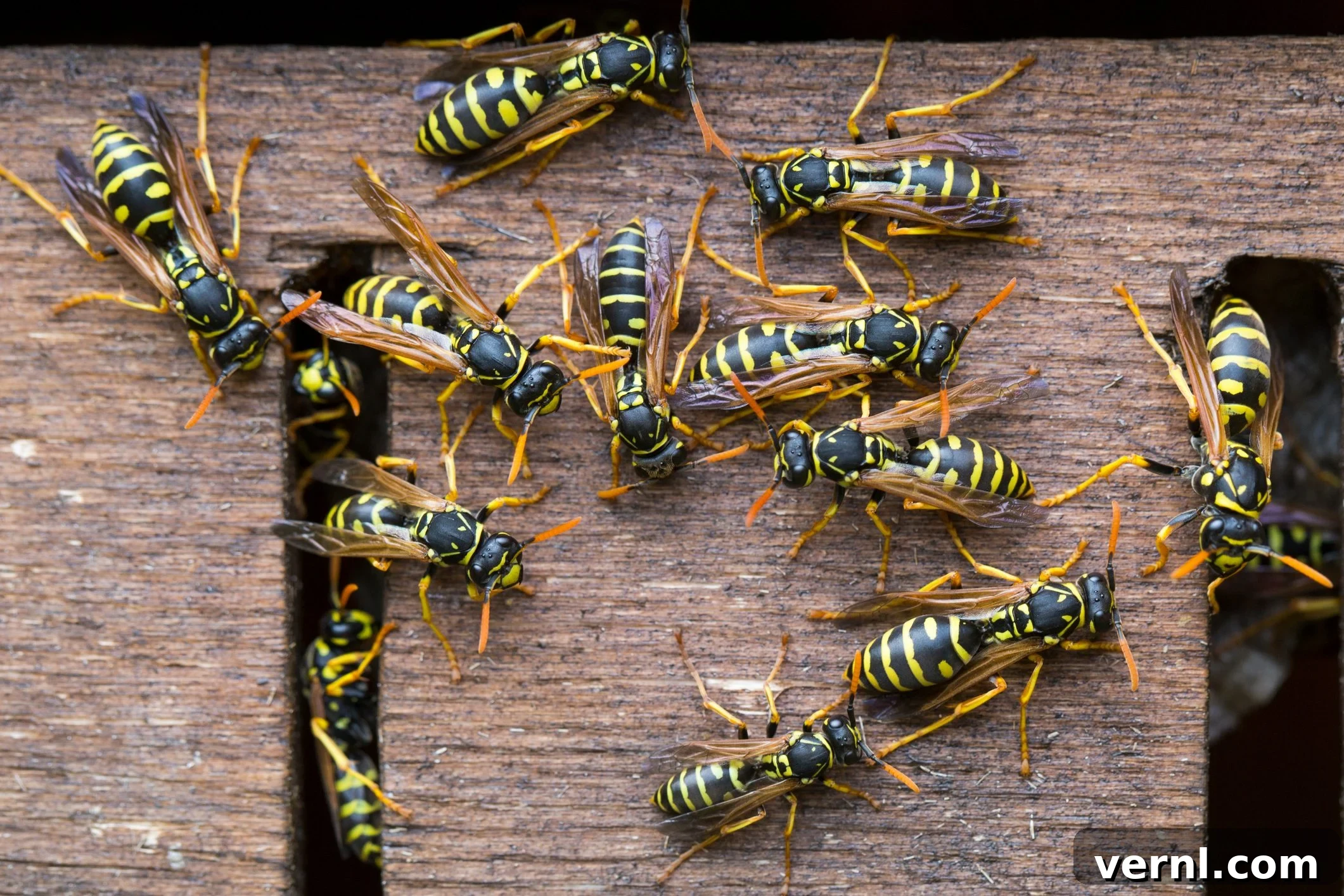
Wasp Nest in Your Wall? Your Guide to Safe Removal and Prevention
Wasps, with their distinctive appearance, often inspire a sense of unease. While they play a vital role in our ecosystem, nobody wants them setting up residence in their home’s walls. Discovering a wasp nest can quickly turn a relaxing backyard gathering into an unwelcome encounter. This comprehensive guide provides expert advice on identifying, safely removing, and preventing wasp nests in your home.
Contrary to common belief, wasps are essential to a healthy environment. They contribute significantly to pest control by preying on insects like flies and spiders, and they inadvertently assist in pollination. Nevertheless, their presence inside your walls demands immediate attention and a well-informed approach.
In this guide, we’ll explore the signs of a hidden wasp nest, the best strategies for dealing with it, and crucial steps to prevent future infestations. We’ll also cover why it’s usually best to call in a professional, and offer some safer alternatives if you still want to try a DIY approach.
Identifying a Wasp Nest in Your Wall
Identifying a wasp nest within your walls requires a keen eye and a bit of detective work. Recognizing the signs early can prevent a small problem from escalating into a serious infestation.
According to Thomas Dobrinska, a board-certified entomologist, a key indicator of a hidden nest is observing wasps entering and exiting a hole on the outside of your home, especially during the warmer months (June through August). This activity often resembles busy “airline traffic” as wasps follow a consistent flight path.
Even without a clear entry point, an unusual abundance of wasps buzzing around your yard is a strong signal that a nest is nearby. Pay close attention to their flight paths and where they seem to be concentrating their activity; this can help you pinpoint the potential entrance to their hidden abode.
Additionally, understanding the difference between wasps and other stinging insects, such as bees, can provide more clarity. Emma Grace Crumbley, an entomologist, suggests that wasps have a sleeker, more slender build compared to the typically fuzzier and more robust bees. Bees are also recognizable because of their broader waists.
If you suspect you have bees, especially honeybees, it’s essential to seek help from a professional beekeeper or agricultural extension service before taking any action. Bees play a vital role in pollination, and relocating them is often the best approach.
How to Safely Remove a Wasp Nest from Your Wall
Removing a wasp nest from your wall can be a complex and potentially dangerous task, particularly due to the aggressive nature of yellow jackets, a common type of wasp that builds nests in hidden cavities.
Both Dobrinska and Crumbley strongly advise against attempting a do-it-yourself (DIY) wasp nest removal. Professionals possess the essential equipment, specialized tools, and expertise needed to handle nests safely, minimizing risks and preventing further infestations.
The cost for professional wasp nest removal can range from $20 to $130, depending on the scope of the problem. While costs may vary, entrusting the task to a licensed pest control professional is essential for effective and secure removal.
The nest itself might not be directly at the entrance point, which is another reason why a professional service is often the best choice. If you attempt the removal yourself and fail, you could be confronting a swarm of angry wasps, potentially while you are on a ladder.
However, if you’re determined to try the removal yourself, Crumbley recommends following these steps as cautiously as possible:
- Protective Gear: Wear long sleeves, gloves, pants, closed-toe shoes, a protective head covering, and safety eyewear to protect yourself from stings.
- Identify Entry Points: Locate all entry and exit points and seal them with caulk or sealant.
- Use a Trap or Lure: Place a wasp trap or lure near the area to divert wasps from their nest.
- Drill a Hole: Carefully drill a small hole in the wall near the nest, large enough for a pesticide applicator to fit through, but small enough to prevent wasps from escaping.
- Apply Pesticide: Insert the applicator and apply a suitable pesticide.
- Leave the Area: Immediately leave the area after applying the pesticide and avoid returning until the wasps are confirmed dead.
After the wasps are eliminated, the nest itself becomes inactive and cannot be reused. Therefore, removing the nest from the wall is optional. If you choose to remove it, you’ll need to cut a hole to access it and then patch the opening.
Important: Always exercise extreme caution when dealing with wasps, and consider professional help for the safest and most effective results.
Preventing Wasp Nests in Your Walls
Prevention is always the best approach when it comes to wasps. Implementing proactive measures can significantly reduce the likelihood of wasps choosing your walls as their nesting site.
According to Dobrinska, “exclusion” is the most effective preventative strategy. This involves regularly inspecting areas like your eaves, siding, and brick facades, and promptly repairing any gaps, cracks, or openings that wasps could use to enter.
Before sealing up any potential entry points, carefully check to ensure there’s no active nest present. Sealing the entrance without first eliminating the existing nest can trap the wasps inside, which could lead to them damaging your walls or other internal structures as they try to escape.
Crumbley suggests using natural deterrents like specific herbs and essential oils to discourage wasps. A combination of clove, lemongrass, and geranium essential oils applied to outdoor walls, crevices, and other areas with wasp activity can be effective. Peppermint oil is another viable option. Regularly maintaining these deterrents will offer continuous protection against wasp infestations.
By understanding the signs of a wasp nest, knowing the safest methods for removal, and taking proactive preventive measures, you can protect your home and enjoy a wasp-free environment. For the best outcome, seek advice from a pest control specialist for your specific situation.