Breathe Easier This Winter: 7 Simple Ways to Improve Your Home's Indoor Air
Dust, dry air and stale indoor spaces don't have to define winter. From smart thermostat tweaks to the power of a good heat pump, here's how to keep your home
We spend a surprising amount of time thinking about the air outside — monitoring pollen counts, wildfire smoke maps and weather alerts. Yet during the winter months, most of us spend far more time breathing the air inside our homes.
In today's tightly sealed, energy-efficient houses, the air has fewer opportunities to escape, meaning dust, pet dander, cooking particles and excess moisture can linger far longer than many homeowners realize. Fortunately, a few simple adjustments can make a noticeable difference in how your home feels and how you feel inside it.
That's something American Standard Heating and Air Conditioning has been helping homeowners understand for years. As homes become more energy efficient, creating a healthier indoor environment isn't simply about heating or cooling. It's about how filtration, ventilation, humidity and airflow work together to support everyday comfort. The first step is taking a closer look at the small changes that can have the biggest impact.
Indoor Air Quality Winter Checklist
1. Replace your air filter before it becomes a problem.
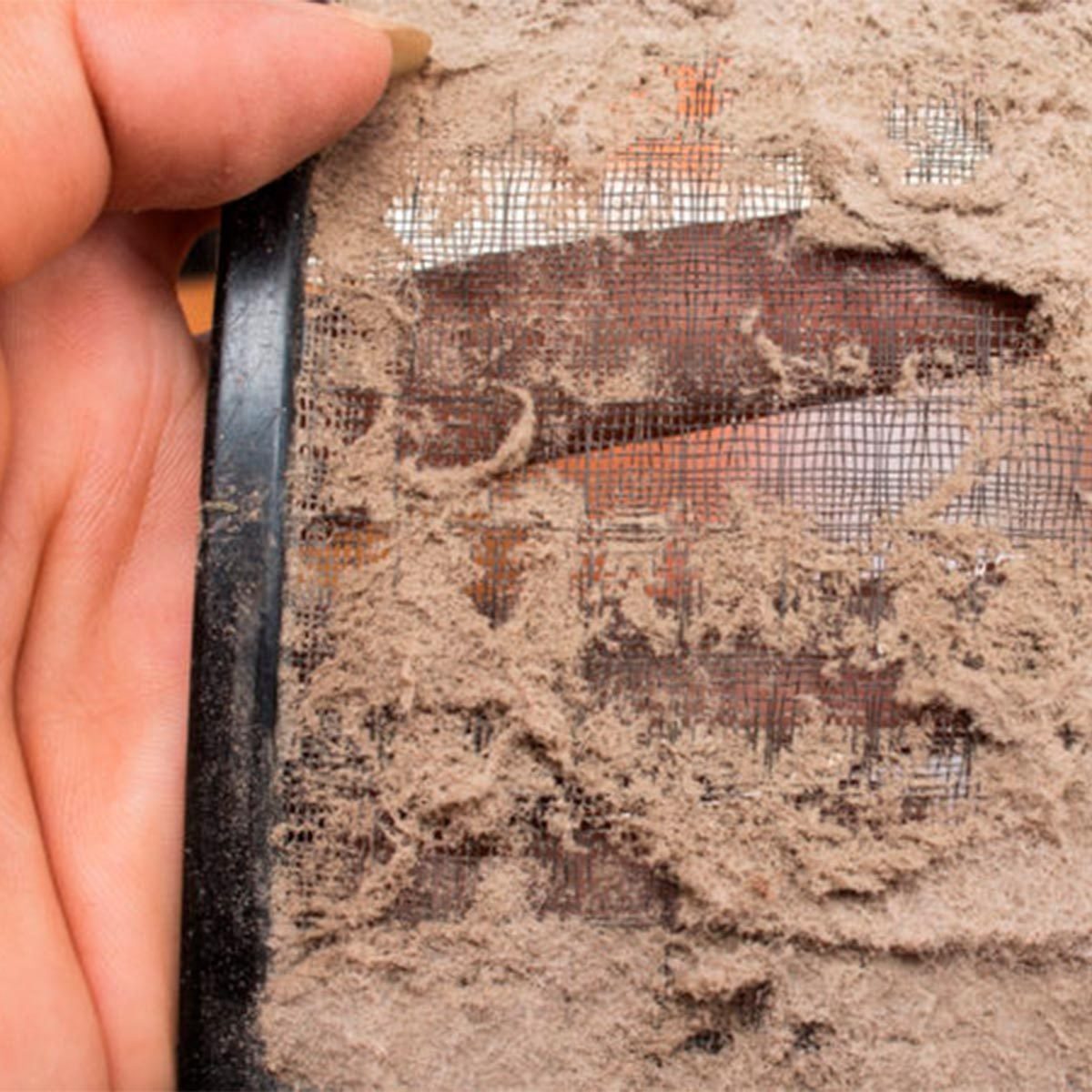
It might be the simplest maintenance task in your home, but it's also one of the most important. As filters collect dust, pollen, pet dander and other airborne particles, they become less effective and can restrict airflow, forcing your HVAC system to work harder than necessary.
American Standard recommends replacing filters every 30 to 90 days, depending on your household and HVAC system. Fresh filters help maintain airflow, improve filtration and support overall system efficiency.
2. Consider all the variables.
A comfortable home isn't defined by temperature alone. Humidity, ventilation, airflow and filtration all influence how a space feels. Ideally, indoor humidity should stay between 30% and 50% during the winter. Too little humidity can leave air feeling dry and irritating, while excess moisture may encourage mold and mildew. Consistent airflow also helps eliminate hot and cold spots, while ventilation refreshes stale indoor air that naturally builds up once windows stay closed for the season.
Healthy home tip:
Aim for 30–50% indoor humidity
Keep air circulating throughout the home
Don't overlook ventilation — even in winter
3. Pay attention to what your home is telling you.
Poor indoor air quality often announces itself long before your HVAC system stops working. Signs your system may need attention include:
Dust collecting quickly after cleaning
Persistent musty odors
Allergy symptoms that seem worse indoors
Uneven temperatures from room to room
Air that simply feels stale
These issues are often linked to clogged filters, poor airflow or inadequate ventilation — all of which are worth addressing before they become larger problems.

4. Keep the fresh air flowing.
Keeping the heat in shouldn't mean trapping stale air inside. Whole-home ventilation systems continuously introduce fresh outdoor air while exhausting stale indoor air, helping reduce odors, excess moisture, volatile organic compounds (VOCs) and other pollutants that naturally accumulate indoors. American Standard's Energy Recovery Ventilators (ERVs) are designed to bring fresh air into the home while maintaining energy efficiency — a valuable balance in today's tightly sealed houses.
5. Think beyond portable air purifiers.
Portable units can improve air quality in a single room, but whole-home filtration treats the air circulating throughout your entire house. Integrated filtration systems help capture dust, pollen, mold spores and pet dander before those particles recirculate through your living spaces. For families managing allergies—or anyone looking to create a cleaner indoor environment—that can make a meaningful difference.
American Standard's AccuClean® Whole-Home Air Cleaner is designed to remove up to 99.98% of allergens from filtered air, helping reduce common asthma and allergy triggers such as dust, pollen and pet dander throughout the home.is designed to remove up to 99.98% of allergens from filtered air, helping reduce common asthma and allergy triggers such as dust, pollen and pet dander throughout the home.
6. Let your HVAC system do more than heat your home this winter.
Many newer systems aren't simply designed to warm or cool; they're designed to improve comfort while supporting better indoor air quality.
Variable-speed systems adjust continuously to match your home's heating and cooling needs rather than constantly cycling on and off. That longer, steadier operation allows air to move through the filtration system more frequently, helping capture additional airborne particles while maintaining more consistent temperatures and humidity levels.
American Standard's AccuComfort™ variable-speed technology uses this approach to deliver quieter operation, greater energy efficiency and more consistent comfort throughout the home. variable-speed technology uses this approach to deliver quieter operation, greater energy efficiency and more consistent comfort throughout the home.
7. Invest in a smart thermostat
Today's smart thermostats do far more than adjust the temperature. Features like scheduling, remote access, humidity management and intelligent automation help homeowners maintain comfort while using energy more efficiently. American Standard's new Gold Smart Thermostat is compatible with nearly any 24V HVAC system and gives homeowners greater visibility and control through the Trane Home mobile app, whether they're across the room or away from home.is compatible with nearly any 24V HVAC system and gives homeowners greater visibility and control through the Trane Home mobile app, whether they're across the room or away from home.
Ask yourself: Is it time to upgrade your indoor air quality?
You may benefit from additional indoor air quality solutions if:
- Someone in your household has asthma or seasonal allergies.
- Pets are part of the family.
- Your home recently underwent a renovation.
- Dust returns almost immediately after cleaning.
- Musty odors linger.
- Your home feels especially dry throughout the winter.

Many of these issues can be improved through better filtration, ventilation and humidity management working together — not as individual fixes, but as part of a complete home comfort system. American Standard offers solutions designed to address each of these factors while supporting year-round comfort and efficiency.
The healthiest homes aren't necessarily the newest or the most expensive. More often, they're the ones where small maintenance habits add up over time: replacing filters, balancing humidity, improving ventilation and making sure your HVAC system is working as efficiently as possible.
As we spend more time indoors this winter, paying attention to the air inside your home can have an outsized impact on everyday comfort. Because while you may not always notice air quality, you'll almost certainly notice how much better your home feels when it's there.
Learn more about creating a healthier, more comfortable home at americanstandardair.com or connect with your local American Standard Customer Care dealer.