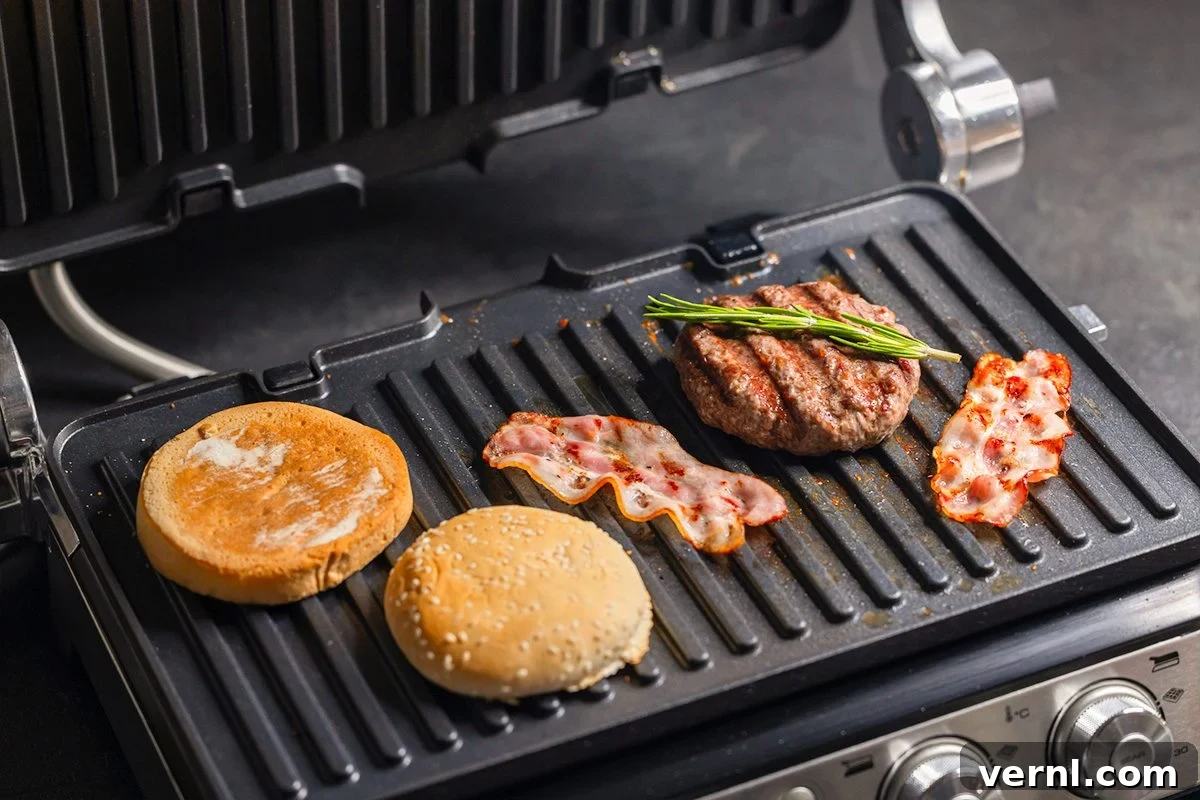
My partner and I love grilling. We enjoy it so much that when we go camping or take a long road trip, we typically bring our propane travel grill along. Over the years—and many miles—we’ve learned how to cook well in less-than-ideal conditions, from rain and snow to mosquitoes and heat waves. The payoff has been countless memorable meals.
This summer, we tried something different: an electric grill. At first, switching from propane felt strange. But it didn’t take long before both of us were won over. Electric grills are simple to use, whether in the kitchen or on the deck, and they offer notable advantages for health and air quality.
Below I explain what I learned after switching from a gas grill to an electric one—what works, what doesn’t, and why I’m mostly convinced this was a good move.
Why an Electric Grill?
Until recently, I assumed electric grills were relics of the past—the George Foreman era—clumsy countertop appliances that steamed a kitchen full of smoke. But after researching the health and environmental impacts of gas and propane cooking, I became curious about modern electric grill designs.
My partner was skeptical, but he agreed to try one. After searing his first ribeye on it, he was pleasantly surprised. I know some readers will roll their eyes—there’s a stigma in certain circles about not cooking over an open flame. People worry about losing flavor or missing out on tradition. But habits can limit us, and testing a different method can pay off. In our case, electric grilling offered practical benefits that quickly won us over.
Health and Environmental Benefits of Electric Grills

Grilling meat at high temperatures and eating charred portions can produce potentially harmful compounds. More concerning, perhaps, is the smoke generated when fats drip onto coals or open flames; that smoke contains particulates and compounds that can negatively affect air quality and health. Electric grills drastically reduce smoke from dripping fats because there’s no combustion of fuel beneath the cooking surface.
Burning fossil fuels—natural gas, propane, and charcoal—releases particulate matter and gases that worsen asthma and contribute to local pollution and greenhouse gas emissions. Even a single grill contributes to cumulative air pollution. By eliminating on-site combustion, electric grills can help lower those emissions and reduce indoor and outdoor pollution from cooking.
How Does the Taste Compare?
Taste is subjective. Some people insist charcoal gives a unique flavor and others prefer the quick sear from gas. For me, the difference is minimal. I typically grill vegetables and plant-based patties where the nuance of smoke is less critical. My partner, who prefers red meat, notices a subtle preference for the flavor of propane-grilled meat but not enough to justify sticking with it exclusively. In our experience, electric grills produce excellent results most of the time, and any flavor tradeoffs are modest.
Not Just for Meat-Eaters
We grill a lot of vegetables, and the electric grill performs exceptionally well for them. It provides consistent heat that roasts and chars vegetables evenly without requiring extra oil, which keeps meals lighter and simpler.
The Practical Advantages
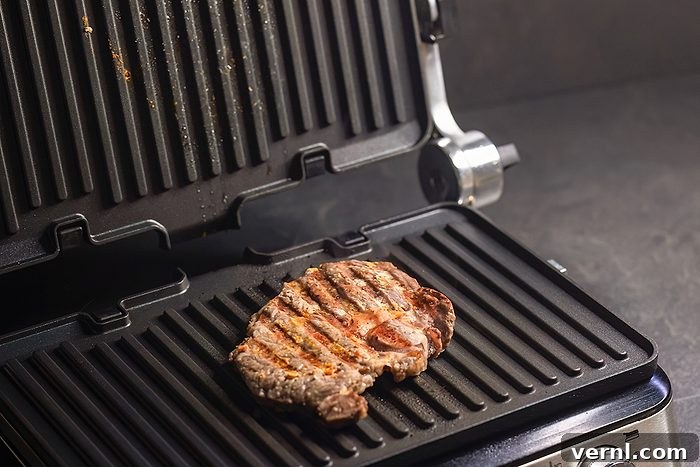
The biggest practical benefit is the consistent and even heat across the cooking surface. That consistency makes results repeatable—steak, vegetables, or sandwiches cook predictably from one session to the next. There are no surprise flare-ups because no open flame is reacting to drips. Instead, drippings typically fall into a water tray or drip pan, which reduces smoke and keeps the interior cleaner.
That drip tray is usually removable, making cleanup straightforward. Many modern electric grills also offer nonstick grates that are easy to wipe down or are dishwasher-safe. Marinated foods don’t create the same stuck-on mess you get inside some gas or charcoal grills because the liquid and oils collect in the drip tray instead of burning onto the heating elements.
How It Handles Weather
Our electric grill is UL-rated for indoor and outdoor use, which adds flexibility: when the weather is foul we bring it inside, and when we want to cook outdoors it performs well exposed to the elements. It even cooks faster than our gas grill in freezing conditions because the design limits cold air intrusion beneath the cooking surface.
The Learning Curve
The first time we used the new grill we actually read the instructions—an uncharacteristic move for us—but the preheat and temperature guidance it provided worked exactly as advertised. Preheating for the recommended time and following the temperature guide yielded excellent results. There’s still room to refine technique, but the grill cooks at rates comparable to gas with greater consistency.
The Model We Chose
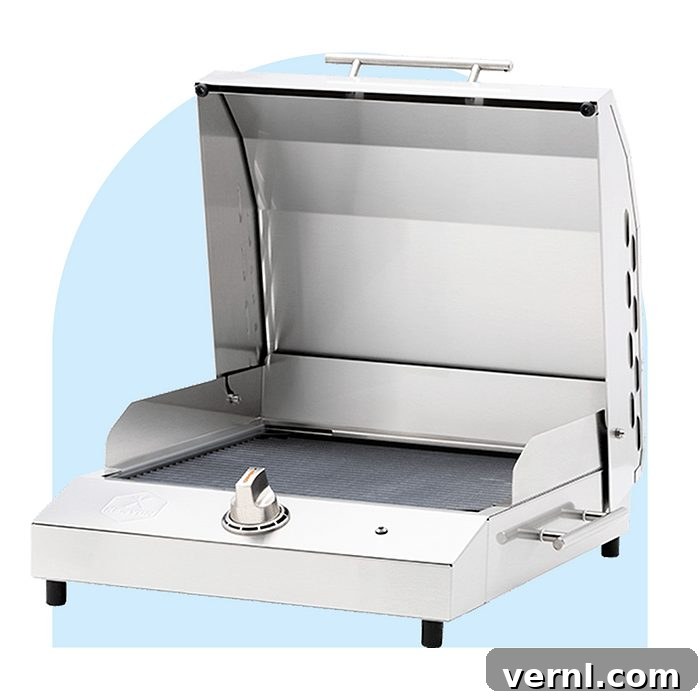
We opted for a Kenyon G2 model, a well-built electric grill made in the U.S. It has many strengths, and a few trade-offs worth noting:
- At 37 pounds, it’s sturdy but somewhat heavy to move. There are smaller models available that are lighter and easier to transport—those might be a better fit for users who plan to move their grill frequently.
- The construction is very robust, using marine-grade stainless steel. That durability adds weight, and for most home users the build is probably more substantial than necessary.
- Electric grills can be pricier than simple portable propane units. The model we picked sits at the higher end of the price range, so budget-conscious buyers should compare options.
- Even heat distribution is a major advantage for consistent cooking, but it also means you don’t have built-in hot and cool zones the way you might on a charcoal grill. If you rely on multiple temperature zones for complex cooking, plan accordingly.
Conclusion: Mostly a Positive Upgrade
After two months of regular use, we haven’t relit the propane grill. It sits on the porch, unused. The electric grill has replaced it for most everyday cooking because it reduces smoke, lowers some health risks, is simpler to clean, and is convenient in cold weather or when we want to cook indoors. We also appreciate never having to worry about running out of propane.
That said, we’re not getting rid of our propane grill entirely. It still has a role for camping, road trips, and occasional special-occasion beef or seafood when we want the precise flavor and char that flame can provide. For everyday use, however, the electric grill is an easy, cleaner, and consistent option that suits how we cook now.
RELATED:
- The Real Reason Aluminum Foil Has a Shiny Side and a Dull Side
- Think Adirondack Chairs Are Uncomfortable? You’re Using Them Wrong
- Why You Shouldn’t Crush Aluminum Cans Before Recycling