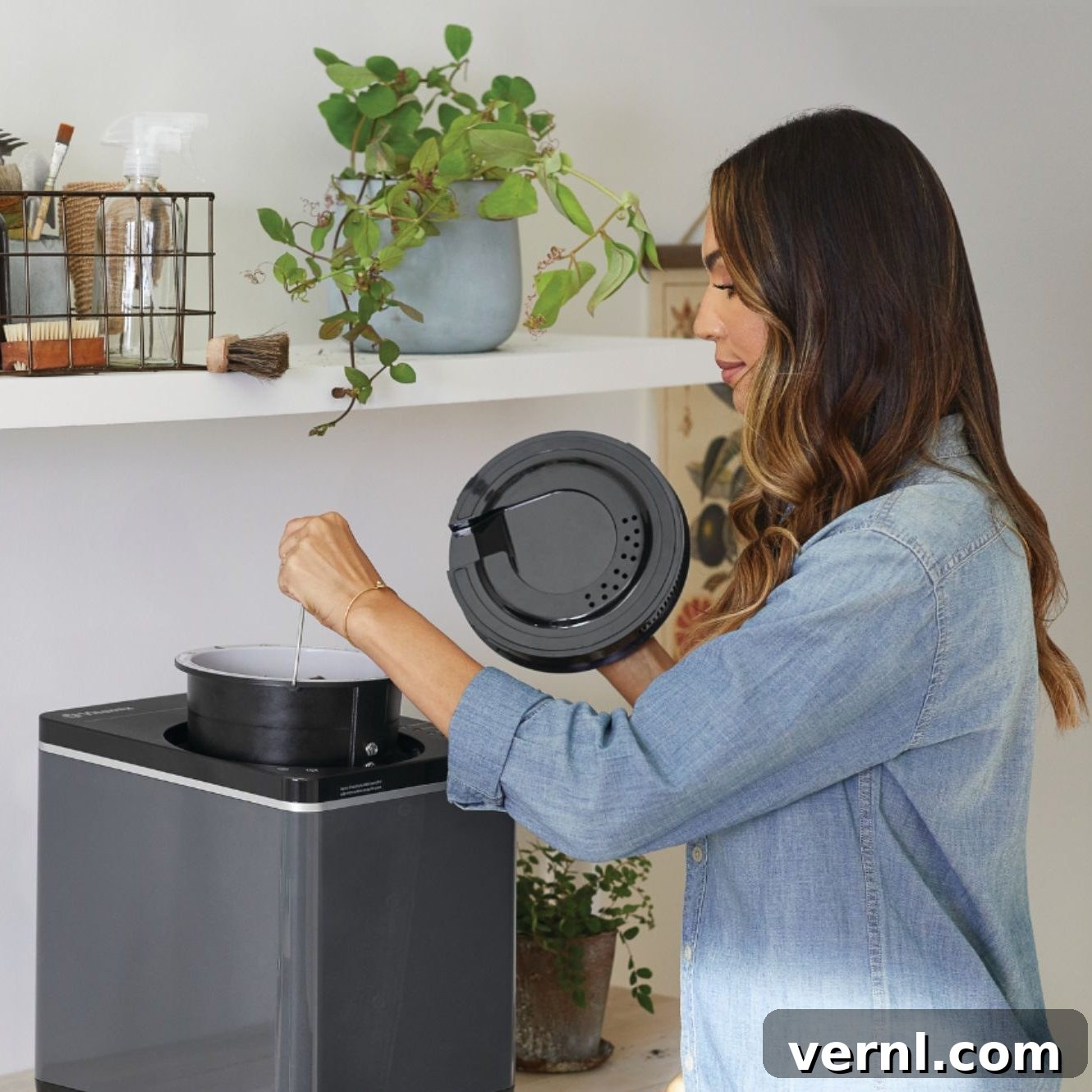
Composting your kitchen waste has long been lauded as a foundational practice for gardeners aiming to cultivate robust, healthy vegetables and vibrant flowers. The age-old wisdom suggests that creating your own compost surpasses store-bought alternatives in numerous ways, a sentiment echoed by gardening expert Lauren Click. She highlights, “Homemade or locally made compost significantly reduces the carbon footprint associated with transportation, ensuring the product is precisely tailored to the unique needs of local soil ecosystems. This approach maximizes both sustainability and efficiency in the vital cycle of nutrient recycling.”
Beyond horticultural benefits, the growing trend of communities enforcing the separation of food scraps from general trash means that adopting composting practices is increasingly becoming a matter of civic responsibility and legal compliance. However, for those residing in apartments or urban environments with limited outdoor space, the traditional methods of maintaining a sprawling compost pile or even a modest compost bin often prove impractical. This is precisely where the innovative solution of the electric composter enters the modern kitchen.
This comprehensive guide delves into the fascinating world of electric composters, exploring their functionality, benefits, drawbacks, and the top models available on the market today. Discover how these compact appliances are reshaping our approach to food waste and offering a sustainable path forward for every household, regardless of size or location.
What is an Electric Composter? A Modern Solution for Food Waste
An electric composter, often referred to as a food recycler or kitchen composter, represents a significant leap forward in home waste management. Unlike traditional composting methods that rely on natural decomposition over weeks or months, these sophisticated kitchen appliances expedite the process dramatically. Designed for convenience and efficiency, electric composters range in size from compact countertop units, perfectly suited for smaller kitchens, to larger models comparable to a standard garbage can, accommodating more substantial volumes of food waste.
At its core, an electric composter transforms food waste into a dry, soil-like substance. This end product, while not always a nutrient-rich “true compost” in the botanical sense (a distinction we’ll explore further), is a highly versatile soil amendment that can be safely integrated into your garden, potted plants, or even lawn. The most striking advantage of these devices is their speed; they accomplish this transformation in a mere matter of hours, a stark contrast to the months required for conventional composting piles.
Furthermore, electric composters are engineered to address some of the most common challenges associated with traditional composting. Crucially, they operate in a controlled environment that actively mitigates the release of potent methane gas emissions, a significant contributor to climate change when organic waste decomposes in landfills. Moreover, their sealed design and rapid processing cycles effectively eliminate unpleasant odors and, perhaps most appealingly for indoor use, prevent the attraction of pests such as fruit flies, rodents, or other unwelcome vermin.
It’s important to note that electric composters are a relatively new entrant into the domestic appliance market. As such, their performance can vary considerably across different models and manufacturers. Similarly, the quality of the resulting output material is not uniform. While a select few models are capable of producing a truly nutrient-rich soil amendment, many others yield a dehydrated food chip or granular product that, while excellent for improving soil structure or acting as mulch, may lack the complex microbial life and nutrient density characteristic of traditional, biologically active compost. Understanding this distinction is key to setting appropriate expectations for their use in your garden.
The Mechanics of Modern Waste Transformation: How Electric Composters Work
The sophisticated process employed by electric composters to rapidly break down food waste typically unfolds in three distinct stages, designed to efficiently convert organic scraps into a usable material.
- Heating and Desiccation: The initial and arguably most critical stage involves heating the food scraps to elevated temperatures, typically around 160 degrees Fahrenheit (approximately 71 degrees Celsius). This intense heat serves a dual purpose: it effectively sterilizes the material, neutralizing harmful pathogens and killing weed seeds that might otherwise sprout in your garden. The heating continues until the food waste is thoroughly desiccated, meaning all moisture content is evaporated. This drying process is crucial for preventing spoilage and reducing the volume of the original waste by up to 90%.
- Grinding and Pulverization: Once the food scraps are completely dry, they undergo a mechanical grinding process. Integrated blades or agitators pulverize the desiccated material into fine, uniform granules or chips. This significant reduction in particle size increases the surface area, making the material easier to distribute and incorporate into soil. It also contributes to the “soil-like” texture of the final product.
- Cooling and Readying: The final stage involves cooling the processed material. After the intense heating and grinding, the appliance allows the contents to return to a safe, ambient temperature. This ensures the output can be handled immediately and safely added to your garden or stored without residual heat affecting plants or other organic matter.
While the core three-stage process remains consistent, manufacturers have introduced innovative variations to enhance efficiency and versatility. Some electric composters feature internal tumbling mechanisms that constantly rotate the food waste as it’s being heated. This agitation promotes more even drying and significantly speeds up the desiccation process. Other advanced models are designed with separate compartments, allowing users to continuously add new scraps even while a previous batch is undergoing processing, maximizing convenience for busy households.
Furthermore, the cutting-edge technology in certain electric composters extends to offering multiple composting modes. These specialized settings can handle a wider array of organic materials, including denser items like meat scraps and even some types of plant-based bioplastics, which are traditionally challenging for standard composting methods. This expanded capability makes them an even more versatile tool in the fight against food waste.
A critical component in maintaining a pleasant indoor environment is the sophisticated air filtration system. Most electric composters are equipped with carbon filters through which the air released during the drying process is passed. These filters effectively capture and neutralize atmospheric pollutants and any potential odors, ensuring the appliance operates discreetly and without emitting unpleasant smells into your home. Regular replacement of these carbon filters is essential for sustained odor control.
In terms of energy consumption, a typical full composting cycle generally consumes approximately 1 to 1.5 kilowatt-hours (kWh) of electricity. To put this into perspective, this is roughly equivalent to running a standard electric space heater for about an hour, or boiling water in an electric kettle several times. While not negligible, the energy footprint is often considered a reasonable trade-off given the convenience and environmental benefits of diverting waste from landfills, where it would otherwise generate potent greenhouse gases.
It is paramount to reiterate the distinction in the quality of the output material. For the electric composter to produce a truly nutrient-rich, biologically active compost that plants can directly utilize for growth, the addition of an organic starter material is often crucial. This starter typically contains beneficial microbes and enzymes that initiate a more complex decomposition process, leading to a product closer to traditional compost. Some manufacturers thoughtfully supply these starters, either as part of the initial purchase or as a recurring consumable. Without such an accelerant, the final dehydrated product, while excellent for improving soil texture and water retention, is often devoid of the live microbial communities and concentrated nutrients found in mature compost, making it more suitable as mulch or a soil filler rather than a direct fertilizer.
Why Embrace Electric Composting? Unpacking the Benefits and Drawbacks
The decision to invest in an electric composter is often driven by a desire to reduce household waste and embrace more sustainable living practices. While some proponents of traditional composting methods may view electric composters as an unnecessary technological intervention, for many, these appliances offer compelling advantages that outweigh their perceived drawbacks, especially when considering the alternatives.
Traditional alternative composting methods, such as manual compost tumblers or worm composting (vermiculture), require a significant commitment of time and attention. They often demand daily turning, careful monitoring of moisture and “green-to-brown” ratios, and can take many months to produce usable compost, particularly if new material is continuously added. Electric composters address these challenges with remarkable efficiency and convenience.
Key Benefits of Electric Composters:
- Superior Odor Control: This is arguably one of the most compelling reasons for indoor use. Unlike traditional compost piles or bins that can emit strong, unpleasant odors due to anaerobic decomposition or unbalanced material, electric composters are virtually odor-free. Their sealed systems, combined with advanced carbon filtration technology and rapid processing, effectively contain and neutralize any potential smells, making them perfectly suited for kitchen countertops.
- Compact and Space-Saving Design: For urban dwellers or those with limited outdoor space, the compact footprint of electric composters is a game-changer. These appliances take up minimal counter or floor space, eliminating the need for a large garden compost pile or a dedicated corner of the patio for a bulky manual compost tumbler. They integrate seamlessly into modern kitchens.
- Effortless Automatic Operation: The “set it and forget it” nature of electric composters is a significant draw. There’s no manual labor involved, such as constantly spinning a tumbler, aerating a pile, or shoveling material. Users simply add their food scraps, press a button, and the machine handles the entire processing cycle automatically, freeing up valuable time and effort.
- Simplified Composting Process: Traditional composting can be daunting for beginners due to the critical “green-to-brown” ratio (balancing nitrogen-rich fresh scraps with carbon-rich dry materials). Electric composters largely eliminate this complex requirement. They are designed to process a wide variety of food scraps without the need for meticulous balancing, simplifying the entire experience.
- Complete Pest Freedom: A major deterrent for many considering traditional composting is the potential to attract pests like flies, rodents, raccoons, and other vermin seeking an easy meal. Electric composters, with their sealed, rapid-processing environments, completely negate this risk, ensuring a clean and hygienic operation both indoors and out.
- Rapid Transformation: One of the most significant advantages is speed. Instead of waiting months for food scraps to decompose, electric composters deliver a usable soil amendment in as little as five hours, allowing for immediate application or storage.
- Year-Round Functionality: Traditional composting can slow down or even halt in cold weather. Electric composters operate consistently indoors, providing a reliable waste solution regardless of external climate conditions.
- Educational Tool: For families, an electric composter can serve as an excellent educational tool, visibly demonstrating the process of waste reduction and nutrient recycling, fostering environmental awareness in children.
Considerations and Drawbacks Before You Buy:
While the benefits are substantial, it’s equally important to weigh the potential drawbacks before making an investment in an electric composter:
- Evolving Technology and Limited Long-Term Data: Electric composting is still a relatively nascent technology compared to traditional methods. Only a handful of products have been on the market long enough to accumulate extensive long-term user reviews and performance data. This means consumers are often investing in an evolving product category, with potential for future improvements and variations in product longevity.
- Increased Energy Consumption: Although individual cycles don’t consume vast amounts of electricity (typically 1-1.5 kWh per cycle), consistent daily use can lead to a noticeable increase in your household energy bill. While often justified by the environmental benefits of diverting waste from landfills, it’s an ongoing operational cost to consider.
- Initial Investment Cost: Electric composters represent a significant upfront financial commitment, with prices generally ranging from $400 to well over $1,000. This is a considerable expense compared to inexpensive traditional compost bins or tumblers.
- Space Requirement: While compact, an electric composter is still an additional appliance that demands dedicated counter or floor space. In a small kitchen, this can present a genuine challenge, requiring careful consideration of placement.
- Not “True Compost” in All Cases: As discussed, many electric composters produce a dehydrated, ground material rather than a living, microbially rich compost. While beneficial as a soil amendment or mulch, it might not offer the full spectrum of soil-building benefits that traditional compost provides without the addition of specific organic starters.
- Limited Capacity: Countertop models, while convenient, have a limited capacity per cycle. This might mean running multiple cycles daily for larger households or those generating significant food waste, potentially increasing energy use and cycle time.
- Filter Replacement Costs: The carbon filters essential for odor control require periodic replacement, adding another recurring maintenance cost to the overall ownership experience.
Mastering Your Electric Composter: A Step-by-Step Guide
The specific operational steps for an electric composter can vary slightly depending on the brand and model you choose. However, the fundamental process remains remarkably straightforward and user-friendly, designed for maximum convenience.
General Operating Procedure:
- Load Food Scraps: Begin by opening the lid of your electric composter and depositing your eligible kitchen food scraps into the internal bucket or chamber.
- Initiate the Cycle: Close the lid securely. For most models, simply press the “Start” button to begin the composting cycle. Some advanced units may feature automatic start functions or even allow for remote operation via a mobile app, offering enhanced flexibility.
- Retrieve the Processed Material: Once the composting cycle is complete (indicated by a light or sound, or simply after the specified cycle duration), you can retrieve the dry, processed material. This is typically done by pulling out a dedicated drawer or tray located at the base of the machine.
It is absolutely essential to consult the user manual specific to your electric composter model. This document will provide precise instructions on operation, maintenance, and, most importantly, a detailed list of what materials are suitable for composting and what should be avoided.
What Can and Cannot Go In:
Most electric composters are adept at processing a wide array of organic waste, including:
- Vegetable and fruit scraps (peels, cores, wilted produce)
- Coffee grounds and tea bags (without staples)
- Eggshells (crushed for better processing)
- Small amounts of bread or pasta
However, discretion is advised, especially regarding meat products. As gardening expert Lauren Click advises, “I generally do not recommend adding meat products to your compost, even with an electric composter, because they significantly increase the potential for persistent odors, attraction of pests, and the proliferation of harmful pathogens.” While some advanced models claim to handle meat, it’s best to err on the side of caution or confirm your specific model’s capabilities. Other items generally to avoid include large bones, dairy products, oils, and highly processed foods, as these can interfere with the machine’s efficiency or create undesirable odors.
- Pro Tip for Continuous Composting: If you generate a lot of food waste, look for models that allow you to add more food scraps during an ongoing cycle. Not all units offer this “continuous feed” feature, so if it’s important for your household’s waste volume, verify this specification before making your purchase.
Maintenance and Care:
To ensure the longevity and optimal performance of your electric composter, regular maintenance is key. This typically includes:
- Cleaning the Bucket: The internal bucket or grinding chamber should be cleaned periodically, usually by hand or, if specified by the manufacturer, in a dishwasher.
- Filter Replacement: Carbon filters, crucial for odor control, have a finite lifespan and need to be replaced according to the manufacturer’s recommendations (e.g., every 3-6 months). Ignoring this can lead to decreased odor absorption.
- Blade Inspection: Periodically check the grinding blades for any wear or accumulation of material, though most are designed for durability.
Leading the Charge: Best Electric Composters on the Market
As the electric composter market expands, a few brands have distinguished themselves, garnering significant positive attention and a loyal following. These models represent some of the most reliable and feature-rich options available today, catering to different needs and preferences.
Vitamix FoodCycler F-50: A Compact Powerhouse
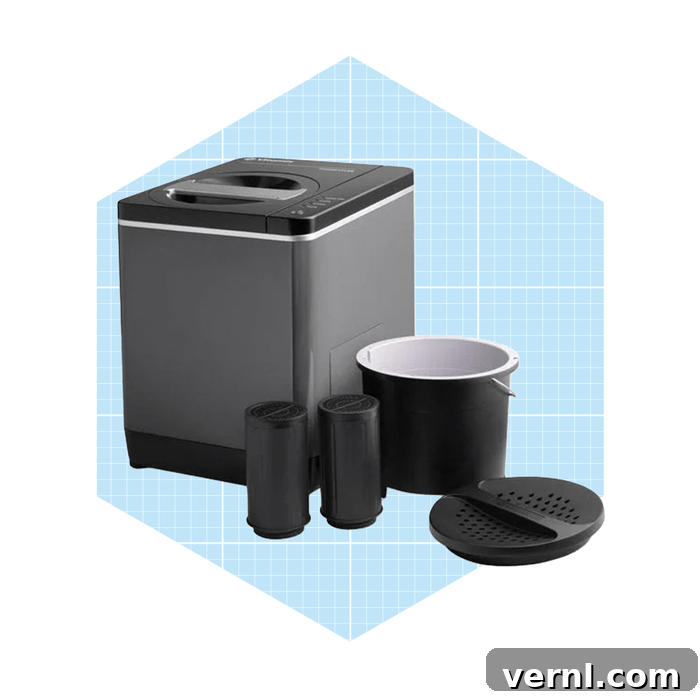
The Vitamix FoodCycler F-50 stands out as a highly popular countertop model, known for its robust performance and user-friendly design. Approximately the size of a standard air fryer, it fits comfortably in most kitchens without dominating counter space. This unit is remarkably efficient, completing a full composting cycle in a relatively short timeframe of four to eight hours. Its advanced carbon filtration system is particularly effective at eliminating odors, ensuring your kitchen remains fresh. A significant advantage of the FoodCycler F-50 is its versatility in handling a wide range of kitchen waste items, including tougher materials like small chicken bones, which many other composters struggle with.
Pela Lomi: Innovation with Eco-Conscious Features
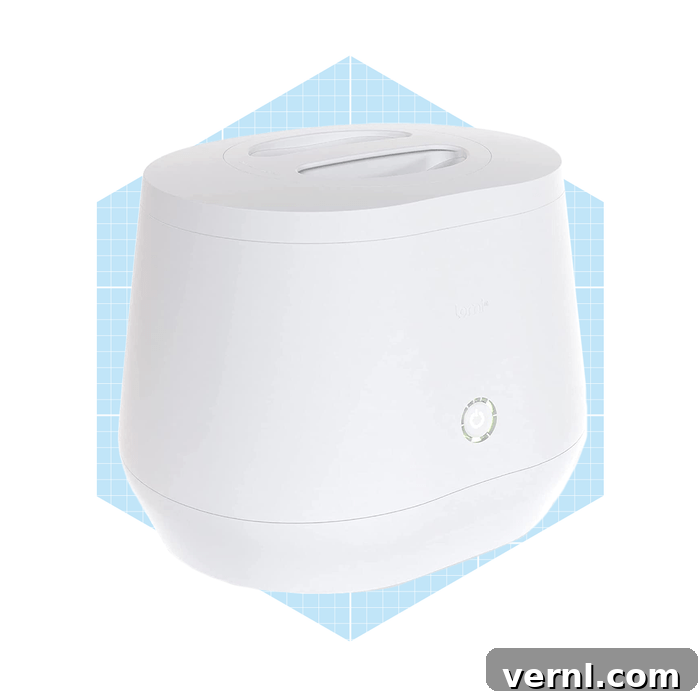
The Pela Lomi composter is another prominent countertop model that appeals to environmentally conscious consumers. Offering approximately 50 percent more capacity than the Vitamix FoodCycler, it allows for processing larger quantities of food waste in fewer cycles. Lomi distinguishes itself with three distinct composting modes, providing flexibility for different types of organic materials. Notably, its longest mode is designed with the capability to even compost certain types of plant-based plastics, a truly innovative feature that addresses a growing challenge in waste management. Pela also supports optimal nutrient recycling by supplying “Lomi Pods” – specially formulated organic starter material that enriches the final product, transforming it into a more nutrient-rich soil amendment.
Mill Food Recycler: High Capacity and Automated Convenience
For households with substantial food waste or those seeking a more hands-off, integrated solution, the Mill Food Recycler presents a compelling option. Advertised as a floor model, it stands approximately three feet tall, offering significantly greater capacity than its countertop counterparts. This ample space means you can continuously add food scraps for up to a month before the unit requires emptying, drastically reducing the frequency of interaction. Even better, the Mill Food Recycler operates entirely automatically; once loaded, it intelligently manages the processing, eliminating the need to remember to start cycles. This appliance is designed for seamless integration into a modern, sustainable home where convenience and high capacity are paramount.
Frequently Asked Questions About Electric Composters
How noisy or smelly are electric composters?
One of the primary concerns for prospective electric composter owners is noise and odor, especially for indoor appliances. Fortunately, most electric composters are engineered with advanced features to mitigate these issues. They typically incorporate robust charcoal (carbon) filters specifically designed to absorb and neutralize odors, ensuring that your kitchen remains fresh and free from unpleasant smells. While not completely silent, electric composters generally produce noise levels comparable to or even less than common kitchen appliances like a dishwasher or microwave oven. You might notice some grinding or churning sounds, particularly when the machine is processing harder materials such as bones or eggshells. However, these noises are usually intermittent and well within acceptable household levels.
Do I need to empty an electric composter daily?
The frequency of emptying an electric composter largely depends on its capacity and your household’s volume of food waste. Countertop models, by nature, have smaller capacities, meaning they may require emptying every three days to a week for an average household. Larger, floor-standing units are designed to handle significantly more waste and thus demand much less frequent attention. For instance, the innovative Mill Food Recycler, mentioned above, can often accumulate food scraps for up to a month before needing to be emptied. Always refer to your specific model’s guidelines for optimal emptying practices, but generally, daily emptying is not required, offering considerable convenience.
Is the output from an electric composter “true” compost?
This is a nuanced question. In the strictest sense of traditional composting, which relies on microbial decomposition to create a living, nutrient-rich soil full of beneficial microorganisms, the output from many electric composters is not “true” compost. Most electric composters primarily dehydrate and grind food waste into a dry, inert, soil-like material. While this material is excellent for improving soil structure, aeration, and water retention, it often lacks the biological activity and complex nutrient profile of traditional compost. However, some advanced models, especially those that encourage or provide an organic starter, can produce an output that is biologically enhanced and closer to traditional compost. Regardless, the dehydrated material is highly valuable as a soil amendment, mulch, or filler, effectively diverting waste from landfills and enriching your garden in various ways.
Can electric composters handle all types of kitchen waste, including plastics?
While electric composters are highly versatile, their capacity to handle different waste types varies by model. Most efficiently process standard fruit and vegetable scraps, coffee grounds, and eggshells. However, items like large bones, excessive oils, dairy products, or highly processed foods are generally not recommended for all models due to potential issues with processing efficiency or odor. Regarding plastics, traditional petroleum-based plastics are not compostable in any electric composter. However, some cutting-edge models, like the Pela Lomi, feature specialized modes designed to break down certain types of certified plant-based bioplastics. Always consult your appliance’s user manual to understand its specific capabilities and limitations for different waste materials.
Are electric composters environmentally sustainable?
Electric composters contribute significantly to environmental sustainability by diverting food waste from landfills. In landfills, organic waste decomposes anaerobically (without oxygen), producing methane, a potent greenhouse gas that is far more impactful than carbon dioxide in the short term. By processing food waste at home, electric composters prevent these harmful emissions. While they do consume electricity, the overall environmental benefit of preventing landfill methane production often outweighs the energy cost. Furthermore, the resulting material can be returned to the earth, enriching soil and reducing the need for chemical fertilizers, thus closing the nutrient loop in a more sustainable manner. Choosing a model with a lower energy consumption rating and powering it with renewable energy sources further enhances its environmental credentials.
About the Expert
- Lauren Click is a widely recognized authority and leader in the fields of composting and the circular economy. She is the visionary founder of Let’s Go Compost, a national 501(c)(3) nonprofit organization dedicated to promoting and facilitating composting initiatives across the country. Her expertise provides valuable insights into sustainable waste management practices.
[cf]skyword_tracking_tag[/cf]