
Unpacking the Myth: Can a New Electrical Panel Really Slash Your Electric Bill?
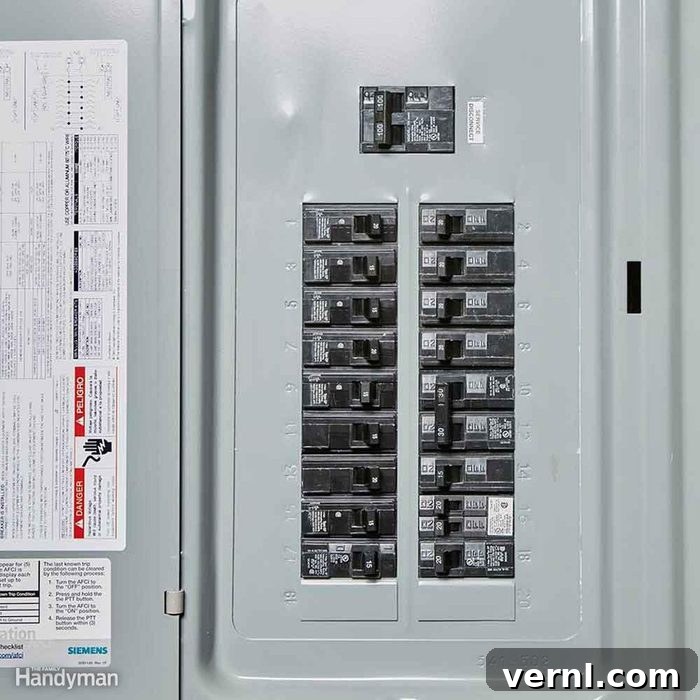
Homeowners are constantly seeking ways to reduce their monthly expenses, and the electric bill is often a significant portion of that budget. Recently, an intriguing claim surfaced in an online discussion: a homeowner reported a staggering 30 percent drop in their monthly electric bill immediately after installing a new circuit breaker panel. Such a dramatic reduction from a seemingly non-energy-consuming component naturally raises questions and a healthy dose of skepticism.
To get to the bottom of this widespread misconception and provide clarity, we consulted with John Williamson, a master electrician and inspector with decades of experience in the field. His insights shed light on the true role of an electrical panel and where real energy savings genuinely lie.
The Expert’s Verdict: Dispelling Electrical Panel Energy Myths
“In theory, simply installing a new electrical panel wouldn’t result in any energy savings because an electrical panel doesn’t normally impose a load on the electrical system,” explains John Williamson. “The panel itself doesn’t consume power. It acts as a central distribution hub and safety device, directing electricity to various circuits throughout your home and protecting them from overloads. Therefore, expecting direct energy savings from its replacement is generally unfounded.”
Why an Electrical Panel Doesn’t Directly Consume Power
To understand John’s point, it’s essential to grasp what an electrical panel actually does. Think of your home’s electrical panel, also known as a breaker box or service panel, as the heart of your home’s electrical system. It receives electricity from the utility grid and then safely distributes it through individual circuit breakers to all the different appliances, lights, and outlets in your house.
Its primary functions are twofold: distribution and protection. It doesn’t have moving parts that consume electricity like a motor, nor does it generate light or heat as a primary function. It’s essentially a passive conduit and a sophisticated safety gate. When the electricity passes through it, it does so efficiently, without drawing power for its own operation. This is why a brand-new panel will perform the same distribution and protection tasks as a functional old one without inherently reducing energy consumption.
The Nuance: When an Old Panel *Might* Waste a Tiny Bit of Energy
While a panel itself doesn’t consume power, there’s a subtle distinction when an old or poorly maintained panel is involved. John Williamson acknowledges this possibility: “That said, I suppose an old panel could be in bad condition, with many loose or corroded connections, which may cause a resistance to current flow and create wasted power in the form of heat.”
In electrical systems, resistance to current flow leads to energy dissipation in the form of heat, a phenomenon known as Joule heating or I²R losses. If an old panel has severely corroded bus bars or loose connections, these points can indeed generate heat. This heat represents a minuscule amount of wasted energy. However, for such losses to account for a significant portion of a homeowner’s electric bill, the panel would likely be in a dangerously degraded state, potentially presenting a fire hazard long before it impacts energy consumption to any noticeable degree. “But a 30 percent reduction in one’s electrical bill doesn’t seem plausible from this,” John concludes, emphasizing the unlikelihood of such a dramatic saving from a panel upgrade alone.
The energy lost as heat in a functioning (even if old) panel is typically negligible compared to the total electricity consumption of a household. If a panel is heating up enough to cause substantial energy waste, it indicates a serious safety issue that needs immediate professional attention, rather than just an opportunity for energy savings.
True Drivers of High Electric Bills: Where Real Savings Lie
If upgrading your electrical panel isn’t the direct path to significant energy savings, then what truly drives up your monthly electric bill? The answer lies in your home’s energy consumption habits, the efficiency of your appliances, and the overall thermal envelope of your property.
Major Energy Hogs in Your Home
- HVAC Systems (Heating, Ventilation, and Air Conditioning): These are by far the biggest energy consumers in most homes, accounting for up to half of a typical household’s energy usage. Inefficient units, poor insulation, and air leaks force HVAC systems to work harder, consuming more electricity.
- Water Heaters: Heating water requires substantial energy. Older, less efficient water heaters, or those with inadequate insulation, can significantly contribute to high energy bills.
- Refrigerators and Freezers: These appliances run continuously. Older models, especially those more than 10-15 years old, are far less efficient than modern ENERGY STAR® certified units.
- Lighting: While individual light bulbs consume relatively little power, their cumulative effect, especially with outdated incandescent bulbs, can add up.
- Washers and Dryers: Both laundry appliances can be significant energy users, particularly clothes dryers which use a lot of heat.
Other Significant Contributors to Energy Waste
- Poor Insulation and Air Leaks: Gaps around windows, doors, and insufficient attic or wall insulation allow conditioned air to escape and unconditioned air to enter, making your HVAC system work overtime.
- Phantom Loads (Vampire Power): Many electronics and appliances continue to draw a small amount of power even when turned off or in standby mode (e.g., TVs, gaming consoles, chargers). These “vampire loads” can cumulatively add to your bill over time.
- Old, Inefficient Windows and Doors: Single-pane windows or poorly sealed doors are major sources of heat loss in winter and heat gain in summer.
- Behavioral Habits: Leaving lights on in unoccupied rooms, taking excessively long hot showers, setting thermostats too high in winter or too low in summer, and failing to unplug unused electronics all contribute to unnecessary energy consumption.
Beyond Energy Savings: The Undeniable Benefits of a Modern Electrical Panel
While direct energy bill reduction from a panel upgrade is minimal or non-existent, this does not diminish the critical importance and numerous advantages of a modern, well-maintained electrical panel. In fact, upgrading your panel is one of the most vital investments you can make for your home’s safety, functionality, and future readiness.
Enhanced Safety and Fire Prevention
- Modern Circuit Breakers vs. Old Fuses: Old fuse boxes, while once standard, are less safe and convenient than modern circuit breaker panels. Fuses protect by melting and breaking the circuit, requiring replacement. Breakers simply trip and can be reset, but more importantly, modern breakers offer superior protection.
- AFCI and GFCI Protection: Modern panels are equipped with Arc Fault Circuit Interrupters (AFCIs) and Ground Fault Circuit Interrupters (GFCIs). AFCIs detect dangerous electrical arcs that can cause fires, while GFCIs protect against severe electric shock. Older panels typically lack these crucial safety features.
- Reduced Risk of Electrical Fires: By ensuring stable connections, preventing overloads, and incorporating advanced safety devices, a new electrical panel significantly lowers the risk of electrical fires, providing peace of mind for you and your family.
Ensuring your electrical panel is safe and properly functioning is paramount. For aesthetic reasons or to protect against accidental contact, you may also want to consider options for covering an electrical panel, though always ensure accessibility for emergencies.
Increased Capacity and Reliability
- Meeting Demands of Modern Electronics: Today’s homes are filled with more power-hungry appliances and electronics than ever before. An outdated panel with insufficient amperage (e.g., 60-amp or 100-amp) may struggle to meet this demand, leading to frequent breaker trips or even dangerous overloads. A 200-amp service is now standard for most new homes.
- Support for Home Additions and Large Appliances: Planning a home renovation, adding a new central air conditioning unit, installing an electric vehicle (EV) charger, or putting in a hot tub? These additions often require significantly more power than an old panel can safely provide. A panel upgrade ensures your home can handle these demands without strain.
- Preventing Frequent Breaker Trips: If your breakers are constantly tripping, it’s a sign that your electrical system is overloaded or experiencing issues. A panel upgrade can provide the necessary capacity and more reliable performance.
Improved System Performance and Home Value
- Stable Power Supply: A modern panel ensures a consistent and stable power supply throughout your home, which is better for the longevity and performance of your appliances and electronics.
- Compliance with Current Electrical Codes: Electrical codes are updated regularly to enhance safety. An old panel might not meet current regulations, which can be an issue during home inspections or renovations. A new panel ensures compliance.
- Appealing to Potential Buyers: An updated electrical panel is a significant selling point. It signals to potential buyers that the home is safe, up-to-code, and ready for modern living, potentially increasing your home’s market value.
Signs It’s Time for an Electrical Panel Upgrade
While a panel upgrade won’t directly lower your energy bill, it’s a crucial home improvement if your current panel is showing signs of age or inadequacy. Recognizing these indicators can prevent serious safety hazards and ensure your home’s electrical system meets your family’s needs.
- Frequent Breaker Trips or Blown Fuses: This is a common sign that your panel is overloaded or struggling to handle the electrical demand.
- Flickering or Dimming Lights: Especially when an appliance turns on, this can indicate an overloaded circuit or insufficient power supply from your panel.
- Burning Smell or Scorch Marks: Any burning odors emanating from the panel or visible scorch marks on outlets or around the panel itself are critical warning signs of overheating and potential fire hazards.
- Panel is Hot to the Touch: If your electrical panel feels warm or hot, it indicates excessive resistance and overheating, which is a dangerous condition.
- Rust or Corrosion on the Panel or Breakers: Moisture exposure can lead to rust and corrosion, compromising the panel’s integrity and functionality.
- Using a Fuse Box Instead of a Breaker Panel: If your home still has an old fuse box, upgrading to a modern circuit breaker panel is highly recommended for safety and convenience.
- Home Renovation Projects or Appliance Additions: Any plans to expand your home, install a new hot tub, add central air conditioning, or incorporate an electric vehicle charging station will likely necessitate a panel upgrade to accommodate the increased electrical load.
- Panel is Visibly Old (20+ Years): While some panels can last longer, if yours is several decades old, it may not be equipped with modern safety features or sufficient capacity for today’s electrical demands.
If you observe any of these signs, it’s imperative to contact a qualified electrician immediately for an assessment. Attempting electrical repairs yourself can be extremely dangerous.
The Path to Real Energy Savings: Actionable Steps
For those genuinely seeking to reduce their electric bills, focus your efforts on areas that directly consume electricity. Here are actionable steps to achieve significant and sustainable energy savings:
Conduct a Home Energy Audit
A professional energy audit can identify where your home is losing energy, such as insulation deficiencies, air leaks, or inefficient appliances. Many utility companies offer free or low-cost audits, or you can hire a certified energy auditor. This audit provides a tailored roadmap for improvements.
Upgrade to Energy-Efficient Appliances
When replacing major appliances like refrigerators, washing machines, water heaters, or HVAC systems, always choose ENERGY STAR® certified models. These are designed to operate with greater efficiency, leading to substantial long-term savings. Pay particular attention to your heating and cooling systems, as they represent the largest portion of most energy bills.
Seal Air Leaks and Improve Insulation
Sealing gaps and cracks around windows, doors, and utility penetrations with caulk and weatherstripping can prevent significant heat loss and gain. Enhancing insulation in your attic, walls, and crawl spaces will make your home more comfortable and drastically reduce the workload on your HVAC system.
Adopt Energy-Saving Habits
Small behavioral changes can collectively make a big difference: unplug devices when not in use to eliminate phantom loads, use smart thermostats to optimize heating and cooling schedules, turn off lights when leaving a room, use natural light whenever possible, and wash clothes in cold water. Also, consider air-drying clothes when feasible.
Consider Renewable Energy
For long-term and significant reductions, installing solar panels can dramatically offset or even eliminate your electricity bill. While an initial investment, government incentives and decreasing costs make solar power an increasingly viable option for many homeowners.
Conclusion: Smart Electrical Upgrades for a Safer, More Efficient Home
The homeowner’s claim of a 30 percent electric bill reduction solely from an electrical panel upgrade, while appealing, is largely a myth. As explained by master electrician John Williamson, an electrical panel primarily serves as a distribution and safety hub and does not consume power in a way that would lead to such dramatic savings. Any minor energy waste from an extremely degraded panel would typically signify a more pressing safety hazard.
However, this doesn’t diminish the immense value of a modern, well-maintained electrical panel. Upgrading your panel is a critical investment in your home’s safety, capacity for modern electrical demands, system reliability, and even its resale value. It ensures your home can safely support today’s power-hungry devices and appliances while protecting against electrical hazards like fires and shocks.
For genuine and substantial reductions in your electric bill, focus your efforts on improving the energy efficiency of your home’s appliances, insulation, and daily habits. By combining smart electrical upgrades for safety and capacity with strategic energy-saving measures, you can create a truly safer, more efficient, and cost-effective home environment.