Redefining Cool: An In-Depth Look at the Sustainable and Stylish July Air Conditioner
For many, the onset of summer brings with it a familiar dread: the annual wrestling match with a cumbersome window air conditioning unit. These traditional appliances are not just heavy, unwieldy, and often aesthetically unpleasing; their installation can be a genuinely challenging, even dangerous, endeavor, especially for urban dwellers with ground-level pedestrian traffic.
Beyond the logistical headaches, conventional air conditioners carry a significant environmental burden. They are notorious energy guzzlers, contributing substantially to household electricity consumption and carbon emissions. Furthermore, the refrigerants commonly used within them are potent greenhouse gases, playing a direct role in global warming. Yet, in an increasingly warming world, access to cooling isn't merely a comfort; it's often a matter of health and safety. The challenge, then, lies in finding more sustainable and user-friendly cooling solutions that don't compromise on efficiency.
Enter the July air conditioner, a product from an innovative company positioning itself at the intersection of sophisticated design and environmental sustainability. July aims to revolutionize the home cooling market by offering aesthetically considered AC units that, while acknowledging the inherent energy demands of air conditioning, strive to minimize their ecological footprint compared to their conventional counterparts. Their latest offering, a unique moss-covered unit, takes this blend of design and eco-consciousness to an entirely new level. Let's delve deeper into what makes the July AC, particularly its limited-edition moss variant, a game-changer.
Introducing July's Limited Edition Moss-Covered AC Unit: Nature Meets Technology
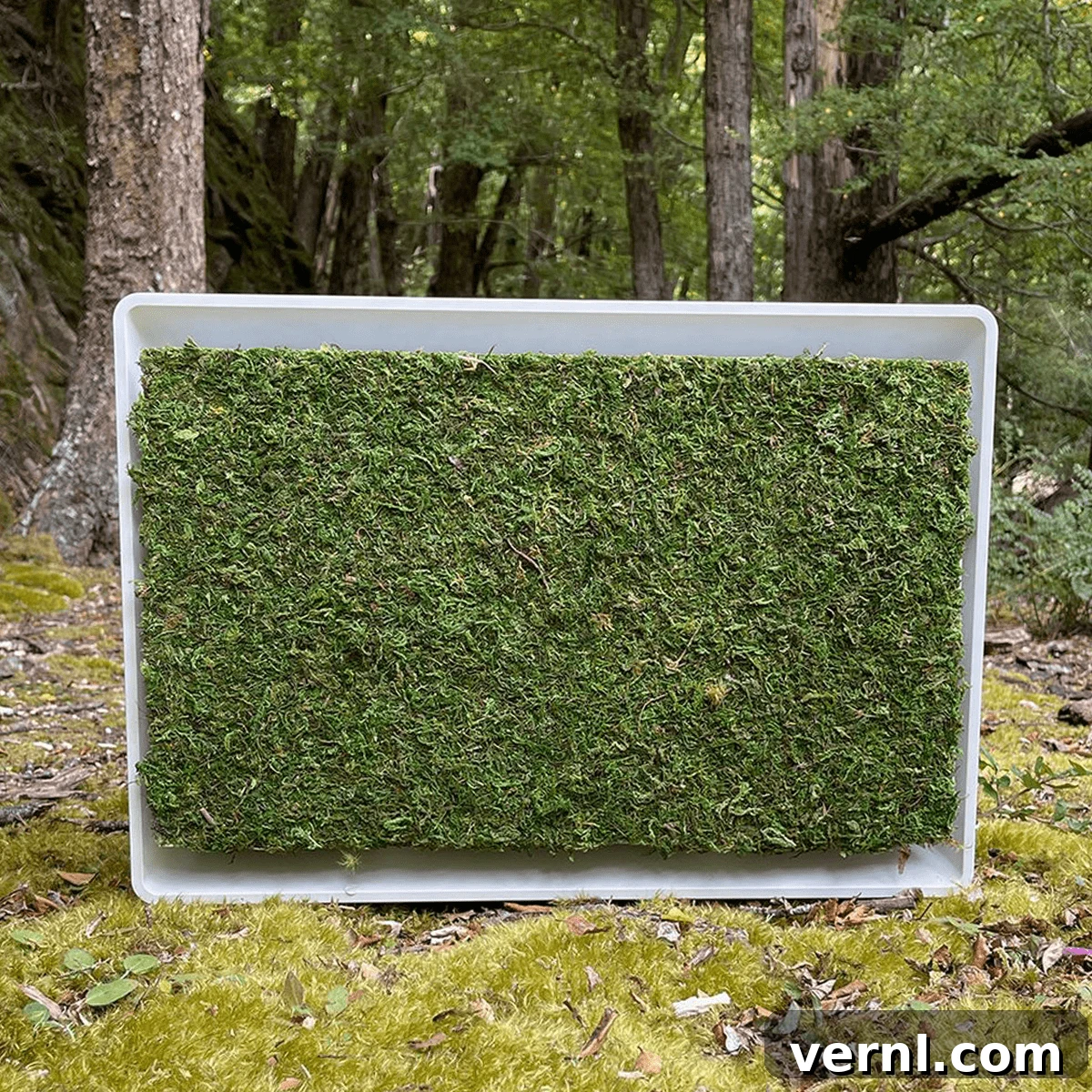
The July air conditioner stands apart from the typical utilitarian appearance of most window units. Its design philosophy emphasizes integration into modern living spaces rather than mere functionality. This commitment to aesthetics is vividly demonstrated by their new, limited-edition moss-covered unit. This innovative model features a distinct, natural veneer that replaces the often industrial-looking front slats found on standard air conditioners, offering a refreshing visual experience.
The star of this limited edition is the preserved moss panel. Far from being a mere novelty, this feature is meticulously engineered for longevity and ease of care. The moss is specially treated to ensure it retains its vibrant green hue and texture indefinitely, without requiring any maintenance. Users can enjoy the calming presence of natural greenery indoors without the concerns of watering, trimming, or discoloration often associated with living plants. It’s a truly maintenance-free addition that brings a touch of biophilic design to a household appliance.
July air conditioners are available in two convenient sizes to suit various room dimensions: a small unit boasting 6,000 Btu and a medium unit with 8,000 Btu. Both sizes offer the unique moss panel option, allowing more consumers to embrace this distinctive design. While there's no official word on whether a larger capacity unit is in the pipeline, July states that their current offerings are capable of efficiently cooling rooms up to 350 square feet. This makes them ideal for bedrooms, home offices, and smaller living areas, delivering powerful cooling performance encased in an unexpectedly beautiful form.
Beyond Aesthetics: July's Unwavering Commitment to Environmental Stewardship
July's ethos extends far beyond mere visual appeal; environmental sustainability is a foundational pillar of their company mission. They actively demonstrate this commitment through tangible actions and transparent practices, setting a new benchmark for eco-conscious appliance manufacturing. Their efforts are not just about "less damage" but actively contributing to solutions for our planet.
Carbon Offsetting and Reforestation Initiatives
One of July's standout initiatives is its partnership with ClimeCo.com, a leading carbon offset provider. For every July AC unit sold, the company meticulously offsets its carbon footprint for the first year of operation. These carbon offsets are channeled into vital reforestation projects across the globe. Reforestation is widely recognized as one of the most effective natural defenses against climate change, as trees absorb atmospheric carbon dioxide. By funding these projects, July actively contributes to reversing deforestation trends and fostering healthier ecosystems, directly mitigating the environmental impact of their products.
Pioneering Lower-Emission Refrigerants
Refrigerants are a critical component in air conditioning, but historically, they have been significant contributors to greenhouse gas emissions. July is at the forefront of adopting more environmentally friendly alternatives. The Global Warming Potential (GWP), as defined by the EPA, quantifies the climate impact of various gases. July's medium-sized AC model utilizes R32 refrigerant, a groundbreaking, low-GWP product. This choice significantly reduces emissions by approximately two-thirds when compared to traditional air conditioners that often rely on older, high-GWP refrigerants. This proactive adoption of R32 showcases July’s dedication to pushing industry standards towards a greener future.
It's worth noting, however, that the small July AC still operates on R410A refrigerant. While better than older refrigerants, R410A is scheduled for phase-out in the near future due to its higher GWP compared to R32. July's transparency about this allows consumers to make informed choices, and it's a clear indication that the company is actively transitioning its entire product line towards even more sustainable solutions.
Innovative Design Meets Effortless Functionality
Beyond its striking appearance and environmental credentials, the July air conditioner excels in user experience, particularly concerning installation and daily operation. It addresses many of the long-standing frustrations associated with traditional window AC units.
Streamlined, Damage-Free Installation
Gone are the days of struggling with awkward, flimsy accordion side panels and the constant worry of dropping a heavy unit from a window. July has completely reimagined the installation process to be remarkably intuitive and safe. The system is designed for a frame-first installation: users securely install a lightweight frame into their window opening, and then the main AC unit simply slides into place. This modular approach significantly reduces the physical strain and risk involved, making DIY installation a breeze even for those unfamiliar with AC setup.
Customization and Aesthetic Flexibility
The moss panel, while captivating, is not a permanent fixture. July understands that interior design preferences can evolve. The moss panel, along with all of July's other eight panel styles and colors, attaches magnetically to the unit. This innovative design allows users to effortlessly swap out panels to match new decor, seasonal themes, or personal whim. This level of customization ensures that the July AC remains a seamless and attractive part of any home environment, long after the initial purchase.
For those who desire an even more minimalist aesthetic, July offers clear plexiglass side panels. These panels create an almost invisible boundary, allowing natural light to filter through and minimizing the visual intrusion of the unit. Paired with the moss front, it creates a serene, integrated look that truly makes the AC unit "hardly noticeable."
Smart Home Integration and Convenient Control
In today's connected world, smart home compatibility is no longer a luxury but an expectation. The July AC unit meets this demand head-on, offering Wi-Fi connectivity and seamless integration with popular smart home ecosystems like Amazon Alexa and Google Home. Users can control their AC with simple voice commands, adjusting temperatures or turning the unit on/off without lifting a finger.
For those who prefer traditional control, a sleek remote is included. Additionally, the dedicated July app provides comprehensive control from any smartphone, allowing users to manage settings, schedule cooling cycles, and monitor energy usage from anywhere, anytime. This multi-faceted control system ensures maximum convenience and flexibility for every user.
Pros and Cons of a Moss-Covered July Air Conditioner: A Balanced View
The July moss-covered air conditioner offers a compelling package, but like any product, it comes with its own set of advantages and considerations.
The Upsides:
- Unmatched Aesthetics: The most immediate benefit is its striking appearance. The preserved moss panel transforms a typically mundane appliance into a unique piece of living art, enhancing interior decor rather than detracting from it. It's a natural conversation starter.
- Effortless Installation: The frame-first, slide-in design revolutionizes window AC installation, making it safer, faster, and significantly less physically demanding than traditional methods.
- Exceptional Customization: Magnetic front panels and optional clear side panels provide unparalleled flexibility to personalize the unit's look, allowing it to adapt to evolving interior design trends.
- Smart Home Integration: Wi-Fi connectivity, app control, and compatibility with Alexa and Google Home offer modern convenience and energy management capabilities.
- Strong Environmental Commitment: July’s carbon offsetting programs and the use of lower-GWP R32 refrigerant in their medium model demonstrate a genuine effort towards sustainability, setting them apart from many competitors.
- Proven Performance: Despite its unique design, July units are highly effective at cooling, as evidenced by numerous positive reviews, "best-of" lists, and a substantial waiting list of over 20,000 people eager to purchase.
The Downsides:
- Room Size Limitations: While efficient for their intended spaces, the current small (6,000 Btu) and medium (8,000 Btu) models are best suited for smaller rooms, typically up to 350 sq. ft. Larger, open-concept spaces or expansive living rooms, such as those found in a spacious Texas home, might require multiple units or a higher-capacity solution.
- Refrigerant Discrepancy: While July's commitment to sustainability is commendable, only the medium model uses the superior, lower-emission R32 refrigerant. The small AC still relies on R410A, which, though better than older refrigerants, is facing a scheduled phase-out. Consumers prioritizing the lowest environmental impact might feel limited to the medium model.
- Availability: The popularity of July ACs, particularly limited editions like the moss-covered unit, can lead to occasional stock shortages.
Why Choose a July Air Conditioner in an Increasingly Warming World?
July's existence is built upon a fundamental acknowledgment: air conditioning, while essential, represents a burden on our planet. The company wholeheartedly embraces the belief that manufacturers bear a significant responsibility in pioneering solutions to combat rising global temperatures. Their product reflects this conviction, offering a holistic approach to home cooling.
By prioritizing lower Global Warming Potential (GWP) refrigerants like R32, which cuts emissions by two-thirds compared to many conventional ACs, July directly tackles one of the most pressing environmental concerns associated with cooling technology. Their proactive carbon offsetting, funneling funds into crucial reforestation projects, further exemplifies a commitment to not just mitigate harm but actively contribute to planetary restoration.
Beyond the critical environmental aspects, July also champions the vital role of aesthetics in our personal environments. In an era where consumers are increasingly attuned to both form and function, July's attractive, environmentally considered air conditioners bridge this gap. They prove that essential home appliances don't have to be eyesores; they can be thoughtful additions that enhance a living space while aligning with ethical consumption values. Choosing a July AC is not just buying a cooling unit; it's investing in a product that reflects a conscious decision for design, sustainability, and personal well-being.
Frequently Asked Questions (FAQs) About Modern Air Conditioners
Are window AC units expensive to run?
The operational cost of a window air conditioner primarily depends on its energy efficiency (EER or SEER rating), local electricity rates, and usage patterns. Unless you opt for a niche solution like a solar-powered air conditioner, all units will draw electricity from the grid. Fortunately, most modern window AC units, including July's offerings, are designed to be reasonably economical.
A typical window AC unit consumes around 900 watts of electricity. To put this in perspective, this is roughly half the power consumption of an average space heater. Based on the national average electricity rate in the U.S., which hovers slightly above $0.16 per kilowatt-hour, running a window AC unit for a full 24 hours would cost approximately $3.50. If one were to operate it continuously for an entire month (which is uncommon for most households), the impact on an electrical bill would be around $84. This demonstrates that while there is a cost, modern units are designed for efficiency and can be managed effectively with smart usage habits.
Are air conditioners bad for the environment?
Yes, traditional air conditioners do have a notable negative environmental impact, but the situation is evolving with newer technologies and conscious manufacturers. The primary concerns stem from several factors:
- Electricity Consumption: AC units consume substantial amounts of electricity, much of which is generated by burning fossil fuels, leading to greenhouse gas emissions.
- Heat Exhaustion: They exhaust hot air into the already warm atmosphere, contributing to urban heat island effects.
- Refrigerant Leaks: Historically, refrigerants (like older CFCs and HCFCs, and even some HFCs like R410A) are potent greenhouse gases. Accidental leaks contribute significantly to global warming.
However, it's crucial to differentiate between older and modern units. Contemporary air conditioners, especially those from companies like July, are significantly less harmful. They incorporate energy-efficient designs to reduce electricity consumption and increasingly utilize safer, lower Global Warming Potential (GWP) refrigerants like R32. By choosing models with higher EER/SEER ratings and eco-conscious refrigerant choices, consumers can substantially mitigate the environmental impact of their cooling solutions.
What makes July AC stand out from traditional window units?
July ACs differentiate themselves through a holistic approach that blends superior design, user convenience, and environmental responsibility. Unlike bulky, industrial-looking traditional units, July offers sleek, customizable designs, including the innovative moss-covered panel, transforming an appliance into an aesthetic asset. Their unique frame-first installation method simplifies what is typically a cumbersome and potentially dangerous task, making setup effortless. Furthermore, July leads with significant sustainability initiatives, such as carbon offsetting every unit's first year of emissions and incorporating lower-GWP refrigerants in their medium models, actively working to reduce their ecological footprint. Finally, smart features like Wi-Fi connectivity and voice assistant integration provide modern convenience, making July a comprehensive upgrade over conventional window air conditioners.
Sources
- U.S. Environmental Protection Agency: Understanding Global Warming Potentials; (2025)