
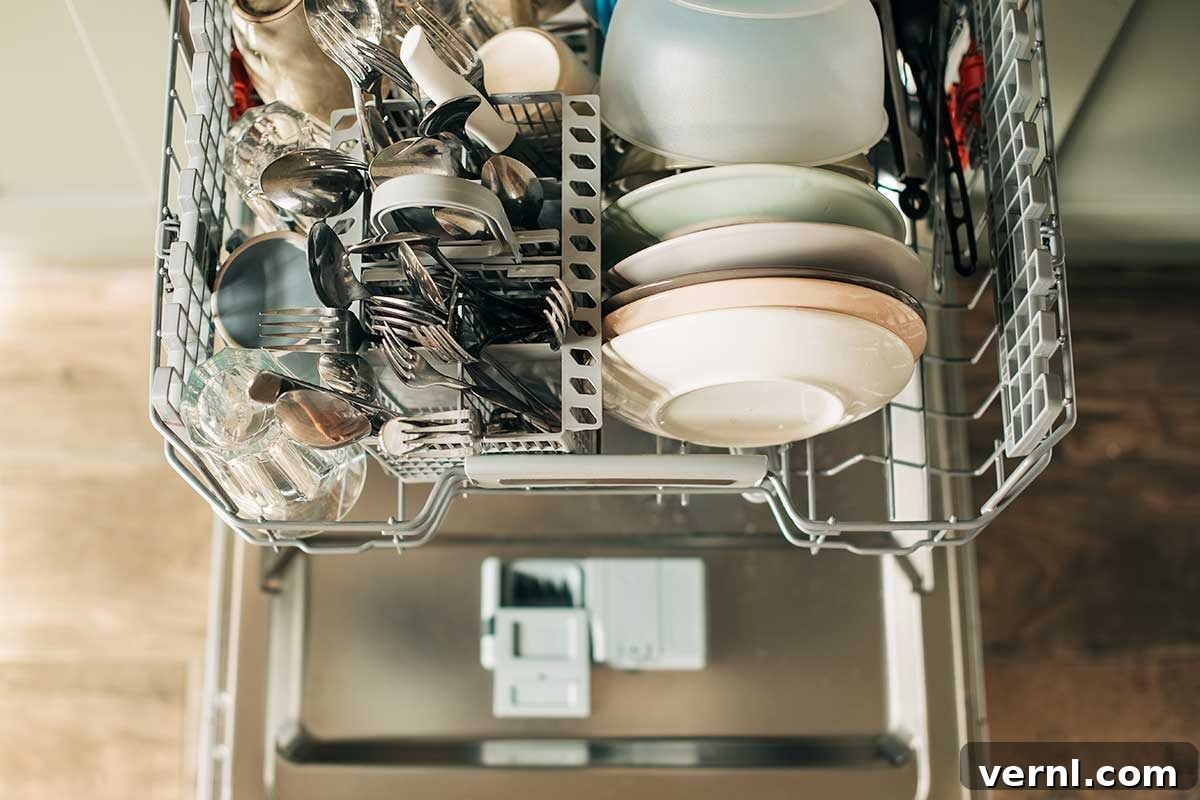
Unlocking Your Dishwasher’s Full Potential: A Deep Dive into Its Compartments
The dishwasher stands as a true marvel of modern convenience, a beloved kitchen appliance that transforms the daunting chore of dishwashing into an effortless background operation. It doesn’t just save time and effort; it offers a level of cleanliness and hygiene that handwashing often struggles to match. Yet, despite its indispensable role, many users operate their dishwashers without a complete understanding of its intricate workings, particularly the often-overlooked compartments designed to optimize its performance. Do you truly know what each section of your detergent dispenser is for? Have you consulted your appliance’s manual? A comprehensive grasp of these features is crucial to achieving dishes that are not just clean, but truly sparkling and spotless.
At the heart of your dishwasher’s cleaning power lies the detergent dispenser, typically located on the inner side of the door. This compact hatch, often overlooked, houses several key compartments, each serving a distinct and vital purpose in the dishwashing cycle. Understanding their individual functions is the first step towards unlocking your machine’s peak efficiency and ensuring consistently pristine results. Let’s embark on a detailed exploration of these compartments, shedding light on their roles and how to utilize them correctly for an optimized dishwashing experience.
The Main Detergent Compartment: The Core of Cleanliness
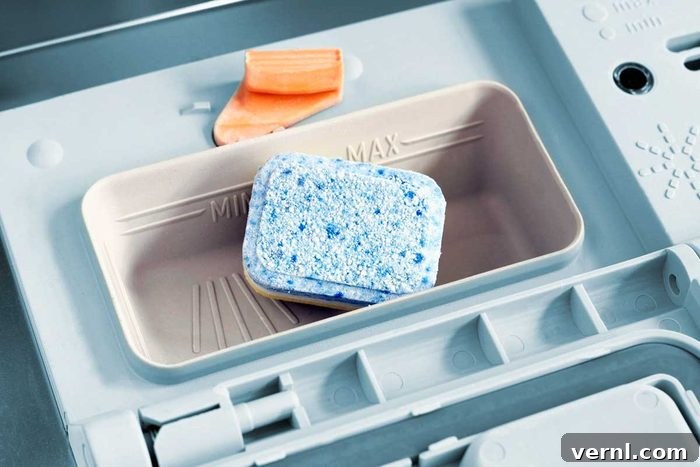
The compartment within the detergent dispenser that most users are inherently familiar with is the main detergent compartment. This is typically the largest and most prominent section, designed to hold the primary cleaning agent for your dishes. Whether you prefer the convenience of pre-measured dishwasher pods or the versatility of liquid detergent, this is where your main cleaning power resides before the wash cycle begins.
It is imperative to fill this compartment with detergent each and every time you run a load of dishes. For users of dishwasher pods, the dosage is conveniently pre-measured, ensuring a consistent amount of cleaning power with every cycle. Simply place one pod into this compartment, making sure the dispenser door can close completely. If your preference leans towards liquid or powder detergent, accurate measurement becomes paramount. Overdosing can lead to excessive suds, residue on dishes, and even potential damage to your machine over time, while underdosing will result in unsatisfactory cleaning performance. To ensure you’re using the correct amount for optimal results, always consult both your dishwasher manual and the specific instructions provided on your chosen detergent’s packaging. Factors such as water hardness, the size of your load, and the soil level of your dishes can influence the ideal detergent quantity, making your manual an invaluable resource.
During the dishwasher’s operation, the main compartment typically dispenses its contents later in the cycle, usually during the primary wash phase. This strategic timing allows the pre-wash (if utilized) to loosen stubborn food particles first, ensuring the main detergent can then tackle the remaining grime with maximum efficacy. Understanding this sequence is key to appreciating the engineering behind your clean dishes.
The Pre-Rinse Compartment: Tackling Tough Grime First
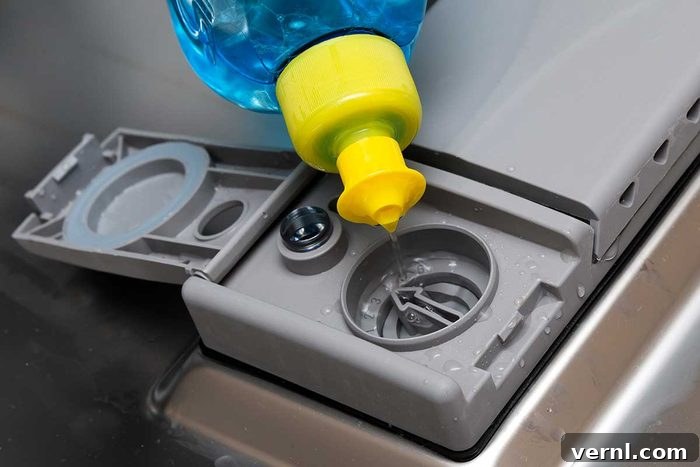
Adjacent to the main compartment, you’ll find a smaller, often narrower section known as the pre-rinse or pre-wash compartment. While sometimes overlooked, this compartment plays a crucial role in achieving immaculate results, especially when dealing with heavily soiled dishes or dried-on food particles. It’s specifically designed to hold an extra dose of detergent that is dispensed at the very beginning of the wash cycle, effectively acting as a preliminary cleaning stage.
The primary function of the pre-rinse compartment is to “prep” your dishes before the main wash begins. The detergent placed here is released early in the cycle, mixing with the initial water fill to loosen and break down stubborn food residues, dried sauces, or baked-on grease. This initial cleaning action significantly improves the effectiveness of the main wash, preventing tough stains from becoming permanent fixtures on your dishware. It’s particularly beneficial for loads containing pots and pans, casserole dishes, or after large meals where food might have had time to dry and harden.
Just like the main compartment, if you choose to utilize the pre-rinse compartment, it needs to be filled each time you run a relevant load of dishes. Due to its typically narrow design, this compartment is generally best suited for liquid or powder detergent. Dishwasher pods, which are pre-measured and often larger, rarely fit properly within this smaller section. Therefore, if you primarily use pods but encounter an exceptionally dirty load, consider keeping a small bottle of liquid detergent on hand specifically for these situations. This strategic use of the pre-rinse compartment can often negate the need for manual pre-rinsing of dishes, thereby saving water and time. However, it’s crucial not to overfill this compartment, as too much detergent can lead to excessive suds or residue.
The Rinse Aid Compartment: The Secret to Spotless Shine
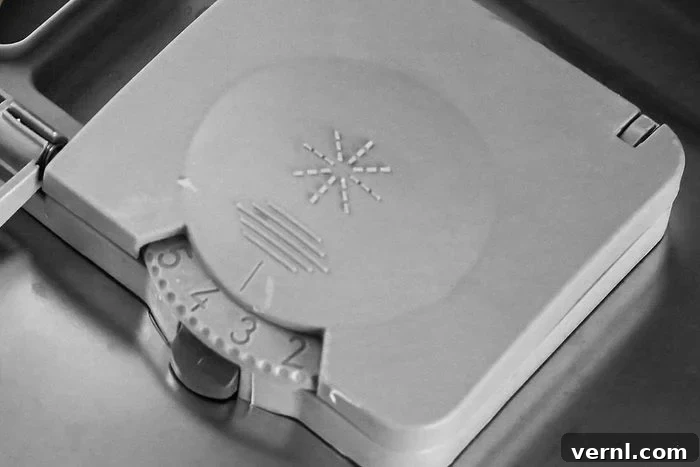
Finally, your detergent dispenser features a rinse aid compartment – a often-misunderstood but incredibly powerful component. Despite the slight similarity in names to the “pre-rinse” compartment, the rinse aid compartment serves an entirely different and vital purpose. It does not hold detergent of any kind; instead, it is designed exclusively for rinse aid, a specialized solution that significantly enhances drying performance and prevents unsightly water spots and streaks on your clean dishes.
Rinse aid works by reducing the surface tension of water. This allows water to “sheet” off dishes, glassware, and cutlery more effectively during the final rinse cycle, rather than clinging and forming droplets that leave mineral deposits (water spots) as they evaporate. The benefits are immediately noticeable: dishes dry much faster, often without the need for towel drying, which not only saves you time but also contributes to energy efficiency by reducing the reliance on heated drying cycles. Furthermore, it leaves glassware sparkling, cutlery gleaming, and plastic items significantly drier, minimizing the need for manual touch-ups.
Unlike the main and pre-rinse compartments, the rinse aid compartment does not need to be refilled with every load. You simply fill the compartment to its indicated level, and the dishwasher will automatically dispense a small, precise amount of rinse aid during each appropriate cycle. Most modern dishwashers are equipped with an indicator light or a clear window that signals when the rinse aid level is getting low, prompting you to top it up. For optimal results, it’s a good practice to check this compartment regularly and refill it when needed. Some dishwasher models even allow you to adjust the amount of rinse aid dispensed, which can be particularly useful in areas with very hard or very soft water to fine-tune your results.
Beyond the Compartments: Maximizing Your Dishwasher’s Performance
Understanding the functions of each compartment in your dishwasher’s dispenser is a significant step towards achieving superior cleaning results. However, optimizing your dishwasher’s performance involves a holistic approach that extends beyond just the detergent and rinse aid. Here are some additional best practices to ensure your appliance consistently delivers the immaculate clean you expect:
- Proper Loading Techniques: Avoid overcrowding your dishwasher. Dishes need space for water and detergent to circulate effectively. Face dirtier sides towards the spray arms, avoid nesting items, and ensure taller items don’t block the spray arms’ rotation. Silverware should ideally be mixed in the basket, with some handles up and some down, to prevent spooning and ensure all surfaces are cleaned.
- Scraping, Not Rinsing: Modern detergents contain enzymes designed to break down food particles. Excessive pre-rinsing can wash away these particles, leaving the enzymes with nothing to target, potentially reducing cleaning effectiveness. Simply scrape large food scraps into the trash before loading.
- Regular Maintenance: Your dishwasher requires occasional care. Periodically clean the filter, located at the bottom of the tub, to remove trapped food particles. Check the spray arms for clogged nozzles and clear them if necessary. Running a specialized dishwasher cleaner or a cup of white vinegar on an empty hot cycle can help remove grease buildup and mineral deposits.
- Water Temperature: Ensure your hot water heater is set to an adequate temperature (around 120-125°F or 49-52°C). Hot water is crucial for activating detergents and dissolving grease and food residues effectively.
- Choosing the Right Cycle: Don’t always default to the “normal” cycle. Your dishwasher likely offers various settings like “heavy,” “light,” “quick wash,” and “sanitize.” Select the cycle that best matches the soil level and type of dishes you’re washing for optimal resource utilization and cleaning performance.
- Read Your Manual: This cannot be stressed enough. Every dishwasher model is unique. Your appliance’s manual contains specific instructions for loading, detergent recommendations, maintenance schedules, and troubleshooting tips tailored to your machine. It is the ultimate guide to getting the most out of your dishwasher.
The Environmental and Economic Benefits of Smart Dishwashing
Beyond the immediate satisfaction of clean dishes, understanding and correctly utilizing your dishwasher’s compartments contributes to significant long-term benefits. Proper detergent and rinse aid use, coupled with intelligent loading and maintenance, can lead to:
- Reduced Water Consumption: An efficiently running dishwasher, used with appropriate cycles and detergents, often consumes less water than handwashing a similar number of dishes.
- Energy Savings: Faster drying times due to rinse aid can reduce the need for energy-intensive heated dry cycles. Optimal cleaning means fewer re-washes, saving electricity.
- Extended Appliance Lifespan: Regular cleaning, correct detergent use, and proper loading reduce strain on internal components, preventing clogs and buildup, thus extending the life of your valuable appliance.
- Cost Savings: Avoiding double washes, using the correct amount of detergent, and preventing costly repairs due to misuse all contribute to saving money over time.
In conclusion, your dishwasher is a sophisticated appliance designed for efficiency and convenience. By taking a few moments to truly understand its components, particularly the often-misunderstood main, pre-rinse, and rinse aid compartments, you can dramatically improve its performance. This knowledge empowers you to achieve consistently brilliant results, extend the life of your machine, and contribute to a more sustainable kitchen routine. So, the next time you load your dishes, take a moment to consider the power held within that small dispenser door – it’s the key to truly sparkling clean every time. A well-informed user is an empowered user, leading to a happier home and impeccably clean dishes.