
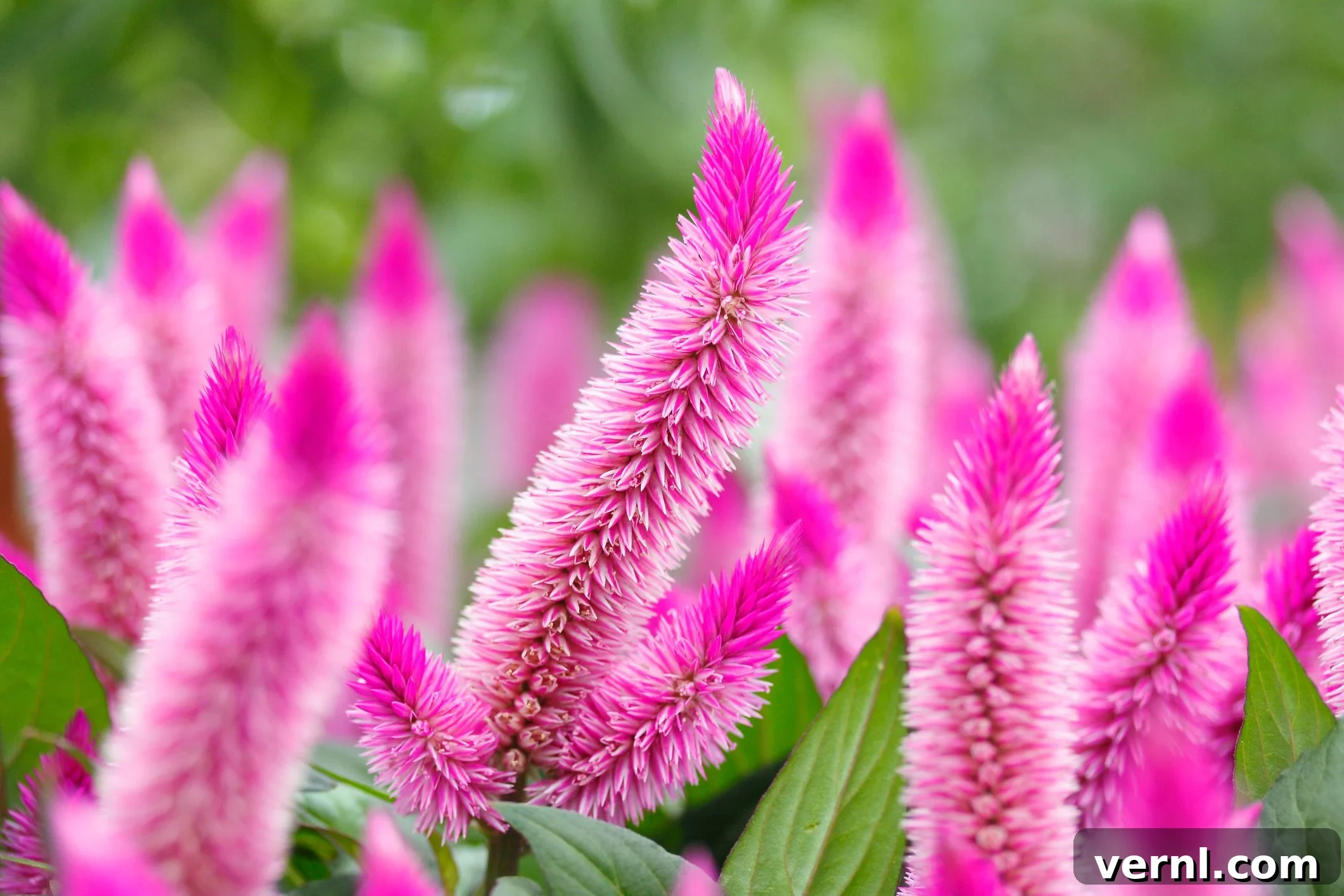
Discovering Celosia: The Flame-Like Beauty for Your Garden
As the vibrant hues of summer begin to mellow, garden centers often burst with a new palette of colors, signaling the arrival of autumn. Lately, I’ve noticed my local greenhouse bringing in more than just mums for replenishing fall container plantings. Among these new seasonal additions, several types of celosia truly stand out. Their fiery reds, sunny yellows, and warm oranges are absolutely perfect for capturing the essence of fall, adding an unexpected and delightful pop to any landscape.
I am particularly drawn to the plume-type celosias, whose magnificent flowers truly resemble dancing flames. These varieties are exceptional for adding both impressive height and a splash of rich fall color, all within a single, striking plant. Then there are the intriguing cockscomb varieties of celosia, with their velvety, brain-like flowers that possess an almost otherworldly charm. What could be a more perfect or uniquely themed flower for a memorable Halloween container arrangement or a quirky autumn display?
What Is Celosia? Unveiling a Garden Gem
Celosia, pronounced suh-LOH-shee-uh, is a truly unusual and captivating flower that belongs to the Amaranth family (Amaranthaceae), sharing kinship with the ancient grain, Amaranth, and other ornamental favorites like globe amaranth (Gomphrena) and Joseph’s Coat (Alternanthera). Its name originates from the Greek word ‘kelos,’ meaning ‘burned,’ a fitting description for the flame-like appearance of many of its varieties.
This diverse genus encompasses a range of striking forms, earning it several other common names such as cockscomb, due to its resemblance to a rooster’s comb; woolflower, for its soft, often fuzzy texture; and feather celosia or plume celosia, highlighting its delicate, feathery plumes. While most people cultivate celosia primarily for its dazzling and long-lasting blooms, the leaves of some varieties are actually edible. They are a staple in certain African and Asian cuisines, offering a nutritious green packed with vitamins and minerals, often used similarly to spinach.
Beyond its aesthetic and culinary appeal, Celosia also boasts a practical advantage for many gardeners: it is generally considered deer-resistant. This means that for the most part, deer don’t typically bother with it, making it a valuable choice for gardens in areas where deer browsing is a concern, unless food sources become extremely scarce.
Is Celosia a Perennial? Understanding its Life Cycle
For the vast majority of gardeners in temperate climates, the simple answer is no, Celosia is not a perennial. It is primarily grown as a tender annual. This means that in these regions, the plant completes its entire life cycle—from germination to flowering and setting seed—within a single growing season. Once the first hard frost of fall arrives, the plant succumbs to the cold and is done for the season.
However, the definition shifts in warmer climates. In tropical and subtropical regions, specifically within U.S. Department of Agriculture Plant Hardiness Zones 10 and 11, Celosia can indeed be grown as a short-lived perennial. In these frost-free environments, it has the ability to survive for a few years, continuously producing its vibrant blooms. Even in these zones, its lifespan as a perennial is often limited, and many gardeners still choose to treat it as an annual, replanting each year to maintain vigor and ensure the best display of flowers. Understanding this distinction is key to successful cultivation and managing your expectations for this beautiful plant.
Keeping Celosia Blooming: Secrets to a Season-Long Display
Whether you’re cultivating Celosia as a beloved annual or enjoying its brief perennial life in warmer zones, encouraging it to produce a continuous flush of flowers is a rewarding endeavor. The primary secret lies in understanding the plant’s natural drive to reproduce. By intercepting this process, you can redirect its energy towards creating more blooms.
The Art of Deadheading for Prolonged Beauty
One of the most effective techniques is cutting off old blooms before they set seed. This practice, known as deadheading, is crucial. When a flower fades, the plant’s natural instinct is to produce seeds to ensure the next generation. If you remove these spent flowers, the plant doesn’t receive the signal to stop flowering and start diverting energy into seed production. Instead, it directs that energy back into producing new branches and, consequently, more glorious flowers. To deadhead properly, use sharp scissors or snips and cut the spent flower stalk back to a set of healthy leaves or a developing side shoot. This encourages the plant to branch out and produce more blooms from these new growth points.
Pinching for Bushier Plants and Abundant Flowers
Another powerful technique, particularly beneficial when the plant is young, is pinching. When your Celosia seedling is approximately four to six inches tall and has developed several sets of true leaves, carefully pinch or cut off the growing tip of the main stem. This seemingly counterintuitive action encourages the plant to grow bushier and produce multiple stems rather than focusing all its energy on a single main stalk. More stems mean more potential for flowers, leading to a much fuller and more floriferous plant. Use your fingernail or sharp, clean snips to remove the very top growth, just above a leaf node. This initial sacrifice will be amply rewarded with a stunning display of blooms throughout the season.
Essential Care for Continuous Blooms
Beyond deadheading and pinching, consistent cultural care plays a vital role in sustaining Celosia’s blooming power. Ensure your plants receive adequate sunlight – at least 6-8 hours of direct sun daily is ideal. Provide consistent moisture, especially during dry spells, but avoid waterlogging the soil. A balanced liquid fertilizer applied every few weeks during the peak growing season can also give your plants the nutrients they need to keep producing those magnificent flowers.
Can You Divide Celosia? Exploring Propagation Methods
Unlike many traditional perennial plants that can be easily dug up and divided to create new specimens, Celosia does not lend itself to this method of propagation. Its root system is not structured in a way that allows for successful division. Where Celosia grows as an annual, gardeners typically acquire new plants each spring. There are two primary ways to do this: purchasing established plants from nurseries or starting them from seed.
Starting Celosia from Seed
Starting Celosia from seed is a popular and cost-effective method. Seeds can be started indoors six to eight weeks before the average last frost date in your area. This gives them a head start, allowing them to establish robust root systems before being transplanted outside. Celosia seeds require warmth (around 70-75°F or 21-24°C) and light to germinate, so surface sow them on a well-draining seed-starting mix and lightly cover or simply press them into the soil. Once seedlings emerge and grow a few sets of true leaves, they can be thinned or transplanted into individual pots. Before moving them outdoors permanently, it’s crucial to “harden off” the seedlings by gradually exposing them to outdoor conditions over a week or two, which helps them adapt to the sun, wind, and fluctuating temperatures.
Purchasing Transplants
For those who prefer a quicker route or have limited space for seed starting, purchasing young Celosia transplants from local garden centers in the spring is an excellent option. Look for healthy, compact plants with good color and no signs of pests or disease. This method ensures an immediate impact in your garden or containers.
Even in regions where Celosia might behave as a short-lived perennial, it still doesn’t lend itself to being dug up and divided. Instead, in these zones, it might self-sow (as discussed below) or simply be replaced by new plants when its vigor declines after a few years.
How Do You Prepare Celosia for Winter? Seasonal Care Strategies
Because Celosia is predominantly grown as an annual flower in most parts of the world, its winter preparation is straightforward: it needs none. The plant’s life cycle is completed by the end of the growing season, and the onset of frost will invariably kill it. Once this happens, the plant will wither and die back. At this point, it’s time for routine garden cleanup. You can pull out the dead Celosia plants as you clean up the garden for the winter, making sure to remove all plant debris. It’s particularly important to be careful not to let its seeds scatter everywhere if you wish to avoid volunteers the following spring (see the section on self-sowing).
In the rare areas where Celosia can survive the winter as a tender perennial (USDA Zones 10-11), it will still benefit from some preparation if there’s any risk of a cold snap or an unusually low temperature. While it can tolerate light frosts in these zones, a prolonged or harder freeze might still damage it. In such cases, protecting it with a frost cover or a thick layer of mulch around the base of the plant can provide sufficient insulation to help it survive and return vigorously in the spring. However, this is only applicable in regions where it is truly capable of overwintering; in colder climates, it’s simply a plant for one glorious season.
Does Celosia Self-Sow? Managing Volunteer Plants
Yes, some varieties of Celosia are quite adept at self-sowing, especially in warmer areas where the growing season is long and conditions are favorable for seed germination. If the flowers are allowed to mature and set seed, and those seeds subsequently drop to the ground, you may very well find an abundance of little Celosia seedlings popping up in that area the following spring. These volunteer seedlings can sometimes create the impression that Celosia is acting like a perennial, but it’s important to remember that these are simply new annual plants emerging from dropped seeds, rather than the original plant regenerating.
Implications of Self-Sowing
There are a couple of key implications to consider with self-sowing Celosia. Firstly, while it can provide a pleasant surprise of free plants, depending on the specific variety of Celosia you initially planted, these volunteer seedlings may not produce flowers with the exact same color, form, or characteristics as the parent plant. Many popular Celosia cultivars are hybrids, meaning their seeds may not “come true” from seed, resulting in offspring that revert to a less desirable or different ancestral trait. Secondly, if left unchecked, self-sowing can sometimes lead to Celosia becoming somewhat weedy or overly crowded in certain parts of the garden. If you wish to avoid a profusion of volunteers or maintain specific plant characteristics, it’s best to deadhead consistently before seeds can mature and drop. If you do enjoy the unexpected volunteers, you can thin them out to ensure adequate space for healthy growth.
Can Celosia Grow Indoors? Challenges and Considerations
Given Celosia’s vibrant colors and unique forms, it’s tempting to consider bringing smaller varieties indoors to enjoy as houseplants. However, while it might seem like a good idea, Celosia plants are generally not well-suited to thriving in an indoor environment for an extended period. They typically struggle to adapt to the conditions found inside most homes.
Key Challenges for Indoor Celosia
- Light Requirements: Celosia demands abundant sunlight, ideally six to eight hours of direct sun daily. Most indoor settings, even near a bright window, simply cannot provide the intensity and duration of light that Celosia needs to truly flourish and produce its impressive blooms. Insufficient light will lead to leggy, weak growth and very sparse flowering.
- Humidity: While Celosia prefers warm conditions, outdoor environments often have better air circulation and a more natural balance of humidity. Indoor air, especially during heating seasons, can be too dry, which might stress the plant.
- Space: Even the “smaller” varieties of Celosia can grow quite substantially, sometimes reaching two to three feet tall. This makes them quickly outgrow typical houseplant spaces. Digging up a mature plant from outside, repotting it, and relocating it indoors rarely works well; the shock of transplanting, combined with the drastic change in environment, often leads to the plant declining rapidly.
- Pests: Indoor environments can also be breeding grounds for common houseplant pests like spider mites and aphids, which can quickly infest a stressed Celosia plant.
While you might be able to keep a small Celosia plant alive indoors for a short period, perhaps to enjoy a last burst of color before the first frost, it’s unlikely to thrive or maintain its vigor. Celosia truly excels as an outdoor plant, where it can bask in full sun, enjoy good air circulation, and reach its full, spectacular potential.
Types of Celosia: A Spectrum of Shapes and Textures
The world of Celosia is wonderfully diverse, primarily categorized into three main types, each offering a unique visual appeal for gardeners. Understanding these types allows for intentional design and creative uses in your garden.
1. Plume Celosia (Celosia argentea var. plumosa)
Also known as Feather Celosia or Plumed Celosia, this is perhaps the most recognized type. It features soft, feathery, upright plumes of flowers that resemble colorful flames or elegant ostrich feathers. These soft, upright spires create a sense of movement and drama in the garden. Plume celosias come in a stunning array of colors, including vibrant reds, sunny yellows, fiery oranges, rich pinks, and even purples. They are excellent for adding vertical interest to flower beds, mixed borders, and containers. Many varieties are also superb as fresh cut flowers, lasting a long time in a vase, and they dry beautifully, retaining much of their color. Popular cultivars include the ‘Kimono’ series (compact) and the ‘Flamingo’ series (taller).
2. Cockscomb Celosia (Celosia argentea var. cristata)
This type is truly unique and often elicits a double-take. Cockscomb Celosia produces fascinating, velvety flower heads that are densely ruffled and crested, resembling a rooster’s comb, a brain, or even coral. The textures are incredibly intricate and visually striking, making them ideal focal points. Their rich, deep colors, often in shades of red, burgundy, yellow, and orange, are incredibly intense. Cockscomb varieties are fantastic for creating a conversation piece in the garden, perfect for Halloween-themed plantings, or simply for adding an architectural element to containers. They also make spectacular fresh and dried cut flowers, holding their unusual shape and color remarkably well. Examples include the ‘Crested Mix’ and ‘Chief’ series.
3. Wheat Celosia (Celosia spicata)
Sometimes called Spicata Celosia or Wheat Straw Celosia, this type is characterized by more slender, spiky, or bottlebrush-like flowers that somewhat resemble heads of wheat. While perhaps less flamboyant than the plume or cockscomb varieties, Wheat Celosia offers a more understated elegance and a rustic charm. Its blooms are typically in shades of pink, purple, or red, often with silvery undertones, and they have an excellent long blooming period. Wheat Celosia is wonderful for cottage gardens, naturalistic plantings, or for adding a delicate texture to mixed beds. They also make good cut flowers, particularly for adding an airy quality to arrangements. ‘Celosia spicata ‘Ruby Parfait” is a well-known cultivar.
Celosia Plant Care Essentials: Nurturing Your Vibrant Blooms
To ensure your Celosia plants thrive and deliver their full spectacular display, providing the right growing conditions and consistent care is essential. These resilient annuals are generally easy to grow, but a few key elements will make all the difference.
Sunlight Requirements: The Key to Color
Celosia is a sun-worshipper. It absolutely thrives in full sun, meaning it needs at least six to eight hours of direct sunlight every day. The more sun it receives, the more vibrant its colors will be, and the more abundant its blooms. In partial shade, Celosia will become leggy, produce fewer flowers, and its colors may appear less intense. Choose the sunniest spot in your garden or on your patio for the best results.
Soil Preferences: A Well-Drained Foundation
Well-draining soil is paramount for Celosia. It dislikes “wet feet” and can quickly succumb to root rot in waterlogged conditions. The ideal soil should be rich in organic matter, which improves drainage while also providing essential nutrients. A slightly acidic to neutral pH (between 6.0 and 7.0) is generally preferred. If you have heavy clay soil, amend it generously with compost, well-rotted manure, or other organic materials to improve its structure and drainage. For container growing, use a high-quality potting mix that drains freely.
Watering: Consistent Moisture, Not Soggy
Consistent moisture is important for young Celosia plants and those growing in containers. Water regularly, especially during dry spells, aiming to keep the soil evenly moist but never saturated. Check the soil moisture by sticking your finger about an inch or two deep; if it feels dry, it’s time to water. Once established in the garden, Celosia shows a surprising degree of drought tolerance, though regular watering will always result in a more robust and floriferous plant. Avoid overhead watering late in the day, as wet foliage overnight can encourage fungal diseases.
Fertilization: Fueling the Blooms
Celosia benefits from moderate fertilization. When planting, incorporate some slow-release granular fertilizer into the soil. For plants in containers or those in garden beds that have been in place for a while, a balanced liquid fertilizer (such as a 10-10-10 or a formulation slightly higher in phosphorus for blooming) can be applied every two to four weeks during the peak growing season. Be careful not to over-fertilize, particularly with high-nitrogen formulas, as this can lead to lush leafy growth at the expense of flower production.
Pest and Disease Management: A Resilient Choice
One of Celosia’s appealing qualities is its general robustness against most common garden pests and diseases. However, like any plant, it’s not entirely immune. Occasional issues may include aphids and spider mites, especially in hot, dry conditions or when plants are stressed. These can usually be managed with a strong spray of water or an application of insecticidal soap. Fungal diseases, such as powdery mildew or root rot, are usually a result of poor air circulation, overcrowding, or excessive watering. Ensuring good spacing, proper drainage, and avoiding overhead watering can largely prevent these problems. Good garden hygiene, like removing plant debris, also helps keep your Celosia healthy.
Uses of Celosia in the Garden: Beyond the Obvious
Celosia’s striking appearance makes it an incredibly versatile plant with numerous applications in garden design and home decor.
Container Gardening Star
Its compact and medium-sized varieties are ideal for container gardening, either as a standalone specimen or as the “thriller” in a mixed container arrangement. Their vibrant colors and unique textures add instant drama and sophistication to patios, balconies, and entryways.
Flower Beds and Borders
In traditional flower beds and borders, Celosia can be used to create impactful displays. Plume types add vertical accent and fiery color, while cockscomb varieties provide intriguing texture and a bold focal point. They pair beautifully with other fall annuals like mums, ornamental kale, or even other long-blooming summer flowers, extending the season of interest.
Cut Flower Gardens: Fresh and Dried
Celosia is a dream for cut flower enthusiasts. Its long-lasting blooms are excellent in fresh bouquets, adding a unique form and intense color. Even better, many varieties dry exceptionally well, retaining their color and shape for everlasting arrangements. This makes them a favorite for crafters and those who enjoy bringing garden beauty indoors for months.
Edible Greens (Specific Varieties)
While less common in Western gardens, the leaves of certain Celosia varieties are a valuable leafy green, especially in tropical climates. If you are adventurous and source edible varieties, they can be harvested young and cooked like spinach, offering a nutritious addition to your diet.
Pollinator Gardens
Despite their sometimes-unusual appearance, Celosia flowers can attract pollinators, including bees and beneficial insects, contributing to the biodiversity of your garden.
Common Celosia Problems and Solutions: Troubleshooting Your Plants
While generally robust, Celosia can occasionally encounter issues. Knowing how to diagnose and address these problems will help keep your plants looking their best.
Leggy Growth
If your Celosia plants are stretching, looking spindly, and producing fewer flowers, they are likely suffering from a lack of adequate sunlight. This is a common issue when grown in partial shade.
Solution: Ensure your Celosia receives at least 6-8 hours of direct sunlight daily. If growing in containers, move them to a sunnier location. For garden beds, consider transplanting or choosing a sunnier spot next season. Pinching young plants can also help promote bushier growth.
Lack of Blooms or Small Flowers
Beyond insufficient sunlight, a scarcity of flowers can be attributed to several factors. Excessive nitrogen fertilizer promotes lush foliage growth at the expense of flowers. Inconsistent watering can also stress the plant, reducing bloom production.
Solution: Use a balanced fertilizer or one slightly higher in phosphorus to encourage blooming, and fertilize judiciously. Ensure consistent watering, especially during dry spells, without overwatering. Remember to deadhead spent blooms to encourage new flower production.
Pest Infestations
Celosia is relatively pest-free, but aphids and spider mites can sometimes become a problem, particularly in hot, dry, or crowded conditions.
Solution: Regularly inspect your plants. For aphids, a strong spray of water from a hose can often dislodge them. For spider mites, which create fine webbing on the undersides of leaves, insecticidal soap or neem oil can be effective. Ensure good air circulation around plants to deter pests.
Fungal Issues (Root Rot, Powdery Mildew)
Fungal diseases are usually a sign of environmental stress, most often related to excessive moisture and poor air circulation. Root rot occurs in waterlogged soil, while powdery mildew appears as a white, powdery coating on leaves, especially in humid conditions with poor air flow.
Solution: Plant Celosia in well-draining soil and avoid overwatering. Ensure plants are spaced adequately to allow for good air circulation. Water at the base of the plant to keep foliage dry, especially in the evening. If powdery mildew appears, fungicides or homemade solutions of baking soda can help, but prevention is key.
Harvesting Celosia Flowers: Enjoying Your Bountiful Crop
One of the most satisfying aspects of growing Celosia is the ability to harvest its stunning flowers for both fresh and dried arrangements. Their unique textures and brilliant colors make them a florist’s favorite and a home gardener’s delight.
For Fresh Bouquets
To enjoy Celosia in fresh cut flower arrangements, harvest the blooms when they are fully open but before they start to show any signs of fading. The best time to cut flowers is in the morning after the dew has dried, as the stems will be turgid and full of water. Use sharp scissors or a floral knife to make clean cuts. Remove any foliage that would fall below the waterline in your vase to prevent bacterial growth. Place the cut stems immediately into a bucket of water to “condition” them for a few hours before arranging. Freshly cut Celosia can last for one to two weeks in a vase with proper care and regular water changes.
For Dried Arrangements
Celosia is one of the best flowers for drying, retaining much of its vibrant color and intricate form. For optimal drying, harvest the flowers when they are at their peak, fully open and vibrant. Cut stems long, removing all leaves. The most common and effective method for drying Celosia is air drying. Gather small bunches of 3-5 stems and secure them with a rubber band or twine. Hang the bunches upside down in a warm, dark, well-ventilated area, such as an attic, closet, or unused room. Darkness helps preserve the color. Avoid humid locations, as this can lead to mold. Depending on humidity levels, drying can take anywhere from two to four weeks. Once completely dry, the flowers will feel stiff and papery. They can then be used in everlasting arrangements, wreaths, or other crafts, providing lasting beauty from your garden harvest.