How Composting With Manure Can Benefit Your Garden
No jokes here, just straightforward information on how composting with manure will help you to improve your garden's health.
When I was first learning to grow food, I wandered through a nursery stacked high with pallets of brightly-colored bags of soil and compost. That made me wonder: Which would give my garden plants the best chance of survival? I'd never even considered composting with manure before.
When I got to the composted manure row, I suddenly had a lot of other questions. Is it safe? Will it smell? Are there actual pieces of sheep poop in that bag?
The answers, I eventually learned, were yes, no and no. I also learned composted manure is a great natural tool for giving fruits and vegetables the nutrition they need, without relying on synthetic fertilizers.
What Is Composted Manure?
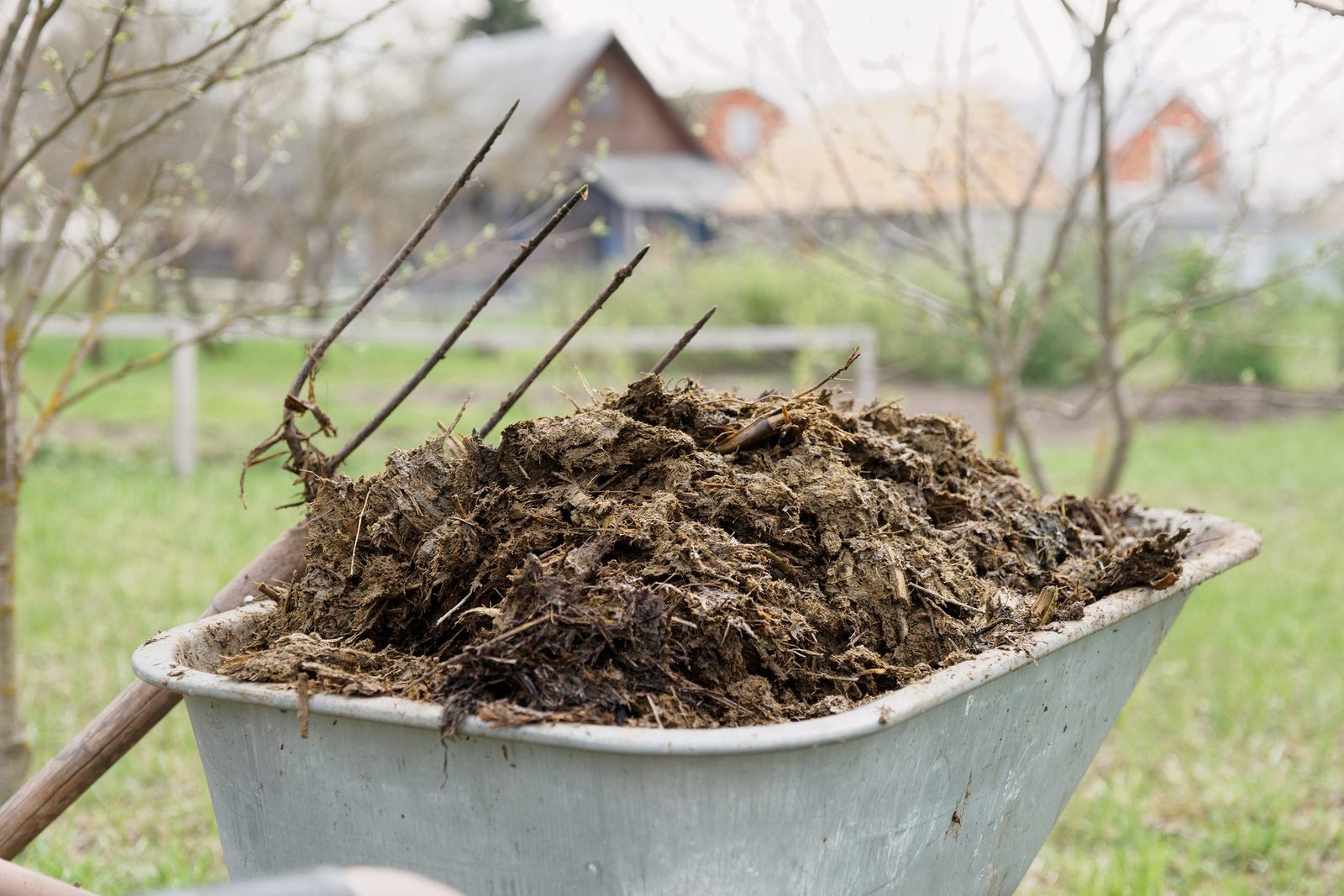
Composted manure is animal manure left to decompose. It can then be used as a nutrient-rich soil amendment for gardens. It no longer smells or contains dangerous pathogens. It may be made solely from manure, but most often it contains other composted materials like straw or sawdust.
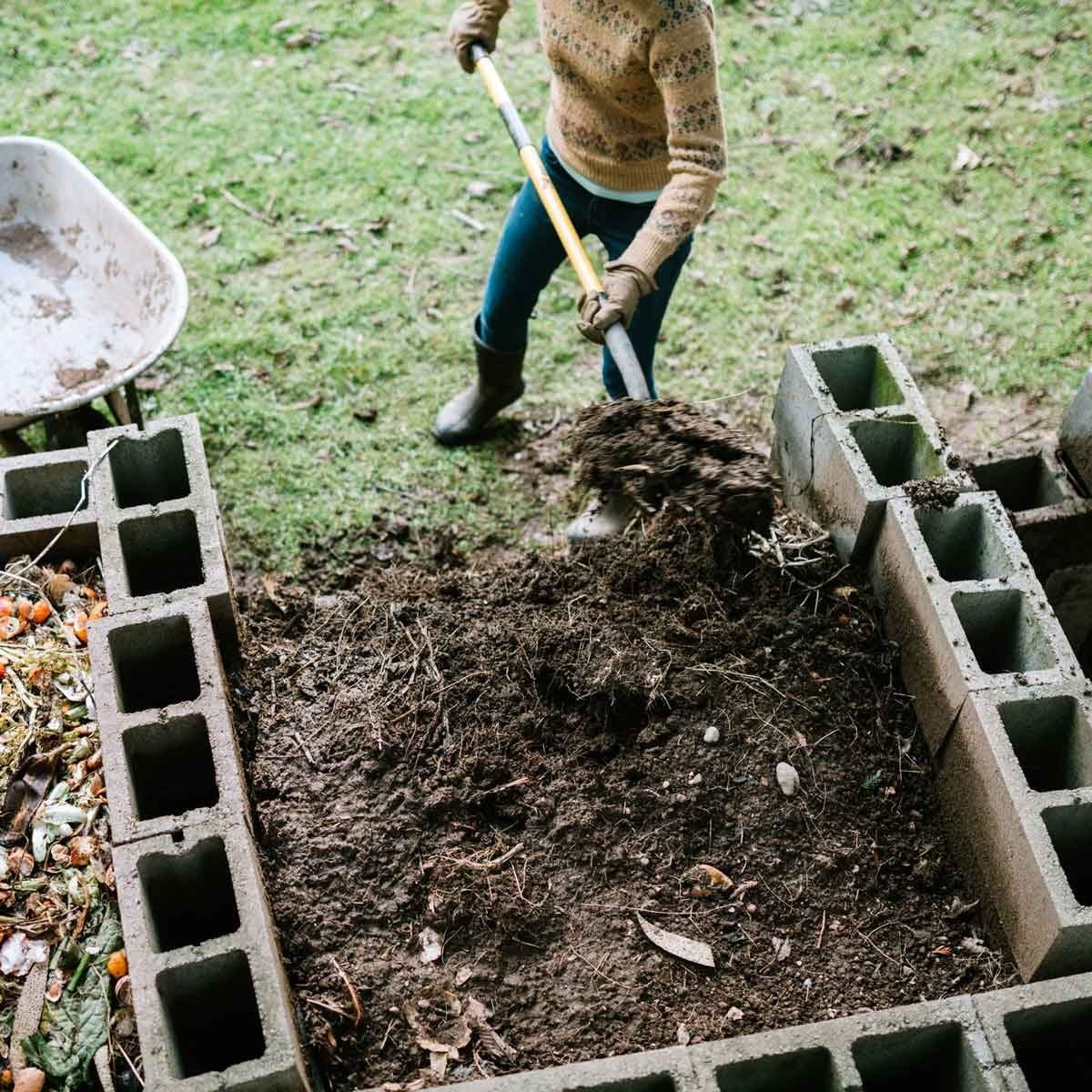
"Either way, manure is high in organic matter and nutrients that are essential to plant growth," says Barbara Shea, a master gardener with Tertill. The more common commercial mixtures come from horses, cows and chickens. People also use manure from sheep, rabbits, goats, ducks and llamas. The waste from nearly any herbivore is fair game for vegetable gardens because they eat mostly hay and grass and aren't prone to pathogens like pigs are. "Cats and dogs are carnivores, and their waste shouldn't be composted because they may contain parasites," says Shea. "Horse and donkey waste tends to have the least nitrogen, cow manure has the most nutrients, and chicken manure is usually less expensive and more readily available, especially with the proliferation of people raising their own chickens." Most types of composted manure can be purchased from garden centers. If you want to make your own, you can find farmers, horse owners or even neighbors with a coop who are more than happy to give it away. People compost manure, rather than putting it directly onto their garden, to: "Fresh manure typically has high amounts of materials that can be harmful to plants, like ammonium, soluble nitrogen, salt and viable weed seeds," says Susan Mahr, retired master gardener program coordinator at the University of Wisconsin-Madison. "Composted manure has lower availability of nitrogen and will contribute more to the organic matter content of the soil compared to fresh manure." It's a process called hot composting. To become safe to use, manure must be heated above 145 F (you can check this with a long-probed compost thermometer). The heat happens naturally because decaying organic matter generates heat. Aerobic microorganisms, and sometimes earthworms, break down the manure and other organic materials, usually over a few months to a year. That results in a fiber and carbon-rich humus with nutrients including potassium, phosphorus and nitrogen. If you're interested in composting with manure and want to know if it's safe to DIY, the answer is yes. "You can absolutely make it yourself, if you're an experienced gardener and have the room, tools, time and raw materials," says Shea. But if you're a beginner, it's easier and safer to start with the stuff from the store. Never use pig, dog or cat feces in compost piles or in gardens, especially if you're growing food. Composted manure is an important source of organic matter for home gardens because it: "The most important benefit of manure is its ability to improve soil," says Shea. "As we know, healthy soil promotes healthy plants." The best time to spread composted manure is in fall or winter, depending on how severe your winters are. If your soil is already pretty good, you can just add a few inches on top of your beds. Otherwise, you'll need to thoroughly mix it into your existing soil, four to eight inches deep. If you end up spreading it in the spring, Mahr recommends waiting at least a month before planting. To mix it into the soil, you'll need these tools: "If you purchased bagged composted manure, the label on the package will tell you the nutrient content and application rates," says Mahr. If you're using the homemade variety, you'll need to experiment because farm animal manure varies in its nutrient content. You may also want test your soil to make sure the level of phosphorus isn't too high and other nutrients are in balance. If you're unsure about the quality of your composted manure, mix a little of it with some sand and plant a few pea or bean seeds in a pot. If they sprout healthy and green, the compost probably has the right balance of nitrogen and carbon and is free of contaminants. Then, you can spread it across your garden. Yes. Composted manure works as a slow-release fertilizer, keeping soil moisture consistent and insulating the soil. In the fall or early spring, spread a two- to three-inch layer of composted manure over the surface of the soil. Keep it a good three to four inches away from shrubs or tree trunks. Rain and snow will leach nutrients into the soil for the worms, good bacteria and new spring plants. "Fresh manure is not an option here," says Shea. "It contains excessive amounts of nitrogen and can burn plants. In addition, some manure fertilizer consists of urine as well, which is also high in nitrogen." Yes, as long as it has been composted correctly. " manure can harbor parasites, such as E. coli, and tapeworm," says Shea. "Although the risk is low, the longer manure sits before use, the better chance these pathogens will be killed off." If composted manure still makes you squeamish, you can use traditional compost to fertilize your garden. Your compost pile should consist of one part greens (grass clippings, flowers, coffee grounds and vegetable scraps) and one part browns (things like twigs, cardboard, sawdust and dead leaves). Here's more on how to make compost. Yes you can use a store-bought compost activator to speed up the decomposition process in your compost pile. Other compost activator options include lime, blood meal, fish meal, rabbit food and dry dog food. Barbara Shea is a master gardener with Tertill, home of the solar-powered weeding robot. Tertill makes innovative products that help with the not-so-fun gardening stuff, like weeding and fertilizing, so you can spend your precious gardening time doing the things you love. Susan Mahr is a retired master gardener program coordinator at the University of Wisconsin-Madison. The Master Gardener Program supports a network of individuals dedicated to horticulture education, service, and lifelong learning. Through university research-based horticulture training, they are equipped to address needs and opportunities in their community and throughout the state. skyword_tracking_tagWhere Does Composted Manure Come From?
Why Does Manure Get Composted?
How Does Manure Get Composted?
Can You Make Composted Manure Yourself?
How to make composted manure
How Does Composting with Manure Benefit Garden Soil?
How To Use Composted Manure in the Garden
Can Composted Manure Be Used as Mulch?
Is Composting with Manure Safe?
FAQs
What materials can I use instead of manure?
Can I use store-bought compost activators instead of manure?
About the Expert