
Mastering Fall Lawn Care: When to Stop Mowing for a Healthier Lawn
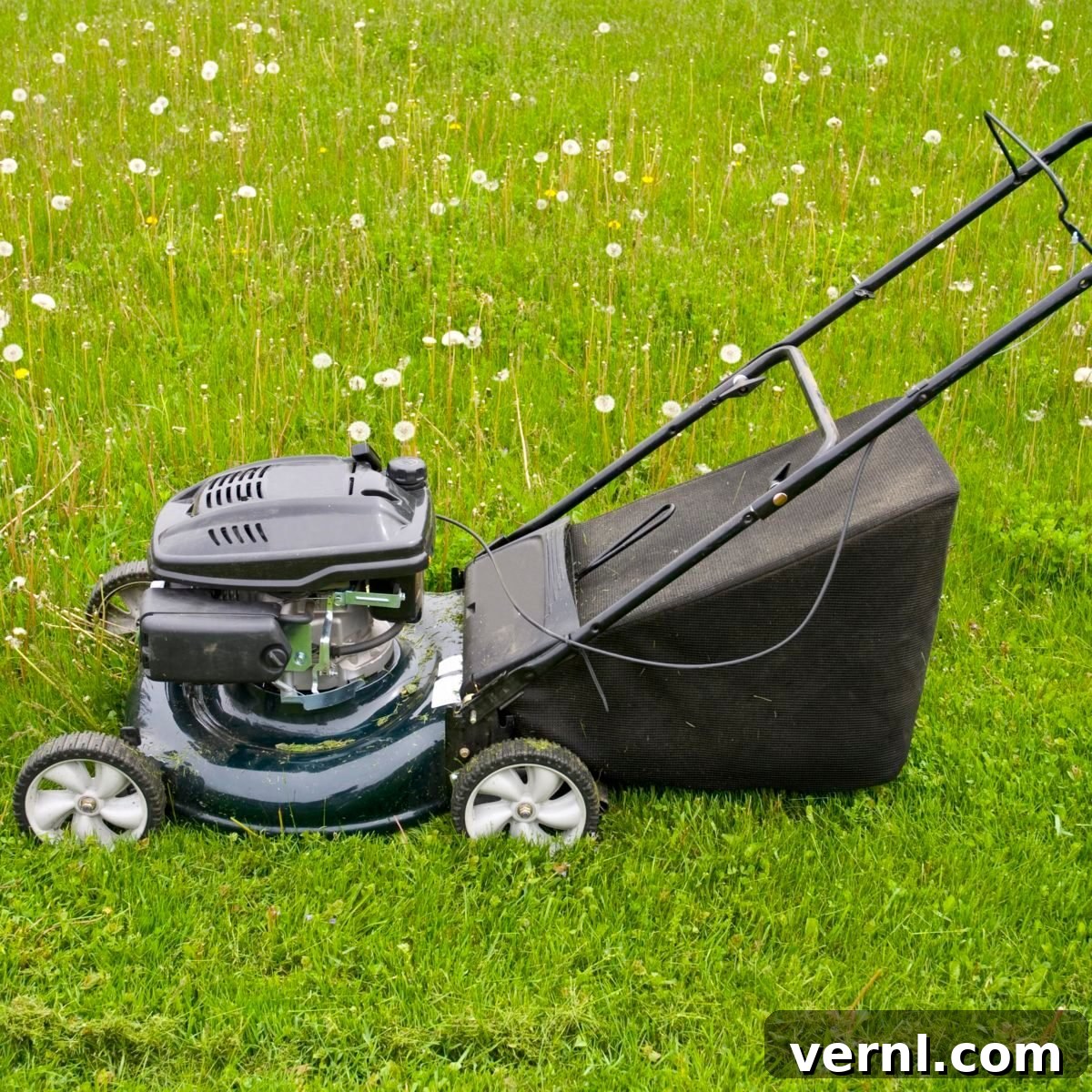
As the vibrant hues of summer fade into the warm, earthy tones of autumn, many homeowners eagerly anticipate a break from their regular lawn care routines, particularly mowing. The sight of the first yellow leaves often signals a time to put the mower away. However, for a significant portion of the country, this isn’t quite the case yet. Fall is a crucial period for your lawn’s health, and understanding its growth patterns during this season is key to ensuring it thrives come spring. While summer growth may slow, many grass types, especially cool-season varieties, experience a resurgence of growth in the fall before they truly enter dormancy for the winter. The exact timing of when to hang up your mower for the season depends largely on your specific grass type and geographical location.
Proper fall lawn care isn’t just about aesthetics; it’s a vital step in preparing your turf for the harsh conditions of winter and setting the stage for a lush, green rebound in the spring. Neglecting your lawn during this transitional period can lead to a host of problems, including disease, pests, and weakened roots. This comprehensive guide will help you understand the critical indicators for when to stop mowing, how to perform that final cut, and essential tips for maintaining a healthy lawn through dormancy.
Key Indicators: Knowing When to Stop Mowing Your Lawn
Determining the precise moment to halt your mowing efforts for the season can feel like a delicate balance. It’s not a fixed date on the calendar but rather a response to environmental cues that signal your grass is preparing for its winter slumber. By paying attention to these three primary indicators, you can make an informed decision that benefits your lawn’s long-term health.
1. Monitor Soil Temperature
Grass growth is inextricably linked to soil temperature, a factor often overlooked by homeowners. While air temperature fluctuates more dramatically, soil temperature provides a more consistent and accurate measure of what’s happening at the root level. Grasses don’t just stop growing overnight; their metabolic processes slow down as the soil cools.
- Cool-Season Grasses: Varieties like Kentucky bluegrass, fescues, and perennial ryegrass thrive in cooler temperatures. They will continue to grow actively in the fall and won’t go dormant until the soil temperature consistently reaches around 45 degrees Fahrenheit (7 degrees Celsius) or below. Below this threshold, root activity and blade growth significantly diminish.
- Warm-Season Grasses: Types such as Bermuda grass, Zoysia grass, and St. Augustine grass prefer warmer climates. Their growth slows considerably and they typically enter dormancy when soil temperatures drop to approximately 55 degrees Fahrenheit (13 degrees Celsius).
Understanding these thresholds is crucial. You can easily check local soil temperatures using online resources like Greencast Online, which provides real-time data for various regions. Regularly monitoring this metric will give you the most accurate gauge for your specific grass type.
2. Observe the Leaf Fall from Trees
The changing colors and eventual dropping of leaves from deciduous trees offer another visual cue regarding your lawn’s growth cycle. While not as scientific as soil temperature, it’s a practical indicator that many homeowners instinctively follow. As the canopy above your lawn thins out, more sunlight reaches the grass, but the overall environmental conditions are also shifting.
Generally, when approximately half of the leaves have fallen from nearby trees, it suggests that the ambient temperatures are consistently cooler, and daylight hours have significantly shortened. These conditions typically lead to a noticeable slowdown in grass growth. At this point, your mowing frequency can decrease, and you’re getting closer to that final cut. However, remember that fallen leaves can also pose a problem if left on the lawn, smothering the grass and creating an environment for disease, so regular raking or mulching is still important.
3. Watch for the First Hard Frost
For many, the first hard frost is the definitive sign that it’s time to put the mower away. A hard frost occurs when air temperatures drop to 32 degrees Fahrenheit (0 degrees Celsius) or below for several consecutive hours, causing ice crystals to form on surfaces, including grass blades. This event often marks the point where most grass varieties will cease active growth.
While a light, fleeting frost might just nip the tips of the blades, a sustained hard frost signals that the growing season is truly over for most grasses. The plant’s cells respond to these freezing temperatures by ceasing metabolic activity to protect themselves from damage, effectively entering dormancy. However, it’s important to remember that some extremely resilient cool-season grasses in milder climates might show sporadic growth even after a frost, so continuous observation of your specific lawn is always recommended.
The Final Cut: How Short Should You Mow Your Grass?
The length of your grass is a critical factor throughout the growing season, influencing everything from root development to weed suppression. While most experts recommend maintaining a height of approximately three inches during peak growth periods, the final cut before winter dormancy requires a different approach.
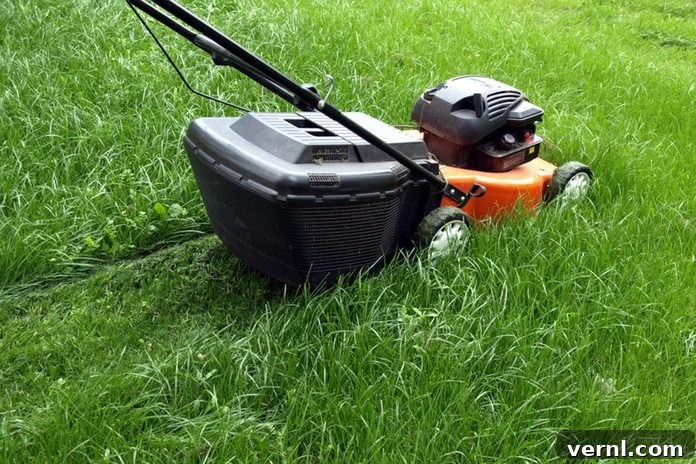
For the very last mow of the season, aim to cut your grass shorter than usual, typically between 1-1/4 inches to 1-1/2 inches (approximately 3 to 3.8 cm). This might seem counterintuitive, as cutting too short during the active growing season can stress your lawn. However, for the final cut, this shorter length serves several vital purposes that contribute to your lawn’s health over winter and its vigor in spring.
Benefits of a Shorter Final Cut:
- Prevents Organic Matter Buildup: Longer grass blades can mat down under snow and moisture, creating a thick layer of organic matter. This dense, damp environment is a breeding ground for various lawn diseases, including fungal infections. A shorter cut reduces this risk significantly.
- Deters Pests and Rodents: Taller grass provides excellent cover and nesting material for small rodents like voles and mice, which can burrow and damage your lawn during winter. A shorter lawn makes your yard less inviting for these unwelcome guests.
- Reduces Snow Mold Risk: Snow mold is a common fungal disease that appears as matted, gray, or pinkish patches on lawns emerging from under snow cover. It thrives in cool, moist conditions beneath a blanket of snow, especially when the grass is long and matted. A shorter cut helps to minimize the conditions favorable for snow mold development.
- Minimizes Winter Kill: “Winter kill” refers to the damage or death of turfgrass due to harsh winter conditions. While several factors contribute to winter kill, excessively long grass can trap more moisture and become more susceptible to freezing and thawing cycles that damage cells. A shorter, more open canopy allows for better air circulation and reduces moisture retention.
- Facilitates Spring Cleanup: A shorter lawn in the fall means less dead leaf material to rake or clean up in the spring, making your post-winter revival efforts much easier.
It’s important to note that this shorter cut should be done gradually over a few mowing sessions leading up to the final cut, rather than taking off a large amount of height all at once. The “one-third rule” still applies: never remove more than one-third of the grass blade’s total height in a single mowing session, even as you gradually lower the deck for the final cut.
Understanding Grass Growth Patterns by Season
A thriving lawn is a result of year-round care that aligns with its natural growth cycles. Understanding how your grass behaves in different seasons empowers you to provide the right care at the right time. Here’s a closer look at the typical patterns of grass growth throughout the year:
- Spring: The Awakening (High Growth)
After a period of winter dormancy, grass “wakes up” in the spring with a surge of vigorous growth. Cooler temperatures, increased rainfall, and longer daylight hours create ideal conditions for turfgrass to recover and expand. This is when you’ll notice your lawn growing rapidly, often requiring frequent mowing (typically once a week or more). Spring is also an excellent time for fertilizing, aerating, and addressing any winter damage. - Summer: The Slowdown (Moderate Growth)
As temperatures rise and rainfall can become less consistent, many grass varieties experience a slowdown in growth. Warm-season grasses thrive in the heat, but even they might slow down during extreme drought. Cool-season grasses, conversely, often go into a semi-dormant state to conserve energy during the hottest, driest parts of summer. During this period, proper watering becomes paramount, and mowing frequency might decrease. It’s crucial to avoid cutting the grass too short in summer, as a slightly longer blade provides shade to the soil and helps retain moisture. - Fall: The Rejuvenation (High Growth)
Fall is often considered the second spring for many lawns, especially those with cool-season grasses. As temperatures cool down, moisture levels increase, and light conditions become more favorable, grass roots begin to spread and strengthen extensively. This period of robust root development is critical for winter survival and spring vigor. Fall is the ideal time for core lawn care tasks such as overseeding, fertilizing, aerating, and repairing damaged areas. Grass blades will continue to grow vigorously until environmental cues signal dormancy, making regular mowing still necessary through much of the season. - Winter: The Pause (Dormancy)
With consistently dropping temperatures, freezing conditions, and often snow cover, grass growth comes to a halt. The grass changes color, typically turning tan or brown, as it channels all its energy into its root system for survival. This is the period of dormancy, a natural resting phase. During winter, you should stop mowing entirely and allow your lawn to rest undisturbed. Foot traffic on frozen or dormant grass can cause significant damage that may not heal until spring.
Essential Tips for Caring for Dormant and Nearing-Dormant Grass
As your lawn transitions into dormancy, your care strategy needs to adapt. While the heavy lifting of fertilization and overseeding might have been done earlier in the fall, there are still crucial steps you can take to ensure your grass survives winter and emerges strong in spring.
- Gradually Lower Mower Height: Don’t make the final cut a sudden drastic chop. Over several weeks leading up to the end of the season, gradually lower your mower deck. This allows the grass to adjust without causing undue stress. For instance, if you typically mow at 3 inches, you might go down to 2.5 inches for a couple of weeks, then 2 inches, and finally 1.5 inches for the last cut.
- Adhere to the One-Third Rule: Even when aiming for a shorter final cut, never remove more than one-third of the grass blade’s height in a single mowing session. Violating this rule can severely stress the grass, hindering its ability to store necessary nutrients for winter survival.
- Ensure Blades Are Sharpened: Dull mower blades tear grass blades rather than cutting them cleanly. These torn edges leave the grass vulnerable to disease and pests, especially as it prepares for dormancy. Sharpening your blades ensures a clean, healthy cut, which is even more important for the final cut of the season.
- Time Your Last Mow Before Frost (If Applicable): In regions that experience distinct frost events, try to time your last mow just before the first expected hard frost. This ensures the grass is at its optimal shorter height when it finally enters dormancy. After the ground freezes hard and growth ceases completely, there’s no need to mow.
- Remove Grass Clippings and Fallen Leaves: It’s critical not to leave thick layers of grass clippings or fallen leaves on your lawn as it enters dormancy. These layers can smother the grass, block essential sunlight and air circulation, and create a moist environment perfect for fungal diseases like snow mold. Mulching leaves into fine pieces can be beneficial, but large accumulations should be removed.
- Avoid Heavy Foot Traffic: Once the grass has gone dormant or the ground is frozen, avoid walking on it extensively. Dormant grass is brittle, and heavy foot traffic can easily break the grass blades and damage the crown of the plant, leading to brown patches that won’t recover until spring.
FAQs About Fall Mowing and Dormant Grass
Understanding the nuances of fall lawn care often brings up a few common questions. Here are answers to some of the most frequently asked inquiries to help you ensure a healthy lawn through winter.
How Can I Tell If My Grass Is Dead Or Just Dormant?
It’s a common concern to mistake dormant grass for dead grass, especially when it turns brown. Here’s how to differentiate:
- Dormant Grass: Typically appears tan or light brown, but the blades still feel somewhat pliable. The crown (the base of the plant where the blades meet the roots) will likely still be firm and potentially show some green if you inspect it closely. Dormant grass will usually perk up and regain its green color with more favorable weather conditions, such as increased moisture and warmer temperatures in spring. You can often test its vitality by pulling on a blade; if it resists and stays anchored, it’s likely dormant.
- Dead Grass: Will appear uniformly brown, brittle, and often shriveled. When you pull on dead grass blades, they will easily detach from the soil without resistance. The crown of the plant will also be brown and shriveled. Dead patches often won’t recover on their own and will require reseeding or new sod.
Does Grass Stop Growing at Night?
Yes, grass growth significantly slows down or effectively stops at night. Like most plants, grass requires sunlight to perform photosynthesis, the process by which it converts light energy into chemical energy for growth. Without sunlight, photosynthesis cannot occur. Additionally, nighttime temperatures are typically lower, which further reduces the metabolic activity and growth rate of the grass. While some cellular processes continue, active blade elongation and significant biomass accumulation primarily happen during daylight hours.
What Happens If I Stop Mowing Too Early?
Stopping your mowing routine too early in the fall can have negative consequences. If you cease mowing while the grass is still actively growing, it will become excessively long. This can lead to:
- Matting: Long grass blades tend to mat down under the weight of snow or heavy rain, creating a dense layer that traps moisture.
- Disease: The matted, damp conditions are ideal for fungal diseases like snow mold to develop and spread, potentially causing significant damage to your lawn.
- Pest Infestation: Taller grass provides excellent cover for rodents and insects, making your lawn a more attractive winter habitat for pests.
- Delayed Spring Green-up: Excessive thatch or dead grass from matted areas can hinder new growth in the spring, delaying your lawn’s recovery.
It’s always better to mow a little longer into the fall, ensuring your final cut prepares the lawn properly for winter dormancy, rather than stopping prematurely.
Can I Fertilize Dormant Grass?
Generally, it’s not recommended to fertilize grass once it has fully entered dormancy. Dormant grass is not actively growing, so it cannot effectively absorb or utilize the nutrients from fertilizer. Applying fertilizer to truly dormant grass is wasteful and can even lead to nutrient runoff, polluting local water sources. The ideal time for a final fall fertilization (often called a “winterizer”) is usually in late fall, *before* the grass goes dormant, when soil temperatures are still above the dormancy threshold (e.g., above 45-55°F) but growth is slowing. This allows the grass to store nutrients in its roots for a strong spring emergence.
Sources:
- GreenCast Online: “Average Soil Temperature”
- Lawnstarter: “When Does Grass Stop Growing?”
- Agrlife: “Grass Growth And Development”