


Buying a new home is an exciting and significant milestone, marking one of the largest financial and emotional investments of your life. The journey from initial interest to holding the keys to your dream home is filled with anticipation, a few challenges, and countless opportunities to truly make a space your own. This comprehensive guide is designed specifically for new homeowners, offering a wealth of DIY tips, essential maintenance task checklists, and key product recommendations. Our aim is to empower you with the knowledge and confidence needed to navigate every stage of homeownership, ensuring you feel excited, prepared, and ready to transform your new house into a cherished home. From the critical steps before closing to settling into your first year, we’re here to illuminate the path forward and help you embrace this incredible new chapter.
What to Do Before You Close on a Home

The period leading up to closing on your new home is crucial and demands meticulous organization. Being thoroughly prepared can alleviate stress and ensure a smooth transition. Your primary focus should be on getting all your financial documents in order, which includes everything from loan approvals and down payment funds to anticipated closing costs. Create a detailed financial plan that accounts for these significant expenses, as well as an initial budget for potential post-move costs.
Essential Pre-Closing Tasks:
- Organize Financials: Gather all necessary bank statements, tax returns, pay stubs, and any other documents required by your lender. Confirm your down payment and closing costs are readily accessible.
- Secure Homeowner’s Insurance: Obtain insurance quotes and finalize a policy that meets your lender’s requirements and provides adequate coverage for your new asset. This must be in place before closing.
- Schedule Utilities Transfer: Contact utility companies (electricity, gas, water, internet, trash) well in advance to schedule the transfer of services into your name, effective on your closing date. This prevents any service interruptions.
- Submit Change of Address: Inform the post office of your new address and update it with banks, credit card companies, subscriptions, and important contacts. This ensures you don’t miss any vital mail.
- Conduct a Final Walkthrough: Typically done within 24-48 hours before closing, this is your last chance to inspect the property. Verify that all agreed-upon repairs have been completed and that the home is in the condition specified in your purchase agreement. Look for any new damage or issues that may have arisen since your initial inspection.
- Review Closing Documents: Take your time to carefully read through all closing documents, especially the Closing Disclosure. Understand every fee, interest rate, and term before signing. Don’t hesitate to ask your real estate agent or attorney for clarification on any points you don’t understand.
Preparation is key to a confident closing. By taking these steps, you’ll ensure everything is aligned for a successful and stress-free acquisition of your new property.
What to Do After You Close on a Home

Congratulations! The keys are in your hand, and you are officially a homeowner. While the excitement is palpable, there are several critical tasks to complete before you even think about unpacking your first box or hiring a moving company. Creating a prioritized list of what needs to be done will keep you focused and prevent overwhelm. We’re here to help you navigate this period effectively.
Immediate Post-Closing Priorities:
- Change the Locks: For security and peace of mind, this should be your absolute first priority. You never know who might have old keys to your new home. Consider upgrading to smart locks for added convenience and security.
- Thoroughly Clean the House: Before furniture arrives and boxes are unpacked, seize the opportunity for a deep clean. Sanitize bathrooms, kitchens, clean carpets, and wash windows. It’s much easier to do this in an empty house.
- Verify Utilities: Double-check that all previously scheduled utility transfers are active and working correctly. This includes electricity, water, gas, and internet.
- Locate Important Features: Identify the main water shut-off valve, the electrical panel (breaker box), and the gas shut-off valve. Knowing their locations is vital in case of an emergency.
- Install Safety Devices: Ensure smoke detectors and carbon monoxide detectors are present and working. Replace batteries if necessary, or install new units in appropriate locations throughout the house.
- Plan Layout and Measure: Before the movers arrive, take measurements of rooms and major doorways. This will help you plan furniture placement and avoid surprises when moving larger items.
- Set Up Emergency Contacts: Compile a list of local emergency services, trusted plumbers, electricians, and HVAC technicians. Keep this list easily accessible.
- Stock Up on Essentials: Have a box of immediate necessities on hand for the first few days, including toiletries, basic cleaning supplies, snacks, water, a first-aid kit, and essential tools.
By tackling these tasks early, you’ll establish a solid foundation for comfort and security. Refer to our guide on What to Do After You Close on a House for a more detailed checklist to help you settle in efficiently and enjoy your new abode without unnecessary delays.
What to Do and Expect in Your First Year of Homeownership

The first year in your new home is a period of discovery, personalization, and establishing routines. Beyond merely moving in, this is when you truly begin to understand the rhythm of your house and make it unequivocally your own. There will be a myriad of projects and maintenance tasks, both big and small, that will arise. Embrace the journey, as being a new homeowner is indeed a labor of love, offering immense satisfaction as you transform your space.
Early Months of Homeownership:
- Personalization Projects: Start with cosmetic updates that make a big impact. This might include refreshing the walls with a fresh coat of paint, updating light fixtures, or fixing a minor issue like a squeaky floorboard or a loose door knob. These small changes help the house feel like home.
- Understand Your Home’s Systems: Take time to learn about your HVAC system, water heater, and electrical panel. Knowing how they operate and where the relevant controls are located is crucial for maintenance and emergencies.
- Unpack and Organize Strategically: Don’t rush the unpacking process. Organize one room at a time, creating functional storage solutions as you go. This will help you identify what you need and what can be decluttered.
- Establish a Budget for Home Expenses: Beyond your mortgage, factor in utilities, property taxes, insurance, and a contingency fund for unexpected repairs or planned home improvements.
- Meet Your Neighbors: Building a relationship with those around you can provide valuable local insights and a sense of community.
Throughout the First Year: Seasonal Maintenance and Beyond:
- Seasonal Maintenance Schedule: Develop a routine for seasonal tasks. In spring, check your roof, clean gutters, and prepare your lawn and garden. In summer, inspect your air conditioning unit and maintain your outdoor spaces. Fall calls for preparing for colder weather, like checking insulation and raking leaves. Winter means ensuring heating systems are efficient and taking precautions against freezing pipes.
- DIY Home Improvement: As you get more comfortable, tackle more ambitious landscaping ideas, build custom shelving, or even consider minor bathroom or kitchen updates.
- Review Warranties and Manuals: Keep all appliance manuals and home warranties in an organized file. Understand what’s covered and for how long.
- Assess and Plan for Future Upgrades: Live in the space for a while before making major renovation decisions. This helps you understand how you use each room and what improvements would genuinely enhance your lifestyle.
- Build a Home Maintenance Kit: Gradually acquire tools and supplies you’ll need for ongoing maintenance and minor repairs.
Your first year of homeownership will be a dynamic period of learning and growth. Enjoy the process of shaping your new environment and making lasting memories. For a more detailed timeline and actionable advice, consult our comprehensive guide on What to Do and Expect in Your First Year of Homeownership.
What You’ll Need for Your New Home
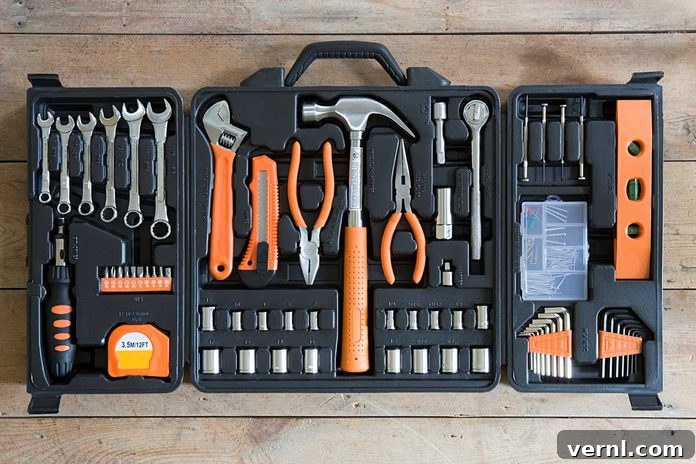
Buying a house is rarely just about getting the keys and moving in; it’s the beginning of a continuous journey of maintenance, customization, and personalization. Even if your new place isn’t a “fixer-upper,” you’ll undoubtedly invest time and resources into making it uniquely yours, which is a significant part of the joy of being a new homeowner. Having the right tools and essentials from day one will make this journey smoother and more enjoyable.
Essential Items for Every New Homeowner:
- Basic Tool Kit: A fundamental set of basic tools is indispensable. This should include:
- Hammer: For hanging pictures, light demo, and general repairs.
- Screwdrivers (Phillips and Flathead): Essential for assembling furniture, tightening loose handles, and electrical work (when power is off).
- Pliers (various types): For gripping, bending, and cutting wires.
- Adjustable Wrench: Useful for plumbing tasks and tightening nuts and bolts.
- Tape Measure: For planning furniture layout, hanging decor, and general home projects.
- Level: To ensure shelves, pictures, and appliances are installed straight.
- Cordless Drill/Driver: A versatile tool for countless tasks, from hanging curtains to assembling furniture.
- Utility Knife: For opening boxes, cutting materials, and various household tasks.
- Cleaning Supplies: Maintaining a clean home is ongoing. Stock up on cleaning supplies before you move in, including:
- All-purpose cleaner, glass cleaner, bathroom cleaner.
- Sponges, scrub brushes, micro-fiber cloths.
- Vacuum cleaner, mop, broom, and dustpan.
- Buckets and rubber gloves.
- Safety & Emergency Items: Prioritize safety from day one:
- Smoke detectors and carbon monoxide detectors (ensure they are functional and have fresh batteries).
- Fire extinguisher(s) – one for the kitchen and one for the garage/utility area.
- First-aid kit.
- Flashlights and extra batteries.
- Ladder or step stool.
- Kitchen Essentials: Even if you plan to order takeout initially, you’ll eventually need:
- Basic set of pots and pans, dishes, cutlery, and drinking glasses.
- Coffee maker, toaster, or microwave (if not included).
- Dish soap, dish towels.
- Bathroom Essentials:
- Shower curtains and liners.
- Towels, hand soap, and toilet paper.
- Plunger (an absolute must-have!).
- Basic Appliances: Depending on what’s included with your home, you might need to acquire a refrigerator, washing machine, and dryer.
This list is a starting point, and you’ll naturally discover other items you need as you settle in. Building your collection of home essentials over time will help you feel prepared for anything homeownership throws your way. For a detailed guide on what to stock, refer to our comprehensive list of What You’ll Need for Your New Home.
Homeowner Video Playlist
Explore our curated video playlist featuring expert advice, step-by-step DIY tutorials, and inspiring ideas to help you maintain and enhance your new home.
If you found this content helpful and are eager for more guidance, sign up for our new homeowner newsletter. We’ll continue to support you through the exciting journey of homeownership, providing essential tips, innovative projects, and expert advice to help you truly make your new house a cherished home for years to come.