Florida, a state known for its unique charm and often bewildering headlines, is rumored to have a particularly whimsical driving law: if you have an elephant tied to a parking meter, you must pay the meter. While this delightful anecdote captures the imagination, it sadly appears to be an urban legend. It’s not hard to picture, however, how such a rule might have once been considered, perhaps to ensure the integrity of traveling circuses like Barnum and Bailey during their Florida stops. Despite this specific law being a myth, the realm of traffic regulations is far from mundane, brimming with genuinely peculiar statutes that still hold legal weight today.
Many of these unusual driving laws are fascinating relics from bygone eras, reflecting societal norms and technological limitations that are now obsolete. Others are direct responses to specific local conditions or pressing social issues of their time, and some continue to evolve, adapting to modern challenges. Regardless of their origin, each of these laws was, and in many cases still is, intended to serve the fundamental purpose of ensuring public safety and maintaining order on our roads. They offer a quirky glimpse into the legislative history of states and provinces, often sparking amusement while underscoring the diverse ways authorities have attempted to govern public conduct.
Join us on a cross-country journey as we explore some of the most genuinely strange, yet true, traffic laws that drivers might encounter, or perhaps unknowingly violate, across various states and even beyond U.S. borders. These aren’t just obscure footnotes in legal texts; they offer valuable insights into the evolution of our transportation systems and the enduring quest for safer, more harmonious communities.
Alaska Dog Cargo: Man’s Best Friend (Not on the Roof)
Imagine cruising through the vast, wild landscapes of Alaska with your furry companion. In Anchorage, however, there’s a specific and rather unusual regulation that dictates how your canine co-pilot should travel: it is strictly forbidden to drive with your dog tethered to the roof of your car. While this might sound like a rule designed to thwart extreme pet owners, its roots are firmly planted in animal welfare and safety. Alex Black of EpicVIN highlights the humane intent behind this quirky law, stating, “It’s clearly an anti-animal cruelty and safety rule to protect pets from horrible outcomes riding up top.”
Given Alaska’s rich history with dog sledding and a culture deeply intertwined with working dogs, one might wonder how this affects the state’s many dog mushers. However, the law primarily targets conventional passenger vehicles, ensuring pets are not subjected to dangerous conditions exposed to the elements or the risk of falling. Although Black notes that this particular statute is “practically never enforced in 2025,” he quickly adds, “but if cops saw it, they’d probably intervene.” This underscores that while some laws fade into obscurity, their underlying principles of compassion and public safety remain valid, ready to be invoked when circumstances demand.
Arkansas Horn Honking: Silence in Little Rock After Dark
In the vibrant city of Little Rock, Arkansas, local ordinances take a decidedly quiet turn after 9 p.m. It is specifically illegal to honk your car horn after this hour if you’re parked at any establishment that serves cold drinks or sandwiches. This law might seem comically specific, but it’s part of a broader legislative effort to curb late-night disturbances in residential areas. As Way.com writer Renee Martin explains, Little Rock has similar ordinances that prohibit loud talking, racing motors, and other activities that might disturb the peace at drive-ins or similar establishments.
Martin suggests that this peculiar horn-honking rule was likely created to “keep hangouts from spilling over into neighborhood disturbances.” The inclusion of “cold drinks or sandwiches” in the statute is simply a charming, yet archaic, detail that points to the popular late-night establishments of a bygone era. “The sandwich-shop clause is just one quirky remnant of that broader push for quiet nights,” Martin concludes. It serves as a vivid reminder of a time when community leaders sought to balance the social allure of local eateries with the imperative of ensuring peaceful rest for nearby residents.
Ohio Gas Minimum: Don’t Get Stranded in Youngstown’s Core
In the industrial city of Youngstown, Ohio, a truly unusual driving law dictates a driver’s fuel gauge. You mustn’t enter the downtown “congested district” without enough gas in your tank to make it back out. This ordinance aims to prevent the very real problem of stalled vehicles blocking busy streets and causing significant traffic delays. While the exact origins of this law are unclear, as Martin notes, “We don’t really know who made this law or why, but we can assume that it was probably to prevent cars from stalling and blocking busy streets.”
Imagine the frustration and economic impact of a major thoroughfare being brought to a standstill by a vehicle out of fuel. This law, though rarely enforced today, speaks to a proactive approach to urban planning and traffic management. While there are no clear records of its active enforcement, the ordinance outlines a clear penalty structure, escalating from a minor misdemeanor for initial offenses to more serious charges for repeat offenders. This suggests a serious intent behind the rule, highlighting the importance of smooth traffic flow in a bustling city center and the potential legal consequences for neglecting basic vehicle preparedness.
Minnesota Messes: Keeping Minnetonka’s Streets Pristine
The city of Minnetonka, Minnesota, takes its street cleanliness and safety very seriously. A local ordinance declares that vehicles depositing mud, dirt, sticky substances, or other debris on public streets are considered a public nuisance. This comprehensive regulation goes beyond mere aesthetics, aiming to prevent hazards that could compromise road safety and inflict damage on infrastructure. As Renee Martin articulates, “The law was clearly written to keep roads safe and prevent damage to pavement and other vehicles, and it’s grouped with other rules meant to protect safety and keep the community clean.”
While many communities have general littering or pollution laws, Minnetonka’s specific focus on vehicle-deposited debris makes it stand out. This level of detail in a city ordinance is precisely “why it shows up on ‘weird law’ lists,” Martin explains. It’s a testament to the city’s commitment to maintaining safe and clean public spaces, anticipating issues that could arise from construction vehicles, agricultural machinery, or even poorly secured cargo. The law underscores a community’s right to functional and hazard-free public roads, reinforcing the collective responsibility of drivers to prevent their vehicles from creating obstacles or damage.
Montana Sheep Transport: Unattended Livestock is a No-Go
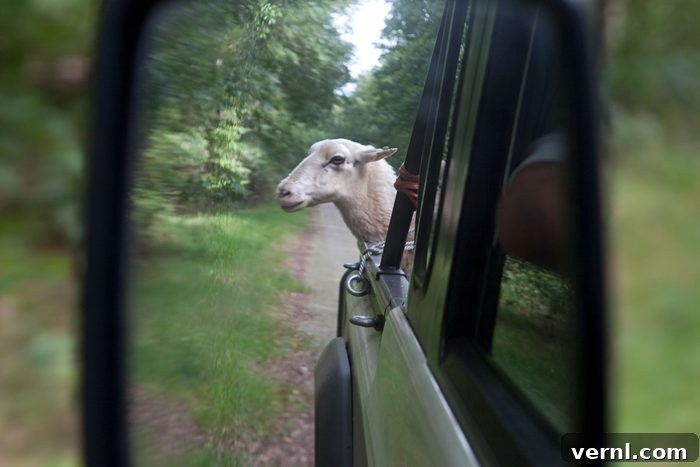
Montana, with its vast plains and robust agricultural heritage, presents a unique scenario for drivers transporting livestock. If you find yourself driving through Big Sky Country with sheep in your vehicle, be absolutely sure never to leave them unattended. While this law might elicit a chuckle, attorney Jason Reese cautions, “While this law may seem silly, animal cruelty laws could mean that you are issued a citation for this infraction.” This emphasizes that beneath the seemingly odd surface of the law lies a serious concern for animal welfare.
The intent is clear: to protect vulnerable livestock from harm, theft, or exposure, particularly in a state where such animals are a significant part of the economy and landscape. The law implicitly acknowledges the potential dangers to unattended animals, from severe weather to opportunistic predators, or even simply wandering into traffic. Montana is also home to other equally colorful laws, such as the prohibition against driving with ice picks attached to your wheels (a clear safety measure), bringing your horse into a bar (a social decorum rule), or attempting to catch a fish with a lasso (preserving traditional fishing methods). These laws collectively paint a picture of a state deeply connected to its rural roots and unique challenges.
Tennessee Snoozing: No Naps Behind the Wheel
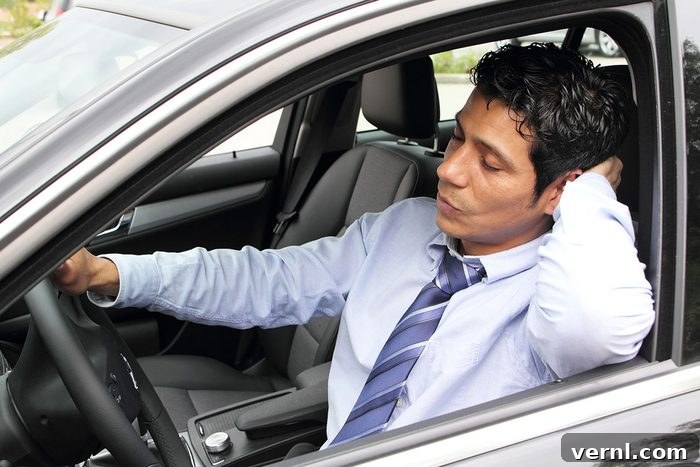
It goes without saying that falling asleep behind the wheel is universally condemned as dangerous and irresponsible. However, in Tennessee, this dangerous act isn’t just common sense advice; it’s a specific offense that can result in a significant ticket. Sleeping while driving is explicitly classified as reckless driving, a charge that carries serious implications because it places every other individual on the road at immense risk. Mahlon Miller of Arrow Trail trailers highlights the gravity and specificity of this law: “I know, it sounds like a punchline. Of course, no one is supposed to nap and drive, but here in Tennessee, it’s written right into law.”
This explicit statutory inclusion removes any ambiguity about the severe consequences of drowsy driving. Miller further confirms its contemporary relevance: “And yes, it is still enforced in 2025. That means fines, or potential jail time in case of an accident.” This law underscores Tennessee’s commitment to aggressive enforcement against behaviors that drastically elevate the risk of traffic collisions. It serves as a stark reminder that while many laws are unwritten societal rules, some are so critical to public safety that they are enshrined directly in the legal code, leaving no room for misinterpretation.
Texas Windshield Wipers: The Essential Accessory
Texas law presents a curious paradox regarding vehicle components: you are not legally required to have a windshield on your car. However, attempting to hit the open road without windshield wipers is a definite legal no-go. This seemingly contradictory legislation highlights the practical realities of driving, particularly in adverse weather conditions. While a windshield might be optional for some adventurous drivers, the ability to maintain clear visibility is non-negotiable, especially during the sudden, torrential downpours common in many parts of Texas.
This law was undoubtedly included in the legal books to ensure driver safety, preventing impaired visibility from rain, snow, or road spray. Attorney Ben Michael acknowledges the comical incongruity when applied to windshield-less vehicles: “It’s not common for people to be ticketed for not having windshield wipers when they don’t have a windshield, but they should still make sure that they are following the law regardless.” This emphasizes the underlying principle of the law: that functional wipers are crucial for safe operation. Whether your vehicle boasts a full windshield or not, the capacity to clear your line of sight remains a fundamental requirement for legal and safe driving in the Lone Star State.
Utah Bird Right of Way: Stop for Feathered Friends
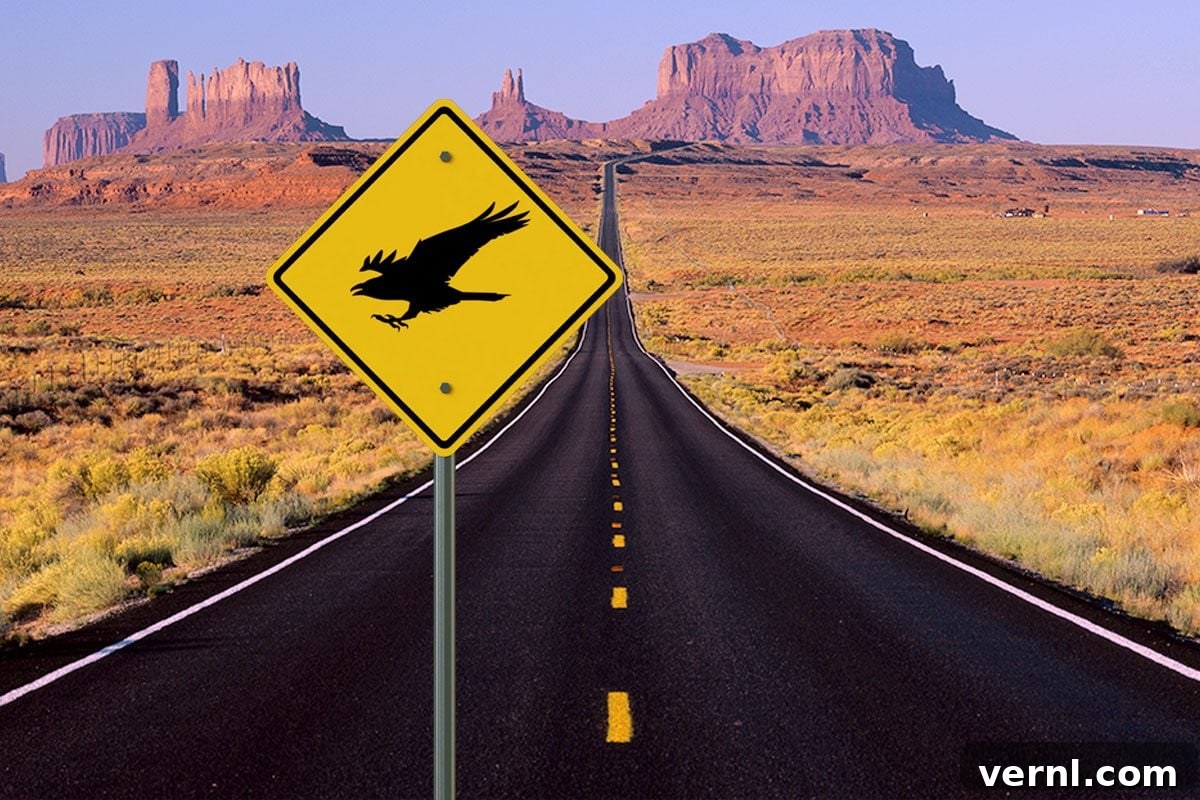
If you’re driving through Utah and spot a raven, or any other bird, on the road, your best course of action is to stop. That’s because, in the Beehive State, birds officially have the right of way on all highways. This peculiar driving law was almost certainly enacted with the noble intention of protecting avian wildlife, a significant number of which are tragically killed each year in vehicle collisions. While it sounds like a law often overlooked, its existence highlights a unique commitment to environmental conservation within the state’s legal framework.
Alex Black humorously characterizes it as “fun trivia more than an enforceable law,” suggesting that police officers aren’t actively monitoring for drivers failing to yield to pigeons. However, the spirit of the law, encouraging respect for wildlife, remains important. A memorable incident a few years back saw an eagle fly through the open side window of a semi-truck on I-70. Remarkably, both the human driver and the bird emerged from the encounter largely unscathed, albeit with “a few ruffled feathers.” This anecdote, while extreme, serves as a whimsical reminder of the unpredictable interactions between human transportation and the natural world, reinforcing the enduring, if seldom enforced, call to protect Utah’s feathered inhabitants.
Virginia Road Kill: A Culinary Opportunity?
In a law that blends practicality with an unusual degree of permissiveness, a statewide Virginia law enacted in 2024 gives motorists the green light to keep any deer, bear, turkey, or elk they happen to hit or find deceased on the road. The only condition for this unique take-home meal program is that the incident must be reported to law enforcement. Attorney Jason Reese aptly summarizes the law’s ethos: “Waste not, want not when you’re cruising the roads through Virginia. If you happen to strike an animal while driving, just keep it and serve it for your next meal.”
This regulation offers a fascinating glimpse into a state that acknowledges both the inevitability of wildlife-vehicle collisions and the potential for utilizing natural resources responsibly. Beyond its practical implications for subsistence or ethical consumption, the law also streamlines the process for dealing with roadkill, potentially reducing burdens on state agencies for carcass removal. It’s a pragmatic approach to an often-unpleasant reality of rural driving, transforming an unfortunate incident into a surprising, albeit optional, culinary opportunity for those willing to partake.
Canadian Horse Traffic: No Furious Racing in Ontario
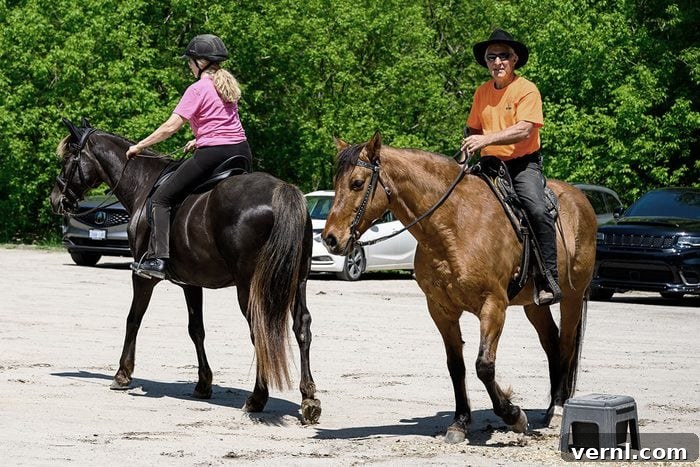
Crossing the border into Ontario, Canada, drivers encounter another charmingly anachronistic law: don’t even think about furiously racing your horse, or any other animal, on a highway. This peculiar regulation is a direct relic from a bygone era when roads were shared, and often dominated, by horses, carriages, and early automobiles. Michael Kruse, a Canadian DUI and Criminal Defense Lawyer, candidly remarks on its modern relevance: “The strange regulation dates back to a period when the roads were also occupied by horses, but in 2025, no horse racers can be found in the modern traffic, and no police officer will be waiting to see a furious horse, so the law is a legal fossil.”
While the act of “furious horse racing” on a highway is virtually unheard of today, the law remains on the books, a testament to the slow pace of legislative cleanup. However, if one were to defy this “legal fossil” by riding a horse on a rural Ontario road, more contemporary provisions would immediately kick in. A more recent amendment mandates that riders wear shoes with a hard sole of at least 1.5 cm thick, and those under 18 must also wear a helmet. Licensed paralegal Ron Harper explains the rationale: “At one time, horseback riders were still fairly widespread in rural Ontario, and legislators wanted to minimize the risk of a rider falling and being dragged or hurt by a second vehicle.” So, while the racing aspect is a humorous historical note, the safety measures for equestrian road users are very much alive, even if “seldom enforced” today.
Hazard Lights Misuse: A Multi-State Conundrum
Beyond individual state peculiarities, there’s a widely misunderstood and often illegally applied rule concerning hazard lights that spans multiple states. Many jurisdictions actively enforce laws restricting the use of a vehicle’s hazard lights while driving, reserving their primary use for signifying a vehicle that is pulled over, stopped, or disabled. The rationale behind these restrictions is rooted firmly in road safety: hazard lights can paradoxically create more danger by making it harder for other drivers to discern brake lights, turn signals, or even the vehicle’s actual movement. This confusion can be particularly dangerous during inclement weather, when visibility is already compromised.
Accident attorney Rick Staggard points out a common misconception: “Drivers believe that driving with hazard lights on during a downpour is safer, but in reality, they are creating a hazard and may be liable if an accident occurs.” The varying enforcement across state lines also presents a challenge for drivers. As Staggard illustrates, “You could be driving south on I-95 in Georgia, where it’s not enforced, then cross into Florida, where it is enforced, and suddenly face a ticket.” This highlights the importance of understanding specific state laws, even for seemingly innocuous driving habits, as what’s permissible in one area might be illegal just a few miles down the road.
About the Experts
- Renee Martin is an insightful auto writer contributing to the Way.com auto app, where she shares her expertise on all things automotive.
- Alex Black serves as the chief marketing officer at EpicVIN. With over 15 years of experience, he is a seasoned car expert, having worked across car auctions, vehicle history providers, and various other sectors of the automotive industry.
- Rick Staggard is a dedicated accident trial attorney with Farah and Farah. He brings decades of legal practice experience from both Florida and Georgia, specializing in personal injury and accident cases.
- Jason Reese is the distinguished co-founder and partner attorney at Wagner Reese, a prominent Indiana and Illinois law firm. His practice focuses extensively on car accident cases and personal injury claims.
- Mahlon Miller is the co-owner and manager at Arrow Trail trailers in Lobelville, Tennessee. He is renowned for building high-quality trailers and for his work hauling diverse cargo, from heavy equipment to tiny homes, across the Southern United States.
- Michael Kruse is a respected Canadian DUI and Criminal Defense Lawyer, leading Kruse Law Firm. His firm specializes in traffic-related and criminal charges across southwestern Ontario and Toronto, offering expert legal defense.
- Ron Harper is a licensed paralegal and the owner of OTD Ticket Defenders Legal Service in Ontario, Canada. He is an expert in defending clients against traffic-related charges and ensuring their rights are protected.
- Ben Michael is an attorney at Michael & Associates, located in Dallas, Texas. He is highly skilled in representing clients facing DWI and DUI charges.
Related Content for Informed Driving
- Do You Know What That Little Button on Your Seat Belt Is For?
- What Those Lines on Your Backup Camera Really Tell You
- Here’s What The Small Panel On Your Car’s Front Bumper Is For