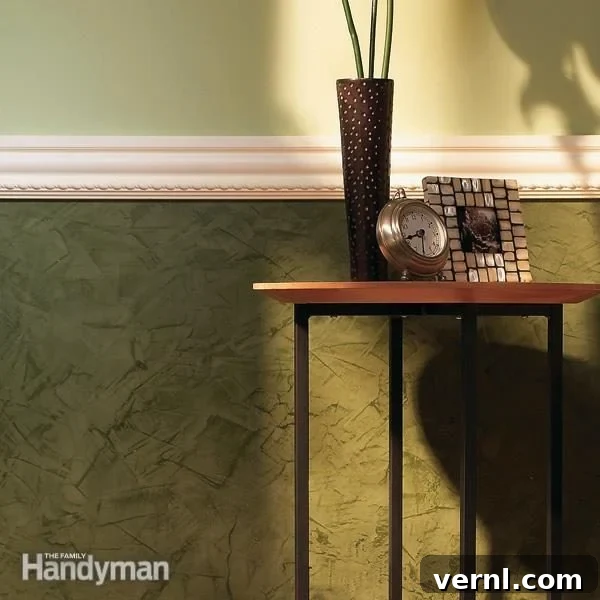
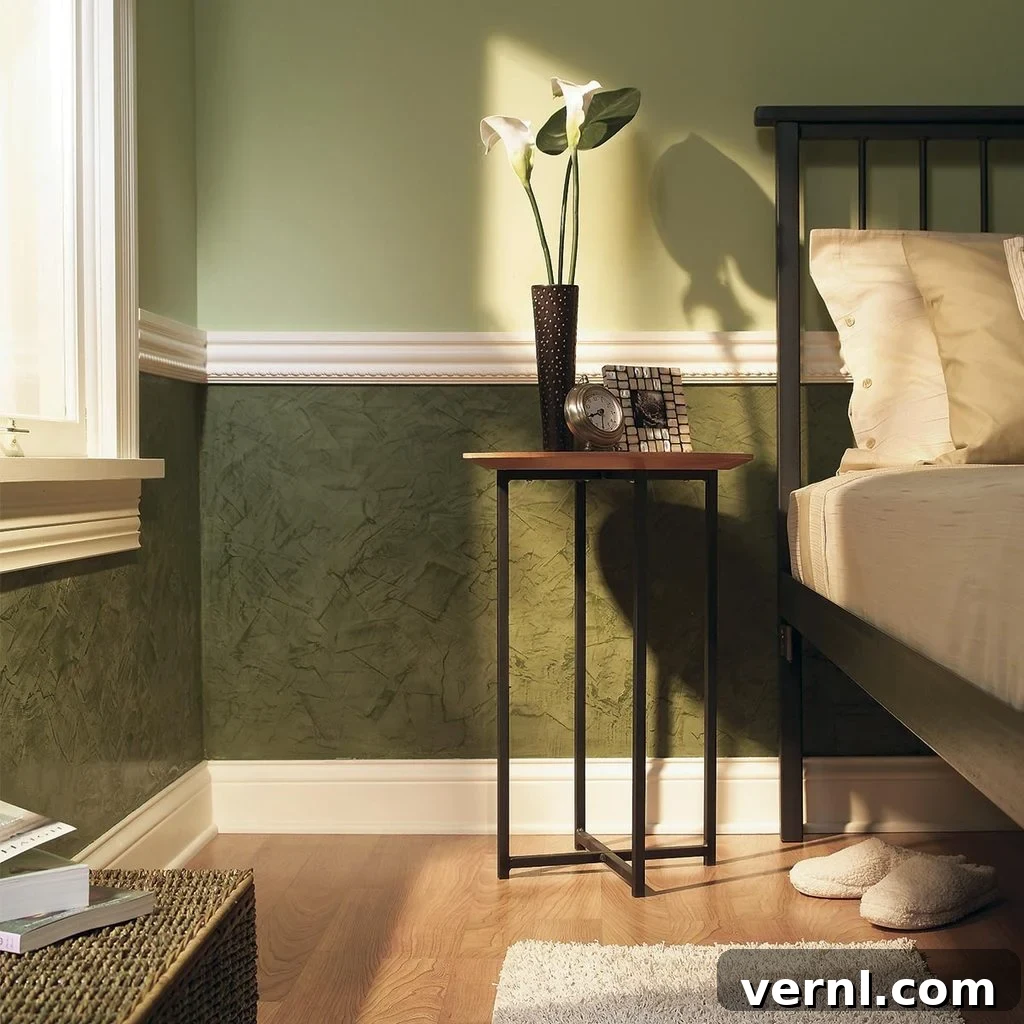
A chair rail is more than just an aesthetic addition to a room; it’s a versatile design element deeply rooted in practicality and historical function. Traditionally, these elegant horizontal moldings were strategically installed on walls to protect them from potential scuffs, dents, and damage caused by the backs of moving chairs. This essential protective role is precisely how the term “chair rail” originated, serving as a silent guardian for your interior walls.
What is a Chair Rail? Unveiling the Purpose of this Decorative Molding
A chair rail is a horizontal molding or trim applied to the walls of a room, primarily designed to act as a protective barrier. Its placement typically aligns with the height of most chair backs, effectively shielding walls from inevitable contact. Beyond its practical origins, the chair rail has evolved into a significant decorative feature, adding depth, character, and architectural interest to any space. It serves as a visual divider, elegantly segmenting a wall into two distinct sections. This division allows homeowners and designers to creatively apply different wall treatments—such as contrasting paint colors, varied wallpaper patterns, or even wainscoting—to the upper and lower portions of a wall. This clean demarcation not only enhances visual appeal but also provides an opportunity to infuse unique style and personality into a room, making it feel more sophisticated and thoughtfully designed.
The Rich History and Evolution of Chair Rails
While often seen as a modern decorative accent, the concept of the chair rail dates back centuries, with its origins deeply embedded in the functional needs of grand European homes. In a time before the advent of durable paints and wall treatments, plaster and delicate wallpapers were common. Chairs, often heavier and more ornate than modern counterparts, posed a constant threat to these vulnerable wall surfaces. Thus, the chair rail emerged as a pragmatic solution, offering a robust physical barrier. Early chair rails were typically simple, sturdy wooden strips, designed purely for protection.
As architectural styles evolved, so did the chair rail. During the Georgian, Victorian, and Colonial periods, chair rails transformed from mere utilitarian strips into elaborate decorative elements. They became integral to the intricate trim work that defined these eras, often complementing elaborate crown moldings, baseboards, and door casings. Craftsmen began to incorporate complex profiles, carved details, and built-up designs, making the chair rail a statement piece that enhanced the overall grandeur of a room. Today, while still providing protection, the chair rail’s primary role has largely shifted towards its aesthetic contribution, offering a timeless way to add elegance and structure to modern interiors.
Understanding Chair Rail Materials: Durability Meets Design
The choice of material for your chair rail significantly impacts its durability, appearance, and ease of installation. Here are the most common options available:
- Solid Wood: Offering classic beauty and exceptional durability, solid wood chair rails are often made from oak, maple, pine, or poplar. They can be stained to highlight natural wood grain or painted to match any decor. While solid wood can be more expensive and might require professional installation due to its weight and need for precise cutting, it provides a high-quality, long-lasting finish that can be refinished multiple times.
- Medium-Density Fiberboard (MDF): A popular and budget-friendly alternative, MDF chair rails are engineered wood products. They are smooth, consistent, and take paint exceptionally well, making them ideal for a crisp, painted finish. MDF is less prone to warping and splitting than solid wood, but it is also less resistant to moisture damage, making it less suitable for high-humidity areas like bathrooms.
- Polyurethane (PVC/Plastic): These synthetic chair rails are lightweight, moisture-resistant, and highly durable. They are an excellent choice for bathrooms, kitchens, or basements where humidity is a concern. Polyurethane moldings are often pre-primed, easy to cut, and can mimic the look of wood with a good coat of paint. They are also highly resistant to rot, insects, and cracking.
- Plaster: Historically used in very ornate and traditional settings, plaster chair rails offer intricate details and a seamless, integrated look when applied to plaster walls. While beautiful, they are delicate, can be difficult to install, and are prone to chipping. They are usually reserved for restoration projects or high-end custom homes.
Variety in Chair Rail Design: Profiles and Styles
The design spectrum of chair rails is vast, offering homeowners an array of choices to complement various interior styles, from minimalist contemporary to opulent traditional. Some rails are understated and straightforward, like a simple 1×3 strip, featuring clean lines and a subtle presence perfect for modern or transitional spaces. In contrast, others exhibit intricate profiles, featuring multiple convex and concave patterns that reflect sophisticated craftsmanship and are ideal for adding a touch of historical elegance.
Common profiles include:
- Flat or Beveled: Simple, clean lines, suitable for contemporary or minimalist designs.
- Ogee (S-curve): A classic profile with a gentle S-shape, adding a touch of traditional elegance.
- Beaded: Features a small, rounded bead detail, offering subtle texture and visual interest, often found in colonial or farmhouse styles.
- Cove: A concave, rounded profile, creating a soft transition.
For those looking to evoke a particular historical or period look, “built-up” chair rails consist of two or more stacked moldings, offering impressive depth, complexity, and a truly custom appearance. This layering technique allows for greater personalization and can create a more substantial visual impact, making the chair rail a true architectural focal point rather than just a protective strip.
Inspiring Chair Rail Ideas for Every Home
Chair rails, while initially designed for practical reasons, have grown into a decorative tool that can be adapted in a multitude of ways to fit different design aesthetics and enhance any room. Here are some unique chair rail ideas to consider:
- Two-Tone Walls with a Twist: This is a classic use of a chair rail but with endless creative possibilities. Instead of merely using wallpaper and paint, consider painting the top and bottom halves of your wall in contrasting or complementary colors. For instance, a soft pastel above the chair rail paired with a darker, richer hue below can create a dynamic visual effect, adding depth and sophistication. You could also experiment with varying sheens of the same color for a subtle, elegant contrast.
- Stenciled or Painted “Faux” Chair Rail: For a budget-friendly or less permanent option, forgo traditional wood or MDF molding and instead use a stencil or freehand paint a decorative “chair rail” line around the room. This could be a series of intricate patterns, geometric shapes, or even a continuous design that mimics the look of a more intricate molding. This approach offers flexibility and is perfect for renters or those who like to frequently change their decor.
- Reclaimed Wood for Rustic Charm: For a rustic, farmhouse, or industrial aesthetic, incorporate reclaimed wood as your chair rail. The worn, weathered look of the wood can add unparalleled texture, warmth, and a touch of history to your space. Each piece tells a story, making your chair rail a unique focal point. It pairs beautifully with whitewashed walls, exposed brick, or other natural design elements.
- Elegant Tile Chair Rail in Bathrooms: In moisture-prone areas like bathrooms, powder rooms, or even kitchens, a decorative tile strip can serve as an incredibly stylish and functional chair rail. Tiles naturally handle moisture better than wood, providing a durable and hygienic solution. You can choose from a vast variety of designs, from intricate mosaic patterns and vibrant accent tiles to simple, monochromatic lines that seamlessly blend with your existing tilework.
- Functional Built-In Ledge or Narrow Shelf: Elevate the functionality of your chair rail by transforming it into a built-in ledge or a narrow shelf that runs around the perimeter of the room. This innovative design provides a perfect display area for lightweight items such as cherished photos, small art pieces, delicate figurines, or seasonal decor. It’s particularly useful in rooms like home offices, dens, or even bedrooms, where you might want to keep small items organized and within easy reach, adding both style and practical storage.
- Contrasting Color Pop: Paint the chair rail itself in a color that stands out from both the upper and lower wall sections. This creates a bold statement and highlights the molding as a distinct architectural feature.
- Wallpaper Above, Paint Below: A sophisticated approach where a patterned or textured wallpaper is applied above the chair rail, and a complementary solid paint color is used on the wall below. This creates a refined and layered look.
What is the Standard Chair Rail Height? Achieving Proportional Balance
The standard chair rail height is typically between 28 to 32 inches from the floor. However, the most universally accepted and common height is approximately 30 inches. This measurement isn’t arbitrary; it meticulously corresponds to the average height of most dining chair backs and other seating furniture, thereby ensuring that the chair rail performs its primary protective function effectively.
That said, the ideal height can vary depending on specific design intentions, the overall scale of the room, and especially the ceiling height. Aesthetically, many interior designers suggest placing the chair rail at about one-third the height of the room, particularly in spaces with tall ceilings, to achieve visually balanced and pleasing proportions. For example, in a room with 9-foot ceilings (108 inches), a chair rail placed at 36 inches would follow this one-third rule, creating a more dramatic and stately effect. Conversely, in rooms with lower ceilings, sticking closer to the 30-inch mark might prevent the room from feeling cut off or shortened.
When determining the exact placement, always consider the specific furniture that will occupy the room, the existing architectural elements, and the overall design aesthetic you aim to achieve. It’s often recommended to use painter’s tape to mock up different heights on the wall before committing to a final installation, allowing you to visualize the impact and ensure perfect harmony within your space.
DIY Chair Rail Installation: A Project for Beginners
Installing chair rail is widely considered a rewarding DIY project, even for enthusiastic beginners. The materials are relatively inexpensive, and you can effectively complete the task with a modest set of basic hand tools and a miter saw—whether a manual miter box or a powered electric saw. This accessibility makes it an attractive home improvement endeavor.
The process generally involves measuring and marking the height, cutting the molding pieces to length and angle (especially for corners), and then securely attaching them to the wall studs using nails or adhesive. While the cutting and attachment steps are straightforward, the biggest challenge often lies in figuring out the best and most attractive way to butt chair rail moldings into existing window and door trim. This requires careful coping or scribing techniques, especially if that existing trim is thin or has an intricate profile, to ensure seamless transitions and a professional-looking finish. Patience, precise measurements, and a few practice cuts can help overcome these hurdles, resulting in a beautifully finished room that looks professionally done.
Chair Rail vs. Wainscoting: Understanding the Distinction
While often used in conjunction and sometimes confused, chair rails and wainscoting are distinct elements with different purposes. A chair rail is a single, horizontal strip of molding applied to the wall. Its primary roles are protection and visual division.
Wainscoting, on the other hand, refers to a decorative paneling that covers the lower portion of a wall, typically extending from the baseboard up to the chair rail height. It can be made from various materials like wood panels, beadboard, or even applied moldings (like picture frame molding) to create a paneled effect. Wainscoting offers enhanced wall protection, adds significant architectural detail, and can greatly contribute to a room’s character and insulation. A chair rail often serves as the top cap or finishing piece for wainscoting, providing a clean transition and a unified aesthetic. While you can have a chair rail without wainscoting, wainscoting almost always includes a chair rail or a similar top trim piece to complete its design.
Why Installing a Chair Rail Molding Is Worth It: Elevating Your Home’s Aesthetics and Functionality
Chair rail molding, once a purely functional addition designed to protect walls from wayward chairs, has profoundly evolved into a coveted design element for modern homeowners. Installing chair rail molding introduces a sophisticated layer of architectural detail that can significantly elevate the appearance and perceived value of a room. Beyond the immediate aesthetic charm, chair rails create an intelligent visual division, empowering homeowners to confidently experiment with diverse paint colors, wallpapers, or textures in a single space without it feeling overwhelming or disjointed. This strategic separation fosters a sense of order and intentional design.
Furthermore, chair rails ingeniously provide an illusion of height and structure, making rooms feel more spacious, grand, and inherently sophisticated. They draw the eye horizontally, then vertically, subtly expanding the visual boundaries of a space. Crucially, by acting as a robust buffer, chair rails still faithfully serve their original purpose of guarding against unsightly scuffs, dings, and accidental impacts, ensuring that your meticulously decorated walls remain pristine and elegant over time. The remarkable versatility of chair rail molding, coupled with its blend of protective function and transformative design potential, makes it an exceptionally worthwhile consideration for anyone looking to enhance the depth, character, and enduring functionality of their interior spaces. It’s an investment in both beauty and longevity for your home.